Opportunities within the aeronautics and space industry located in the state of New York encompass a diverse range of roles, from engineering and research to manufacturing and support services. These positions contribute to the design, development, testing, and production of aircraft, spacecraft, and related technologies within the state’s boundaries.
The presence of these specialized employment opportunities fosters technological innovation, stimulates economic growth, and supports the state’s contribution to national defense and scientific advancement. The historical concentration of aerospace companies and research institutions has created a skilled workforce and a supportive ecosystem for continued development in this field. This contributes to the overall economic competitiveness of New York.
The following sections will explore the specific types of roles available, the skills and qualifications generally required, and a look at the organizations driving employment within the aeronautics and space sector in the Empire State. This includes outlining educational pathways and resources helpful for individuals pursuing careers in this dynamic industry.
Individuals seeking employment in the aeronautics and space sector within New York should adopt a strategic approach to maximize their prospects. The following tips provide guidance for a successful job search and career advancement.
Tip 1: Focus on STEM Education: A strong foundation in science, technology, engineering, and mathematics is fundamental. Degrees in aerospace engineering, mechanical engineering, electrical engineering, or computer science are highly valued.
Tip 2: Cultivate Relevant Skills: Develop expertise in areas such as CAD/CAM software, programming languages (e.g., Python, MATLAB), data analysis, and systems engineering. Specific skills depend on the desired role.
Tip 3: Seek Internships and Co-ops: Practical experience is crucial. Internships or cooperative education programs with aerospace companies or research institutions provide valuable hands-on training and networking opportunities.
Tip 4: Network Actively: Attend industry events, join professional organizations (e.g., AIAA, IEEE), and connect with professionals on platforms like LinkedIn. Networking expands awareness of opportunities and facilitates introductions.
Tip 5: Tailor Rsums and Cover Letters: Customize application materials to align with specific job requirements. Highlight relevant skills, experiences, and accomplishments that demonstrate suitability for each position.
Tip 6: Research Companies Thoroughly: Understand the specific focus and projects of potential employers. This enables applicants to articulate their interest and contributions more effectively.
Tip 7: Consider Government and Military Opportunities: Explore civilian positions within government agencies (e.g., NASA) or the military that support aeronautics and space activities in New York. These offer stability and opportunities for specialized training.
Successfully navigating the employment landscape requires a combination of education, skills, networking, and targeted preparation. By adopting these strategies, individuals can increase their chances of securing and advancing in their desired career path.
The subsequent sections will delve into the specific organizations and companies in New York that contribute to and offer chances within the aeronautics and space sector.
1. Engineering Design

Engineering design constitutes a foundational element within the aeronautics and space sector of New York, driving innovation and development across a spectrum of projects. Positions in engineering design are pivotal in shaping the technological advancement and practical application of aerospace systems.
- Aerodynamic Analysis
Aerodynamic analysis roles involve simulating and evaluating the airflow around aircraft and spacecraft to optimize performance, stability, and fuel efficiency. Professionals in this area use computational fluid dynamics (CFD) software and wind tunnel testing to refine designs. For instance, engineering teams analyze the aerodynamic characteristics of a new wing design for a commercial aircraft to minimize drag and improve lift.
- Structural Design and Analysis
Structural design engineers are responsible for ensuring the integrity and reliability of aerospace structures under various stress conditions. They employ finite element analysis (FEA) to model and simulate the behavior of materials and components. An example includes designing the fuselage of a spacecraft to withstand extreme temperatures and pressures during atmospheric re-entry.
- Systems Engineering
Systems engineering roles focus on integrating various components and subsystems to create a cohesive and functional aerospace system. This involves defining requirements, managing interfaces, and ensuring compatibility between different elements. For example, systems engineers oversee the integration of propulsion, navigation, and control systems in an unmanned aerial vehicle (UAV) to achieve specific mission objectives.
- Materials Science and Engineering
Specialists in materials science and engineering develop and evaluate new materials for aerospace applications, considering factors such as weight, strength, and resistance to extreme environments. This may involve researching and testing composite materials for aircraft wings or developing heat-resistant coatings for spacecraft components.
Collectively, these facets of engineering design underscore the critical role that skilled engineers play in advancing the aeronautics and space sector within New York. The demand for expertise in these areas continues to drive employment and innovation, contributing to the state’s position as a hub for aerospace activity.
2. Manufacturing Roles

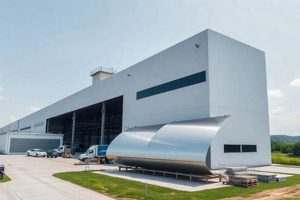
Manufacturing roles are integral to the landscape of aeronautics and space employment in New York. These positions represent the tangible execution of engineering designs, transforming concepts into physical components and assembled systems. The presence of manufacturing capabilities directly enables the production of aircraft, spacecraft, and related technologies within the state, driving economic activity and creating numerous employment opportunities. The establishment of a new composites manufacturing plant supporting a major aircraft manufacturer, for example, would generate jobs for skilled technicians, machinists, and quality control specialists. This, in turn, strengthens the state’s aeronautical industrial base.
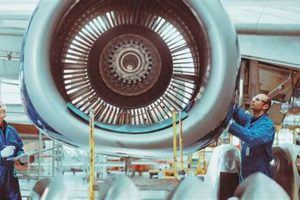
The scope of manufacturing roles encompasses a diverse range of activities, including machining, fabrication, assembly, testing, and quality control. Each stage contributes to the overall production process, requiring specialized skills and expertise. Precision machining of aircraft engine components, the fabrication of lightweight composite structures for spacecraft, and the assembly of electronic systems for flight control are examples. Efficient and high-quality manufacturing processes are essential for meeting the stringent performance and safety requirements of the aerospace industry. Furthermore, the adoption of advanced manufacturing technologies, such as additive manufacturing and robotics, is transforming production processes and creating demand for new skill sets.
Understanding the connection between manufacturing roles and New York’s aeronautics and space industry provides a crucial insight into the state’s industrial capabilities and employment opportunities. While design and research are important, it is the manufacturing sector that translates innovation into tangible products. Challenges facing this sector include maintaining competitiveness in a global market, attracting and training skilled workers, and adapting to evolving technological advancements. Addressing these challenges is vital for sustaining and expanding the sector’s contribution to the state’s economy and workforce.
3. Research Positions

Research positions form a critical component of the aeronautics and space sector in New York, driving advancements in technology and contributing significantly to employment within the state. These roles encompass a wide array of scientific and engineering disciplines, focusing on fundamental and applied research relevant to aircraft, spacecraft, and related systems. The presence of research institutions and corporate R&D facilities is directly linked to the creation of high-skilled positions, attracting talent and fostering innovation within New York.
Universities, government laboratories, and private companies in New York actively engage in research related to aerodynamics, propulsion, materials science, and avionics. For instance, university research programs may focus on developing novel composite materials for aircraft structures, improving fuel efficiency, or advancing autonomous flight control systems. Corporate research facilities may explore the integration of artificial intelligence into aerospace applications. The impact of these research efforts is multifaceted. First, they generate new knowledge and technologies that enhance the performance, safety, and reliability of aerospace systems. Second, they provide valuable training and educational opportunities for students and early-career researchers. Third, they attract funding from government agencies and private investors, further stimulating the economy and supporting additional research activities.
Understanding the connection between research positions and the broader landscape of aeronautics and space sector is important for individuals seeking to contribute to the field. Research roles offer opportunities to engage in cutting-edge scientific inquiry, collaborate with experts, and shape the future of air and space travel. While challenges exist in securing funding, navigating regulatory requirements, and translating research findings into practical applications, the potential impact of research positions on technological advancement and economic development in New York remains substantial. Furthermore, the knowledge and innovation generated in these roles ultimately improve products, processes, and the competitiveness of the industry.
4. Regulatory Compliance

Regulatory compliance is a critical aspect influencing the nature and availability of aeronautics and space employment opportunities in New York. Adherence to stringent federal and international regulations governs every stage of aerospace activities, from design and manufacturing to testing and operations. As such, a significant portion of the workforce is dedicated to ensuring that products and processes meet these mandatory requirements.
- FAA Regulations Expertise
Expertise in Federal Aviation Administration (FAA) regulations is paramount. Professionals in this area interpret and apply FAA guidelines related to aircraft certification, airworthiness, and operational safety. In New York, companies designing and manufacturing aircraft components require personnel skilled in navigating FAA regulations to ensure compliance and obtain necessary approvals. This role directly impacts the safety and reliability of aircraft operating within and beyond the state.
- Environmental Compliance
Environmental compliance focuses on adhering to regulations concerning emissions, noise pollution, and waste disposal generated by aerospace activities. New York’s manufacturing facilities must employ environmental specialists to implement strategies for minimizing environmental impact and complying with state and federal regulations. Failure to comply can result in significant penalties and disruptions to operations, thereby impacting job security and the need for specialized environmental roles.
- Export Control Compliance
Export control regulations, such as those administered by the International Traffic in Arms Regulations (ITAR) and the Export Administration Regulations (EAR), govern the export of sensitive aerospace technologies and components. New York companies involved in the international trade of aerospace products must employ compliance officers to ensure adherence to these regulations. Non-compliance can lead to severe legal repercussions, impacting international collaborations and the demand for export control specialists.
- Safety Management Systems (SMS)
Implementation and maintenance of Safety Management Systems (SMS) is crucial for preventing accidents and ensuring operational safety in aerospace organizations. Safety managers and specialists are needed to develop, implement, and monitor SMS programs that comply with regulatory requirements. This requires expertise in risk assessment, hazard identification, and safety training, which ultimately protects employees and the public while shaping the safety culture within aerospace companies.
These facets of regulatory compliance demonstrate the wide-ranging impact of regulations on the aeronautics and space employment landscape in New York. Compliance professionals are vital for ensuring that aerospace activities adhere to stringent standards, safeguarding safety, security, and environmental responsibility. The demand for expertise in these areas is expected to remain strong as regulations evolve and new technologies emerge, solidifying the link between compliance and sustained opportunities.
5. Technology Development

Technology development serves as a primary driver for the evolution and expansion of aerospace-related positions in New York. Advancements in areas such as advanced materials, autonomous systems, and propulsion technologies directly create demand for skilled engineers, scientists, and technicians. Organizations actively engaged in developing these technologies require personnel capable of conducting research, designing prototypes, and implementing innovative solutions. For example, the development of new unmanned aerial vehicle (UAV) technologies necessitates expertise in areas like sensor integration, software development, and control systems, leading to job creation in those fields. This reciprocal relationship highlights technology development as a cornerstone of job growth in the sector.
The investment in and support of technology development initiatives in New York has a tangible impact on the skill sets required for employment within the aerospace industry. As companies and research institutions push the boundaries of what is technologically feasible, there is a corresponding need for individuals with specialized knowledge and training. This includes expertise in areas such as artificial intelligence, machine learning, and cybersecurity, as these technologies become increasingly integrated into aerospace systems. Programs designed to foster technology development, such as government grants and industry partnerships, play a crucial role in preparing the workforce for these evolving needs. This preparation ensures that New York remains competitive in attracting and retaining aerospace companies focused on innovation.
Ultimately, the sustained growth of aerospace-related positions in New York is inextricably linked to continued investment in technology development. Challenges remain in areas such as securing funding for research and development, attracting and retaining talent, and navigating regulatory hurdles. However, the long-term benefits of fostering a culture of innovation are substantial, including enhanced competitiveness, economic growth, and the creation of high-skilled employment opportunities. The ability to successfully translate technological advancements into practical applications will determine the future trajectory of the sector and its contribution to the state’s economy.
6. Supply Chain
The efficiency and resilience of the supply chain are directly correlated with the number and nature of employment opportunities within the aeronautics and space sector in New York. The supply chain encompasses the network of suppliers, manufacturers, and distributors responsible for providing the raw materials, components, and sub-assemblies required for aerospace production. A robust and well-managed supply chain is essential for ensuring that companies can meet production schedules, maintain product quality, and remain competitive. In turn, this drives demand for professionals specializing in supply chain management, logistics, procurement, and related fields. For example, an aircraft manufacturer in New York relies on a complex network of suppliers for everything from engines and avionics to fasteners and composite materials. Disruptions to this supply chain, such as material shortages or transportation delays, can lead to production bottlenecks, reduced output, and potential job losses.
The geographical distribution of the supply chain also plays a crucial role in determining the location of employment opportunities. While some components may be sourced from suppliers located within New York, others may come from vendors across the United States or internationally. Companies often seek to establish or expand operations near key suppliers to reduce transportation costs, improve communication, and enhance collaboration. This can lead to the creation of new jobs in areas with a concentration of suppliers, as well as the demand for logistics and transportation professionals to manage the flow of goods. Furthermore, the increasing emphasis on sustainability and ethical sourcing is driving demand for supply chain professionals with expertise in these areas. As companies seek to reduce their environmental footprint and ensure responsible sourcing practices, they require personnel to monitor supply chain activities, assess risks, and implement sustainable solutions.
The stability and growth of positions related to the aerospace supply chain in New York depend on a complex interplay of factors, including global economic conditions, government regulations, and technological advancements. Challenges include managing supply chain risks, adapting to evolving customer demands, and addressing workforce shortages. Nevertheless, the crucial role that the supply chain plays in supporting the aeronautics and space sector ensures that skilled supply chain professionals will remain in demand. By addressing these challenges and investing in supply chain optimization, New York can strengthen its position as a hub for aerospace activity, create additional employment opportunities, and secure the long-term success of the industry.
7. Economic Impact

The economic impact of the aeronautics and space sector within New York is intrinsically linked to the availability and quality of its employment opportunities. The industry serves as a catalyst for economic growth, generating revenue, fostering technological innovation, and supporting a skilled workforce. A comprehensive assessment of this impact requires examining several key facets.
- Direct Job Creation
The most immediate impact is the creation of direct jobs within aerospace companies, research institutions, and related organizations. These positions encompass a wide range of roles, from engineers and scientists to technicians and manufacturing personnel. For example, the expansion of a major aerospace manufacturing facility in upstate New York would directly translate into hundreds or even thousands of new jobs in the region. The salaries and wages paid to these employees contribute to the local economy through increased consumer spending and tax revenue.
- Indirect and Induced Effects
Beyond direct job creation, the aeronautics and space sector also generates indirect and induced economic effects. Indirect effects arise from the industry’s reliance on a network of suppliers and service providers, who in turn create additional jobs and economic activity. For example, a company that provides specialized machining services to an aerospace manufacturer benefits from the industry’s presence, leading to increased demand for its products and services. Induced effects occur as employees within the sector spend their earnings, stimulating demand for goods and services in the broader economy, such as retail, hospitality, and housing.
- Tax Revenue Generation
The aeronautics and space sector contributes significantly to state and local tax revenues through corporate income taxes, property taxes, and sales taxes. These revenues support essential public services, such as education, infrastructure, and healthcare. A thriving aerospace industry can help to alleviate the tax burden on other sectors of the economy, freeing up resources for investment in other areas. For instance, increased tax revenue from aerospace companies can enable the state to invest in workforce development programs aimed at training individuals for high-demand jobs in the sector.
- Technology Spillover and Innovation
Investments in aerospace research and development often lead to technological breakthroughs that have applications beyond the industry. These “spillover” effects can benefit other sectors of the economy, such as healthcare, energy, and transportation. For example, advanced materials developed for aircraft structures may find applications in medical implants or renewable energy systems. The presence of a vibrant aerospace sector can foster a culture of innovation, attracting talent and investment and contributing to the overall competitiveness of the state’s economy.
In summary, the aeronautics and space sector exerts a multifaceted economic impact on New York. The direct creation of skilled, high-paying positions, as well as indirect support to additional industries, translates into significant revenue growth, providing a substantial contribution to the state’s economic well-being. Furthermore, that cycle of industry success translates to broader technological advancement, adding even greater value.
Frequently Asked Questions
This section addresses common inquiries regarding employment opportunities within the aeronautics and space sector in the state of New York. The intent is to provide factual and concise answers to facilitate a clearer understanding of the relevant aspects of this field.
Question 1: What qualifications are generally required for entry-level positions in this industry?
Typically, a bachelor’s degree in a relevant engineering discipline (e.g., aerospace, mechanical, electrical) or a related scientific field is a prerequisite. Some positions may require specific coursework or certifications depending on the role.
Question 2: Are there specific geographic regions within New York that have a higher concentration of such employment opportunities?
Yes. Areas with established aerospace manufacturing or research facilities, such as the Hudson Valley region, the greater Syracuse area, and the vicinity of major research universities, tend to have a greater concentration of positions.
Question 3: What is the average salary range for an aerospace engineer in New York?
Salary ranges vary based on experience, education, and specific role. However, as of 2023, the median salary for aerospace engineers in New York typically falls between $80,000 and $130,000 annually. This figure should be regarded as a general estimate and is subject to change.
Question 4: Are there government agencies in New York that support the aerospace industry?
Yes. Empire State Development (ESD) and other state agencies offer resources and incentives to support the growth of the aerospace sector. These may include tax credits, grants, and workforce development programs.
Question 5: What types of companies offer such jobs in New York?
A range of companies from large aerospace manufacturers and defense contractors to smaller specialty firms and research institutions all contribute to available positions. This includes companies involved in aircraft component manufacturing, space technology, and related services.
Question 6: How is the job market outlook for this sector in New York?
The outlook is generally positive, driven by factors such as increased demand for air travel, investments in space exploration, and ongoing technological advancements. However, the job market is also subject to broader economic trends and government funding priorities.
The answers above provide a foundational understanding of common questions. It is recommended that prospective candidates conduct thorough research and consult with industry professionals for more specific guidance.
The following section will provide resources for further exploration.
Aerospace Jobs in New York
This exploration has detailed the diverse nature and significance of opportunities related to the aeronautics and space field within New York. From design and manufacturing to research and regulatory compliance, the spectrum of available positions reflects a dynamic and multifaceted industry. Its critical contribution to the state’s economy, technological innovation, and highly skilled workforce has been consistently underlined.
Given the sector’s ongoing evolution and the demand for specialized expertise, continued investment in education, workforce development, and technological advancement remains essential. The future success of aerospace jobs in New York hinges on proactive measures to attract and retain talent, foster innovation, and adapt to the ever-changing landscape of the global aerospace market. This strategic approach will be critical in ensuring New York remains a vital hub for aeronautics and space activity for years to come.