Institutions offering programs in this field provide students with the knowledge and skills necessary to design, develop, test, and maintain aircraft, spacecraft, and related systems. These programs typically encompass a broad range of engineering disciplines, including aerodynamics, propulsion, structural analysis, materials science, and control systems. For instance, a university with a strong aerospace engineering department might offer specialized courses in orbital mechanics, composite materials, or computational fluid dynamics.
The availability of such academic opportunities is crucial for national security, technological advancement, and economic competitiveness. Historically, investment in these programs has driven innovation in aviation, space exploration, and related industries. Graduates contribute to a workforce capable of addressing complex challenges in areas such as renewable energy, satellite communications, and advanced manufacturing. Furthermore, research conducted within these departments often yields breakthroughs with broad societal benefits.
The following sections will delve into specific criteria for evaluating programs, highlight prominent institutions in this area, and discuss the career paths open to graduates. Details on admission requirements, curriculum structure, and research opportunities will also be explored.
Guidance for Prospective Students Seeking Aerospace Engineering Programs
The selection of an appropriate academic institution is paramount for aspiring aerospace engineers. Careful consideration of several factors can significantly impact a student’s educational experience and career prospects. The following tips offer guidance in this crucial decision-making process.
Tip 1: Evaluate Accreditation Status: Ensure the program holds accreditation from ABET (Accreditation Board for Engineering and Technology). Accreditation signifies that the program meets established quality standards and prepares graduates for professional licensure.
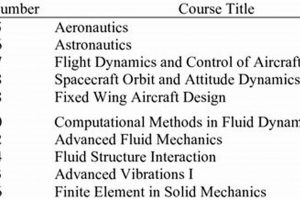
Tip 2: Review Curriculum Depth and Breadth: Examine the course offerings to ascertain whether they cover essential areas such as aerodynamics, propulsion, structures, control systems, and orbital mechanics. A well-rounded curriculum will provide a strong foundation in fundamental principles and specialized topics.
Tip 3: Assess Research Opportunities: Investigate the extent of undergraduate research opportunities available. Participation in research projects provides valuable hands-on experience and enhances critical thinking skills. Example: Look for involvement in projects relating to advanced materials, unmanned aerial vehicles, or space exploration technologies.
Tip 4: Consider Faculty Expertise and Experience: Research the faculty’s academic qualifications, research interests, and industry experience. Professors with expertise in specific areas can provide valuable mentorship and guidance.
Tip 5: Investigate Internship and Co-op Programs: Determine if the institution offers internship or cooperative education programs. These programs provide practical work experience in aerospace companies or government agencies. Prior experience is often a significant advantage when seeking employment after graduation.
Tip 6: Analyze Available Resources and Facilities: Evaluate the availability of specialized laboratories, wind tunnels, flight simulators, and computational resources. Access to modern facilities enhances the learning experience and allows students to conduct cutting-edge research.
Tip 7: Understand Graduation and Job Placement Rates: Review data on graduation rates and job placement statistics for aerospace engineering graduates. This data can provide insights into the program’s effectiveness in preparing students for successful careers.
Diligent application of these guidelines will improve the likelihood of selecting an academic institution that aligns with individual aspirations and prepares graduates for success in the dynamic field of aerospace engineering.
The subsequent sections of this article will provide further details on specific programs, career paths, and resources available to aspiring aerospace engineers.
1. Curriculum Rigor

Curriculum rigor within institutions offering aerospace engineering programs is a critical determinant of graduate preparedness and subsequent contributions to the field. It represents the depth, breadth, and complexity of the academic content presented to students. A demanding curriculum necessitates comprehensive understanding of core engineering principles, including advanced mathematics, physics, and specialized aerospace subjects such as aerodynamics, propulsion, and control systems. For example, institutions renowned for their aerospace engineering programs often incorporate advanced coursework in computational fluid dynamics, composite materials, and spacecraft design, challenging students to apply theoretical knowledge to complex, real-world problems. The inclusion of such rigorous coursework prepares graduates for the multifaceted challenges inherent in the aerospace industry.
The impact of curricular difficulty extends beyond theoretical comprehension. Practical application through design projects, laboratory experiments, and research opportunities is significantly enhanced when students possess a robust foundational understanding. Consider, for instance, the design and construction of a small-scale wind tunnel or the development of a satellite communication system. These activities require students to integrate various disciplines and apply their knowledge to achieve tangible results. A less demanding curriculum may not equip students with the necessary skills to effectively tackle these projects, hindering their ability to innovate and solve complex engineering problems. Furthermore, industrial internships and cooperative education programs often demand a high level of technical proficiency, directly reflecting the quality of the academic curriculum.
In conclusion, curriculum rigor is an indispensable component of strong aerospace engineering programs. It directly influences a graduate’s ability to perform effectively in demanding professional roles, contribute to technological advancements, and address critical challenges within the aerospace sector. While the specific content and delivery methods may vary across institutions, the underlying principle of challenging students with complex and relevant material remains paramount. Students should carefully evaluate the curriculum’s depth and breadth when selecting an aerospace engineering program to ensure they receive the necessary preparation for a successful career in this dynamic field.
2. Faculty Expertise

The caliber of faculty at institutions offering aerospace engineering programs directly influences the quality of education and research outcomes. Faculty expertise, encompassing academic qualifications, research accomplishments, and industry experience, is a critical determinant of program effectiveness. Institutions with distinguished faculty members often attract highly motivated students, secure substantial research funding, and foster a culture of innovation. For example, a professor specializing in computational fluid dynamics with a history of published research and collaborations with aerospace companies contributes significantly to the curriculum and student learning. Their knowledge and experience shape the academic environment, pushing students to explore complex topics and conduct meaningful research. The presence of such faculty is frequently a primary factor differentiating leading aerospace engineering programs.
The impact of faculty expertise extends beyond classroom instruction. Faculty members often serve as mentors, guiding students in their academic and professional development. They provide opportunities for students to participate in research projects, present findings at conferences, and publish in peer-reviewed journals. This involvement fosters critical thinking, problem-solving skills, and the ability to communicate effectively. Furthermore, faculty with strong industry connections can facilitate internships and employment opportunities for graduates. A professor with established relationships with aerospace companies, such as Boeing or SpaceX, can open doors for students to gain practical experience and build professional networks. Such connections are invaluable for launching successful careers in the aerospace industry.
In summary, faculty expertise is an indispensable component of any strong aerospace engineering program. It significantly impacts curriculum quality, research productivity, student development, and career prospects. While institutions may vary in their specific areas of focus, the presence of highly qualified and experienced faculty members remains a key indicator of program excellence. Students should carefully evaluate the faculty profiles and research activities when selecting an aerospace engineering program to ensure they receive the best possible education and preparation for a successful career. Challenges may arise in attracting and retaining top faculty, particularly in a competitive academic landscape. Therefore, institutional investment in faculty development and research support is crucial for maintaining program quality and advancing the field of aerospace engineering.
3. Research Opportunities

The presence and scope of research opportunities within institutions offering aerospace engineering programs constitute a pivotal element of a comprehensive educational experience. These opportunities serve as a bridge between theoretical knowledge and practical application, shaping the development of future aerospace professionals and driving innovation within the field.
- Undergraduate Research Programs
Institutions often offer formal undergraduate research programs, allowing students to work alongside faculty on ongoing research projects. These programs provide hands-on experience in areas such as aerodynamics, propulsion, or materials science. For example, a student might contribute to the development of new wing designs for enhanced fuel efficiency or assist in testing the performance of novel rocket engine components. Participation in such programs cultivates critical thinking, problem-solving skills, and the ability to conduct independent research, significantly enhancing career prospects.
- Graduate Research Assistantships
Graduate students typically engage in extensive research as part of their degree requirements, often through research assistantships. These assistantships involve working under the guidance of a faculty advisor, conducting original research, and contributing to scholarly publications. Examples include developing new control algorithms for autonomous aircraft or investigating the properties of advanced composite materials for spacecraft construction. The outcomes of this research contribute to the advancement of aerospace knowledge and provide students with valuable expertise in specialized areas.
- Research Centers and Institutes
Many institutions house dedicated research centers and institutes focused on specific areas of aerospace engineering. These centers provide a collaborative environment for faculty, students, and industry partners to conduct cutting-edge research. Examples include centers specializing in space exploration technologies, advanced propulsion systems, or unmanned aerial vehicles. These centers often secure substantial funding from government agencies and private companies, supporting a wide range of research activities and providing students with access to state-of-the-art facilities and equipment.
- Industry-Sponsored Research
Collaborative research projects between institutions and aerospace companies offer valuable opportunities for students to work on real-world engineering challenges. These projects often involve developing solutions for specific industry needs, such as improving the performance of aircraft engines or designing new spacecraft components. Students gain practical experience working alongside industry professionals and develop a deeper understanding of the challenges and opportunities within the aerospace sector. Furthermore, participation in industry-sponsored research can lead to valuable networking opportunities and potential employment prospects.
In conclusion, the availability of diverse and substantive research opportunities within institutions specializing in aerospace engineering significantly impacts the quality of education and the preparation of graduates for successful careers. These experiences foster innovation, enhance problem-solving skills, and provide students with valuable exposure to the practical challenges and opportunities within the aerospace industry. Therefore, prospective students should carefully evaluate the research landscape within these institutions when making their academic decisions.
4. Accreditation Status
Accreditation status serves as a critical benchmark for evaluating the quality and rigor of aerospace engineering programs. It indicates that a program has met specific standards set by an external accrediting agency, assuring students, employers, and the public that the program provides a sound educational foundation.
- ABET Accreditation
ABET (Accreditation Board for Engineering and Technology) is the primary accrediting body for engineering programs in the United States. ABET accreditation signifies that a program has undergone a rigorous review process, demonstrating that it meets established standards for curriculum content, faculty qualifications, facilities, and student outcomes. For instance, a program with ABET accreditation must demonstrate that its graduates possess the technical skills, problem-solving abilities, and professional ethics necessary to succeed in the aerospace engineering field. Programs lacking ABET accreditation may not be recognized by employers or professional licensing boards, potentially limiting career opportunities for graduates.
- Curriculum Alignment
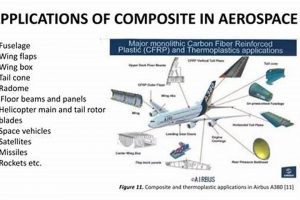
Accreditation ensures that the curriculum aligns with industry standards and best practices. Accredited aerospace engineering programs typically cover core subjects such as aerodynamics, propulsion, structures, and control systems, providing students with a broad foundation in the field. The curriculum must also incorporate contemporary topics, such as composite materials, computational fluid dynamics, and space systems engineering, to prepare students for the evolving challenges of the aerospace industry. Programs lacking accreditation may have outdated or incomplete curricula, leaving graduates ill-prepared for professional practice.
- Continuous Improvement
Accreditation requires programs to engage in continuous improvement processes, regularly assessing their effectiveness and making adjustments to enhance student learning and program outcomes. This involves collecting data on student performance, soliciting feedback from students and employers, and implementing changes to curriculum, teaching methods, and facilities. Accredited programs demonstrate a commitment to ongoing improvement, ensuring that they remain current and relevant to the needs of the aerospace industry. Programs without accreditation may lack the mechanisms for identifying and addressing deficiencies, potentially leading to stagnation and reduced program quality.
- Recognition and Reciprocity
Accreditation facilitates recognition and reciprocity of engineering qualifications across different jurisdictions. Graduates of accredited programs are typically eligible for professional licensure and registration, allowing them to practice engineering in regulated industries. Accreditation also enhances the credibility of an aerospace engineering degree, making it easier for graduates to pursue advanced studies or employment opportunities in other countries. Programs lacking accreditation may face challenges in gaining recognition and reciprocity, potentially limiting the mobility and career options of graduates.
In conclusion, accreditation status plays a crucial role in ensuring the quality and relevance of aerospace engineering programs. ABET accreditation, in particular, signifies that a program meets established standards for curriculum, faculty, facilities, and student outcomes, providing assurance to students, employers, and the public. Prospective students should carefully consider accreditation status when selecting an aerospace engineering program, as it can significantly impact their career prospects and professional development.
5. Industry Connections

The strength of industry connections represents a critical determinant of the value and relevance of academic programs in aerospace engineering. These connections provide students with opportunities for practical experience, exposure to current industry practices, and enhanced career prospects. The integration of industry engagement within the academic environment fosters innovation and ensures that graduates possess the skills and knowledge demanded by the aerospace sector.
- Internship and Co-op Programs
Internship and cooperative education (co-op) programs offer students structured opportunities to work in aerospace companies or government agencies. These experiences provide hands-on training, allowing students to apply theoretical knowledge to real-world engineering challenges. For example, an aerospace engineering student might intern at Boeing, working on the design and testing of aircraft components, or at NASA, contributing to the development of space exploration technologies. These programs not only enhance technical skills but also provide valuable networking opportunities, often leading to full-time employment after graduation.
- Industry-Sponsored Research Projects
Collaborative research projects between institutions and aerospace companies facilitate the exchange of knowledge and expertise. Companies often sponsor research projects at universities, providing funding, resources, and guidance to students and faculty. These projects address specific industry needs, such as improving the efficiency of aircraft engines or developing new materials for spacecraft construction. Students gain valuable experience working on cutting-edge technologies and developing solutions for real-world problems. The results of these projects often contribute to advancements in the aerospace industry and enhance the reputation of the academic institution.
- Advisory Boards and Guest Lectures
Industry advisory boards, composed of professionals from aerospace companies and government agencies, provide guidance to academic programs on curriculum development and industry trends. These boards ensure that the curriculum remains relevant and prepares students for the evolving challenges of the aerospace sector. Guest lectures from industry experts offer students insights into current practices, emerging technologies, and career paths. These interactions provide valuable networking opportunities and expose students to the diverse range of roles and responsibilities within the aerospace industry.
- Recruitment and Placement Services
Institutions with strong industry connections often have dedicated recruitment and placement services that facilitate the transition of graduates into the workforce. These services organize career fairs, on-campus interviews, and resume workshops, connecting students with potential employers. Relationships with aerospace companies allow institutions to anticipate industry hiring needs and prepare students accordingly. Placement rates for aerospace engineering graduates serve as a key indicator of program effectiveness and the strength of its industry connections.
In conclusion, the cultivation of robust industry connections is paramount for institutions offering aerospace engineering programs. These connections ensure that the curriculum remains relevant, provide students with valuable practical experience, and enhance career prospects. Institutions that prioritize industry engagement through internships, research projects, advisory boards, and recruitment services produce graduates who are well-prepared to contribute to the advancement of the aerospace sector. These connections serve as a vital link between academia and industry, fostering innovation and driving progress in the field of aerospace engineering.
6. Facilities Availability

The availability of specialized facilities is a critical determinant of the quality and effectiveness of educational programs. Institutions offering aerospace engineering programs require access to advanced equipment and resources to provide students with a comprehensive learning experience. The presence of these facilities enables practical application of theoretical concepts, fostering innovation and preparing graduates for the demands of the aerospace industry. A direct correlation exists between the quality of facilities and the ability of a program to attract top students and faculty, secure research funding, and contribute to advancements in the field. Without access to adequate facilities, programs may struggle to provide a competitive education, potentially limiting the career prospects of their graduates.
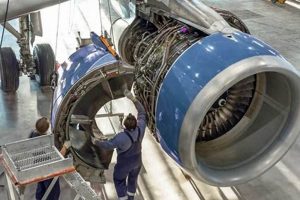
Specific examples of essential facilities include wind tunnels for aerodynamic testing, propulsion laboratories for engine development, structural testing facilities for analyzing material properties, and flight simulators for pilot training and aircraft design. Institutions with robust aerospace engineering programs often invest heavily in these facilities, ensuring that students have access to state-of-the-art equipment. For instance, a university might possess a subsonic wind tunnel for studying low-speed aerodynamics, a supersonic wind tunnel for high-speed flight research, and advanced computational resources for simulating complex fluid flows. Access to these facilities allows students to conduct experiments, validate theoretical models, and gain hands-on experience with industry-standard tools. Furthermore, the availability of specialized software for computer-aided design (CAD), computational fluid dynamics (CFD), and finite element analysis (FEA) is essential for modern aerospace engineering education.
In summary, facilities availability constitutes a fundamental aspect of institutions offering aerospace engineering programs. The quality and accessibility of these resources directly impact the educational experience, research capabilities, and career preparedness of graduates. Challenges may arise in securing funding for the acquisition and maintenance of advanced facilities, necessitating strategic partnerships with industry and government agencies. Ultimately, investment in specialized facilities is essential for sustaining the competitiveness and relevance of aerospace engineering programs, ensuring that graduates are well-equipped to address the challenges and opportunities of the aerospace industry.
Frequently Asked Questions Regarding Aerospace Engineering Programs
This section addresses common inquiries related to institutions offering degrees in aerospace engineering. The information provided aims to offer clarity and guidance to prospective students and other interested parties.
Question 1: What constitutes a strong aerospace engineering program?
A robust program is characterized by ABET accreditation, a comprehensive curriculum, experienced faculty, ample research opportunities, strong industry connections, and access to specialized facilities.
Question 2: Is ABET accreditation essential for institutions with aerospace engineering programs?
ABET accreditation is highly desirable. It signifies that the program meets established quality standards and prepares graduates for professional practice and licensure.
Question 3: What career paths are available to graduates of aerospace engineering programs?
Graduates can pursue careers in aircraft design, spacecraft development, propulsion systems, robotics, research and development, and various roles within government agencies and private companies.
Question 4: What are the admission requirements for aerospace engineering programs?
Admission requirements typically include a strong academic record in mathematics and science, standardized test scores, letters of recommendation, and a personal essay outlining academic and career goals.
Question 5: What types of research opportunities are typically available in aerospace engineering programs?
Research opportunities often include participation in faculty-led research projects, independent research initiatives, and collaborations with industry partners, covering areas such as aerodynamics, propulsion, and materials science.
Question 6: How important are internships and co-op programs for students pursuing aerospace engineering degrees?
Internships and co-op programs are highly valuable. They provide practical experience, enhance technical skills, and offer networking opportunities that significantly improve employment prospects.
In summary, selecting an aerospace engineering program requires careful consideration of factors such as accreditation, curriculum, faculty expertise, research opportunities, industry connections, and facilities. Due diligence ensures a well-rounded education and enhanced career prospects.
The following section will explore specific institutions known for their excellence in aerospace engineering education and research.
Concluding Remarks on Institutions Offering Aerospace Engineering Programs
This article has explored the multifaceted landscape of colleges that have aerospace engineering majors, emphasizing the crucial role of curriculum rigor, faculty expertise, research opportunities, accreditation status, industry connections, and facilities availability in shaping the quality of educational experiences and career outcomes. The strength of these institutions is directly linked to their capacity to prepare graduates for the demanding and rapidly evolving aerospace sector.
Continued investment in these programs is essential for national competitiveness and technological advancement. Prospective students are encouraged to carefully evaluate their options based on the criteria outlined herein, while stakeholders are urged to support initiatives that bolster the capabilities of colleges that have aerospace engineering majors to meet future challenges and drive innovation in the aerospace domain.