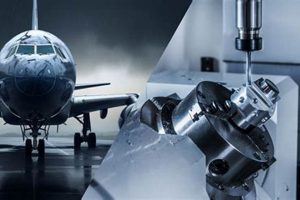
The ability of the air transportation sector to endure and flourish in the long term hinges on minimizing its environmental impact and maximizing resource efficiency. This entails reducing emissions, noise pollution, and waste generation throughout the entire lifecycle of aircraft and related operations. For instance, the development of aircraft that consume less fuel, the implementation of more efficient air traffic management systems, and the use of alternative, sustainable aviation fuels are all key components.
Addressing environmental concerns offers multiple advantages, ranging from reduced operational costs to enhanced public perception and regulatory compliance. Historically, the sector has relied heavily on fossil fuels, contributing significantly to greenhouse gas emissions. Moving toward more sustainable practices is crucial not only for mitigating climate change but also for ensuring the long-term viability and competitiveness of the air transport sector. Proactive measures can also lead to access to new markets and funding opportunities.
The following sections will delve into specific areas where significant advancements are being made, including innovations in aircraft design, the development and adoption of sustainable fuels, and improvements in operational efficiency and infrastructure. These efforts collectively contribute to a more responsible and environmentally conscious air transportation system.
Strategies for Advancing Environmental Stewardship in Air Transportation
The following outlines several key strategies for operators, manufacturers, and policymakers to promote enduring and environmentally sound practices within the air transport sector. Emphasis is placed on practical actions with demonstrable impact.
Tip 1: Invest in Advanced Aircraft Technologies: Prioritize research and development of aircraft utilizing novel aerodynamic designs, lightweight materials, and more efficient propulsion systems. Example: Funding programs for blended wing body aircraft designs offer potential for significant drag reduction and fuel savings.
Tip 2: Accelerate the Production and Adoption of Sustainable Aviation Fuels (SAF): Support the development and scaling of SAF production from various sources, including biofuels and synthetic fuels. Example: Offering tax incentives for airlines utilizing SAF can drive demand and stimulate market growth.
Tip 3: Optimize Air Traffic Management (ATM) Systems: Implement advanced ATM technologies to reduce flight distances, minimize holding patterns, and optimize flight profiles. Example: Deploying performance-based navigation (PBN) procedures allows for more direct routes and reduced fuel consumption.
Tip 4: Improve Ground Operations Efficiency: Implement measures to reduce emissions from ground support equipment (GSE), such as electric vehicles and alternative fuel-powered vehicles. Example: Transitioning airport shuttle buses and baggage handling equipment to electric power sources significantly reduces local air pollution.
Tip 5: Promote Circular Economy Principles: Implement strategies for aircraft component reuse, recycling, and refurbishment to minimize waste. Example: Establishing a system for recovering valuable materials from end-of-life aircraft can reduce the demand for virgin resources.
Tip 6: Enhance Transparency and Reporting: Implement comprehensive environmental reporting frameworks to track and measure progress towards environmental goals. Example: Adopting standardized carbon accounting methodologies allows for accurate assessment of emissions reductions.
Tip 7: Foster Collaboration and Partnerships: Encourage collaboration among industry stakeholders, research institutions, and government agencies to accelerate the development and deployment of sustainable technologies. Example: Joint research programs focused on alternative propulsion systems can leverage resources and expertise across different sectors.
Implementing these strategies can substantially improve the environmental performance of air transport, fostering a more resilient and responsible sector. Collective action and a commitment to innovation are essential for achieving meaningful progress.
The subsequent sections will provide a more in-depth examination of the specific technological advancements and policy initiatives shaping a more environmentally conscious aviation landscape.
1. Emissions Reduction

The curtailment of atmospheric pollutants generated by air transport is a paramount concern within the framework of enduring practices in this sector. The imperative to mitigate climate change and improve air quality necessitates a strategic and comprehensive approach to minimizing the environmental footprint of air travel.
- Engine Technology Advancements
Improvements in engine design, such as higher bypass ratios and advanced combustion techniques, play a critical role in lowering fuel consumption and, consequently, reducing emissions of carbon dioxide (CO2) and nitrogen oxides (NOx). For example, the development of geared turbofan engines has demonstrated significant reductions in fuel burn compared to older engine designs. These advancements directly contribute to a more environmentally sustainable air transport system.
- Alternative Fuel Development and Implementation
The transition to sustainable aviation fuels (SAF), derived from sources such as biofuels, synthetic fuels, or captured carbon, represents a significant opportunity to reduce the lifecycle emissions of air travel. For instance, the use of SAF produced from sustainable biomass can result in substantial reductions in greenhouse gas emissions compared to conventional jet fuel. The widespread adoption of SAF is essential for achieving ambitious emissions reduction targets.
- Operational Efficiency Improvements
Optimizing flight operations, including route planning, air traffic management, and aircraft descent profiles, can lead to considerable reductions in fuel consumption and emissions. For example, implementing continuous descent approaches (CDA) minimizes the use of engine thrust during landing, thereby reducing noise and fuel burn. Such operational improvements offer immediate and cost-effective means of lowering the environmental impact of air travel.
- Regulatory and Economic Incentives
Government policies and economic incentives, such as carbon pricing mechanisms, emissions trading schemes, and tax credits for SAF production, can play a crucial role in driving emissions reductions in the air transport sector. For example, carbon taxes incentivize airlines to adopt more fuel-efficient technologies and operational practices. Supportive regulatory frameworks and economic signals are necessary to accelerate the transition to a lower-carbon air transport system.
Collectively, these facets illustrate the interconnectedness of technological innovation, operational optimization, and policy interventions in achieving meaningful emissions reductions within the aviation sector. Their successful integration is essential to achieving the long-term environmental goals associated with a sustainable aerospace industry. The continued pursuit of these strategies will not only benefit the environment but also enhance the resilience and competitiveness of the air transport sector in a carbon-constrained world.
2. Sustainable Fuels

Sustainable fuels represent a critical pillar in the pursuit of long-term viability for the aerospace industry. Their adoption directly addresses the significant contribution of aviation to global greenhouse gas emissions, primarily carbon dioxide, a major driver of climate change. The utilization of fuels derived from renewable sources or through carbon capture technologies offers a pathway to substantially reduce the industry’s carbon footprint. This connection underscores that environmental stewardship is not merely a peripheral consideration but an integral component of a resilient and competitive aerospace sector. For example, airlines using biofuel blends have demonstrated a measurable decrease in net CO2 emissions per flight compared to conventional jet fuel.
The practical application of sustainable fuels extends beyond mere emissions reduction. It stimulates innovation in fuel production technologies, fosters the development of new supply chains, and enhances energy security by diversifying fuel sources. Consider the case of synthetic fuels produced from captured carbon and renewable hydrogen. These fuels, although currently in the early stages of development, hold the potential to create a closed-loop carbon cycle, where carbon emissions are captured and reused to produce new fuel. This illustrates the potential for decoupling air transport from fossil fuel dependency, a crucial step in creating an environmentally sound sector.
In summary, sustainable fuels are not simply an alternative energy source; they are a catalyst for systemic change within the aerospace industry. Overcoming challenges related to cost competitiveness, scalability, and infrastructure compatibility is paramount. The integration of these fuels is essential for reducing reliance on conventional fuels. Ultimately, sustainable fuels play a key role in achieving a truly enduring air transportation system, mitigating environmental impact while ensuring long-term operational resilience.
3. Resource Efficiency

The effective management and minimization of resource consumption are intrinsic to achieving enduring operational practices within the aerospace sector. Optimizing the utilization of raw materials, energy, and water throughout the lifecycle of aircraft and related operations is not merely an economic imperative but a fundamental component of minimizing environmental impact and ensuring the long-term availability of finite resources.
- Lightweight Materials and Design Optimization
The application of lightweight materials, such as advanced composites and alloys, is pivotal in reducing aircraft weight, thereby decreasing fuel consumption and emissions. Design optimization techniques, including computational fluid dynamics and finite element analysis, enable the creation of more aerodynamically efficient aircraft structures that minimize drag and maximize lift. For example, the use of carbon fiber reinforced polymers in the construction of aircraft wings and fuselages has resulted in significant fuel savings compared to traditional aluminum alloys. This reduces environmental impact and enhances operational economics.
- Energy-Efficient Manufacturing Processes
Implementing energy-efficient manufacturing processes is crucial for minimizing the environmental footprint of aircraft production. This includes optimizing the use of electricity and natural gas in machining, forming, and assembly operations. For example, the adoption of additive manufacturing (3D printing) techniques can reduce material waste and energy consumption compared to traditional subtractive manufacturing processes. These measures contribute to a smaller environmental footprint and foster a more responsible approach to aircraft manufacturing.
- Water Conservation Strategies
Water conservation strategies are essential for reducing the environmental impact of aircraft maintenance and ground operations. This includes implementing water-efficient cleaning and washing technologies, as well as optimizing water usage in cooling systems and other industrial processes. For instance, the use of closed-loop water recycling systems in aircraft washing facilities can significantly reduce water consumption compared to traditional open-loop systems. This leads to responsible water usage and conservation.
- Waste Reduction and Recycling Programs
Implementing comprehensive waste reduction and recycling programs is critical for minimizing the disposal of hazardous and non-hazardous waste generated during aircraft manufacturing, maintenance, and end-of-life operations. This includes establishing systems for recycling metals, plastics, and other materials, as well as implementing strategies for reducing the generation of waste at the source. For example, the establishment of aircraft recycling programs that recover valuable materials from end-of-life aircraft can significantly reduce the demand for virgin resources and minimize the environmental impact of aircraft disposal. This fosters a circular economy approach to resource management.
These interconnected facets demonstrate that responsible resource management is integral to long-term stability within the aerospace sector. Combining lighter materials, efficient processes, water conservation and waste management will ensure enduring practices, promoting responsible environmental performance and securing the long-term availability of essential resources. Embracing these strategies enables the sector to achieve economic viability while minimizing adverse impacts on the environment.
4. Design Innovation

Design innovation serves as a cornerstone for achieving environmental responsibility within the air transport sector. The ability to conceive, develop, and implement novel design solutions directly influences the environmental footprint of aircraft and associated systems. Advanced design strategies offer avenues for reducing emissions, enhancing fuel efficiency, and minimizing resource consumption, thereby driving progress toward enduring operational practices.
- Aerodynamic Efficiency Improvements
Aerodynamic design innovations, such as winglets, blended wing bodies, and laminar flow control surfaces, significantly reduce drag, resulting in lower fuel consumption and emissions. For example, modern aircraft incorporate winglets to mitigate induced drag caused by wingtip vortices, leading to demonstrable fuel savings. These design modifications directly contribute to enhanced environmental performance.
- Lightweight Structures and Materials
The incorporation of lightweight materials, including advanced composites like carbon fiber reinforced polymers and aluminum-lithium alloys, allows for the creation of lighter aircraft structures. This reduction in weight directly translates to lower fuel consumption and emissions. The development of novel joining techniques and manufacturing processes further enables the widespread adoption of these materials, bolstering environmental sustainability.
- Advanced Propulsion Systems Integration
Design innovation plays a critical role in the integration of advanced propulsion systems, such as hybrid-electric and fully electric powertrains, into aircraft designs. Optimizing the airframe to accommodate these alternative propulsion systems requires innovative design solutions that maximize efficiency and minimize weight. The successful integration of these technologies is crucial for reducing reliance on fossil fuels and transitioning to a cleaner air transport sector.
- Noise Reduction Technologies
Innovative design features, such as chevrons on engine nozzles and optimized fan blade designs, are employed to reduce noise pollution generated by aircraft during takeoff and landing. These design modifications minimize the impact of air transport operations on surrounding communities and contribute to improved environmental quality. Continuous advancements in noise reduction technologies are essential for addressing the growing concerns related to aviation noise.
The multifaceted nature of design innovation underscores its pivotal role in advancing environmental goals within the air transport sector. By prioritizing aerodynamic efficiency, lightweight structures, advanced propulsion systems, and noise reduction technologies, the industry can achieve meaningful reductions in its environmental impact, thus ensuring a more enduring and responsible future for air travel. The continued emphasis on design innovation is essential for realizing the full potential of environmental gains.
5. Operational Optimization

Operational optimization is a critical component of realizing enduring practices within the air transport sector. It encompasses a range of strategies and techniques aimed at maximizing efficiency and minimizing waste across all phases of flight operations. This, in turn, directly reduces fuel consumption, emissions, and noise pollution, all central concerns within the framework of aviation environmental responsibility. For example, the implementation of more direct flight routes, facilitated by advanced air traffic management systems, demonstrably reduces fuel burn per flight, thereby decreasing the overall carbon footprint.
The significance of optimized operations extends beyond environmental benefits. Improved efficiency translates to reduced operational costs for airlines, fostering economic viability alongside environmental gains. Consider the implementation of continuous descent approaches (CDA), which minimize the use of engine thrust during landing. CDAs not only reduce noise levels near airports but also conserve fuel, contributing to both environmental and financial advantages for air carriers. Moreover, predictive maintenance strategies, enabled by data analytics, minimize aircraft downtime and ensure optimal engine performance, further enhancing efficiency and reducing unnecessary fuel consumption.
In summary, operational optimization is not merely an adjunct to environmental initiatives but an essential element for a truly enduring aerospace industry. The combination of advanced technologies, refined procedures, and data-driven decision-making enables air carriers to minimize their environmental impact while simultaneously improving economic performance. Addressing the operational aspects of air travel is therefore central to achieving long-term viability and environmental stewardship. As such, the continuing development and application of improved practices are paramount to reducing emissions, noise, and resource consumption in aviation.
6. Lifecycle Management

Lifecycle management is an essential framework for achieving lasting environmental responsibility within the air transport sector. It encompasses a holistic approach to managing the environmental impact of aircraft and related systems, beginning with resource extraction and manufacturing, continuing through operation and maintenance, and culminating in end-of-life treatment. This integrated perspective is crucial for minimizing waste, conserving resources, and reducing emissions across the entire value chain.
- Sustainable Materials Sourcing
The selection of materials with minimal environmental impact is a critical aspect of lifecycle management. Prioritizing the use of recycled, renewable, and sustainably sourced materials reduces the demand for virgin resources and minimizes the ecological footprint of aircraft manufacturing. For example, the increased use of bio-based polymers and recycled metals in aircraft interiors contributes to a more circular economy. This directly addresses the environmental burdens associated with resource extraction and processing.
- Efficient Manufacturing and Assembly
Optimizing manufacturing processes to minimize energy consumption, waste generation, and the use of hazardous substances is essential for reducing the environmental impact of aircraft production. Implementing lean manufacturing principles, employing advanced technologies such as additive manufacturing, and adopting closed-loop recycling systems contribute to greater resource efficiency. These practices reduce the environmental burdens associated with production processes.
- Optimized Maintenance and Repair
Implementing proactive maintenance strategies and extending the service life of aircraft components minimizes the need for frequent replacements, thereby conserving resources and reducing waste. Utilizing advanced diagnostic tools to monitor component health and performing targeted repairs reduces the overall environmental impact of maintenance operations. This prolongs the lifespan of the manufactured product.
- Responsible End-of-Life Management
Implementing comprehensive end-of-life management strategies for aircraft ensures that materials are recovered and recycled responsibly. Establishing dedicated aircraft dismantling and recycling facilities allows for the recovery of valuable metals, plastics, and other materials, reducing the demand for virgin resources and minimizing the environmental impact of aircraft disposal. Responsible treatment of aircraft at the end of their operational lives is critical for the long-term. These programs have been established for older designs, but the process is becoming more sophisticated as composite materials become more common.
By integrating these elements across the entire lifecycle of aircraft and related systems, the air transport sector can achieve meaningful reductions in its environmental impact. Lifecycle management provides a structured framework for promoting resource efficiency, minimizing waste, and reducing emissions, contributing to a more sustainable and responsible aerospace industry. This framework ensures that environmental considerations are integrated into every stage of an aircraft’s existence, from its initial design to its eventual retirement.
Frequently Asked Questions
The following questions address common inquiries and misconceptions regarding efforts to promote environmental responsibility within the air transport sector.
Question 1: What specific metrics are used to assess the success of sustainability initiatives in the aerospace industry?
Key performance indicators include reductions in carbon dioxide emissions per revenue passenger kilometer, improvements in fuel efficiency measured in liters per seat kilometer, the percentage of sustainable aviation fuel used in total fuel consumption, and the volume of waste diverted from landfills through recycling programs.
Question 2: How does the adoption of sustainable aviation fuels (SAF) contribute to emissions reduction?
SAF, derived from sources such as biofuels or synthetic fuels, possess the potential to reduce lifecycle carbon emissions compared to conventional jet fuel. The degree of reduction is dependent on the feedstock and production pathway, with some SAF pathways yielding significant greenhouse gas emission reductions. SAF implementation also helps enable “drop in” use to existing aircraft.
Question 3: What are the primary obstacles hindering the widespread adoption of SAF?
Key challenges include the higher production costs of SAF compared to conventional jet fuel, the limited availability of sustainable feedstocks, and the need for infrastructure development to support SAF production, distribution, and utilization. Overcoming these barriers requires continued research, investment, and policy support.
Question 4: How does aircraft design contribute to reduced fuel consumption and emissions?
Innovative aerodynamic designs, lightweight materials, and advanced propulsion systems play a crucial role in enhancing aircraft fuel efficiency. For instance, blended wing body designs and the use of composite materials reduce drag and weight, leading to lower fuel burn and associated emissions.
Question 5: What role does air traffic management (ATM) play in promoting enduring practices?
Optimized ATM systems can reduce flight distances, minimize holding patterns, and enable more efficient flight profiles, thereby lowering fuel consumption and emissions. Implementing performance-based navigation (PBN) and other advanced ATM technologies is critical for achieving operational efficiencies.
Question 6: What are the key considerations for end-of-life aircraft management?
Responsible end-of-life management involves dismantling aircraft in an environmentally sound manner, recovering valuable materials for recycling, and minimizing waste sent to landfills. Establishing dedicated aircraft recycling facilities and implementing sustainable dismantling practices are essential for minimizing environmental impact.
The answers provided highlight the complex and interconnected nature of achieving environmental stewardship in the air transport sector. Technological innovation, operational improvements, and policy interventions are all necessary for driving meaningful progress.
The next section will examine the policy frameworks and regulatory initiatives shaping the future of enduring practices in aviation.
The Imperative of Enduring Practices
This exploration of “sustainability in aerospace industry” has underscored the critical importance of minimizing the environmental impact of air transport. Strategies such as emissions reduction, sustainable fuel adoption, resource efficiency improvements, design innovation, operational optimization, and lifecycle management have been examined as essential components of a responsible and resilient sector. The insights reveal that a systemic, multi-faceted approach is necessary to address the challenges effectively.
Achieving genuine enduring practices requires sustained commitment from industry stakeholders, policymakers, and researchers. The long-term viability and competitiveness of the air transport sector depend on the collective ability to implement innovative solutions and embrace environmental responsibility as a core principle. The future of flight hinges on a proactive and collaborative pursuit of these objectives.