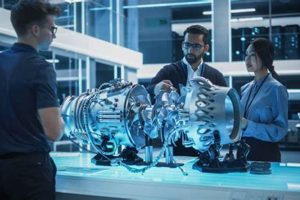
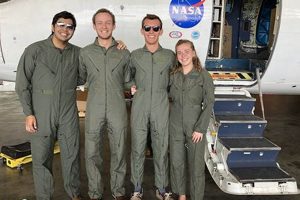
The environments and circumstances in which professionals design, develop, test, and supervise the manufacturing of aircraft, spacecraft, and related systems encompass a broad range of factors. These factors include, but are not limited to, the physical workspace, work hours, stress levels, safety protocols, and the degree of collaboration required. As an example, an aerospace engineer might spend considerable time in an office setting performing computer-aided design (CAD) work, while also spending time in wind tunnels overseeing testing procedures or on production floors supervising manufacturing processes.
A favorable environment is crucial for attracting and retaining qualified personnel in this highly specialized field. Positive aspects contribute to heightened productivity, innovation, and overall job satisfaction, which consequently results in improved project outcomes and organizational success. Historically, improvements in safety regulations and ergonomic design have significantly reduced workplace hazards and physical strain for these professionals, leading to a more sustainable and fulfilling career trajectory.
The following sections will delve into specific elements, such as typical work environments, potential challenges, the importance of safety, and the influence of technological advancements on the daily tasks and responsibilities of individuals within the aerospace engineering profession.
The subsequent recommendations aim to provide actionable guidance for aerospace engineers to optimize their professional experiences and navigate the inherent demands of the field. These are intended to be practical considerations for sustained career success.
Tip 1: Prioritize Ergonomic Workspaces: Prolonged hours spent at computer workstations necessitate a focus on ergonomic design. Implement adjustable chairs, monitor stands, and keyboard trays to mitigate physical strain and potential long-term health issues. Regular breaks and stretching exercises should be incorporated into daily routines.
Tip 2: Emphasize Clear Communication: Aerospace projects involve multidisciplinary teams. Proficient written and verbal communication skills are essential for conveying complex technical information accurately and efficiently. Proactive communication strategies minimize misunderstandings and streamline project workflows.
Tip 3: Maintain Continuous Professional Development: The aerospace sector is characterized by rapid technological advancements. Ongoing learning through coursework, industry conferences, and technical publications is imperative to remain current with the latest methodologies and tools. Certification in specialized areas can enhance professional expertise.
Tip 4: Adhere to Rigorous Safety Protocols: A steadfast commitment to safety is paramount in all aspects of aerospace engineering. Strict adherence to established safety protocols and regulations is crucial to minimize risks associated with testing, manufacturing, and operational procedures. A proactive approach to hazard identification and mitigation is essential.
Tip 5: Cultivate Effective Time Management Skills: Project deadlines and demanding workloads require efficient time management strategies. Prioritization techniques, such as the Eisenhower Matrix, can assist in managing tasks effectively and minimizing stress. Delegation, where appropriate, should be considered to optimize resource allocation.
Tip 6: Foster Collaborative Relationships: Building strong professional relationships with colleagues, mentors, and industry experts facilitates knowledge sharing and collaborative problem-solving. Active participation in professional organizations and networking events can expand professional reach and access valuable resources.
Tip 7: Advocate for a Supportive Environment: Engineers are encouraged to work towards a work culture of encouragement to avoid Burnout and turnover. Promote open dialogue about workload challenges and seek mentorship opportunities.
These recommendations serve as a foundation for cultivating a more rewarding and sustainable career. Integrating these principles into professional practice can enhance individual well-being and contribute to the overall success of aerospace projects.
The conclusion will summarize key themes, and offer a forward-looking perspective on these issues.
1. Safety Protocols

Safety protocols form an indispensable component of the working conditions within the aerospace engineering profession. The inherent risks associated with designing, testing, and manufacturing aircraft and spacecraft necessitate stringent adherence to established safety guidelines. The direct consequence of inadequate safety measures can range from equipment damage to serious injury or loss of life. Therefore, the implementation and enforcement of comprehensive safety protocols directly impact the physical and psychological well-being of engineers and technicians working in this field. A safe environment fosters confidence, reduces stress, and allows personnel to focus on their tasks without undue concern for their immediate safety.
Consider, for example, the testing of new aircraft engines. Strict safety protocols dictate the use of reinforced testing chambers, remote monitoring systems, and emergency shutdown procedures. Engineers involved in these tests are required to undergo extensive training and wear specialized protective equipment. Failure to comply with these protocols, even seemingly minor deviations, can result in catastrophic engine failure, posing a significant risk to personnel and facilities. Similarly, in the manufacturing of composite aircraft structures, exposure to hazardous materials requires the use of ventilation systems, respirators, and protective clothing to prevent long-term health issues. The efficacy of these protocols directly influences the long-term health and safety of the workforce.
In summary, the integration of robust safety protocols into the daily routines of aerospace engineers is not merely a regulatory requirement, but a fundamental aspect of creating a sustainable and productive environment. Prioritizing safety fosters a culture of responsibility, enhances job satisfaction, and ultimately contributes to the successful development and operation of safe and reliable aerospace systems. Continuous improvement and adaptation of these protocols in response to new technologies and emerging risks are essential to maintaining the integrity and long-term viability of the aerospace engineering profession.
2. Work-life balance

Work-life balance represents a critical component of working conditions, particularly within the demanding field of aerospace engineering. The intense project deadlines, intricate technical challenges, and regulatory requirements often associated with aerospace endeavors can significantly encroach upon personal time and well-being. The chronic imbalance between professional obligations and personal pursuits can lead to heightened stress levels, burnout, and a decline in overall job satisfaction. The effect of poor work-life balance can result in reduced productivity, increased error rates, and ultimately, a compromise in the quality of engineering output. For example, engineers consistently working extended hours on a critical aircraft design project may experience fatigue and diminished cognitive function, increasing the risk of overlooking critical design flaws or making calculation errors. This can have significant repercussions for aircraft safety and performance.
The importance of work-life balance stems from its direct impact on employee health and retention. Organizations that fail to address this issue may face challenges in attracting and retaining top talent. A supportive atmosphere that values employee well-being, offers flexible work arrangements where feasible, and promotes a culture of respect for personal time can significantly improve employee morale and loyalty. Furthermore, encouraging employees to utilize available vacation time, providing access to wellness programs, and fostering a sense of community within the workplace can all contribute to a more sustainable and fulfilling career. The practical significance of understanding work-life balance lies in its ability to enhance both individual well-being and organizational effectiveness. Companies that prioritize this are more likely to experience higher levels of innovation, increased employee engagement, and a more positive work environment overall.
In conclusion, work-life balance is not merely a desirable perk but an essential element of creating sustainable working conditions within aerospace engineering. While the demands of the profession may be inherently high, proactive strategies to mitigate the negative impacts on personal time and well-being are crucial. Addressing this challenge requires a concerted effort from both employers and employees to prioritize health, communication, and flexible work arrangements. Ultimately, fostering a balanced work environment can lead to a more engaged, productive, and innovative workforce, benefiting both the individual engineer and the aerospace industry as a whole.
3. Technological demands

The rapid pace of technological advancement directly influences the working conditions of aerospace engineers. The profession necessitates continuous adaptation to new software, materials, manufacturing techniques, and design paradigms. This constant evolution creates a demand for ongoing professional development and training, contributing to the workload and potentially increasing stress levels. An engineer’s ability to effectively utilize advanced computational fluid dynamics (CFD) software, for example, is now essential for aerodynamic analysis. Failure to maintain proficiency in these tools can limit an engineer’s effectiveness and career advancement opportunities. Moreover, the integration of artificial intelligence (AI) and machine learning (ML) in areas such as flight control systems and predictive maintenance requires aerospace engineers to acquire new skill sets, potentially altering the nature of their daily tasks and responsibilities.
The incorporation of advanced materials, such as carbon fiber composites, presents both opportunities and challenges. Aerospace engineers must understand the properties, manufacturing processes, and maintenance requirements of these materials, demanding additional training and potentially altering manufacturing procedures. The increasing complexity of aerospace systems necessitates enhanced collaboration and communication among engineers from various disciplines. Virtual reality (VR) and augmented reality (AR) technologies are being used to facilitate design reviews and remote collaboration, reshaping how engineers interact and share information. The shift towards digital engineering and model-based systems engineering (MBSE) requires a fundamental change in workflows and communication protocols. The digital landscape imposes new skill requirements, emphasizing the importance of data analysis, cybersecurity, and systems integration.
In summary, technological demands significantly impact the skillset, workflow, and overall environment. The ability to adapt to these demands is crucial for success. Addressing challenges requires commitment to continuous learning, investment in training programs, and the creation of a work environment that fosters innovation and collaboration. Failing to adapt can result in stagnation, reduced competitiveness, and increased stress among engineers. The continued evolution of technology will undoubtedly continue to redefine the very nature of aerospace engineering, emphasizing the importance of proactive adaptation and strategic investment in human capital.
4. Team collaboration

Team collaboration is an indispensable component that directly shapes the environment. Aerospace projects are characterized by their complexity, scale, and the integration of diverse engineering disciplines. Success depends on the seamless coordination of individuals specializing in aerodynamics, propulsion, materials science, avionics, and control systems. Effective collaboration facilitates the efficient exchange of knowledge, the resolution of technical challenges, and the mitigation of potential risks. The absence of effective collaboration can lead to communication breakdowns, duplicated efforts, conflicting designs, and ultimately, project delays and cost overruns. For example, the development of a new commercial aircraft requires extensive collaboration between design engineers, manufacturing specialists, and regulatory compliance officers. The failure to effectively integrate these teams can result in design flaws that impact manufacturing efficiency or compliance with safety regulations.
The impact of quality collaboration extends beyond project outcomes to influence morale and professional development. A collaborative atmosphere fosters mutual respect, encourages open communication, and promotes a sense of shared ownership. Engineers working in supportive team environments are more likely to experience job satisfaction, feel valued for their contributions, and be motivated to perform at their best. Furthermore, quality collaboration enables engineers to learn from the expertise of their colleagues, expand their skill sets, and develop a more holistic understanding of aerospace systems. Consider the integration of AI into flight control systems. Engineers from different backgrounds, including software developers, electrical engineers, and aerospace specialists, must work together to develop and implement this technology. Collaborative efforts may result in innovative flight-control solutions that could not have been achieved through isolated work.
In summary, team collaboration is not simply a desirable attribute; it is a fundamental requirement for ensuring safety, driving innovation, and fostering a positive professional trajectory. Recognizing the importance of this aspect allows the creation of an encouraging work setting. The future of aerospace engineering hinges on the ability of individuals from diverse backgrounds and specializations to work together effectively. The challenges associated with increasing complexity and technological integration can only be addressed through a commitment to effective communication, shared goals, and a culture of mutual support.
5. Ergonomic Factors

Ergonomic factors represent a critical, yet often overlooked, dimension within the broader spectrum of factors influencing environments. The application of ergonomic principles seeks to optimize the interaction between individuals and their work environment to minimize physical strain, enhance comfort, and improve overall productivity. Within the context of the rigorous demands of aerospace engineering, where tasks often involve extended periods of computer work, precision assembly, and demanding simulations, the integration of ergonomic considerations is essential for sustaining the long-term health and well-being of professionals.
- Workstation Design and Posture
Prolonged periods spent at computer workstations are commonplace in aerospace engineering. Improper workstation setup can lead to musculoskeletal disorders, such as carpal tunnel syndrome and back pain. Ergonomic interventions include adjustable chairs, monitor stands, and keyboard trays to promote neutral posture and reduce strain on joints and muscles. A real-world example is the implementation of sit-stand desks in design offices, which allows engineers to alternate between sitting and standing throughout the day, reducing the risk of sedentary-related health problems. Ignoring these considerations can result in decreased productivity, increased absenteeism, and long-term health issues.
- Human-Machine Interface Design
Aerospace engineers frequently interact with complex software interfaces for design, simulation, and data analysis. Poorly designed interfaces can lead to errors, frustration, and increased cognitive load. Ergonomic design principles emphasize intuitive layouts, clear visual cues, and efficient navigation to minimize user error and enhance task performance. Consider the design of cockpit interfaces in aircraft; ergonomic considerations are paramount to ensure that pilots can quickly and accurately access critical information during flight. Similarly, in ground control stations, the layout of displays and controls must be optimized to minimize operator fatigue and ensure effective decision-making.
- Tool and Equipment Design
Aerospace engineers often work with specialized tools and equipment during manufacturing and testing processes. Poorly designed tools can lead to awkward postures, excessive force exertion, and increased risk of injury. Ergonomic tool design focuses on features such as comfortable grips, balanced weight distribution, and vibration dampening to minimize strain on the hands and wrists. For example, the design of handheld drilling equipment used in aircraft assembly requires careful consideration of ergonomics to reduce the risk of vibration-induced white finger (VWF) and other upper limb disorders. The selection and proper use of ergonomically designed tools are essential for maintaining worker safety and productivity.
- Environmental Factors
The physical work environment, including factors such as lighting, temperature, and noise levels, can significantly impact the comfort and well-being of aerospace engineers. Inadequate lighting can cause eye strain and headaches, while excessive noise can lead to stress and reduced concentration. Ergonomic interventions include the use of adjustable lighting fixtures, noise-canceling headphones, and climate control systems to create a more comfortable and productive environment. In wind tunnel testing facilities, for instance, noise levels can be extremely high. The use of hearing protection and sound-absorbing materials is essential to mitigate the risk of noise-induced hearing loss and maintain worker comfort.
The above factors underscore the need to integrate ergonomic principles within the environments of aerospace engineers. Recognizing this correlation results in a reduction of occupational injuries, an increase in worker satisfaction, and overall productivity. Neglecting these considerations leads to long-term health issues that have considerable effects on the well-being and performance of engineers in the aerospace field. Proactive integration of ergonomic solutions promotes sustainability and high-performance work.
6. Project deadlines
Project deadlines, inherent to the project-based nature of aerospace engineering, exert a profound influence on environments. These externally imposed time constraints shape workloads, stress levels, and the overall organization of engineering activities. Understanding how deadlines impact the daily lives of aerospace engineers is crucial for fostering a sustainable and productive work environment.
- Workload Intensification
Imminent deadlines often necessitate an increase in workload, resulting in extended work hours and compressed timelines for task completion. For example, during the final stages of aircraft certification, engineers may be required to work overtime to address last-minute design modifications or resolve testing anomalies. This workload intensification can lead to fatigue, reduced cognitive function, and an increased risk of errors. The chronic accumulation of overtime can negatively impact work-life balance, contributing to stress and burnout.
- Stress Amplification
The pressure to meet deadlines amplifies stress levels within the engineering environment. The potential consequences of failing to meet a deadline, such as project delays, financial penalties, or reputational damage, can create a significant sense of urgency and anxiety. Consider the development of a new satellite system for a critical government mission. The potential for failure to meet the launch date can create intense pressure on the engineering team, leading to increased stress and reduced morale. The impact of deadlines on stress requires effective stress-management strategies.
- Resource Allocation and Prioritization
Deadlines necessitate strategic allocation and prioritization of resources. Project managers must make critical decisions regarding staffing, equipment, and budget to ensure that tasks are completed on time. For example, during a fast-tracked aircraft redesign project, resources may be diverted from other projects to ensure that the redesign meets the imposed deadline. This can create competition for resources and potentially delay other projects. The implications of resource allocation decisions should be carefully considered.
- Quality Control and Trade-offs
The imposition of stringent timelines can sometimes necessitate trade-offs between schedule and quality. The pressure to meet a deadline may lead to shortcuts in the design process, reduced testing, or compromises in quality control. For instance, a company facing a tight deadline for the delivery of a new spacecraft may reduce the scope of environmental testing to accelerate the schedule. Such trade-offs can increase the risk of design flaws, performance issues, and potential failures. The tension between schedule and quality requires careful management to ensure that deadlines are met without compromising safety or reliability.
Project deadlines exert a pervasive influence, shaping multiple facets of the environment for aerospace engineers. A strategic approach to deadline management is essential. The industry’s future hinges on the ability to effectively balance time constraints with the need to maintain high standards of quality, safety, and innovation.
Frequently Asked Questions
The following frequently asked questions address critical aspects of the environments experienced by professionals in this field. These answers aim to provide clarity and insight into common concerns and misconceptions.
Question 1: What are the typical physical locations where aerospace engineers perform their duties?
Aerospace engineers may work in a variety of settings, including office environments for design and analysis, laboratories for materials testing, manufacturing facilities for production oversight, wind tunnels for aerodynamic experiments, and launch sites for space vehicle deployment.
Question 2: How does technological advancement impact the required skill sets of aerospace engineers?
The rapid evolution of technology necessitates continuous professional development. Aerospace engineers must acquire proficiency in new software tools, advanced materials, digital design techniques, and emerging areas such as artificial intelligence and machine learning.
Question 3: What measures are typically implemented to ensure the safety of aerospace engineers in potentially hazardous work environments?
Safety protocols include the use of personal protective equipment, stringent adherence to established safety procedures, comprehensive training programs, and the implementation of engineering controls to mitigate risks associated with hazardous materials, high-energy equipment, and extreme testing conditions.
Question 4: How does team collaboration influence the effectiveness of aerospace engineering projects?
Team collaboration is essential for the success of complex aerospace projects. Effective communication, shared goals, and mutual respect among team members facilitate the efficient exchange of knowledge, the resolution of technical challenges, and the integration of diverse engineering disciplines.
Question 5: What impact do project deadlines have on the workloads and stress levels of aerospace engineers?
Project deadlines can result in workload intensification, increased stress levels, and the need for strategic resource allocation. The pressure to meet deadlines may also necessitate trade-offs between schedule and quality, requiring careful management to maintain safety and reliability.
Question 6: What role do ergonomic factors play in promoting the long-term health and well-being of aerospace engineers?
Ergonomic considerations, such as proper workstation setup, intuitive software interfaces, and well-designed tools, are crucial for minimizing physical strain, reducing the risk of musculoskeletal disorders, and improving overall comfort and productivity.
The answers presented highlight the complex and multifaceted nature of aerospace engineering, emphasizing the importance of safety, continuous learning, collaboration, and attention to both physical and mental well-being.
The following section will offer key insights to assist in creating an atmosphere of support for engineers.
Conclusion
This exploration of working conditions of aerospace engineers reveals a complex interplay of demanding technical challenges, stringent safety protocols, and the perpetual need for adaptation. From the design office to the test facility, engineers navigate a landscape defined by the integration of advanced technologies, the pressure of project deadlines, and the imperative for collaborative problem-solving. Effective management of workload, a commitment to ergonomic principles, and a relentless focus on safety standards emerge as vital elements in fostering a sustainable and productive environment.
Recognizing the multifaceted influences will enable both organizations and individual engineers to proactively address potential challenges and cultivate a more supportive work environment. Continued vigilance, adaptation to technological advancements, and a consistent emphasis on the well-being of personnel are essential to uphold the integrity and innovation that define the aerospace profession. Failure to prioritize these considerations carries significant consequences for project outcomes, employee retention, and the overall advancement of the aerospace industry.