![Online Bachelor's in Aerospace Engineering [Degree Guide]](data:image/svg+xml;base64,PHN2ZyB4bWxucz0iaHR0cDovL3d3dy53My5vcmcvMjAwMC9zdmciIHdpZHRoPSI0NzQiIGhlaWdodD0iNjgiIHZpZXdCb3g9IjAgMCA0NzQgNjgiPjxyZWN0IHdpZHRoPSIxMDAlIiBoZWlnaHQ9IjEwMCUiIHN0eWxlPSJmaWxsOiNjZmQ0ZGI7ZmlsbC1vcGFjaXR5OiAwLjE7Ii8+PC9zdmc+ "Online Bachelor's in Aerospace Engineering [Degree Guide] Innovating the Future of Flight with Reliable Aviation Solutions")
A collegiate degree program focusing on the design, development, and testing of aircraft and spacecraft, delivered through internet-based learning platforms. This academic path provides students with a foundation in aerodynamics, propulsion, structural analysis, and related engineering principles, while offering the flexibility of remote study. Completion of this program typically leads to entry-level positions within the aerospace industry or further graduate-level education.
The rise of digitally delivered higher education has made this specialized field accessible to a wider range of students, irrespective of geographical constraints. Benefits include schedule autonomy, reduced commuting costs, and the potential to balance education with other commitments. Historically, aerospace engineering education was predominantly confined to traditional brick-and-mortar institutions, limiting accessibility. The advent of robust online learning platforms has significantly altered this landscape, democratizing access to this critical field.
The subsequent sections will delve into the curriculum structure of these programs, the career opportunities available upon graduation, accreditation standards, and critical considerations when selecting an appropriate institution to pursue this course of study.
Essential Considerations for Remote Aerospace Engineering Studies
The pursuit of an aerospace engineering degree through online channels requires careful planning and dedicated execution. The following tips provide guidance for prospective students to maximize their chances of success in this demanding field.
Tip 1: Assess Technological Preparedness: A stable internet connection and a computer system capable of running specialized engineering software are paramount. Verify that the chosen program’s software requirements are compatible with existing hardware or factor in the cost of upgrades.
Tip 2: Evaluate Accreditation Status: Ensure that the online program is accredited by a recognized accreditation body, such as ABET. Accreditation signifies that the program meets established quality standards and is recognized by employers and graduate schools.
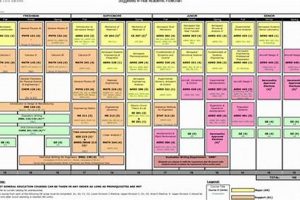
Tip 3: Scrutinize Curriculum Content: Examine the course descriptions and learning objectives to determine if the program covers the core areas of aerospace engineering, including aerodynamics, propulsion, structural analysis, and control systems. A robust curriculum is essential for building a solid foundation.
Tip 4: Investigate Faculty Qualifications: Research the faculty members teaching the online courses. Their academic credentials, industry experience, and teaching methodologies significantly influence the quality of the learning experience. Look for faculty with relevant research publications and professional affiliations.
Tip 5: Explore Available Support Resources: Determine the extent of technical support, academic advising, and career services offered by the institution. A strong support system can mitigate challenges and enhance the overall learning experience.
Tip 6: Manage Time Effectively: Online learning demands self-discipline and effective time management skills. Develop a structured study schedule and adhere to it consistently to avoid falling behind. Allocate specific time slots for lectures, assignments, and independent study.
Tip 7: Engage in Online Forums and Communities: Actively participate in online discussion forums and connect with fellow students. Collaborative learning and peer support can enhance understanding and provide valuable insights.
Adhering to these recommendations increases the likelihood of successfully navigating the complexities of acquiring an aerospace engineering education through remote learning, setting the stage for a promising career in this technologically advanced field.
The subsequent sections will address the potential career paths following graduation and provide guidance on navigating the job market within the aerospace sector.
1. Accreditation Standards

Accreditation standards serve as a critical benchmark for evaluating the quality and rigor of any academic program, and this is especially true for a bachelor’s degree in aerospace engineering delivered online. These standards, typically administered by recognized bodies like ABET (Accreditation Board for Engineering and Technology), provide assurance that the program adheres to a set of established criteria deemed essential for producing competent and qualified engineering graduates. The cause-and-effect relationship is clear: adherence to accreditation standards directly results in a higher quality of education, enhanced employability for graduates, and increased recognition within the aerospace industry. Without accreditation, a program’s credibility is questionable, potentially leading to limited career prospects and difficulties in pursuing advanced studies.
The importance of accreditation lies in its assessment of various program components. This includes evaluating faculty qualifications, curriculum content, laboratory facilities (or their online equivalents, such as simulation software), student support services, and continuous improvement mechanisms. For example, an ABET-accredited online aerospace engineering program must demonstrate that its curriculum covers fundamental areas like aerodynamics, propulsion, structural analysis, and control systems, meeting specific learning outcomes. Furthermore, the program must provide students with access to adequate resources for completing projects and engaging in research, even in a virtual environment. Practical significance is evidenced by employers often prioritizing graduates from accredited programs, as it signifies a standardized level of competency and knowledge.
In summary, accreditation standards are not merely a formality but a fundamental requirement for any prospective student considering an online bachelor’s degree in aerospace engineering. They provide a framework for ensuring program quality, enhancing career opportunities, and promoting trust within the aerospace community. Choosing an accredited program mitigates the risk of pursuing a substandard education, safeguarding the student’s investment of time and resources. The absence of accreditation should raise significant red flags and warrant thorough investigation before making an enrollment decision.
2. Curriculum Rigor
The successful completion of a bachelor’s degree in aerospace engineering, particularly within an online learning environment, is intrinsically linked to the rigor of the curriculum. Curriculum rigor, in this context, refers to the depth, breadth, and complexity of the subject matter, as well as the demands placed upon students to master it. A direct causal relationship exists: a rigorous curriculum directly contributes to the development of competent and capable aerospace engineers. A less demanding curriculum, conversely, may produce graduates lacking the necessary skills and knowledge to succeed in the industry. The importance of curriculum rigor stems from the highly technical and demanding nature of aerospace engineering. Graduates are expected to possess a solid understanding of complex concepts in areas such as aerodynamics, propulsion, structural analysis, and control systems.
For instance, a rigorous online aerospace engineering curriculum would not only cover the theoretical foundations of fluid dynamics but would also incorporate computational fluid dynamics (CFD) simulations, allowing students to apply their knowledge to real-world engineering problems. Similarly, the study of aerospace structures would extend beyond basic material properties to include advanced topics like finite element analysis (FEA) and composite materials. Practical significance becomes apparent when considering that aerospace engineers are responsible for designing and analyzing complex systems that must operate reliably under extreme conditions. A curriculum that adequately prepares students for these challenges enhances their ability to contribute meaningfully to the field.
In conclusion, curriculum rigor is a non-negotiable element of a quality online bachelor’s degree program in aerospace engineering. It is a direct determinant of graduate competence and employability. Challenges arise in translating the hands-on experiences traditionally found in on-campus programs to the online environment. However, innovations in simulation software, virtual laboratories, and remote access to experimental equipment can mitigate these challenges. The emphasis on a demanding and comprehensive curriculum remains paramount in ensuring the success of students pursuing aerospace engineering education online.
3. Faculty Expertise

The competence of the instructors is a pivotal determinant of educational quality, particularly within the context of a “bachelor aerospace engineering online.” Faculty expertise shapes the curriculum’s delivery, the depth of knowledge imparted, and the student’s overall learning experience. The availability of experienced and qualified faculty directly impacts the value and effectiveness of such a program.
- Subject Matter Mastery
Faculty members must possess comprehensive knowledge of core aerospace engineering principles, including aerodynamics, propulsion, structures, and control systems. Expertise should extend beyond theoretical understanding to encompass practical application and industry-relevant experience. For example, a faculty member specializing in aerodynamics should demonstrate proficiency in computational fluid dynamics (CFD) and wind tunnel testing, enabling them to effectively guide students through complex simulation and analysis projects. This ensures students acquire not only theoretical knowledge but also practical skills necessary for real-world engineering challenges.
- Online Pedagogy Proficiency
Effective online instruction necessitates a distinct skillset compared to traditional classroom teaching. Faculty must be adept at utilizing online learning platforms, designing engaging virtual lectures, facilitating online discussions, and providing constructive feedback remotely. For instance, a professor proficient in online pedagogy may employ interactive simulations, virtual labs, and collaborative online projects to enhance student engagement and knowledge retention. This expertise ensures that students receive a high-quality learning experience, despite the absence of a physical classroom environment.
- Research and Industry Engagement
Active involvement in research and industry collaborations allows faculty to remain at the forefront of technological advancements and emerging trends within aerospace engineering. Professors who conduct cutting-edge research can incorporate their findings into the curriculum, exposing students to the latest developments in the field. Similarly, industry partnerships provide opportunities for students to participate in real-world engineering projects, gaining valuable practical experience and networking opportunities. This engagement ensures that the curriculum remains relevant and aligned with the needs of the aerospace industry.
- Student Mentorship and Support
The ability to provide effective mentorship and support is crucial for student success in an online aerospace engineering program. Faculty members should be accessible to students, providing guidance on academic matters, career planning, and professional development. This may involve holding regular virtual office hours, responding promptly to student inquiries, and offering personalized feedback on assignments. Strong mentorship fosters a supportive learning environment, enabling students to overcome challenges and achieve their academic and professional goals.
The multifaceted nature of faculty expertise, encompassing subject matter mastery, online pedagogy proficiency, research engagement, and student mentorship, collectively contributes to the efficacy of a “bachelor aerospace engineering online.” The quality of the faculty is a critical determinant of program value and student success in this demanding field. Therefore, prospective students should carefully evaluate the qualifications and experience of the faculty when selecting an online aerospace engineering program.
4. Technology Infrastructure
The successful delivery of a “bachelor aerospace engineering online” program hinges critically on its underlying technology infrastructure. A robust and reliable technology infrastructure is not merely a convenience but a fundamental prerequisite for effective instruction and learning in this demanding field. Cause and effect are directly linked: inadequate technology infrastructure leads to a compromised educational experience, hindering the student’s ability to grasp complex engineering principles and apply them effectively. The importance of this component cannot be overstated, as it serves as the virtual laboratory, classroom, and collaboration space for students pursuing their degrees remotely. An illustrative example is the necessity of high-performance computing resources for running computationally intensive simulations in aerodynamics or structural analysis. Students lacking access to such resources would be severely limited in their ability to conduct meaningful analyses and design studies.
Further analysis reveals that the technology infrastructure must encompass several key elements. These include a learning management system (LMS) capable of delivering multimedia content and facilitating online discussions, specialized software for computer-aided design (CAD), computational fluid dynamics (CFD), and finite element analysis (FEA), and reliable communication tools for synchronous and asynchronous interaction between students and instructors. Moreover, the infrastructure must be scalable to accommodate increasing enrollment and adaptable to evolving technological advancements. Practical applications of this understanding extend to the selection of appropriate hardware and software platforms, the implementation of robust security protocols to protect sensitive data, and the provision of adequate technical support to ensure seamless operation. For example, a university may invest in a virtual desktop infrastructure (VDI) to provide students with remote access to specialized software applications, regardless of their personal computer’s capabilities.
In conclusion, the technology infrastructure constitutes a foundational element of any credible “bachelor aerospace engineering online” program. Its adequacy directly influences the quality of education and the graduate’s preparedness for the demands of the aerospace industry. Challenges remain in ensuring equitable access to technology for all students and in keeping the infrastructure up-to-date with the rapid pace of technological change. However, prioritizing investment in robust technology infrastructure is essential for institutions committed to delivering high-quality aerospace engineering education in the online environment. The selection of a program with a demonstrated commitment to technology infrastructure is paramount for any prospective student.
5. Practical Application
The value of a “bachelor aerospace engineering online” is significantly enhanced through the incorporation of practical application components. The theoretical knowledge acquired in coursework must be translated into tangible skills relevant to the aerospace industry. A direct causal link exists between the inclusion of practical experiences and the graduate’s preparedness for entry-level engineering roles. Without opportunities to apply learned principles, graduates may lack the problem-solving abilities and design intuition necessary for success. Therefore, practical application serves as a critical bridge between academic theory and real-world engineering practice within an online educational context.
The integration of practical applications can take various forms within an online aerospace engineering program. Virtual laboratories offer simulated environments for conducting experiments and analyzing data, mirroring the hands-on experience found in traditional on-campus settings. Computer-aided design (CAD) projects provide opportunities for students to design and model aerospace components, fostering skills in engineering design and analysis. Furthermore, collaborative online projects allow students to work together on complex engineering challenges, developing teamwork and communication skills essential for professional practice. These elements reinforce theoretical knowledge and enable students to develop the practical skills demanded by employers.
In conclusion, practical application is an indispensable element of a high-quality “bachelor aerospace engineering online” program. It enables students to translate theoretical knowledge into tangible skills, enhancing their employability and preparing them for the demands of the aerospace industry. Challenges exist in replicating the full spectrum of hands-on experiences available in traditional programs, but innovative approaches such as virtual labs and collaborative online projects can effectively bridge this gap. The emphasis on practical application remains paramount in ensuring the success of graduates pursuing aerospace engineering education remotely.
6. Student Support
Student support serves as a crucial determinant of success in a “bachelor aerospace engineering online” program. The inherent challenges of remote learning, compounded by the demanding curriculum of aerospace engineering, necessitate a comprehensive support system. Deficiencies in student support directly correlate with increased attrition rates and diminished academic performance. Therefore, institutions offering such programs must prioritize the provision of robust resources tailored to the unique needs of online learners. An example of this would be access to dedicated online tutoring services specifically for aerospace engineering subjects, providing personalized assistance to students struggling with complex concepts. This directly addresses the potential isolation and lack of immediate assistance that can hinder progress in a remote learning environment. The practical significance of this understanding lies in the enhanced academic outcomes and increased graduation rates observed among students who actively utilize available support services.
Further analysis reveals that effective student support encompasses multiple facets. These include readily available technical assistance for navigating the online learning platform, access to academic advising services for course selection and career guidance, and opportunities for virtual interaction and collaboration with peers. Mentorship programs pairing students with experienced alumni or industry professionals can provide valuable insights and networking opportunities. Moreover, resources addressing student well-being, such as online counseling services or stress management workshops, are essential for mitigating the pressures of a rigorous academic program. Practical application involves the proactive promotion of these resources to students and the ongoing evaluation of their effectiveness in meeting student needs.
In conclusion, student support is not a peripheral amenity but a core component of a successful “bachelor aerospace engineering online” program. It mitigates the challenges of remote learning, fosters academic achievement, and promotes student well-being. Challenges remain in ensuring equitable access to support services for all students and in adapting support strategies to meet the evolving needs of the online learner. Nevertheless, prioritizing student support is paramount for institutions committed to delivering high-quality aerospace engineering education in the online environment, ultimately contributing to the success of graduates in this demanding and rewarding field.
7. Career Opportunities
Completion of a “bachelor aerospace engineering online” program opens pathways to various career opportunities within the aerospace industry and related sectors. The skills and knowledge acquired provide a foundation for roles involving design, development, testing, and analysis of aircraft, spacecraft, and related systems. These opportunities span both the public and private sectors, encompassing research institutions, government agencies, and commercial enterprises.
- Aerospace Engineer
Aerospace engineers are involved in the design, development, and testing of aircraft and spacecraft. Their work may include aerodynamic analysis, structural design, propulsion system development, and control system implementation. Graduates with this degree may find opportunities at companies like Boeing, Lockheed Martin, or SpaceX, contributing to the creation of new aircraft designs, satellite technologies, or space exploration vehicles. A successful aerospace engineer requires a strong understanding of engineering principles, analytical skills, and the ability to work effectively in teams.
- Avionics Engineer
Avionics engineers specialize in the design and development of electronic systems used in aircraft and spacecraft. These systems include navigation, communication, and flight control systems. This role often requires expertise in electrical engineering, computer science, and systems engineering. Graduates may find positions at companies specializing in avionics development or at airlines responsible for maintaining and upgrading aircraft electronics. Success in this field demands meticulous attention to detail, strong problem-solving skills, and the ability to integrate complex systems.
- Propulsion Engineer
Propulsion engineers focus on the design and development of engines and propulsion systems for aircraft and spacecraft. This involves understanding thermodynamics, fluid mechanics, and combustion processes. Graduates may work on designing jet engines for commercial aircraft, rocket engines for space launch vehicles, or alternative propulsion systems for future aerospace applications. A strong background in mechanical engineering and a passion for engine design are crucial for this role.
- Research and Development Engineer
Research and development engineers conduct research and develop new technologies for aerospace applications. This may involve working on advanced materials, novel propulsion systems, or innovative aircraft designs. Opportunities exist at research institutions, universities, and government agencies like NASA. This role requires a strong academic background, a curious mind, and the ability to conduct independent research.
These career paths represent a sampling of the opportunities available to graduates of a “bachelor aerospace engineering online” program. The specific roles and responsibilities may vary depending on the employer and the area of specialization. The demand for aerospace engineers is influenced by factors such as technological advancements, government spending on space exploration and defense, and the growth of the commercial aviation industry.
Frequently Asked Questions Regarding Online Aerospace Engineering Bachelor’s Degrees
The following addresses common inquiries surrounding the pursuit of a bachelor’s degree in aerospace engineering through online learning platforms. The responses aim to provide clarity and factual information to prospective students.
Question 1: Is an online bachelor’s degree in aerospace engineering considered equivalent to a traditional on-campus degree by employers?
The perceived equivalence largely depends on the accreditation status of the online program. An accredited program, particularly by ABET, signifies adherence to rigorous quality standards, often making it comparable to an on-campus degree in the eyes of employers. However, individual employer preferences may vary.
Question 2: What are the typical prerequisites for enrolling in an online aerospace engineering bachelor’s program?
Prerequisites commonly include a high school diploma or equivalent, successful completion of pre-calculus and physics courses, and satisfactory scores on standardized college entrance exams. Some institutions may also require a minimum GPA or specific prerequisite coursework at the college level.
Question 3: How is laboratory work conducted in an online aerospace engineering program?
Laboratory work is often facilitated through virtual simulations, remote access to physical laboratory equipment, or the use of specialized software tools for modeling and analysis. These methods aim to provide practical experience despite the absence of a physical laboratory environment. Some programs may also incorporate short, intensive on-campus laboratory sessions.
Question 4: Are online aerospace engineering programs self-paced?
The pacing of online aerospace engineering programs varies by institution. Some programs offer a fully self-paced format, allowing students to progress at their own speed. Others adhere to a structured schedule with set deadlines for assignments and exams. Hybrid approaches, combining elements of both self-paced and structured learning, are also common.
Question 5: What is the expected time commitment for completing an online aerospace engineering bachelor’s degree?
The typical duration for completing an online bachelor’s degree in aerospace engineering is four years, mirroring the standard timeframe for on-campus programs. However, the actual time commitment can vary depending on the student’s enrollment status (full-time or part-time), prior academic credits, and the program’s specific requirements.
Question 6: Are there specific software or hardware requirements for participating in an online aerospace engineering program?
Yes, specific software and hardware requirements are common. Students typically need a computer capable of running CAD, CAE, and simulation software. A stable internet connection is also essential. Institutions typically provide a list of recommended or required specifications for software and hardware.
In summary, pursuing a bachelor’s degree in aerospace engineering online requires careful consideration of program accreditation, prerequisites, and the methods used to facilitate practical learning. Understanding these factors enables prospective students to make informed decisions.
The next section will provide a comprehensive conclusion, summarizing the key aspects of pursuing this educational path.
Conclusion
This exposition has explored the multifaceted aspects of obtaining a bachelor’s degree in aerospace engineering through online modalities. Critical elements highlighted include the imperative of accreditation, the need for a rigorous and relevant curriculum, the significance of experienced faculty, the necessity of a robust technological infrastructure, the importance of practical application opportunities, and the provision of comprehensive student support. The information presented aims to provide a clear understanding of the considerations necessary for prospective students evaluating this educational path.
The decision to pursue a bachelor aerospace engineering online represents a significant investment of time and resources. Careful evaluation of program attributes is essential to ensure a high-quality education and maximize career prospects. As the aerospace industry continues to evolve, the demand for skilled engineers will likely remain strong, making informed educational choices paramount for future success in this dynamic field. A thorough investigation is advised before committing to a specific program.
![Top-Rated Aerospace Engineering Program [Your Future!] | Innovating the Future of Flight with Reliable Aviation Solutions](https://mixaerospace.com/wp-content/uploads/2026/05/th-403-300x200.jpg "Top-Rated Aerospace Engineering Program [Your Future!] Innovating the Future of Flight with Reliable Aviation Solutions")