Aerospace engineering, as a discipline, involves the design, development, testing, and production of aircraft, spacecraft, and related systems. Individuals considering this path often weigh factors such as job prospects, salary potential, and the inherent challenges and rewards associated with the profession. These considerations collectively determine whether the field aligns with personal career goals and aspirations.
The discipline contributes significantly to advancements in air travel, space exploration, and national defense. Historically, aerospace engineers have been instrumental in breakthroughs ranging from the development of the first airplanes to the design of complex satellite systems. The benefits of a career in this sector may include high earning potential, intellectual stimulation through complex problem-solving, and the satisfaction of contributing to cutting-edge technological innovation.
A comprehensive evaluation of the merits of this field requires an analysis of job market trends, educational requirements, potential career paths, and the skills necessary for success. Furthermore, an examination of the industry’s current state and future outlook provides essential context for those considering entry into the profession.
Considerations for Evaluating Aerospace Engineering as a Career Path
Individuals contemplating a career in aerospace engineering should carefully weigh several factors to determine if the field aligns with their skills, interests, and long-term career objectives. A thorough self-assessment and industry analysis are crucial steps.
Tip 1: Evaluate Aptitude in STEM Fields: A strong foundation in mathematics, physics, and computer science is essential. Success in aerospace engineering requires a deep understanding of these principles and the ability to apply them to complex engineering problems.
Tip 2: Assess Interest in Design and Innovation: Aerospace engineers are constantly pushing the boundaries of technology. A genuine interest in design, innovation, and problem-solving is crucial for sustained engagement and career satisfaction.
Tip 3: Research Job Market Trends: Investigate the current and projected demand for aerospace engineers in various sectors, including commercial aviation, defense, and space exploration. Understanding industry trends can inform career choices and specialization decisions.
Tip 4: Consider Educational Requirements: A bachelor’s degree in aerospace engineering or a related field is typically the minimum requirement. Advanced degrees, such as a master’s or doctorate, may be necessary for specialized roles or research positions.
Tip 5: Examine Salary Expectations: Research the average salary for aerospace engineers in different regions and industries. Salary levels often correlate with experience, education, and specific job responsibilities.
Tip 6: Explore Career Paths: Aerospace engineering offers a wide range of career paths, including design engineering, manufacturing engineering, research and development, and project management. Understanding the different roles available can help individuals identify their area of interest.
Tip 7: Evaluate Job Security and Stability: Factors such as government spending on defense and space programs, as well as the health of the commercial aviation industry, can influence job security in the field.
Careful consideration of these factors will provide a comprehensive understanding of the opportunities and challenges associated with a career in aerospace engineering. Such diligence will enable individuals to make informed decisions that align with their personal and professional goals.
The decision to pursue aerospace engineering requires a thoughtful analysis of one’s capabilities, interests, and career aspirations. Continued research and networking within the aerospace community are valuable steps in solidifying this decision.
1. Job Market

The state of the job market significantly influences any assessment of aerospace engineering as a viable career path. A robust job market indicates high demand for aerospace engineers, leading to increased employment opportunities and competitive salaries. Conversely, a weak job market can result in limited job openings, lower salaries, and increased competition among job seekers. Consequently, the job market’s strength directly impacts the attractiveness of aerospace engineering as a career.
The aerospace industry is subject to fluctuations driven by factors such as government spending on defense and space programs, the health of commercial aviation, and technological advancements. For example, increased investment in space exploration by both government agencies and private companies, such as SpaceX and Blue Origin, has created numerous job opportunities for aerospace engineers in recent years. Similarly, the resurgence of the commercial aviation sector following periods of economic downturn translates to increased demand for engineers to design, manufacture, and maintain aircraft.
Monitoring job market trends within the aerospace industry is essential for prospective engineers. Analyzing data on employment growth, salary ranges, and the geographical distribution of job openings provides valuable insights into the long-term viability of an aerospace engineering career. Therefore, a comprehensive understanding of the job market is crucial for determining whether aerospace engineering presents favorable career prospects.
2. Salary Potential
The financial compensation associated with a career significantly influences the overall assessment of aerospace engineering as a desirable field. Salary potential reflects the economic value placed on the specialized skills and knowledge possessed by aerospace engineers.
- Experience and Education:
Entry-level positions typically offer lower salaries, while more experienced engineers with advanced degrees command higher compensation. For instance, an engineer with a doctorate and 10 years of experience in a specialized area, such as propulsion systems, can expect a significantly higher salary than a recent graduate with a bachelor’s degree. The investment in advanced education and continued professional development is often directly correlated with increased earning potential, bolstering the attractiveness of the field for long-term financial security.
- Industry Sector:
Different sectors within the aerospace industry offer varying levels of compensation. For example, engineers working in the defense sector, particularly on classified projects, may earn more than those in commercial aviation. Furthermore, companies in the private space exploration sector, such as SpaceX and Blue Origin, often offer competitive salaries to attract top talent. The choice of industry sector, therefore, becomes a crucial factor in evaluating potential earnings within the field.
- Geographical Location:
Salary levels also vary based on geographical location, reflecting the cost of living and the demand for aerospace engineers in specific regions. States with a strong aerospace presence, such as California, Washington, and Texas, typically offer higher salaries to attract and retain skilled professionals. The decision to relocate for a job in a high-demand area can significantly impact an engineer’s earning potential and overall financial well-being.
- Specialized Skills and Expertise:
Engineers with expertise in niche areas, such as advanced materials, autonomous systems, or cybersecurity for aerospace systems, are often in high demand and can command premium salaries. The acquisition of specialized skills through training, certifications, and experience makes an engineer more valuable to employers and enhances their earning potential. The field’s continuous evolution demands continuous learning, making specialized expertise a pathway to higher compensation.
These factors collectively contribute to the salary potential within aerospace engineering. This potential directly influences its attractiveness as a career by affecting financial security and potential for upward mobility. Therefore, an evaluation of the earnings landscape provides crucial insights when assessing the overall value of pursuing a career in this field. The industry’s demand for innovation coupled with specialized skillset is a key determinant on how attractive this career is.
3. Intellectual Challenge
The level of intellectual stimulation and problem-solving inherent in a profession is a key determinant of career satisfaction and long-term engagement. In the context of evaluating aerospace engineering as a career path, the intellectual challenge it presents is a significant factor for consideration.
- Complex Problem-Solving
Aerospace engineering demands the ability to address intricate and multifaceted problems, ranging from optimizing aircraft aerodynamics to designing spacecraft propulsion systems. The field requires a deep understanding of physics, mathematics, and engineering principles, combined with creative problem-solving skills to develop innovative solutions. For example, designing a heat shield for a spacecraft re-entering Earth’s atmosphere necessitates accounting for extreme temperatures, pressures, and material properties. This requires an engineer to apply theoretical knowledge to a practical problem, pushing the boundaries of existing technology.
- Continuous Learning and Adaptation
The aerospace industry is characterized by rapid technological advancements, requiring engineers to continually update their knowledge and skills. This continuous learning environment presents a constant intellectual challenge, demanding adaptability and a willingness to embrace new concepts and technologies. For instance, the increasing use of artificial intelligence and machine learning in aerospace systems requires engineers to develop expertise in these areas to remain competitive and effective in their roles.
- Design and Innovation
Aerospace engineering involves the design and development of novel systems and technologies, pushing the boundaries of what is currently possible. This aspect of the profession presents a significant intellectual challenge, requiring engineers to think creatively and develop innovative solutions to complex problems. Developing a new type of aircraft engine that is more efficient and environmentally friendly demands engineers to explore new materials, combustion techniques, and design approaches. This requires a high level of ingenuity and technical expertise.
- System Integration and Analysis
Aerospace engineers are responsible for integrating various components and systems into a cohesive and functional whole. This requires a deep understanding of system-level interactions and the ability to analyze complex data to ensure optimal performance and reliability. Integrating a new avionics system into an existing aircraft, for example, requires engineers to consider the system’s compatibility with existing hardware and software, as well as its impact on the aircraft’s overall performance and safety. This involves extensive testing and analysis to ensure that the integrated system meets all performance requirements.
The intellectual challenges inherent in aerospace engineering contribute significantly to its appeal as a career for individuals seeking stimulating and rewarding work. The combination of complex problem-solving, continuous learning, design innovation, and system integration provides a fulfilling career path for those with a passion for engineering and a desire to make a tangible impact on the world.
4. Industry Impact
The tangible contributions of aerospace engineering to society, often termed “Industry Impact,” directly influence its perceived value as a career path. The extent to which the field contributes to advancements in technology, safety, and societal progress informs the attractiveness of aerospace engineering to prospective professionals.
- Advancements in Air Travel
Aerospace engineering has revolutionized air travel, leading to safer, faster, and more efficient aircraft. Innovations in aerodynamics, propulsion systems, and materials have enabled the development of aircraft capable of transporting large numbers of passengers over long distances with minimal fuel consumption. The industry’s constant pursuit of improved aircraft design has demonstrably enhanced global connectivity and economic growth. Such significant impact solidifies the field as a potentially rewarding career choice for those seeking to shape the future of transportation.
- Exploration of Space
Aerospace engineers are instrumental in designing and building spacecraft, satellites, and launch vehicles that facilitate space exploration. These efforts contribute to scientific discoveries, technological advancements, and a deeper understanding of the universe. The development of reusable rockets and advanced propulsion systems expands access to space, enabling further exploration and potential colonization efforts. The profound impact of space exploration on scientific knowledge and technological innovation strengthens the argument for aerospace engineering as a valuable and impactful profession.
- National Defense
Aerospace engineering plays a critical role in national defense by developing advanced military aircraft, missile systems, and surveillance technologies. These advancements enhance national security and provide a technological edge in defense capabilities. Engineers contribute to the design and development of unmanned aerial vehicles (UAVs), advanced radar systems, and electronic warfare technologies. The industry’s contribution to national security and defense capabilities reinforces its importance as a field with significant societal impact.
- Technological Spin-offs
Aerospace engineering research and development often lead to technological spin-offs that benefit other industries. Materials, software, and systems initially developed for aerospace applications frequently find uses in medicine, transportation, and consumer products. Carbon fiber composites, originally designed for aircraft structures, are now used in sporting goods and medical devices. The transfer of aerospace technologies to other sectors demonstrates the broad impact of the field and its ability to drive innovation across various industries. This widespread influence strengthens the justification for aerospace engineering as a profession with lasting societal benefits.
The cumulative effect of these advancements reinforces the idea that aerospace engineering offers opportunities to make a tangible difference in the world. The industry’s contributions to transportation, exploration, defense, and technology transfer solidify its position as a field with substantial and enduring societal impact, therefore making it an appealing field for prospective professionals.
5. Educational Investment
Educational investment, encompassing the financial and temporal resources required to obtain the necessary qualifications, plays a pivotal role in determining the attractiveness of aerospace engineering as a career path. The magnitude of this investment, when weighed against potential returns, significantly influences an individual’s decision to pursue this field.
- Tuition Costs and Fees
Obtaining a degree in aerospace engineering necessitates significant financial investment in tuition and related fees. The cost varies depending on the institution, ranging from state-funded universities to private colleges. High tuition costs can create a financial burden for students, potentially deterring individuals from pursuing this field. For instance, the average cost of a four-year aerospace engineering program at a private university can exceed \$200,000. The perceived value of the degree must therefore justify this substantial financial outlay for it to be deemed a worthwhile educational investment.
- Time Commitment
The academic rigor of aerospace engineering requires a substantial time commitment, extending beyond classroom hours to include extensive study, laboratory work, and project development. A typical bachelor’s degree program spans four years, demanding consistent effort and dedication. Furthermore, some specialized roles may require advanced degrees, such as a Master’s or Ph.D., increasing the time investment. The opportunity cost of foregoing immediate employment and income for several years of study represents a significant factor in evaluating the overall attractiveness of the field. The length of the degree can determine if aerospace engineering is a good field for you.
- Specialized Training and Certifications
Beyond formal degrees, aerospace engineering often necessitates specialized training and certifications to enhance employability and expertise in specific areas. These certifications may involve attending workshops, completing online courses, or undergoing on-the-job training programs. The costs associated with these supplemental educational opportunities add to the overall educational investment. For example, obtaining a certification in computational fluid dynamics (CFD) or finite element analysis (FEA) may require additional fees and time commitment, which must be factored into the equation when assessing the value of aerospace engineering as a career.
- Lost Income During Studies
The decision to pursue an aerospace engineering degree often entails foregoing potential income from immediate employment. The earnings that could have been generated during the years spent in university represent a significant opportunity cost. This lost income must be considered when evaluating the overall educational investment. For instance, if an individual could have earned \$40,000 per year in an alternative profession, the total lost income over four years would amount to \$160,000. This amount must be weighed against the potential future earnings and career satisfaction associated with aerospace engineering to determine if the investment is justified.
The factors of costs and time associated with educational investment highlight its central role in assessing the overall merits of aerospace engineering as a career field. Potential benefits such as compensation, job satisfaction, and industry impact have to exceed that investment to be a great field.
6. Job Satisfaction

Job satisfaction serves as a critical metric in evaluating aerospace engineering as a desirable career field. It encapsulates an individual’s overall contentment with their professional life, encompassing factors beyond mere financial compensation. High job satisfaction correlates with increased productivity, reduced turnover rates, and a greater sense of fulfillment, making it a pivotal consideration for prospective aerospace engineers.
- Intellectual Stimulation and Challenge
The extent to which aerospace engineering provides intellectual stimulation directly impacts job satisfaction. Engaging in complex problem-solving, designing innovative systems, and pushing technological boundaries can foster a sense of accomplishment and purpose. When engineers find their work mentally stimulating, they are more likely to experience job satisfaction. For example, designing a new propulsion system for a spacecraft or optimizing the aerodynamics of an aircraft presents significant intellectual challenges that, when overcome, can contribute to a sense of professional fulfillment. Conversely, repetitive or mundane tasks can lead to dissatisfaction, diminishing the perceived value of the profession.
- Contribution to Societal Advancement
Job satisfaction is often linked to the perception that one’s work contributes positively to society. Aerospace engineering, with its role in advancing air travel, space exploration, and national defense, can provide a strong sense of societal contribution. Engineers who believe their work has a tangible impact on improving lives, advancing scientific knowledge, or enhancing national security are more likely to experience job satisfaction. Designing more fuel-efficient aircraft, developing satellite technologies for improved communication, or creating advanced defense systems all represent potential avenues for contributing to societal advancement, thereby enhancing job satisfaction.
- Work-Life Balance
The ability to maintain a healthy work-life balance significantly influences job satisfaction. Demanding workloads, long hours, and frequent travel can negatively impact an engineer’s personal life, leading to burnout and reduced job satisfaction. Companies that prioritize employee well-being and offer flexible work arrangements are more likely to retain satisfied employees. The demanding nature of aerospace engineering projects often requires extended work hours, making it essential for individuals to assess their ability to manage these demands and maintain a healthy work-life balance. If this balance is not achievable, the field may be perceived as less desirable, regardless of its intellectual or societal contributions.
- Opportunities for Growth and Advancement
The availability of opportunities for professional growth and advancement within aerospace engineering directly impacts job satisfaction. Engineers who perceive clear career paths, opportunities for skill development, and chances to take on increasing responsibilities are more likely to be satisfied with their jobs. Companies that invest in employee training, provide mentorship programs, and offer promotion opportunities foster a positive work environment and enhance job satisfaction. Limited opportunities for growth can lead to stagnation and dissatisfaction, diminishing the perceived value of the field.
The interplay between these factors shapes an individual’s overall perception of aerospace engineering as a fulfilling and desirable career. High job satisfaction, driven by intellectual challenge, societal contribution, work-life balance, and growth opportunities, strengthens the argument for the field being a “good” choice. Conversely, low job satisfaction diminishes its appeal, highlighting the need for prospective engineers to carefully consider these elements when evaluating their career options.
Frequently Asked Questions Regarding Aerospace Engineering as a Career
The following addresses prevalent inquiries concerning the merits of a career in aerospace engineering, aiming to provide clarity for prospective professionals.
Question 1: Is aerospace engineering a financially rewarding career choice?
Financial compensation in aerospace engineering is generally competitive, reflecting the specialized skills and knowledge required. However, earnings vary based on experience, education level, industry sector (e.g., defense, commercial aviation, space exploration), and geographical location. Advanced degrees and specialized expertise often command higher salaries.
Question 2: What are the primary challenges encountered by aerospace engineers?
Aerospace engineers often face complex technical challenges, demanding innovative solutions within stringent safety and performance constraints. The field requires continuous learning to keep pace with rapidly evolving technologies. Additionally, project deadlines and budget limitations can present significant pressure.
Question 3: What is the typical career progression for an aerospace engineer?
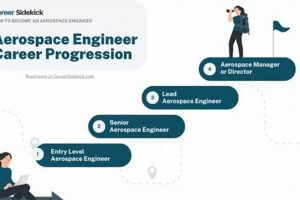
Entry-level positions commonly involve design, testing, or manufacturing roles. With experience, engineers may progress to project management, lead engineering positions, or specialized research roles. Advancement often requires continuous professional development and the acquisition of advanced degrees or certifications.
Question 4: How secure is employment within the aerospace industry?
Employment stability in the aerospace industry is subject to fluctuations influenced by government spending on defense and space programs, the health of the commercial aviation sector, and overall economic conditions. Diversification across different sectors can mitigate the impact of economic downturns in specific areas.
Question 5: What skills are most crucial for success in aerospace engineering?
Essential skills include a strong foundation in mathematics, physics, and computer science. Proficiency in CAD software, computational fluid dynamics (CFD), and finite element analysis (FEA) is also highly valued. Effective communication, teamwork, and problem-solving abilities are equally important.
Question 6: What is the environmental impact of the aerospace industry, and how are engineers addressing it?
The aerospace industry’s environmental impact stems from emissions and noise pollution. Aerospace engineers are actively working to mitigate these effects by developing more fuel-efficient engines, exploring alternative fuels, designing quieter aircraft, and optimizing air traffic management systems.
In summary, a career in aerospace engineering presents both opportunities and challenges. Success requires a combination of technical expertise, adaptability, and a commitment to continuous learning. Careful consideration of these factors is essential for making an informed career decision.
The subsequent section will delve into future trends shaping the aerospace engineering landscape.
Conclusion
The preceding analysis explored the multifaceted dimensions of aerospace engineering as a potential career. Factors such as job market dynamics, salary expectations, intellectual demands, societal impact, educational investment, and job satisfaction were examined to provide a comprehensive perspective. The industry’s contribution to technological advancements, national security, and space exploration were also considered.
Ultimately, determining if aerospace engineering is a fitting career necessitates a thorough self-assessment and a realistic appraisal of the industry landscape. Future professionals must weigh the challenges and rewards carefully, recognizing the commitment required for success in this demanding but vital field. Further research into evolving industry trends and specific areas of interest within aerospace engineering is highly recommended to assist with this decision.