Aerospace engineering, while a field of significant innovation and technological advancement, presents several potential drawbacks for individuals considering this career path. These challenges encompass factors such as intense competition for positions, demanding educational requirements, and the potential for limited career mobility within specific specializations. Further considerations include the impact of economic fluctuations on industry stability and the ethical complexities that can arise in the development and deployment of aerospace technologies.
Understanding the potential difficulties associated with this profession is crucial for informed decision-making. A realistic assessment of these challenges allows prospective engineers to prepare adequately, mitigating potential negative consequences and optimizing their chances of success. Historically, awareness of these drawbacks has led to the development of strategies for career diversification and the pursuit of advanced degrees to enhance professional resilience.
The following sections will explore these multifaceted difficulties in greater detail, examining the impact of market volatility, the pressures of continuous learning, the stringent regulatory landscape, and the potential for work-related stress. A thorough understanding of these facets allows a more nuanced perspective on the realities of navigating a career in this demanding field.
Mitigating Challenges in Aerospace Engineering
A comprehensive understanding of the difficulties inherent in aerospace engineering allows for proactive measures to minimize their impact on one’s career trajectory.
Tip 1: Diversify Skill Sets: Obtain expertise in multiple areas, such as software engineering or data analysis, to enhance adaptability and career options beyond traditional aerospace roles. For example, proficiency in computational fluid dynamics (CFD) coupled with machine learning skills increases employability in diverse sectors.
Tip 2: Pursue Advanced Education: Consider a master’s or doctoral degree to specialize in a niche area and increase competitiveness in the job market. A Ph.D. in a specific area, such as hypersonic aerodynamics, can open doors to research and development positions.
Tip 3: Develop Strong Networking Skills: Actively participate in industry conferences, join professional organizations like AIAA, and cultivate relationships with established engineers to expand professional connections and gain insights into industry trends.
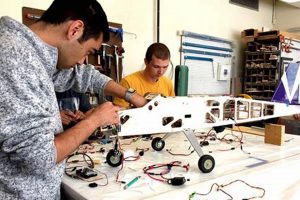
Tip 4: Gain Practical Experience: Seek internships or co-op opportunities to acquire hands-on experience and demonstrate practical skills to potential employers. Participating in projects like designing and building a small UAV can showcase tangible skills.
Tip 5: Continuously Update Knowledge: Engage in lifelong learning through online courses, workshops, and industry publications to stay abreast of technological advancements and maintain professional relevance. Familiarizing oneself with new materials like advanced composites is essential.
Tip 6: Prioritize Work-Life Balance: Implement strategies for managing stress and maintaining a healthy work-life balance to prevent burnout and enhance overall well-being. This includes setting boundaries and prioritizing personal time.
Tip 7: Understand Regulatory Requirements: Develop a thorough understanding of the stringent regulations and certification processes within the aerospace industry to ensure compliance and ethical practice. Knowledge of FAA regulations is crucial for many roles.
By actively addressing the previously mentioned difficulties associated with aerospace engineering, aspiring professionals can improve their career prospects and navigate the field with greater resilience.
The conclusion will offer a summarizing statement and a final thought regarding the overall subject matter.
1. Market Volatility

Market volatility exerts a considerable influence on the aerospace engineering sector, contributing substantially to the disadvantages associated with this profession. Economic downturns, geopolitical instability, and fluctuations in government spending directly impact the demand for aerospace products and services. This variability in demand subsequently affects employment opportunities, project funding, and overall job security within the industry. The cyclical nature of the aerospace market can lead to periods of hiring freezes, layoffs, and project cancellations, creating instability for engineers and related professionals. For instance, reduced airline profitability following economic recessions translates to fewer aircraft orders, thus diminishing opportunities for aerospace manufacturing and design engineers. Furthermore, shifts in national defense priorities can result in budget cuts for military aerospace programs, impacting engineers working on defense-related projects.
The importance of understanding market volatility within the context of aerospace engineering stems from the need for professionals to proactively manage career risks and adapt to changing industry conditions. Engineers who possess a diverse skillset, including expertise in areas beyond traditional aerospace disciplines such as software engineering or data analysis, are better positioned to navigate market downturns. Likewise, pursuing advanced degrees or certifications can enhance an engineer’s competitiveness in a fluctuating job market. Real-world examples of companies diversifying into related sectors, such as space tourism or unmanned aerial vehicle (UAV) development, demonstrate strategies for mitigating the impact of market volatility. Engineers who acquire expertise in these emerging fields are likely to experience greater career resilience.
In conclusion, market volatility constitutes a significant challenge within the aerospace engineering field. Its impact extends beyond mere economic inconvenience, influencing career stability and the overall trajectory of the profession. By acknowledging this inherent instability and adopting proactive measures such as skills diversification and continuous professional development, aerospace engineers can effectively mitigate the associated disadvantages and enhance their long-term career prospects.
2. Intense Competition

Intense competition represents a significant contributing factor to the disadvantages faced by aerospace engineers. The field attracts highly skilled and motivated individuals, leading to a saturation of qualified candidates vying for limited positions. This competitive environment exerts pressure on aspiring and established engineers alike, manifesting in several tangible disadvantages. Firstly, starting salaries may be depressed relative to the demanding educational requirements and technical expertise necessary for entry into the profession. Secondly, securing desirable roles, particularly within prestigious companies or specialized research areas, becomes exceedingly difficult. For example, positions at organizations like NASA or SpaceX often receive hundreds or even thousands of applications, requiring candidates to possess exceptional qualifications and demonstrable achievements. Furthermore, the pressure to constantly improve skills and knowledge intensifies as engineers compete for promotions and recognition within their organizations.
The effects of intense competition are not limited to the initial stages of an aerospace engineer’s career. Experienced professionals also face ongoing pressure to maintain their expertise and remain competitive in a rapidly evolving technological landscape. This necessitates a continuous investment in professional development through advanced coursework, certifications, and engagement with industry conferences. Failure to keep pace with advancements can result in diminished career prospects and increased vulnerability to layoffs or demotions. Moreover, the competitive environment can foster a culture of long working hours and high stress levels, potentially leading to burnout and negatively impacting work-life balance. The pursuit of promotions and recognition may incentivize individuals to prioritize individual achievement over collaboration, undermining teamwork and innovation within organizations. Instances of engineers working excessive hours to meet deadlines or improve performance evaluations are not uncommon, highlighting the tangible consequences of this relentless competition.
In summary, intense competition significantly exacerbates the challenges inherent in aerospace engineering. It contributes to lower starting salaries, limited job opportunities, increased pressure for continuous professional development, and potential for burnout. Understanding the ramifications of this competitive environment is critical for aspiring and established aerospace engineers alike. Proactive strategies for mitigating these disadvantages include developing a diversified skillset, pursuing advanced education, and prioritizing work-life balance. By acknowledging and addressing the challenges posed by intense competition, engineers can enhance their long-term career prospects and navigate the field with greater resilience.
3. Strict Regulations

Stringent regulatory frameworks govern the aerospace industry, significantly contributing to various disadvantages experienced by aerospace engineers. These regulations, imposed by governmental bodies and international organizations, aim to ensure safety, security, and environmental compliance. While essential, they create operational complexities and potential drawbacks for professionals in the field.
- Increased Development Costs and Time
Compliance with stringent regulations necessitates extensive testing, documentation, and certification processes, increasing the overall cost and time required to develop and deploy new aerospace technologies. This can hinder innovation and delay the introduction of potentially beneficial products and services. For example, the development of a new aircraft engine requires rigorous testing to meet FAA standards, adding significant expense and extending the development timeline.
- Bureaucratic Processes and Paperwork
Navigating the complex regulatory landscape often involves extensive bureaucratic processes and voluminous paperwork, diverting engineers’ time and resources from core design and development activities. This administrative burden can be particularly onerous for smaller companies or startups lacking dedicated regulatory compliance teams. For instance, obtaining certification for a new unmanned aerial system (UAS) requires submitting detailed documentation and undergoing multiple inspections, consuming substantial engineering resources.
- Limited Design Freedom and Innovation
Strict regulations can constrain design freedom and stifle innovation by imposing specific requirements and limitations on aerospace product development. Engineers may be forced to prioritize regulatory compliance over performance optimization or the exploration of novel design concepts. An example is the mandatory use of certain materials or manufacturing processes, even if alternative approaches could potentially offer improved performance or cost savings, but lack regulatory approval.
- Risk of Non-Compliance and Penalties
Failure to comply with stringent regulations can result in severe penalties, including fines, project delays, and even revocation of licenses or certifications. This creates a high-stakes environment for engineers and organizations, demanding meticulous attention to detail and a strong commitment to regulatory compliance. The Challenger disaster, for example, highlighted the catastrophic consequences of regulatory lapses and the importance of rigorous adherence to safety standards.
The facets discussed above underscore how strict regulations, while crucial for ensuring safety and reliability, can generate tangible disadvantages within aerospace engineering. Increased costs, bureaucratic hurdles, limited design freedom, and the risk of non-compliance contribute to a challenging environment for professionals seeking to innovate and advance the field. Recognizing and addressing these regulatory burdens is essential for fostering a sustainable and competitive aerospace industry.
4. Ethical Dilemmas
Ethical dilemmas, arising from the inherent nature of aerospace engineering, represent a significant facet of its inherent disadvantages. These dilemmas often stem from the dual-use nature of aerospace technologies, where advancements intended for civilian applications can also be utilized for military purposes. This ambiguity introduces moral complexities for engineers tasked with designing and developing systems that could potentially be used in offensive operations or to cause harm. The ethical challenge manifests as a conflict between professional obligations to employers and a personal commitment to upholding ethical principles. For example, an engineer designing a missile guidance system may grapple with the moral implications of contributing to a weapon capable of inflicting casualties. This can lead to psychological distress and a sense of moral compromise, contributing to job dissatisfaction and potential burnout.
Furthermore, the development and deployment of advanced aerospace technologies raise broader ethical considerations related to environmental impact, resource allocation, and global security. The aerospace industry’s contribution to greenhouse gas emissions, noise pollution, and depletion of scarce resources creates ethical quandaries regarding sustainability and responsible innovation. The allocation of significant resources to aerospace projects, particularly in the defense sector, raises questions about opportunity costs and whether those resources could be better utilized to address pressing social needs. Real-world examples include debates surrounding the ethical implications of autonomous weapon systems (AWS) and the potential for unintended consequences arising from their use. The development of such systems forces aerospace engineers to confront questions about accountability, human control, and the potential for escalation in armed conflicts. Navigating these ethical issues requires engineers to possess a strong moral compass, critical thinking skills, and the ability to engage in open and transparent dialogue with stakeholders.
In summary, ethical dilemmas constitute a critical, often overlooked, disadvantage of aerospace engineering. These dilemmas arise from the inherent dual-use nature of aerospace technologies, environmental concerns, and the potential for unintended consequences. Addressing these ethical challenges requires a commitment to responsible innovation, ethical leadership, and ongoing dialogue within the industry. Aerospace engineers must be equipped with the tools and resources necessary to navigate complex ethical situations and make informed decisions that align with both professional obligations and personal values, mitigating potential psychological distress and promoting a more ethical and sustainable future for the field.
5. Continuous Learning

Continuous learning is not merely a desirable attribute but a fundamental requirement within aerospace engineering. The rapid pace of technological advancement and the evolving demands of the industry necessitate ongoing education and skill development. This constant need for adaptation presents a distinct set of disadvantages for aerospace professionals.
- Financial Burden
The pursuit of continuous learning often incurs significant financial costs. Advanced coursework, certifications, and industry conferences demand a substantial investment, potentially straining personal finances. For example, specialized software training or acquiring expertise in new materials like composite structures can be expensive, requiring engineers to allocate significant resources to maintain their professional edge.
- Time Constraints and Work-Life Imbalance
Balancing professional responsibilities with the demands of continuous learning can lead to significant time constraints and an erosion of work-life balance. Engineers may need to dedicate evenings and weekends to coursework or self-study, sacrificing personal time and potentially increasing stress levels. Maintaining currency with emerging technologies like artificial intelligence or advanced propulsion systems requires consistent effort outside of regular working hours, adding to the professional burden.
- Obsolescence of Skills
Even with continuous learning, there remains a risk of skill obsolescence. The rapid emergence of new technologies and methodologies can render previously acquired skills less relevant, requiring engineers to constantly adapt and retool their expertise. The shift towards electric propulsion systems, for instance, may necessitate that engineers with expertise in traditional combustion engines acquire new skills in electrical engineering and battery technology to remain competitive.
- Pressure to Stay Ahead
The need for continuous learning fosters a highly competitive environment where engineers feel constant pressure to stay ahead of the curve. This can lead to increased stress, anxiety, and a fear of falling behind. The pressure to master new software tools, understand emerging regulations, and keep abreast of cutting-edge research can create a sense of overwhelm and contribute to burnout.
In conclusion, while continuous learning is essential for success in aerospace engineering, it also introduces a range of disadvantages related to financial strain, time constraints, the risk of skill obsolescence, and increased professional pressure. Recognizing and proactively addressing these challenges is critical for aerospace engineers to maintain their well-being and navigate the demands of a rapidly evolving field.
Frequently Asked Questions Regarding the Difficulties in Aerospace Engineering
This section addresses common inquiries concerning the less favorable aspects of pursuing a career in aerospace engineering. It aims to provide clarity and informed perspectives on challenges within the field.
Question 1: Is job security a concern in aerospace engineering?
Job security can be affected by market fluctuations and government spending priorities. Economic downturns may lead to project cancellations and workforce reductions. Therefore, diversifying skills and adapting to industry changes are critical for maintaining career stability.
Question 2: How competitive is the job market for aerospace engineers?
The aerospace engineering field is highly competitive, with numerous qualified candidates vying for limited positions. Securing desirable roles often requires advanced degrees, specialized skills, and relevant experience. Continuous professional development is essential for standing out in the job market.
Question 3: What are the ethical considerations aerospace engineers might face?
Aerospace engineers may encounter ethical dilemmas related to the dual-use nature of aerospace technologies. Designing systems for military applications raises concerns about contributing to potential harm. Balancing professional responsibilities with ethical principles requires careful consideration and moral awareness.
Question 4: How demanding is the continuous learning aspect of aerospace engineering?
The rapid pace of technological advancement necessitates continuous learning in aerospace engineering. Engineers must invest time and resources in acquiring new skills and knowledge to remain relevant. The constant need for adaptation can create time constraints and financial burdens.
Question 5: How do strict regulations impact the work of aerospace engineers?
Stringent regulations impose complexities and challenges on aerospace product development. Compliance with regulatory standards requires extensive testing, documentation, and certification processes. Navigating the regulatory landscape demands meticulous attention to detail and adherence to established protocols.
Question 6: Does aerospace engineering present opportunities for career advancement?
While aerospace engineering offers opportunities for career progression, advancement often requires specialized expertise and leadership skills. Engineers must demonstrate a commitment to continuous improvement and a willingness to take on challenging projects to advance within their organizations.
The preceding questions highlight key considerations related to potential disadvantages in aerospace engineering. Understanding these challenges allows prospective engineers to make informed decisions and prepare for the realities of the profession.
The subsequent section will provide insights into potential career paths within the field, acknowledging both the rewarding and challenging aspects.
Conclusion
This exploration has illuminated the multifaceted difficulties inherent within aerospace engineering. Market volatility, intense competition, strict regulations, ethical dilemmas, and the imperative of continuous learning represent substantial challenges that prospective and current professionals must confront. These drawbacks impact job security, career progression, work-life balance, and overall professional well-being. Understanding the complexities of these disadvantages is essential for informed decision-making and proactive career management within this demanding field.
Recognizing the potential pitfalls associated with aerospace engineering empowers individuals to develop mitigation strategies and pursue fulfilling careers. Addressing these challenges through skills diversification, advanced education, ethical awareness, and a commitment to lifelong learning fosters resilience and adaptability. Acknowledging the realities of the profession promotes a more realistic and sustainable approach to navigating the aerospace industry, ultimately contributing to its continued innovation and progress. Future analyses may benefit from exploring specific strategies for overcoming these challenges, offering actionable insights for aspiring and practicing aerospace engineers.