Opportunities for students pursuing careers in flight vehicle design and construction are available during the warmer months of the year 2023. These placements provide hands-on experience in applying theoretical knowledge to real-world challenges within the aeronautics and astronautics fields. For example, students might assist in wind tunnel testing, contribute to computational fluid dynamics simulations, or support the development of new aircraft components.
Participation in such programs offers numerous advantages. It allows students to build professional networks, gain practical skills valued by employers, and refine their career interests. Historically, these experiences have served as a crucial stepping stone for many aspiring aerospace professionals, leading to full-time employment and successful careers in the industry. The experiences gained often accelerate career progression and contribute to innovation within the field.
The following sections will delve into specific program types, application strategies, and the skills sought by organizations offering these valuable learning opportunities. Further discussion will cover successful applicant profiles and insights into maximizing the benefits derived from these immersive work experiences.
Tips for Securing Opportunities
The subsequent guidelines are intended to enhance the likelihood of successfully obtaining a position in aerospace-related programs during the designated period.
Tip 1: Early Application is Crucial: Initiate the application process well in advance of stated deadlines. Many organizations operate on a rolling admission basis, increasing competitiveness for later applicants.
Tip 2: Tailor Resumes and Cover Letters: Generic applications are less effective. Customize each document to highlight specific skills and experiences that align with the requirements of each individual program.
Tip 3: Demonstrate Relevant Project Experience: Emphasize involvement in extracurricular projects, research initiatives, or academic coursework that demonstrates practical application of aerospace engineering principles. Examples include participation in design-build-fly competitions or involvement in rocketry clubs.
Tip 4: Highlight Technical Skills: Clearly articulate proficiency in relevant software, programming languages, and engineering tools. Examples include CAD software (e.g., SolidWorks, CATIA), simulation tools (e.g., ANSYS, MATLAB), and programming languages (e.g., Python, C++).
Tip 5: Network Strategically: Attend industry events, career fairs, and university-hosted information sessions to connect with recruiters and industry professionals. Networking can provide valuable insights into available opportunities and application strategies.
Tip 6: Seek Feedback: Before submitting applications, solicit feedback from career services advisors, professors, or industry mentors. Constructive criticism can identify areas for improvement and strengthen the overall application package.
Tip 7: Prepare for Technical Interviews: Anticipate technical questions related to fundamental aerospace engineering concepts, such as aerodynamics, propulsion, and structural mechanics. Practice answering these questions clearly and concisely.
Diligent application of these tips can significantly improve the chances of success. Proactive preparation and a targeted approach are essential for navigating the competitive landscape.
The following sections will explore successful applicant profiles and offer advice on maximizing the educational and professional benefits derived from these practical experiences.
1. Eligibility Requirements

Eligibility requirements constitute a fundamental gateway to securing positions related to flight vehicle design and development during the summer of 2023. These stipulations are designed to ensure that candidates possess the foundational knowledge and skills necessary to contribute meaningfully to ongoing projects and to benefit from the practical learning experience.
- Academic Standing
Many programs stipulate a minimum grade point average (GPA) or require enrollment in a relevant degree program, such as aerospace, mechanical, or electrical engineering. This criterion serves as an indicator of the applicant’s foundational understanding of engineering principles and academic aptitude. For example, a program may require a minimum GPA of 3.0 and completion of coursework in fluid mechanics or thermodynamics. Failure to meet these academic benchmarks typically results in disqualification from consideration.
- Citizenship or Visa Status
Due to security concerns and export control regulations, some positions are restricted to citizens or permanent residents of specific countries. Other programs may require a specific visa type that permits employment in the host country. These restrictions are particularly common in programs involving sensitive technologies or government contracts. For instance, a program working on classified defense projects might only accept applications from US citizens.
- Technical Skills and Experience
While the primary aim is to provide practical learning, a baseline level of technical competence is often expected. This may include proficiency in specific software packages (e.g., CAD, MATLAB), familiarity with engineering principles, or prior experience with relevant projects. For example, a program focused on composite materials design might require experience with finite element analysis software or participation in a student composite manufacturing project. This demonstrates a proactive approach to acquiring practical experience.
- Security Clearance
Certain opportunities, especially those within defense or government agencies, necessitate a security clearance. Obtaining a clearance can be a lengthy process involving background checks and investigations. Applicants should be prepared to undergo this process if required. The level of clearance needed will vary depending on the sensitivity of the information and the tasks involved in the program. For example, access to classified data might require a Secret or Top Secret clearance, potentially extending the application timeline.
Adherence to eligibility criteria is paramount for successful application submission. These requirements serve as filters, ensuring that those participating in programs related to aerospace endeavors in the summer of 2023 possess the requisite qualifications and security profiles to contribute effectively and responsibly.
2. Project Scope
The breadth and depth of assigned tasks during aerospace-related experiential learning opportunities in the summer of 2023, directly influence the quality and impact of the experience. The project scope dictates the specific skills and knowledge students acquire, shaping their professional development. A well-defined project scope ensures focused learning, allowing for demonstrable contributions. Conversely, an ill-defined or overly broad scope can result in diluted experiences and limited tangible outcomes. For instance, an student tasked with designing a specific component of an unmanned aerial vehicle (UAV) will develop targeted expertise in CAD software, materials selection, and structural analysis. A more nebulous assignment, such as “assisting with UAV development,” lacks specificity and hinders the acquisition of deep technical skills.
The nature of the project scope can range from highly theoretical simulations to hands-on hardware development and testing. A project focused on computational fluid dynamics (CFD) simulations of aircraft wing designs allows students to refine their understanding of aerodynamics and numerical modeling. Alternatively, a project involving the assembly and testing of satellite communication systems provides experience in electronics, communication protocols, and integration processes. Each type of project offers distinct learning opportunities and caters to different career interests within the aerospace domain. The selection of projects aligned with individual career goals is crucial for maximizing the return on investment in these valuable learning experiences.
In summary, the project scope is a critical determinant of the value derived from summer 2023 aerospace-related programs. A clearly defined, technically challenging, and career-relevant project ensures targeted skill development, practical experience, and a tangible contribution to the field. Challenges arise when projects lack specificity or fail to align with the student’s interests and abilities. Optimizing the project scope is therefore essential for both students and host organizations, ensuring a mutually beneficial and impactful learning experience. This, in turn, contributes to a stronger workforce for the aerospace sector.
3. Skill Development

Summer placements in aerospace engineering provide focused opportunities to cultivate essential competencies. These experiential learning environments facilitate the acquisition and refinement of technical and professional skills critical for success in the aerospace industry. The specific skills developed are largely dependent on the nature of the project assignments and the organization’s focus. The following lists important competencies that are improved or developed during an internship.
- Technical Proficiency
These opportunities enable the practical application of theoretical knowledge gained through academic coursework. Specific technical skills developed might include proficiency in CAD software for designing aerospace components, expertise in computational fluid dynamics (CFD) for simulating airflow around aircraft, or hands-on experience with materials testing and analysis. Interns may also gain expertise in data acquisition, signal processing, or control systems, depending on the specific project objectives.
- Problem-Solving Abilities
Real-world engineering challenges often lack straightforward solutions. Summer opportunities provide a platform for developing critical thinking and problem-solving skills. Interns learn to identify problems, analyze data, develop potential solutions, and evaluate their effectiveness. They must also learn to adapt to unexpected challenges and work collaboratively to overcome obstacles, fostering resourcefulness and resilience.
- Communication and Collaboration
Aerospace engineering projects often involve multidisciplinary teams. These experiences emphasize the importance of effective communication and collaboration. Interns learn to communicate technical information clearly and concisely, both verbally and in writing. They also develop skills in teamwork, conflict resolution, and cross-functional collaboration, crucial for working effectively within large organizations.
- Project Management Fundamentals
Exposure to aerospace engineering projects introduces interns to the fundamentals of project management. This includes defining project scope, setting goals, managing timelines, and tracking progress. Interns may gain experience with project management software and learn to apply industry-standard project management methodologies. This provides valuable insight into the planning, execution, and control of complex engineering projects.
The development of these skills is directly linked to the types of projects undertaken during the summer. For instance, an internship focused on designing a satellite component would likely enhance proficiency in CAD software and materials selection, while an opportunity in flight testing would emphasize data acquisition and analysis skills. The synergistic combination of theoretical knowledge and practical application through these placements equips aspiring aerospace engineers with the essential skill set needed to excel in their future careers.
4. Networking Opportunities
Summer placements in aerospace engineering provide structured avenues for professional networking, offering significant long-term career benefits. These experiences facilitate connections that extend beyond the duration of the engagement, fostering relationships with industry professionals, peers, and potential future employers.
- Direct Interaction with Industry Professionals
Students have the opportunity to work alongside experienced engineers, scientists, and managers. This direct interaction facilitates the exchange of knowledge, insights, and career advice. For example, working on a project with a senior engineer allows for mentorship and the development of professional relationships. Such relationships often lead to letters of recommendation, career guidance, and potential job offers upon graduation. Attending internal presentations and meetings also exposes interns to a broader range of professionals within the organization.
- Exposure to Company Culture and Values
Through networking, students gain insight into the culture, values, and operational dynamics of the host organization. Attending company events, participating in team-building activities, and interacting with employees at various levels provides a firsthand understanding of the work environment. This insight is invaluable for determining whether the organization is a good fit for long-term employment. It also allows students to assess the company’s commitment to innovation, employee development, and ethical practices.
- Peer Networking and Collaboration
Summer experiences often involve cohorts of fellow students, creating a peer network that can extend throughout one’s career. Collaborating on projects, sharing experiences, and exchanging contact information fosters a sense of community and provides access to a broader network of talented individuals. These peer connections can serve as valuable resources for future job searches, knowledge sharing, and professional support. These networks also extend beyond specific organizations, encompassing students from different universities and backgrounds.
- Recruitment Pipelines and Future Employment Prospects
Many organizations utilize these programs as a recruitment pipeline, identifying and cultivating potential future employees. Strong performance and effective networking can significantly enhance prospects for full-time employment upon graduation. Actively engaging with recruiters, attending career fairs, and expressing interest in future opportunities demonstrate initiative and increase the likelihood of receiving a job offer. These relationships can also provide a competitive advantage in the job application process, as recruiters often prioritize candidates they have interacted with previously.
In summary, the networking aspects of these programs are as valuable as the technical experience gained. The connections made can open doors to future opportunities and provide a strong foundation for a successful career in the aerospace sector. Proactive engagement in networking activities is essential for maximizing the benefits of such placements.
5. Career Advancement

Participation in aerospace-related work experience initiatives during the summer of 2023 serves as a catalyst for subsequent career progression. These practical engagements provide a structured pathway for students and recent graduates to acquire industry-relevant skills, build professional networks, and gain a competitive edge in the job market. The experience gleaned from these programs translates directly into enhanced career opportunities and accelerated professional development.
- Enhanced Employability
The acquisition of practical skills and hands-on experience significantly enhances employability. Aerospace companies often prioritize candidates who have demonstrated their ability to apply theoretical knowledge in a real-world setting. Previous completion of aerospace internship demonstrates a commitment to the field and provides concrete examples of technical competence. This provides a competitive advantage in the job search process and increases the likelihood of securing full-time employment upon graduation.
- Accelerated Professional Development
These placements accelerate professional development by exposing individuals to the realities of the aerospace industry. Exposure to industry practices, technologies, and challenges provides a foundation for rapid skill development and career advancement. Gaining direct experience reduces the learning curve when transitioning into a full-time role. Employees who have completed such programs are often able to contribute more effectively and efficiently from the outset, leading to faster promotion opportunities.
- Targeted Skill Acquisition
Aerospace internships enable targeted skill acquisition aligned with specific career interests. Opportunities focused on design, testing, or manufacturing allow students to develop specialized expertise in their chosen area. For example, an placement focused on computational fluid dynamics (CFD) analysis allows a student to hone skills directly applicable to roles in aerodynamic design. This targeted skill development makes individuals highly competitive for specialized roles within the aerospace sector. This focussed experience provides relevant skills that are difficult to simulate in traditional academic environment.
- Networking and Mentorship Opportunities
These programs provide structured networking and mentorship opportunities that can significantly impact career trajectory. Building relationships with industry professionals, engineers, and managers provides access to valuable career guidance and support. Mentors can offer insights into career paths, skill development strategies, and industry trends. Networking can also lead to job referrals and opportunities that are not publicly advertised, expanding career horizons.
In conclusion, summer placements in aerospace engineering provide a demonstrable pathway to career advancement. The acquisition of practical skills, accelerated professional development, targeted skill acquisition, and networking opportunities collectively contribute to enhanced employability and career prospects. Active participation in these programs represents a strategic investment in one’s future success in the dynamic and competitive aerospace sector.
Frequently Asked Questions
The following section addresses common inquiries regarding experiential learning opportunities in aerospace engineering for the summer of 2023. The responses aim to provide clear and concise information to prospective applicants.
Question 1: What are the typical duration of aerospace-related programs?
The duration of these opportunities generally ranges from 8 to 12 weeks, coinciding with the typical summer academic break. Some programs may offer extended durations, depending on project requirements and organizational needs. Precise durations are typically specified in the program descriptions.
Question 2: Is financial compensation typically provided?
Compensation policies vary among organizations. Some positions are paid, offering a competitive hourly wage or stipend. Others may be unpaid, providing academic credit or valuable practical experience in lieu of financial remuneration. The compensation structure, if any, is usually disclosed in the program details.
Question 3: What academic backgrounds are typically considered?
While aerospace engineering students are the primary target, students from related disciplines such as mechanical engineering, electrical engineering, computer science, and physics are often considered. The specific academic requirements depend on the nature of the project and the skills required.
Question 4: Are programs available for international students?
Opportunities for international students exist, but eligibility is often contingent on visa requirements and security regulations. Some programs are restricted to citizens or permanent residents of specific countries. International applicants should carefully review the eligibility criteria and visa requirements before applying.
Question 5: What are the key skills sought by employers?
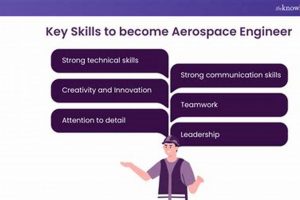
Employers generally seek candidates with a strong academic record, proficiency in relevant software and tools, experience with project-based learning, and effective communication skills. Specific skills sought may include CAD software proficiency, CFD analysis expertise, programming skills, and knowledge of aerospace engineering principles.
Question 6: How can one maximize the benefits of participation?
To maximize benefits, proactive engagement in projects, active networking with professionals, seeking mentorship, and demonstrating a strong work ethic are crucial. Documenting accomplishments and reflecting on learning experiences can also contribute to long-term career development.
These FAQs provide a general overview of important considerations. Specific program details should be consulted for precise information.
The following section summarizes key takeaways and provides concluding thoughts.
Conclusion
The exploration of “aerospace engineering internships summer 2023” reveals a competitive landscape requiring strategic preparation. These experiences provide invaluable practical skills, networking opportunities, and a pathway to career advancement within the aerospace sector. Eligibility requirements, project scope, and skill development opportunities are critical factors in maximizing the benefits derived from these placements. Successful applicants demonstrate strong academic performance, relevant technical skills, and a proactive approach to professional development.
Aspiring aerospace professionals are encouraged to initiate their search and application processes early, tailoring their applications to specific program requirements and actively engaging in networking activities. The pursuit of these experiential learning opportunities represents a significant investment in a future career within the aerospace industry, contributing to innovation and progress within the field. Diligence, preparation, and a targeted approach are essential for navigating this competitive landscape and securing a position that aligns with individual career aspirations.