Doctoral study in aeronautical and astronautical engineering within the United Kingdom represents an advanced academic pursuit. This postgraduate qualification signifies a high level of expertise in the design, development, testing, and production of aircraft and spacecraft. Successful completion of this course typically involves several years of intensive research, culminating in a dissertation demonstrating original and significant contributions to the field.
Obtaining this qualification from a UK institution provides several advantages. The UK has a strong history of innovation in aviation and space technologies, resulting in internationally recognized university departments and research facilities. Graduates often find employment in academia, research and development organizations, or in the aerospace industry. Moreover, the rigorous research training equips individuals with strong analytical and problem-solving skills valued across a wide range of sectors.
The following sections will delve into specific aspects of undertaking this advanced study, including application procedures, funding opportunities, potential research areas, and career prospects for graduates. This information aims to provide a comprehensive overview for prospective candidates considering this rigorous but rewarding path.
Essential Considerations for Doctoral Studies in Aeronautical and Astronautical Engineering in the UK
Prospective candidates for doctoral programs in aeronautical and astronautical engineering within the United Kingdom should carefully consider several factors to maximize their chances of success. These tips are designed to guide applicants through the application process and the subsequent research phase.
Tip 1: Research the Available Programs: Thoroughly investigate the research specializations of different university departments. Identify faculty members whose research interests align with your own. Tailor your application to demonstrate an understanding of their work and how your research proposal complements it.
Tip 2: Develop a Strong Research Proposal: The research proposal is a crucial component of the application. Clearly define the research question, outline the proposed methodology, and articulate the expected outcomes. A well-defined proposal demonstrates your preparedness and intellectual curiosity.
Tip 3: Secure Funding: Doctoral studies require significant financial resources. Explore all available funding options, including university scholarships, research council grants (e.g., EPSRC), and industry sponsorships. Begin the funding application process well in advance of the program start date.
Tip 4: Demonstrate Academic Excellence: A strong academic record is essential. Pay close attention to achieving high grades in relevant undergraduate and postgraduate coursework. Consider publishing research papers in peer-reviewed journals to showcase research capabilities.
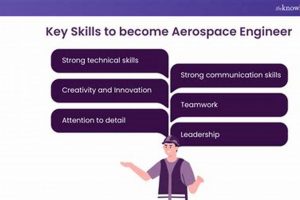
Tip 5: Cultivate Strong Communication Skills: Effective communication is vital for doctoral research. Practice presenting research findings, writing clear and concise reports, and engaging in academic discussions. Participation in conferences and workshops can enhance these skills.
Tip 6: Network with Professionals in the Field: Attending industry events and connecting with professionals can provide valuable insights into current research trends and potential career paths. Networking can also lead to research collaborations and mentorship opportunities.
Tip 7: Prioritize Time Management and Organization: Doctoral research demands effective time management and organizational skills. Develop a structured work plan, set realistic goals, and regularly monitor progress. Seek guidance from supervisors to address challenges and maintain momentum.
By focusing on these key areas, prospective doctoral candidates can significantly improve their prospects for admission and successfully navigate the challenges of advanced research in aeronautical and astronautical engineering within the UK context.
The next section will provide insights into potential research areas of focus.
1. Program Accreditation
Program accreditation serves as a vital mechanism for ensuring the quality and standards of doctoral programs in aeronautical and astronautical engineering within the United Kingdom. This process provides an external validation of the program’s curriculum, resources, and overall effectiveness in preparing graduates for advanced research and professional practice.
- Ensuring Quality and Standards
Accreditation bodies, often professional engineering institutions, assess programs against established criteria. This evaluation covers areas such as curriculum content, teaching methodologies, research infrastructure, and student support services. Successful accreditation indicates that the program meets rigorous benchmarks and adheres to best practices in aerospace education. Accreditation confirms to prospective students that the program offers a high-quality learning experience and enhances their credibility in the job market.
- Facilitating International Recognition
Accreditation can facilitate the international recognition of qualifications. Programs accredited by reputable bodies often have their degrees recognized by professional organizations and regulatory agencies in other countries. This recognition is particularly important for graduates seeking employment or pursuing further studies internationally. Reciprocity agreements between accreditation bodies in different countries can further streamline the process of degree recognition.
- Enhancing Employer Confidence
Employers in the aerospace industry often prioritize candidates with degrees from accredited programs. Accreditation signals that graduates have received a comprehensive education and possess the knowledge and skills required to contribute effectively to the workforce. Companies may use accreditation as a screening criterion during the hiring process, as it provides a reliable indicator of a candidate’s preparedness for professional practice.
- Promoting Continuous Improvement
The accreditation process encourages continuous improvement in program design and delivery. Programs undergo periodic reviews and evaluations, which provide opportunities to identify areas for enhancement. Feedback from students, faculty, and industry stakeholders is incorporated into the review process. Accreditation requirements incentivize institutions to invest in resources and infrastructure to support high-quality research and education in aeronautical and astronautical engineering.
In conclusion, program accreditation significantly impacts doctoral studies in aeronautical and astronautical engineering in the UK. It provides a framework for ensuring quality, facilitating international recognition, enhancing employer confidence, and promoting continuous improvement. Selecting an accredited program can provide students with a competitive advantage and enhance their prospects for a successful career in the aerospace industry.
2. Funding availability

Financial support is a critical determinant for prospective doctoral candidates in aeronautical and astronautical engineering within the UK. The pursuit of advanced research typically necessitates several years of dedicated study, rendering funding availability a pivotal factor in both accessing and completing such a program.
- Research Council Grants
Government-backed research councils, such as the Engineering and Physical Sciences Research Council (EPSRC), offer funding opportunities to support doctoral research. These grants often cover tuition fees, living expenses, and research costs. Competition for these grants is typically intense, requiring a strong academic record and a compelling research proposal. Successful applicants gain access to substantial financial resources, enabling them to focus on their research without financial constraints.
- University Scholarships
Universities frequently offer scholarships to attract high-caliber doctoral students. These scholarships may be merit-based or targeted toward specific research areas. The value of university scholarships can vary, ranging from partial tuition fee waivers to full funding packages. Scholarship awards are often contingent upon maintaining satisfactory academic progress throughout the doctoral program. Securing a university scholarship enhances the prestige of the doctoral student and provides financial stability.
- Industry Sponsorships
The aerospace industry actively invests in doctoral research, providing sponsorships to promising students working on projects of relevance to their business interests. Industry sponsorships often involve collaborative research projects, allowing students to gain practical experience and build relationships with potential employers. These sponsorships may include financial support, access to industry facilities, and mentorship from industry experts. Obtaining an industry sponsorship enhances the employability of doctoral graduates and fosters innovation within the aerospace sector.
- Charitable Trusts and Foundations
Various charitable trusts and foundations provide funding for postgraduate education and research. These organizations may have specific eligibility criteria, such as nationality, research topic, or social impact. Funding from charitable trusts and foundations can supplement other sources of financial support, enabling students to pursue research projects that might otherwise be unaffordable. Securing funding from these sources requires careful alignment of the research proposal with the organization’s mission and priorities.
The accessibility of financial support profoundly shapes the landscape of doctoral studies in aeronautical and astronautical engineering within the UK. A diverse funding ecosystem, encompassing government grants, university scholarships, industry sponsorships, and charitable contributions, empowers talented individuals to pursue advanced research, thereby driving innovation and progress in the aerospace sector. The ability to secure adequate funding is paramount for ensuring the successful completion of a doctoral program and maximizing its impact on the candidate’s future career trajectory.
3. Research Specialization

Within the realm of doctoral studies in aeronautical and astronautical engineering in the UK, research specialization is a paramount consideration. The selection of a specific research area dictates the trajectory of the doctoral program and shapes the candidate’s expertise and future career prospects.
- Aerodynamics and Fluid Mechanics
This specialization focuses on the study of air and other fluids in motion, particularly as they interact with aircraft and spacecraft. Research in this area might involve developing advanced computational fluid dynamics (CFD) models, investigating novel aerodynamic designs for improved fuel efficiency, or exploring the behavior of hypersonic flows for future space vehicles. Such specializations prepare graduates for roles in aircraft design, wind tunnel testing, and aerospace research facilities.
- Propulsion and Combustion
This area addresses the principles and technologies behind powering aircraft and spacecraft. Research might encompass developing more efficient jet engines, exploring alternative fuels, or designing advanced rocket propulsion systems. Doctoral studies in this specialization equip individuals for careers in engine design, combustion research, and the development of space launch technologies.
- Structures and Materials
This specialization is concerned with the design and analysis of aerospace structures, as well as the development and application of advanced materials. Research could focus on composite materials, structural health monitoring, or the optimization of aircraft and spacecraft structures for weight and performance. Graduates with this expertise are sought after in aircraft manufacturing, structural design firms, and research institutions focusing on material science.
- Control and Robotics
This area deals with the design and implementation of control systems for aircraft, spacecraft, and autonomous vehicles. Research may involve developing advanced flight control algorithms, designing autonomous navigation systems, or creating robotic systems for space exploration. Doctoral studies in this specialization prepare individuals for roles in avionics design, robotics development, and autonomous systems engineering.
In summary, the choice of research specialization significantly influences the direction and impact of a doctoral program in aeronautical and astronautical engineering in the UK. It is essential for prospective candidates to carefully consider their interests and career aspirations when selecting a research area, ensuring that their doctoral studies align with their long-term goals and contribute meaningfully to the advancement of aerospace technology.
4. Faculty Expertise
The strength of a doctoral program in aeronautical and astronautical engineering within the United Kingdom is intrinsically linked to the expertise of its faculty. The faculty’s knowledge base, research experience, and guidance directly shape the quality of the doctoral education and the subsequent career trajectories of graduates.
- Mentorship and Research Direction
Faculty members serve as mentors, guiding doctoral students through the complexities of research. Their experience in the field informs the direction of research projects, ensuring that students tackle relevant and challenging problems. For example, a faculty member specializing in computational fluid dynamics might guide a student in developing novel algorithms for simulating airflow around complex aircraft geometries. Without experienced mentorship, students may struggle to define research scope, navigate methodological challenges, and interpret results effectively.
- Access to Research Resources and Networks
Faculty expertise often translates into access to advanced research facilities and extensive professional networks. Seasoned professors may have established relationships with industry partners, government agencies, and international research institutions. These connections can provide doctoral students with opportunities for collaborative projects, access to specialized equipment, and exposure to real-world aerospace challenges. A faculty member involved in a NASA-funded project, for instance, could facilitate a student’s participation in the research, enhancing their learning experience and expanding their professional network.
- Curriculum Development and Innovation
Faculty expertise is crucial for developing a curriculum that is both rigorous and relevant to the evolving needs of the aerospace industry. Experienced professors can incorporate cutting-edge research findings and emerging technologies into their courses, ensuring that doctoral students acquire the knowledge and skills necessary to succeed in their careers. For instance, a faculty member with expertise in additive manufacturing might introduce a new course on the design and fabrication of aerospace components using 3D printing techniques. Such curriculum innovation ensures that graduates possess a competitive advantage in the job market.
- Publication and Recognition
Faculty leadership in research publications enhances the visibility and prestige of the “aerospace engineering phd uk” programs. Their guidance helps doctoral candidates refine and publish their research, increasing their profiles, showcasing the program’s quality, and thus, attracting further talent and funding. Experienced faculty often have high citation records and lead influential research groups, bolstering the university’s reputation and attracting top-tier students.
The level of faculty expertise is a critical factor in evaluating a doctoral program in aeronautical and astronautical engineering in the UK. It impacts mentorship quality, access to resources, curriculum development, and program recognition. Prospective students should carefully consider the research interests and professional backgrounds of faculty members when selecting a doctoral program, as their expertise will significantly influence their academic and professional development.
5. Career prospects

The pursuit of doctoral studies in aeronautical and astronautical engineering within the United Kingdom is intrinsically linked to the prospective career paths available to graduates. The advanced knowledge and research skills acquired during doctoral training significantly enhance employment opportunities and open doors to specialized roles within the aerospace sector and beyond.
- Academia and Research Institutions
A doctoral degree is often a prerequisite for pursuing a career in academia. Graduates may seek positions as postdoctoral researchers, lecturers, or professors at universities or research institutions. These roles involve conducting original research, teaching undergraduate and postgraduate courses, and mentoring students. Within the “aerospace engineering phd uk” context, this may lead to leading research groups in areas such as advanced materials, propulsion systems, or flight control, contributing to the cutting-edge of aerospace technology.
- Aerospace Industry
The aerospace industry provides a wide range of career opportunities for doctoral graduates. They may be employed by aircraft manufacturers, space agencies, or technology companies in roles such as design engineer, research scientist, or systems engineer. The “aerospace engineering phd uk” equips individuals with specialized knowledge and skills in areas such as aerodynamics, structural analysis, or propulsion systems, allowing them to contribute to the development of innovative aerospace technologies. For example, a graduate may be involved in designing more efficient aircraft wings, developing advanced satellite communication systems, or working on the next generation of space launch vehicles.
- Government and Regulatory Agencies
Government agencies and regulatory bodies related to aviation and space exploration also employ doctoral graduates. These organizations often require expertise in areas such as air traffic control, safety regulations, and environmental impact assessment. The “aerospace engineering phd uk” provides individuals with the technical knowledge and analytical skills to contribute to policy-making and regulatory oversight in the aerospace sector. A graduate might work on developing new safety standards for aircraft operations, assessing the environmental impact of rocket launches, or contributing to the development of national space policy.
- Consulting and Technology Firms
Consulting firms and technology companies that serve the aerospace industry also seek doctoral graduates with specialized knowledge and research skills. These roles may involve providing technical expertise to clients, conducting feasibility studies, or developing new technologies for the aerospace sector. The “aerospace engineering phd uk” equips individuals with the analytical and problem-solving skills to tackle complex engineering challenges and contribute to the success of consulting or technology projects. For example, a graduate may be involved in advising aerospace companies on strategies for improving efficiency, developing new software tools for aircraft design, or conducting research on emerging technologies for the aerospace sector.
The career prospects associated with an “aerospace engineering phd uk” are diverse and promising. From academia and research to industry and government, doctoral graduates have opportunities to make significant contributions to the advancement of aerospace technology and shape the future of the industry. The specific career path chosen depends on individual interests, skills, and career goals, but the advanced knowledge and research skills acquired during doctoral training provide a solid foundation for a successful and rewarding career in the aerospace sector.
Frequently Asked Questions
This section addresses common inquiries regarding doctoral programs in aeronautical and astronautical engineering within the UK. These questions aim to provide clarity on various aspects of pursuing advanced studies in this field.
Question 1: What prerequisites are typically required for admission to a doctoral program in aeronautical and astronautical engineering in the UK?
Applicants generally need a strong undergraduate degree (typically a first-class or upper second-class honors degree) in a relevant engineering or science discipline, such as aerospace engineering, mechanical engineering, physics, or mathematics. A master’s degree in a relevant field is often preferred, demonstrating research experience and advanced coursework.
Question 2: How long does it typically take to complete a doctoral program in aeronautical and astronautical engineering in the UK?
The duration of a doctoral program varies, but it commonly takes between three to four years of full-time study. This timeframe includes conducting original research, writing a dissertation, and defending it in an oral examination (viva voce).
Question 3: What are some potential research areas within aeronautical and astronautical engineering for doctoral study in the UK?
Potential research areas include aerodynamics, propulsion, structures and materials, control and robotics, space systems engineering, and sustainable aviation. Specific research topics depend on the faculty’s expertise and the university’s research focus.
Question 4: What funding opportunities are available for doctoral students in aeronautical and astronautical engineering in the UK?
Funding opportunities include research council grants (e.g., EPSRC), university scholarships, industry sponsorships, and charitable trusts. Competition for these funding sources is typically intense, and applicants are encouraged to apply early and present a strong research proposal.
Question 5: What are the key components of a successful doctoral research proposal in aeronautical and astronautical engineering?
A successful research proposal should clearly define the research question, outline the proposed methodology, articulate the expected outcomes, demonstrate the significance of the research, and highlight the applicant’s suitability for the project. A thorough literature review and a well-structured timeline are also essential.
Question 6: What career paths are typically available to graduates with a doctoral degree in aeronautical and astronautical engineering from a UK university?
Graduates can pursue careers in academia, research institutions, aerospace industry, government agencies, and consulting firms. Specific roles may include research scientist, design engineer, systems engineer, professor, or consultant.
In conclusion, pursuing a doctoral degree in aeronautical and astronautical engineering in the UK requires careful planning, strong academic qualifications, and a well-defined research focus. Understanding these FAQs provides a foundation for prospective candidates to make informed decisions and navigate the complexities of advanced study in this field.
The subsequent section will provide a summary of key considerations for those embarking on this academic journey.
Conclusion
This exploration has addressed critical aspects of advanced doctoral studies in aeronautical and astronautical engineering within the United Kingdom. Essential considerations encompass program accreditation, funding availability, faculty expertise, research specialization, and resultant career prospects. Each of these elements plays a crucial role in shaping the academic and professional trajectory of individuals pursuing this rigorous qualification.
Prospective candidates are encouraged to meticulously evaluate these factors and strategically align their aspirations with the opportunities presented by UK institutions. The commitment to thorough research and informed decision-making will significantly enhance the likelihood of a successful and impactful doctoral journey, ultimately contributing to the advancement of knowledge and innovation within the global aerospace community.