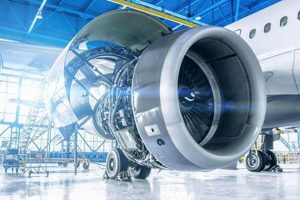
Positions within the aeronautics and astronautics sectors located in the state of Illinois encompass a broad spectrum of roles, ranging from engineering and manufacturing to research and development. These employment opportunities often require specialized skills and knowledge related to aircraft, spacecraft, and related technologies. For example, a mechanical engineer might design components for a commercial airliner manufactured in the state, while a data scientist could analyze performance data from satellite operations.
The availability of these positions is vital to Illinois’s economy, fostering innovation and attracting skilled professionals. The historical presence of significant aerospace manufacturers and research institutions within the state has created a strong foundation for continued growth in this field. This concentration of expertise also contributes to the state’s overall competitiveness in attracting federal funding and private investment.
The following sections will delve into specific aspects of the industry in Illinois, examining key employers, required skill sets, and educational pathways to pursue a career in this dynamic sector. Furthermore, it will address the current employment outlook and anticipated future trends within the state’s aeronautics and astronautics landscape.
Securing a position within the Illinois aeronautics and astronautics sector requires strategic planning and a proactive approach. The following are crucial guidelines for individuals seeking opportunities in this competitive field.
Tip 1: Target Key Employers: Identify companies with a significant presence in Illinois, such as Boeing, Collins Aerospace, and Woodward. Research their specific hiring needs and tailor applications accordingly. For example, Boeing’s St. Louis facilities often collaborate with Illinois-based teams on defense projects.
Tip 2: Emphasize Relevant Skills: Highlight expertise in areas such as aerospace engineering, avionics, materials science, and systems integration. Provide specific examples of projects where these skills were applied, quantifying achievements whenever possible. A portfolio showcasing successful design projects or simulations can be particularly effective.
Tip 3: Pursue Advanced Education and Certifications: A bachelor’s degree in a relevant engineering discipline is generally the minimum requirement for entry-level positions. Advanced degrees, such as a Master’s or Ph.D., can significantly enhance career prospects. Certifications related to specific software or hardware platforms are also valuable.
Tip 4: Network Actively: Attend industry conferences, career fairs, and professional organization meetings. Engage with engineers and recruiters to build connections and gain insights into unadvertised opportunities. University alumni networks can also be a valuable resource.
Tip 5: Research Government Opportunities: Explore potential employment with government agencies and research institutions that have a presence in Illinois, such as Argonne National Laboratory. These positions often offer unique research opportunities and contribute to cutting-edge advancements.
Tip 6: Tailor Your Resume and Cover Letter: Generic applications are rarely successful. Carefully review each job description and customize your resume and cover letter to directly address the specific requirements and preferences outlined by the employer. Highlight relevant experience and quantify achievements whenever possible.
Adhering to these guidelines will significantly increase the likelihood of successfully navigating the competitive market and securing a fulfilling role in Illinois’s thriving aeronautics and astronautics industry.
The subsequent sections will explore specific companies and resources available to aid in this pursuit, providing a more detailed roadmap for a successful career trajectory.
1. Engineering Design

Engineering design is a cornerstone of aeronautics and astronautics-related positions within Illinois. The creation and refinement of aircraft, spacecraft, and related systems are fundamentally dependent on skilled engineers capable of translating theoretical concepts into practical, functional designs. This process encompasses a broad range of specializations, including aerodynamic design, structural analysis, propulsion systems, and control systems. These engineers are critical in companies like Boeing, where they design aircraft components, and at research institutions, where they develop advanced propulsion technologies. The presence of these engineering roles directly drives the state’s contributions to both commercial and defense aerospace sectors.
The impact of robust engineering design extends beyond the initial creation of systems. Ongoing maintenance, upgrades, and troubleshooting necessitate a continuous cycle of design adaptation and problem-solving. For instance, engineers in Illinois might be involved in designing modifications to existing aircraft to improve fuel efficiency or enhance safety features. Furthermore, design engineers play a crucial role in adapting aerospace technologies for use in other industries, fostering innovation across multiple sectors. This iterative process requires a deep understanding of material properties, manufacturing processes, and regulatory requirements.
Ultimately, the availability of proficient engineering design positions in Illinois is a significant factor in attracting and retaining skilled professionals. The presence of these roles fuels the growth of related industries, such as manufacturing and research, and contributes to the state’s overall economic competitiveness. Challenges within this field include staying abreast of rapidly evolving technologies and effectively managing complex, interdisciplinary projects, necessitating continuous professional development and collaboration.
2. Manufacturing Processes

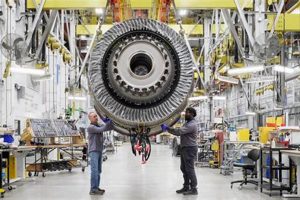
Manufacturing processes are intrinsically linked to aerospace jobs in Illinois, forming a critical component of the state’s aerospace industry. These processes encompass the fabrication, assembly, and testing of aircraft components, spacecraft parts, and related systems. The presence of robust manufacturing capabilities directly influences the availability and types of aerospace employment opportunities within Illinois. For instance, a company that manufactures specialized alloys for aircraft engines will require skilled machinists, quality control inspectors, and manufacturing engineers, creating a direct correlation between the existence of a specific manufacturing process and the creation of corresponding employment roles. The efficient and precise execution of these processes directly impacts the quality, reliability, and performance of aerospace products.
The significance of advanced manufacturing techniques, such as additive manufacturing (3D printing) and computer numerical control (CNC) machining, is increasingly important. Companies adopting these technologies require specialized personnel trained in their operation and maintenance. Illinois’s commitment to technological innovation is demonstrated through institutions like the Digital Manufacturing and Design Innovation Institute (DMDII), which foster the development and implementation of these advanced manufacturing processes. The practical application of these processes extends to the production of lightweight materials for aircraft, enhancing fuel efficiency, and the fabrication of custom components for space exploration, offering specialized skill-based roles.
In conclusion, the manufacturing landscape within Illinois directly shapes the landscape of aerospace-related employment. The state’s ability to attract and retain aerospace companies depends on its capacity to provide a skilled workforce proficient in these manufacturing processes. Challenges include adapting to automation, ensuring high precision and quality control, and remaining competitive in a global market. These considerations underscore the vital relationship between manufacturing processes and aerospace jobs in Illinois, highlighting the need for ongoing investment in workforce development and technological advancement to sustain and grow this crucial sector.
3. Research and Development
Research and Development (R&D) is an intrinsic component of the aerospace sector, and its presence in Illinois directly influences the quantity and quality of aeronautics and astronautics positions available within the state. R&D activities, spanning basic scientific inquiry to applied engineering development, create demand for specialized expertise. For example, the development of new composite materials for aircraft wings necessitates the involvement of materials scientists, engineers, and technicians, generating employment opportunities in research laboratories and manufacturing facilities. The existence of robust R&D programs serves as a catalyst for innovation, attracting both talent and investment to Illinois, further expanding the scope of the sector.
The impact of R&D on aeronautics and astronautics positions extends beyond direct research roles. The innovations generated through R&D often translate into new products, processes, and services, requiring a broader range of skills for their commercialization. For instance, the development of a novel sensor for satellite imaging might lead to the creation of new positions in software engineering, data analysis, and marketing. Furthermore, R&D activities contribute to the development of intellectual property, fostering a competitive advantage for Illinois-based companies and increasing their ability to attract government contracts and private funding. The presence of institutions like Argonne National Laboratory contributes significantly to R&D efforts within the state, leading to a ripple effect on employment opportunities in related industries.
In summary, Research and Development is a cornerstone of Illinois’ aerospace industry, driving innovation, attracting talent, and expanding the range of available career paths. A continued commitment to R&D is essential for maintaining the state’s competitiveness in this dynamic sector. Potential challenges include securing consistent funding for research initiatives, bridging the gap between research discoveries and commercial applications, and addressing the increasing demand for highly skilled professionals in emerging fields such as artificial intelligence and advanced materials. Addressing these challenges will be crucial for ensuring the continued growth and success of aeronautics and astronautics jobs in Illinois.
4. Systems Integration
Systems integration is a critical function within the aeronautics and astronautics industries, and its effective implementation directly influences the demand for specialized positions in Illinois. The aerospace sector is characterized by complex systems comprised of numerous interconnected components. Integrating these components, ranging from avionics and propulsion systems to communication networks and sensor arrays, requires a highly skilled workforce. Illinois, with its concentration of aerospace manufacturers and research institutions, relies heavily on systems integration expertise to maintain its competitiveness.
The practical application of systems integration in Illinois’ aerospace industry can be observed in various projects. For instance, the development of advanced aircraft requires integrating flight control systems, navigation systems, and communication systems. Similarly, the integration of satellite payloads with launch vehicles demands precise coordination and validation. Successful systems integration ensures that these components function seamlessly together, meeting performance requirements and safety standards. The failure of systems integration can lead to costly delays, performance degradation, or even catastrophic failures. Thus, the need for specialized systems integration engineers, technicians, and project managers is paramount for organizations operating within Illinois.
In conclusion, systems integration is not merely a technical process but a fundamental driver of employment opportunities in Illinois’ aerospace sector. The demand for professionals with expertise in systems architecture, interface design, testing, and verification will continue to grow as the aerospace industry embraces more complex and interconnected systems. Overcoming challenges related to interoperability, security, and scalability will be essential for ensuring the continued success and competitiveness of Illinois’ aerospace industry.
5. Regulatory Compliance

Regulatory compliance forms an indispensable pillar within the aeronautics and astronautics sectors, directly shaping the operational framework and influencing the availability and nature of specialized positions in Illinois. The industry operates under a stringent web of regulations designed to ensure safety, security, and environmental protection. This framework necessitates a dedicated workforce to navigate and adhere to these mandates.
- Federal Aviation Administration (FAA) Regulations
The FAA establishes and enforces regulations governing aircraft design, manufacturing, operation, and maintenance. Positions related to FAA compliance in Illinois include quality assurance engineers, certification specialists, and safety inspectors. For example, engineers working on aircraft modifications must ensure that all changes meet FAA standards before the aircraft can be returned to service. Non-compliance can result in substantial penalties and reputational damage, underscoring the critical importance of these roles.
- International Traffic in Arms Regulations (ITAR)
ITAR governs the export and import of defense-related articles and services. Companies in Illinois involved in the manufacturing or research of defense-related aerospace technologies must comply with ITAR regulations. This requires hiring export control specialists, compliance officers, and legal counsel to ensure adherence to these regulations. Violation of ITAR can lead to severe penalties, including fines and imprisonment, emphasizing the need for specialized expertise.
- Environmental Regulations
Aerospace operations can have significant environmental impacts, leading to a range of environmental regulations. In Illinois, this includes regulations related to air emissions, noise pollution, and waste disposal. Positions in this area include environmental engineers, compliance managers, and sustainability officers. For instance, engineers may be involved in designing and implementing technologies to reduce aircraft engine emissions or managing waste streams from manufacturing processes. Failure to comply with environmental regulations can result in fines and legal action.
- Safety Management Systems (SMS)
SMS is a systematic approach to managing safety risks within aerospace organizations. Regulatory bodies such as the FAA increasingly require aerospace companies to implement SMS. Positions related to SMS in Illinois include safety managers, risk analysts, and training specialists. These professionals develop and implement safety policies, conduct risk assessments, and provide training to employees. An effective SMS can significantly reduce the likelihood of accidents and incidents, emphasizing the importance of a robust safety culture.
The facets of regulatory compliance underscore its central role in defining the parameters of aerospace jobs in Illinois. The demand for specialized expertise in navigating and adhering to complex regulatory frameworks will continue to grow as the industry evolves and faces new challenges. Aerospace jobs in Illinois directly correlate with how organizations address regulatory compliance, emphasizing expertise in aviation laws and industry regulation.
6. Skilled Workforce

A robustly skilled workforce forms the bedrock of the aeronautics and astronautics positions available in Illinois. The presence of individuals proficient in engineering, manufacturing, research, and regulatory compliance directly determines the capabilities and competitiveness of the state’s aerospace sector. The availability of positions within the state is intrinsically linked to the pool of qualified personnel capable of fulfilling the demanding requirements of these roles. For example, Boeing’s presence in Illinois, and the types of projects it undertakes, is directly dependent on the availability of engineers with expertise in areas such as aerodynamics, structural analysis, and avionics. Similarly, research institutions rely on scientists and technicians with specialized skills to drive innovation and advance the state of the art in aerospace technology.
The practical significance of a skilled workforce extends beyond individual companies and institutions. It also impacts the overall economic health and attractiveness of Illinois as a hub for the aerospace industry. A state with a well-trained workforce is more likely to attract new investments, foster innovation, and retain existing businesses. This, in turn, leads to further job creation and economic growth. Educational institutions, such as the University of Illinois and Northwestern University, play a crucial role in developing the skilled workforce necessary to support the aerospace sector. These institutions provide specialized training programs, conduct cutting-edge research, and collaborate with industry partners to ensure that graduates possess the skills and knowledge required to succeed in the workforce.
In conclusion, the connection between a skilled workforce and available aeronautics and astronautics positions in Illinois is undeniable. Investment in education, training, and workforce development is essential for maintaining the state’s competitiveness in this dynamic sector. Challenges include addressing the skills gap, attracting and retaining talent, and adapting to rapidly evolving technologies. Addressing these challenges will be crucial for ensuring the continued growth and success of Illinois’ aerospace industry and the availability of rewarding career opportunities for its citizens. Aerospace jobs in Illinois depend on this.
7. Economic Impact

The economic impact generated by aeronautics and astronautics positions within Illinois represents a significant contribution to the state’s overall prosperity. This impact extends beyond direct employment and encompasses a range of interconnected economic activities that contribute to Illinois’s financial well-being.
- Direct Employment and Earnings
Positions within the aeronautics and astronautics sectors provide direct employment opportunities for Illinois residents, generating substantial earnings for individuals and families. These earnings, in turn, contribute to consumer spending, supporting local businesses and driving economic growth. For example, engineers employed by Boeing in Illinois contribute significantly to the state’s tax base through income taxes and property taxes.
- Supply Chain and Indirect Employment
Aerospace companies rely on a complex network of suppliers and subcontractors to provide components, materials, and services. This supply chain creates indirect employment opportunities in related industries, such as manufacturing, logistics, and professional services. Illinois companies that supply parts or services to aerospace manufacturers, for instance, experience increased demand, leading to job creation and economic expansion.
- Technological Innovation and Knowledge Spillover
The aerospace industry is a driver of technological innovation, and the research and development activities associated with aeronautics and astronautics positions in Illinois generate valuable knowledge and intellectual property. This knowledge can spill over into other industries, fostering innovation and improving productivity across the state’s economy. The development of new materials or manufacturing processes for aircraft, for instance, might find applications in other sectors, such as automotive or medical devices.
- Attracting Investment and Talent
The presence of a thriving aerospace sector attracts investment from both domestic and foreign companies, further stimulating economic growth. Moreover, it attracts highly skilled workers to Illinois, boosting the state’s talent pool and enhancing its competitiveness. The presence of Boeing and other major aerospace companies makes Illinois an attractive destination for engineers, scientists, and other professionals in the field, contributing to the state’s overall economic vitality.
The interconnected nature of these facets underscores the significant economic footprint of aeronautics and astronautics positions within Illinois. By providing direct employment, stimulating supply chains, fostering innovation, and attracting investment, these positions play a crucial role in driving the state’s economic growth and ensuring its continued prosperity. The economic impact created by aerospace jobs in Illinois goes far beyond the direct employees and is key for the financial health.
Frequently Asked Questions
The following questions address common inquiries regarding employment opportunities within the aeronautics and astronautics sectors located in Illinois.
Question 1: What are the primary prerequisites for obtaining employment in the Illinois aeronautics and astronautics sector?
Generally, a minimum of a Bachelor’s degree in a relevant engineering discipline (e.g., aerospace, mechanical, electrical) is required. Specific roles may demand advanced degrees (Master’s or Ph.D.) or specialized certifications. Demonstrated proficiency in relevant software and hardware platforms is also frequently expected.
Question 2: Which companies constitute the major employers of aeronautics and astronautics professionals within Illinois?
Key employers include Boeing, Collins Aerospace, and Woodward, along with various smaller companies and research institutions. Government entities, such as Argonne National Laboratory, also offer relevant employment opportunities.
Question 3: What specific skills are highly valued by employers in this field?
Expertise in areas such as aerospace engineering, avionics, materials science, systems integration, and regulatory compliance are consistently sought after. Strong analytical and problem-solving skills are also essential.
Question 4: How can individuals increase their competitiveness in the Illinois aeronautics and astronautics market?
Pursuing advanced education, obtaining relevant certifications, networking with industry professionals, and tailoring resumes and cover letters to specific job requirements are effective strategies.
Question 5: What is the expected future employment outlook for aeronautics and astronautics positions in Illinois?
The employment outlook is generally positive, driven by continued demand for advanced technologies and skilled professionals. However, specific job categories may experience varying levels of growth depending on market conditions and technological advancements.
Question 6: What role does regulatory compliance play in employment within this sector?
Regulatory compliance is a critical aspect of the aerospace industry. Employers require professionals with expertise in navigating and adhering to regulations imposed by agencies such as the FAA and ITAR. Compliance-related positions include quality assurance engineers, certification specialists, and export control officers.
Understanding these key aspects is crucial for individuals seeking to enter or advance within the Illinois aeronautics and astronautics sectors.
The subsequent sections will delve deeper into the ongoing evolution of necessary skills and industry changes.
Aerospace Jobs Illinois
This exploration of “aerospace jobs illinois” has illuminated the sector’s multifaceted nature, emphasizing engineering design, manufacturing processes, research and development, systems integration, regulatory compliance, the need for a skilled workforce, and the significant economic impact within the state. The interconnectedness of these elements demonstrates the inherent complexity and specialized demands of these positions. Securing and maintaining a position within this field demands continuous professional development, adaptability to technological advancements, and a commitment to adhering to stringent regulatory standards.
The continued vitality of the aeronautics and astronautics sector in Illinois rests on proactive investment in education, workforce development, and technological innovation. Sustained commitment to these areas will be crucial for maintaining the state’s competitive advantage, attracting talent, and fostering economic growth. The future of “aerospace jobs illinois” is inextricably linked to a strategic vision that prioritizes innovation, collaboration, and a dedication to upholding the highest standards of quality and safety.