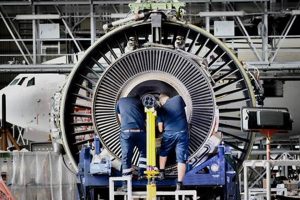
Aeronautical engineering focuses on the design, development, and production of aircraft that operate within Earth’s atmosphere. Aerospace engineering, a broader field, encompasses the same principles but extends to include spacecraft, satellites, rockets, and other vehicles intended to operate in outer space. For instance, aeronautical engineers may work on improving the fuel efficiency of a commercial airplane, while aerospace engineers could be involved in designing a Mars rover.
The distinction between these fields is significant for career paths and specializations. Understanding this difference allows students to select educational programs that align with their specific interests and career aspirations. Historically, aeronautical engineering emerged first, followed by the expansion into aerospace as space exploration became a reality. This evolution reflects technological advancements and a widening scope of engineering challenges.
This article will further delve into the specific curriculum differences between aerospace and aeronautical engineering programs, career opportunities available within each field, and the evolving landscape of the aerospace industry, including emerging specializations and technological advancements that are blurring the lines between these disciplines.
Guidance Regarding Aerospace and Aeronautical Engineering
The following points offer a clear understanding of the nuances between the two fields, facilitating informed decisions for students and professionals.
Tip 1: Curriculum Differentiation: Recognize that aeronautical programs emphasize atmospheric flight, while aerospace programs integrate space-related subjects like orbital mechanics and spacecraft design. Examine specific course offerings when selecting a program.
Tip 2: Specialization Alignment: Identify specific interests within flight or space. Aeronautical engineering is suited for those interested in aircraft design, aerodynamics, and propulsion systems within the atmosphere. Aerospace engineering benefits individuals keen on spacecraft, satellites, and space exploration technologies.
Tip 3: Internship Experiences: Seek internships tailored to the chosen field. Interning at an aircraft manufacturer provides aeronautical experience, while internships at space agencies or satellite companies offer aerospace exposure. Targeted experience enhances career prospects.
Tip 4: Research Opportunities: Engage in research that aligns with career aspirations. Participating in aeronautical research, such as wing design or fuel efficiency, is beneficial for those pursuing careers in the aviation industry. Research in areas like satellite communication or rocket propulsion strengthens aerospace credentials.
Tip 5: Industry Trends Awareness: Stay informed about industry advancements in both sectors. Understanding developments in areas like electric propulsion for aircraft or reusable rocket technology provides a competitive edge. Industry knowledge demonstrates proactivity and future-oriented thinking.
Tip 6: Networking: Establish connections within respective fields. Attend industry conferences, join professional organizations like AIAA (American Institute of Aeronautics and Astronautics), and network with engineers to gain insights and opportunities.
Tip 7: Skill Development: Cultivate skills relevant to both areas. Proficiency in CAD software, computational fluid dynamics (CFD), and finite element analysis (FEA) is valuable. Domain-specific skills enhance employability and performance.
Prioritizing curriculum alignment, targeted experiences, and continuous learning is vital. Recognizing the difference between aerospace and aeronautical engineering is the first step to focused professional growth.
The subsequent sections will address the skills necessary for success in these demanding fields, and how the industries are projected to develop in the coming years.
1. Atmospheric Flight

Atmospheric flight represents a critical intersection between aeronautical and aerospace engineering, yet its specific focus highlights key differences between these disciplines. It is the realm where aircraft interact directly with the Earth’s atmosphere, demanding specialized knowledge of aerodynamics, propulsion, and structural mechanics.
- Aerodynamics and Lift Generation
Atmospheric flight fundamentally relies on aerodynamic principles to generate lift, allowing aircraft to overcome gravity. This involves intricate design considerations related to wing shape, airfoil profiles, and control surfaces. Aeronautical engineers primarily focus on optimizing these aspects to enhance aircraft performance within the atmosphere, a concern less prominent in the design of spacecraft intended for vacuum environments.
- Propulsion Systems in Atmosphere
Aircraft propulsion systems designed for atmospheric flight, such as jet engines and turboprops, depend on the presence of air for combustion and thrust generation. Aeronautical engineers specialize in the design and improvement of these systems, considering factors like fuel efficiency, emissions, and noise reduction. In contrast, aerospace engineers also consider propulsion systems that function in the absence of air, such as rocket engines.
- Atmospheric Effects on Aircraft Structures
Atmospheric conditions, including temperature variations, air pressure, and turbulence, significantly impact aircraft structures. Aeronautical engineers must design aircraft capable of withstanding these stresses and maintaining structural integrity throughout the flight envelope. This consideration differs from the structural challenges faced by spacecraft, which are designed to withstand extreme temperature changes and radiation in space.
- Air Traffic Management and Control Systems
The efficient and safe operation of aircraft within the atmosphere necessitates sophisticated air traffic management and control systems. Aeronautical engineers contribute to the design and optimization of these systems, ensuring safe separation of aircraft and efficient utilization of airspace. This aspect is less directly relevant to spacecraft operations, which are governed by different orbital mechanics and control protocols.
These considerations demonstrate that while both aeronautical and aerospace engineering address flight, the unique challenges and design priorities associated with atmospheric flight form a core distinction between the two fields. The focus on optimizing aircraft performance within the atmosphere is a defining characteristic of aeronautical engineering, differentiating it from the broader scope of aerospace engineering that encompasses both atmospheric and space environments.
2. Spacecraft Design

Spacecraft design serves as a critical differentiator when evaluating the scope of aerospace and aeronautical engineering. The complexity of spacecraft necessitates specialized engineering knowledge beyond the purview of aeronautical engineering, which primarily addresses atmospheric flight. Spacecraft design demands expertise in areas such as orbital mechanics, radiation shielding, and life support systems for manned missions. For instance, the design of the International Space Station required engineers to consider factors like microgravity effects on human physiology and the long-term reliability of components in the vacuum of space, considerations largely absent in aeronautical engineering.
The development of spacecraft propulsion systems, such as ion thrusters or chemical rockets, also falls distinctly within the realm of aerospace engineering. These systems operate on principles fundamentally different from air-breathing engines used in aircraft. Furthermore, the design of spacecraft structures must account for the stresses of launch and the extreme temperature variations encountered in space. The James Webb Space Telescope, for example, incorporates a sophisticated sunshield to maintain its operating temperature, a feature irrelevant to aircraft design. The integration of communication systems for transmitting data across vast distances and the implementation of autonomous control systems for spacecraft navigation further highlight the specialized skill sets required for spacecraft design.
In summary, while both fields share foundational engineering principles, spacecraft design introduces a level of complexity and specialization that clearly distinguishes aerospace engineering from its aeronautical counterpart. The challenges inherent in operating in the space environment, from propulsion to life support, demand a distinct body of knowledge and engineering practices. This fundamental difference underscores that these are related but not interchangeable disciplines.
3. Curriculum Focus

The curriculum serves as a primary differentiator between aerospace and aeronautical engineering. These programs, while sharing fundamental engineering principles, diverge significantly in their specialized coursework. The curriculum focus dictates the specific skill sets and knowledge base acquired by students, directly shaping their preparedness for specific career paths. Aeronautical engineering programs emphasize areas such as aerodynamics, propulsion systems optimized for atmospheric flight, and aircraft structures. Aerospace engineering curricula, conversely, incorporate subjects like orbital mechanics, spacecraft design, and rocket propulsion, reflecting the broader scope of space-related applications. For example, an aeronautical engineering program might dedicate significant time to aircraft stability and control, while an aerospace program would cover topics such as satellite communication systems. Consequently, the curriculum focus directly influences whether a graduate is best suited for a career in aircraft design or spacecraft engineering.
The practical significance of understanding the curriculum focus lies in making informed educational decisions. Prospective students should carefully review the course offerings of each program to determine which aligns best with their career aspirations. A student interested in designing commercial aircraft would benefit more from an aeronautical engineering program. Conversely, a student passionate about space exploration and satellite technology should pursue aerospace engineering. Moreover, the curriculum’s emphasis on specific software and simulation tools can significantly impact a graduate’s immediate employability. For instance, proficiency in computational fluid dynamics (CFD) software is often essential for aeronautical engineers, while knowledge of orbital mechanics software is crucial for aerospace engineers.
In summary, the distinct curriculum focus is a decisive factor in distinguishing between aerospace and aeronautical engineering. It is the cornerstone that shapes the specialized knowledge and skills necessary for success in these fields. Careful consideration of curriculum content is essential for students seeking to align their education with their professional goals, ensuring they acquire the appropriate expertise to excel in their chosen area of the aerospace sector. Selecting the right curriculum focus is, therefore, a crucial step in effectively defining a path in the vast field of aerospace engineering.
4. Career Paths

The selection of aerospace or aeronautical engineering significantly shapes subsequent career opportunities. The differentiation in training leads to distinct professional pathways, reflecting the specialized knowledge acquired in each field. This section delineates several prominent career paths within both disciplines, illustrating the practical implications of choosing one specialization over the other.
- Aircraft Design Engineer
Aeronautical engineers often pursue careers in aircraft design, focusing on optimizing aerodynamic performance, structural integrity, and propulsion efficiency. Responsibilities include developing blueprints, conducting simulations, and testing prototypes. These roles are predominantly within companies manufacturing commercial aircraft, military jets, or specialized aviation vehicles. Examples include Boeing, Airbus, and Lockheed Martin.
- Spacecraft Systems Engineer
Aerospace engineers find opportunities in spacecraft systems engineering, involving the design, development, and integration of components for satellites, probes, and manned spacecraft. This necessitates expertise in orbital mechanics, thermal control, and communications systems. Positions are available at space agencies like NASA and ESA, as well as private space companies such as SpaceX and Blue Origin.
- Aerospace Propulsion Engineer
Both disciplines offer paths in propulsion, but with different focuses. Aeronautical engineers work on improving jet engine efficiency and reducing emissions. Aerospace engineers design rocket engines and advanced propulsion systems for space travel. Career options exist at companies specializing in engine manufacturing (e.g., Pratt & Whitney) and space launch providers.
- Avionics Engineer
Avionics engineers, drawn from both fields, specialize in the electronic systems of aircraft and spacecraft. However, aeronautical engineers may concentrate on navigation and control systems within the atmosphere, while aerospace engineers work on satellite communication and remote sensing technologies. Opportunities are present across various aerospace companies and government research labs.
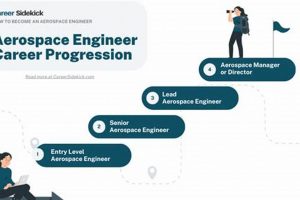
The career paths stemming from aerospace and aeronautical engineering highlight the importance of aligning educational choices with professional goals. While both disciplines share core engineering principles, the specialized knowledge gained during training significantly influences the trajectory of one’s career. Careful consideration of these differences allows individuals to pursue roles that best leverage their skills and interests, thereby contributing to the advancement of both aviation and space exploration.
5. Industry Specialization
Industry specialization provides a practical framework for understanding the distinct roles of aerospace and aeronautical engineering. While both disciplines contribute to the broader aerospace sector, the specific areas of focus within the industry highlight fundamental differences in their applications and expertise.
- Commercial Aviation
Commercial aviation represents a primary domain for aeronautical engineers. This specialization encompasses the design, maintenance, and operation of passenger and cargo aircraft. Aeronautical engineers in this sector focus on optimizing fuel efficiency, enhancing safety protocols, and improving passenger comfort. Examples include roles at Boeing or Airbus, where engineers work on next-generation aircraft designs tailored for atmospheric flight. The principles of aeronautical engineering are central to ensuring the safety and efficiency of air travel, an area distinct from the space-focused specializations of aerospace engineering.
- Space Exploration
Space exploration and the development of related technologies constitute a key specialization for aerospace engineers. This field involves the design and construction of spacecraft, satellites, and launch vehicles intended for operations beyond Earth’s atmosphere. Engineers in this sector address challenges such as propulsion in a vacuum, radiation shielding, and remote communication. Companies like SpaceX and Blue Origin employ aerospace engineers to develop innovative technologies for space travel, resource utilization, and planetary exploration. This specialization requires expertise in areas like orbital mechanics and astrodynamics, which are less relevant to aeronautical engineering.
- Defense and Military Applications
Both aerospace and aeronautical engineers contribute to the defense and military sectors, albeit with distinct focuses. Aeronautical engineers may work on the design and maintenance of military aircraft, while aerospace engineers could be involved in developing missile systems or satellite-based surveillance technologies. These applications require expertise in areas such as aerodynamics, propulsion, and structural engineering, adapted for the specific demands of military operations. Lockheed Martin, for example, employs both types of engineers to design and produce advanced defense systems, highlighting the collaborative yet distinct roles within the industry.
- Research and Development
Research and development in both fields drives technological advancements. Aeronautical engineers focus on improving existing aircraft technologies and exploring new concepts for atmospheric flight, such as electric propulsion or advanced wing designs. Aerospace engineers concentrate on developing technologies for space exploration, satellite communication, and advanced materials for space vehicles. Universities and government agencies like NASA provide opportunities for engineers to engage in cutting-edge research, contributing to the long-term progress of both fields. This specialization emphasizes innovation and the application of fundamental principles to solve complex engineering problems.
The diverse specializations within the aerospace industry emphasize the distinct skill sets and applications of aerospace and aeronautical engineering. While both fields share a foundation in engineering principles, their practical application varies significantly depending on the specific area of focus. This differentiation underscores the importance of understanding these nuances when pursuing education or career paths within the aerospace sector. The evolving landscape of the industry also contributes to changes that slowly blur the lines in aerospace and aeronautical engineering.
6. Technological Advancements

Technological advancements significantly influence the perceived and actual distinctions between aerospace and aeronautical engineering. Progress in materials science, propulsion systems, and computational capabilities increasingly blurs traditional boundaries. For example, the development of hypersonic aircraft necessitates expertise in both atmospheric and space flight dynamics. Such vehicles must operate within the atmosphere for a portion of their mission profile, demanding aeronautical engineering principles, but also require designs capable of withstanding extreme temperatures and speeds associated with space re-entry, a domain traditionally associated with aerospace engineering. This convergence creates demand for engineers possessing a hybridized skill set, challenging the notion of strictly separate disciplines.
The evolution of electric propulsion further exemplifies this trend. While initially considered primarily for satellite propulsion (aerospace domain), electric propulsion systems are now being explored for use in aircraft (aeronautical domain), particularly for urban air mobility solutions. This requires engineers with knowledge of electric motors, power electronics, and aircraft integration, regardless of their initial specialization. Furthermore, advanced composite materials, originally developed for spacecraft, are now widely used in aircraft construction to reduce weight and improve fuel efficiency. These material advancements require expertise spanning both traditional fields, highlighting the interconnected nature of technological progress.
In summary, technological advancements are eroding the clear-cut divisions between aerospace and aeronautical engineering. The increasing complexity of aerospace systems necessitates a broader understanding of engineering principles, regardless of initial specialization. While distinct areas of expertise remain valuable, the ability to integrate knowledge across traditional boundaries is becoming increasingly crucial for engineers in the modern aerospace sector. This requires ongoing professional development and a willingness to embrace interdisciplinary approaches to problem-solving.
Frequently Asked Questions
The following section addresses common inquiries regarding the distinctions between aerospace and aeronautical engineering, offering clarification on their respective focuses and career implications.
Question 1: Is aerospace engineering simply a more advanced version of aeronautical engineering?
Aerospace engineering is not necessarily a more advanced version, but rather a broader field. Aeronautical engineering focuses specifically on aircraft and atmospheric flight, while aerospace engineering encompasses both atmospheric and space-based vehicles and systems.
Question 2: Can an aeronautical engineer easily transition into a role typically held by an aerospace engineer, and vice versa?
Transitioning between these roles is possible, but it typically requires additional training or experience. An aeronautical engineer might need to acquire knowledge of orbital mechanics or spacecraft design to effectively work in an aerospace engineering role, and vice versa. Bridging courses or targeted professional development can facilitate this transition.
Question 3: Are the job prospects significantly different for graduates of aerospace versus aeronautical engineering programs?
Job prospects vary depending on industry trends and geographic location. Aeronautical engineers find opportunities in aircraft manufacturing and maintenance, while aerospace engineers are sought after in the space sector. Demand in both fields is influenced by government spending, technological advancements, and global economic factors.
Question 4: Do aerospace and aeronautical engineering curricula overlap significantly?
There is considerable overlap in foundational coursework, such as mathematics, physics, and basic engineering principles. However, as students progress, the curricula diverge, with aerospace engineering programs including specialized courses on spacecraft design, orbital mechanics, and space propulsion, while aeronautical programs emphasize aircraft aerodynamics and propulsion.
Question 5: Is it possible to specialize in both aeronautical and astronautical engineering within a single program?
Some universities offer programs that allow students to specialize in both aeronautical and astronautical engineering, often as a combined degree or through focused elective courses. Such programs provide a comprehensive understanding of both atmospheric and space-based systems, enhancing career flexibility.
Question 6: What are the fundamental skills that are essential for both aerospace and aeronautical engineers?
Essential skills for both fields include proficiency in computer-aided design (CAD) software, a strong understanding of fluid dynamics and thermodynamics, and the ability to apply mathematical and scientific principles to solve complex engineering problems. Effective communication and teamwork skills are also critical for success in both disciplines.
In summary, while related, aerospace and aeronautical engineering are distinct disciplines with unique focuses and career pathways. Understanding these differences is crucial for making informed educational and professional decisions.
The following section will explore resources to help you determine which option is right for you, including professional associations, and degree directories.
Distinguishing Aerospace and Aeronautical Engineering
This article has explored the question of whether aerospace and aeronautical engineering are the same. Key distinctions have been established regarding curriculum focus, career paths, industry specializations, and the impact of technological advancements. Aeronautical engineering concentrates on atmospheric flight, while aerospace engineering extends to encompass space-based systems. Though overlapping skill sets exist, specialized knowledge distinguishes professionals in each field.
The nuanced differences demand careful consideration from prospective students and industry professionals. Understanding the specific scope and requirements of each discipline is crucial for informed decision-making. As technology evolves, the lines between these fields may continue to blur, necessitating adaptability and continuous learning within the aerospace sector. Further exploration of specific program curricula and emerging industry trends is recommended for those pursuing a career in either aerospace or aeronautical engineering.