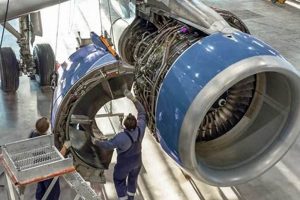
Selecting a complementary field of study to aerospace engineering offers opportunities for enhanced expertise and career diversification. A carefully considered second major can significantly broaden an engineer’s skill set and marketability beyond the core aerospace curriculum. The strategic combination involves identifying disciplines that synergize well with aerospace principles, allowing for a deeper understanding of complex systems and innovative problem-solving. For example, instead of solely focusing on aircraft design, an engineer might also gain expertise in a related area.
The value of pursuing dual academic qualifications lies in its ability to create well-rounded professionals equipped to tackle multifaceted challenges. A broader knowledge base fosters innovation by enabling engineers to approach problems from different perspectives. Historically, aerospace engineers primarily focused on traditional areas. However, the increasing complexity of aerospace systems and the emergence of new technologies necessitate interdisciplinary expertise. This shift underscores the growing importance of complementary skills attained through a second major.
The following sections will explore specific disciplines that commonly align with aerospace engineering, outlining the advantages and considerations associated with each. This examination will provide guidance in determining a suitable secondary field of study that maximizes opportunities for academic and professional advancement within the aerospace sector and related industries.
Strategic Selection of a Complementary Major
The decision to pursue a dual degree alongside aerospace engineering requires careful consideration. A strategic approach ensures the secondary field enhances, rather than detracts from, the primary area of focus.
Tip 1: Prioritize Synergistic Disciplines: Seek a second major that directly complements aerospace engineering. Mathematics, computer science, or electrical engineering offer foundational knowledge crucial for modern aerospace applications. For example, advanced control systems heavily rely on both electrical engineering and software design principles.
Tip 2: Evaluate Career Goals: Align the secondary major with specific career aspirations. If interested in propulsion systems, mechanical engineering provides valuable expertise. For those focused on autonomous systems, a specialization in robotics or artificial intelligence may be more beneficial.
Tip 3: Assess Curriculum Overlap: Examine the curricula of potential secondary majors to identify areas of overlap. Maximizing shared coursework can streamline the dual degree path and reduce the overall time required for completion. For example, some introductory physics and calculus courses may fulfill requirements for both aerospace engineering and related science or engineering fields.
Tip 4: Consider Future Trends: Anticipate emerging trends in the aerospace industry and select a second major that addresses these evolving needs. A focus on data science or cybersecurity could be particularly relevant given the increasing reliance on data analytics and interconnected systems in modern aerospace.
Tip 5: Balance Theoretical and Practical Skills: Aim for a combination of theoretical and practical knowledge. A theoretical major like physics can enhance problem-solving abilities, while a more practical major like manufacturing engineering can provide hands-on experience. The balance enhances overall preparedness for real-world challenges.
Tip 6: Explore Emerging Interdisciplinary Fields: A double major provides a strong foundation for an interdisciplinary area. Many double major combinations are sought after in emerging fields. For example, material science will be an emerging field required for next-generation aircraft.
Careful planning and selection can result in a powerful combination of skills and knowledge that significantly enhances career prospects and accelerates professional development.
The next section delves into specific double major combinations that offer significant advantages for aspiring aerospace engineers.
1. Mathematical Foundations

A robust grounding in mathematics serves as a cornerstone for aerospace engineering. Its absence severely limits comprehension and application of core principles. Consequently, disciplines strengthening mathematical expertise frequently constitute advantageous pairings. The inherent connection stems from aerospace engineering’s reliance on mathematical modeling, simulation, and analysis for design, optimization, and control. For instance, determining aircraft stability requires solving complex differential equations, while trajectory optimization depends on calculus of variations. Without a solid mathematical foundation, aerospace engineers are constrained to relying on pre-established formulas without a deeper understanding of their derivations or limitations.
A double major significantly enhancing mathematical foundations provides aerospace engineers with a superior capacity to tackle complex problems. A dual degree in mathematics or applied mathematics equips individuals with advanced analytical skills. This allows for the development of novel algorithms, improved modeling techniques, and enhanced capabilities in areas such as computational fluid dynamics (CFD) and finite element analysis (FEA). Real-world examples include engineers designing more fuel-efficient aircraft wings by optimizing airfoil shapes using advanced calculus and numerical methods. Another instance is developing more robust control systems that compensate for unpredictable atmospheric conditions using stochastic calculus and probability theory.
In summation, strong mathematical proficiency directly correlates with enhanced problem-solving capabilities, innovation, and analytical skills within aerospace engineering. Though challenging, a double major strengthening mathematical competence significantly expands the engineer’s toolkit and bolsters adaptability in a rapidly evolving technological landscape. Ignoring this crucial foundation risks limiting career advancement and hindering the ability to contribute meaningfully to the future of aerospace development.
2. Computational Proficiency

Computational proficiency constitutes a pivotal element in contemporary aerospace engineering, its importance directly impacting design, analysis, and operational facets. In the context of identifying the most suitable complementary field of study, it necessitates considering disciplines that significantly enhance these computational abilities. The cause-and-effect relationship is clear: enhanced computational skills lead to improved engineering outcomes. For instance, modeling complex aerodynamic phenomena requires sophisticated software and a deep understanding of numerical methods, demanding expertise beyond standard aerospace curricula. This expertise is obtained through a secondary focus on computationally intensive disciplines.
Computer science, with its focus on algorithms, data structures, and programming languages, provides a direct pathway to enhanced computational proficiency. The practical application of this proficiency extends to simulating aircraft performance under various conditions, optimizing flight trajectories, and developing advanced control systems. Consider the design of a new aircraft wing: Computational Fluid Dynamics (CFD) simulations, driven by complex algorithms, are indispensable for predicting airflow patterns and identifying potential aerodynamic issues. A double major in computer science equips engineers with the ability to not only use existing CFD software but also to develop and customize tools tailored to specific aerospace applications. Furthermore, the rise of machine learning and artificial intelligence in aerospace demands a strong computational foundation for developing autonomous systems and optimizing aircraft maintenance schedules through predictive analytics.
In summary, computational proficiency is an indispensable attribute for modern aerospace engineers. Pursuing a secondary major in computer science or a related computational field provides a concrete and substantial advantage, enabling engineers to tackle complex challenges, contribute to innovation, and adapt to the evolving technological landscape. While acquiring this proficiency requires dedication and effort, the resulting benefits in terms of problem-solving capabilities and career prospects are undeniable.
3. Systems Integration

Systems integration, the process of combining individual components into a unified operational system, holds paramount significance within aerospace engineering. Selecting a field of study that strengthens expertise in this area is crucial for aspiring aerospace engineers. The complexity of modern aircraft and spacecraft necessitates professionals capable of orchestrating diverse elements, from avionics and propulsion to structural and control systems. Failure to properly integrate these components can lead to catastrophic failures, emphasizing the critical nature of systems integration skills. A complementary major providing enhanced knowledge in this domain substantially improves an engineer’s ability to design, develop, and maintain safe and efficient aerospace vehicles. For example, integrating a new autopilot system requires a thorough understanding of aerodynamics, flight control algorithms, sensor technology, and communication protocols. An engineer lacking systems integration skills may struggle to effectively coordinate these diverse elements, potentially compromising the aircraft’s stability or maneuverability.
Electrical engineering and computer engineering represent two disciplines that directly bolster systems integration proficiency. These fields provide in-depth knowledge of electronics, embedded systems, networking, and software engineering, all of which are integral to the seamless operation of aerospace systems. Specifically, an electrical engineering double major equips an aerospace engineer with expertise in designing and integrating power distribution systems, communication networks, and sensor interfaces. A computer engineering double major, on the other hand, provides a strong foundation in embedded software development, real-time operating systems, and hardware-software co-design. These skills are essential for developing and integrating flight control software, navigation systems, and data acquisition systems. Furthermore, the rise of “internet of things” (IoT) in aerospace applications necessitates expertise in network security and data analytics, areas where computer engineering provides invaluable knowledge.
In conclusion, systems integration is an indispensable skill for aerospace engineers. Pursuing a double major that cultivates expertise in this area, particularly in fields like electrical engineering or computer engineering, significantly enhances an engineer’s ability to contribute to the design, development, and maintenance of complex aerospace systems. While the interdisciplinary nature of systems integration presents challenges, the resulting proficiency strengthens problem-solving capabilities and enhances career prospects within the rapidly evolving aerospace sector. The ability to connect individual components, or sub-systems together, in a way that they function as one high-performing system, is an emerging need in the modern age.
4. Material Science

Material science plays a foundational role in aerospace engineering. The selection and application of materials directly influence the performance, safety, and lifespan of aerospace vehicles. Therefore, a deep understanding of material properties, behaviors, and processing techniques is crucial for aerospace engineers. A double major incorporating material science offers a synergistic enhancement to the core aerospace curriculum, equipping engineers with specialized knowledge applicable to critical areas such as aircraft structures, propulsion systems, and thermal protection. For instance, the development of high-temperature alloys for jet engines relies heavily on material science principles, as does the design of lightweight composite materials for aircraft fuselages. Without a solid grasp of material science, aerospace engineers may struggle to select appropriate materials for specific applications or to predict their long-term performance under demanding operational conditions.
A double major in material science provides aerospace engineers with the tools to optimize material selection and design for specific performance requirements. This expertise is particularly valuable in addressing challenges such as weight reduction, corrosion resistance, and high-temperature performance. Examples of practical applications include the development of advanced composite materials with tailored stiffness and strength properties for aircraft wings, the design of thermal barrier coatings for turbine blades to withstand extreme temperatures, and the selection of corrosion-resistant alloys for marine environments. This enhanced knowledge base allows engineers to develop and implement innovative solutions that improve the efficiency, reliability, and durability of aerospace systems.
In conclusion, material science constitutes a critical component of aerospace engineering. A double major combining these disciplines offers a significant advantage to engineers seeking to address the complex material-related challenges in the aerospace sector. While a deep dive into this field demands rigorous study, the resulting expertise fosters innovation, enhances problem-solving capabilities, and strengthens career prospects within a dynamic industry. Future generations will need advanced aerospace designs and durable material to withstand the space climate.
5. Control Systems

Control systems are fundamental to aerospace engineering, governing the stability, performance, and autonomy of aircraft, spacecraft, and other aerospace vehicles. Proficiency in control systems engineering directly enhances the ability to design, analyze, and implement effective control strategies, making a complementary field of study focused on control systems highly valuable for aspiring aerospace engineers.
- Classical and Modern Control Theory
Aerospace engineers require a strong understanding of both classical control techniques (e.g., PID control, root locus) and modern control methods (e.g., state-space control, optimal control). Classical control provides a foundation for analyzing and designing feedback control systems, while modern control enables the development of more sophisticated and robust control strategies. For example, designing an autopilot system for an aircraft involves applying both classical and modern control principles to ensure stability and desired performance. A double major in electrical engineering or mechanical engineering, with a focus on control systems, provides a comprehensive grounding in these theoretical frameworks.
- Embedded Systems and Real-Time Control
Many aerospace control systems are implemented using embedded computers and real-time operating systems. These systems must respond quickly and reliably to sensor inputs and execute control algorithms with minimal latency. Understanding embedded system architectures, real-time programming techniques, and hardware-software integration is essential for designing and implementing effective control solutions. For example, controlling the attitude of a satellite requires processing sensor data from gyroscopes and star trackers in real-time and executing control commands to adjust the spacecraft’s orientation. A double major in computer engineering or electrical engineering provides valuable expertise in embedded systems and real-time control.
- Sensors and Actuators
Control systems rely on sensors to measure relevant variables (e.g., position, velocity, attitude) and actuators to exert control forces or torques (e.g., control surfaces, thrusters). Selecting and integrating appropriate sensors and actuators is crucial for achieving desired control performance. Understanding sensor characteristics, actuator dynamics, and signal processing techniques is essential for designing effective control loops. For example, controlling the trajectory of a rocket requires accurate measurements of position, velocity, and acceleration from accelerometers and GPS receivers, as well as the precise control of rocket engines using actuators. A double major in physics, mechanical engineering, or electrical engineering provides a strong foundation in sensor technology and actuator design.
- Autonomous Systems and Robotics
The increasing demand for autonomous aerospace vehicles, such as unmanned aerial vehicles (UAVs) and autonomous spacecraft, necessitates expertise in robotics and artificial intelligence. Designing autonomous control systems requires integrating sensor fusion, path planning, decision-making, and control algorithms. Understanding these concepts is crucial for developing safe and reliable autonomous systems. For example, an autonomous drone for aerial surveillance must be able to navigate a complex environment, avoid obstacles, and perform its mission without human intervention. A double major in computer science, robotics, or electrical engineering provides valuable knowledge in autonomous systems and robotics.
In essence, a deep understanding of control systems is indispensable for aerospace engineers. The strategic selection of a complementary field of study focused on control systems enhances expertise in critical areas such as classical and modern control theory, embedded systems, sensors and actuators, and autonomous systems. This combined knowledge base prepares engineers to tackle the complex control-related challenges in the aerospace sector and contribute to the development of innovative aerospace vehicles.
6. Propulsion Expertise

Propulsion expertise is a critical competency within aerospace engineering, directly impacting the performance, efficiency, and operational capabilities of aircraft and spacecraft. A strategic combination of aerospace engineering with a second, complementary major can significantly enhance an engineer’s proficiency in propulsion systems.
- Thermodynamics and Fluid Mechanics
Understanding thermodynamic principles and fluid dynamics is fundamental to analyzing and designing propulsion systems. This includes comprehending energy transfer, compressible flow, combustion processes, and nozzle design. Mechanical engineering, with its strong emphasis on thermodynamics and fluid mechanics, provides a solid foundation for understanding these core concepts. For instance, the design of a high-efficiency turbine for a jet engine requires a deep understanding of thermodynamic cycles and fluid flow behavior. A double major in mechanical engineering equips aerospace engineers with the knowledge to optimize engine performance and efficiency.
- Combustion and Chemical Kinetics
Combustion processes are central to many propulsion systems, including jet engines and rocket engines. Understanding combustion chemistry, flame propagation, and chemical kinetics is essential for designing efficient and stable combustion chambers. Chemical engineering offers a comprehensive understanding of these principles, providing aerospace engineers with the knowledge to optimize fuel injection strategies, reduce emissions, and improve combustion efficiency. For example, designing a low-emission combustion chamber for a gas turbine requires a thorough understanding of chemical kinetics and combustion modeling.
- Materials Science and High-Temperature Alloys
Propulsion systems often operate at extreme temperatures and pressures, requiring the use of advanced materials capable of withstanding these harsh conditions. Expertise in materials science, particularly high-temperature alloys and ceramics, is crucial for selecting appropriate materials for engine components such as turbine blades, combustion liners, and nozzles. A double major in materials science provides aerospace engineers with the knowledge to design and develop propulsion systems that can withstand high temperatures, resist corrosion, and maintain structural integrity over long periods. Consider the development of single-crystal turbine blades for jet engines, which requires a deep understanding of alloy composition, heat treatment processes, and creep resistance.
- Electrical Systems and Control
Modern propulsion systems rely on sophisticated electrical systems and control algorithms to regulate fuel flow, optimize combustion, and monitor engine performance. Understanding electrical engineering principles, sensor technology, and control systems design is essential for developing advanced engine control systems. For instance, developing a full authority digital engine control (FADEC) system for a jet engine requires expertise in sensor data acquisition, control algorithm design, and actuator control. A double major in electrical engineering provides aerospace engineers with the necessary skills to design and implement robust and efficient engine control systems.
In summary, propulsion expertise is a multifaceted skill set that requires a strong foundation in thermodynamics, fluid mechanics, combustion, materials science, and electrical engineering. A strategic double major, combining aerospace engineering with mechanical engineering, chemical engineering, materials science, or electrical engineering, can significantly enhance an engineer’s proficiency in propulsion systems and prepare them for careers in engine design, development, and testing. The combination of skills creates a competitive edge for innovation in the aerospace industry.
Frequently Asked Questions
This section addresses common inquiries regarding the selection of a secondary major to augment an aerospace engineering degree. The information provided aims to offer clarity and guidance for prospective students.
Question 1: Is a double major genuinely beneficial for an aerospace engineer’s career prospects?
A strategically chosen dual degree offers distinct advantages, expanding skill sets and marketability. Employers often value candidates possessing interdisciplinary expertise, particularly in areas that directly complement aerospace principles.
Question 2: Which double major options provide the most significant career advancement potential?
Fields such as computer science, electrical engineering, and mechanical engineering frequently align well with aerospace engineering. These disciplines enhance skills in areas crucial for modern aerospace applications, including control systems, data analysis, and propulsion.
Question 3: Does the increased workload of a dual degree program negatively affect academic performance?
A rigorous workload is inherent in pursuing dual degrees. However, with effective time management and a strategic selection of courses, students can maintain a high level of academic performance and successfully complete both majors.
Question 4: Are there specific double major combinations that are particularly sought after by employers in the aerospace sector?
Combinations that demonstrate proficiency in emerging technologies, such as robotics and artificial intelligence, are often highly valued. Expertise in data science and cybersecurity is also increasingly relevant due to the increasing reliance on interconnected systems.
Question 5: How does one determine if a potential double major aligns with specific career goals?
Careful consideration should be given to career aspirations and the skills required for the desired roles. Researching industry trends and consulting with academic advisors can help identify a secondary major that complements those objectives.
Question 6: Are there circumstances where a minor or focused electives are a better choice than a double major?
In some situations, a minor or carefully selected electives can provide sufficient supplementary knowledge without the extensive commitment of a second major. This approach may be preferable for individuals seeking a more targeted enhancement of their skill set.
In summary, choosing a dual degree requires careful deliberation and alignment with career goals. However, strategic choices provide distinct benefits, enriching expertise and improving employment opportunities.
The next section will summarize the optimal double major paths for aerospace engineers.
Conclusion
This exploration has examined several potential synergistic pairings. Disciplines such as mathematics, computer science, electrical engineering, mechanical engineering, and materials science demonstrate significant potential to augment the core aerospace engineering curriculum. The optimal choice depends on individual career goals and areas of specific interest within the aerospace field. A judiciously selected second major equips engineers with specialized knowledge and enhanced problem-solving capabilities, providing a competitive advantage.
The pursuit of a best double major with aerospace engineering represents a strategic investment in future professional development. The aerospace sector is continuously evolving, demanding engineers with interdisciplinary expertise and the ability to adapt to new technologies. Therefore, aspiring aerospace engineers are encouraged to carefully consider their options and select a complementary field of study that aligns with their long-term objectives. This proactive approach can significantly enhance career prospects and contribute to innovation within the aerospace industry.
![Top Aerospace Engineering Colleges in India [2024 Rankings] | Innovating the Future of Flight with Reliable Aviation Solutions](https://mixaerospace.com/wp-content/uploads/2026/05/th-100-300x200.jpg "Top Aerospace Engineering Colleges in India [2024 Rankings] Innovating the Future of Flight with Reliable Aviation Solutions")