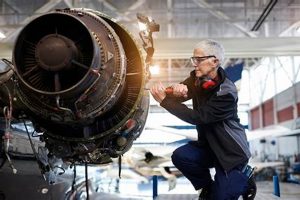
Mechanical engineering, a broad discipline, encompasses the design, analysis, manufacturing, and maintenance of mechanical systems. It addresses aspects of thermodynamics, mechanics, fluid mechanics, and materials science to create solutions for a wide array of industries. Aerospace engineering, conversely, is a specialized field focused on the design, development, testing, and production of aircraft and spacecraft. It integrates principles of aerodynamics, propulsion, structural analysis, and control systems specifically tailored for atmospheric and extra-atmospheric environments.
Understanding the variations between these engineering fields is crucial for prospective students and professionals seeking to align their career paths with their interests and aptitudes. Mechanical engineering’s breadth offers versatility across sectors such as automotive, manufacturing, and energy, while aerospace engineering provides a focused path towards contributing to the advancement of air and space travel. Historically, mechanical engineering provided the foundational knowledge upon which aerospace engineering emerged as a distinct specialization in response to advancements in aviation and rocketry.
The subsequent sections will elaborate on specific curriculum differences, career opportunities, and required skill sets to provide a detailed comparison of the fields. This will assist in clarifying the core distinctions and potential overlaps between the two disciplines.
Choosing between mechanical and aerospace engineering requires careful consideration of career aspirations and academic interests. The following points offer guidance for informed decision-making.
Tip 1: Evaluate Core Interests. Mechanical engineering appeals to those with a broad interest in mechanics, machines, and energy systems. Aerospace engineering suits individuals passionate about aircraft, spacecraft, and related technologies.
Tip 2: Consider Specialization Options. Mechanical engineering offers diverse specializations such as robotics, manufacturing, and thermal sciences. Aerospace engineering focuses on areas like aerodynamics, propulsion, and structural mechanics.
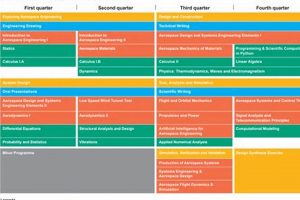
Tip 3: Research Curriculum Differences. Mechanical engineering curricula typically include courses in thermodynamics, fluid mechanics, and materials science. Aerospace engineering programs emphasize aerodynamics, aircraft design, and space systems.
Tip 4: Explore Career Paths. Mechanical engineers find employment in industries ranging from automotive to consumer products. Aerospace engineers typically work in aerospace companies, government agencies, or research institutions.
Tip 5: Assess Required Skill Sets. Both fields demand strong analytical and problem-solving skills. Mechanical engineering often requires expertise in CAD software and manufacturing processes. Aerospace engineering necessitates proficiency in computational fluid dynamics and finite element analysis.
Tip 6: Investigate Internship Opportunities. Internships provide valuable practical experience. Seek internships in relevant industries to gain exposure to real-world applications of each field.
Tip 7: Consider the Level of Specialization. Mechanical engineering provides a broader foundation applicable across multiple industries. Aerospace engineering offers in-depth knowledge specific to the aerospace sector.
Careful consideration of these factors will facilitate a more informed selection of the engineering discipline that best aligns with individual goals and aptitudes.
The subsequent conclusion will provide a final summary of the key aspects in each discipline to help you choose what is most suitable for you.
1. Breadth

The concept of breadth fundamentally distinguishes mechanical and aerospace engineering. Mechanical engineering, by its nature, is a considerably broader discipline. Its curriculum encompasses a wide range of subjects, including thermodynamics, fluid mechanics, heat transfer, manufacturing processes, control systems, and materials science. This extensive training equips mechanical engineers to address engineering challenges across numerous industries, from automotive and energy to manufacturing and consumer products. A mechanical engineer might design a more efficient internal combustion engine, develop a robotic assembly line, or improve the thermal management system in a data center. The diverse application of fundamental mechanical engineering principles constitutes its defining characteristic.
Aerospace engineering, conversely, exhibits a narrower, more focused scope. While it also draws upon core engineering principles, these are primarily applied within the context of aircraft and spacecraft. Aerospace engineers specialize in areas such as aerodynamics, propulsion, structural analysis of airframes, and control systems for flight. This focused training prepares them to design and analyze aircraft wings, develop jet engines, design satellite communication systems, or create reentry vehicles for space exploration. Although aerospace engineers possess a deep understanding of their specialized field, their skill set is typically less transferable to industries outside of aerospace than that of a mechanical engineer.
In summary, the greater breadth of mechanical engineering offers versatility and adaptability to a wider range of engineering problems and industries. In contrast, the specialization within aerospace engineering provides deep expertise in the design, analysis, and development of air and space vehicles. This fundamental distinction in breadth significantly impacts career opportunities and required skill sets within each discipline.
2. Focus

The element of “Focus” represents a core differentiator between mechanical and aerospace engineering. Mechanical engineering’s focus is inherently broad, encompassing a wide array of mechanical systems and devices across numerous industries. Its purview extends to any machine or system involving motion, energy conversion, or force application. This broad focus mandates a comprehensive understanding of fundamental engineering principles, allowing mechanical engineers to adapt to diverse challenges and design solutions for varied applications. For example, a mechanical engineer might work on optimizing the efficiency of a power plant turbine, designing a new prosthetic limb, or developing a more effective cooling system for electronic devices. This generalized focus allows for greater career flexibility and adaptability.
Aerospace engineering, in contrast, exhibits a highly specialized focus on the design, development, and maintenance of aircraft and spacecraft. This specialization necessitates in-depth knowledge of aerodynamics, propulsion systems, aircraft structures, and control systems. Aerospace engineers are concerned with challenges specific to the aerospace environment, such as designing wings for optimal lift, developing fuel-efficient jet engines, or creating heat shields for spacecraft re-entry. This targeted focus demands a mastery of specific tools and techniques relevant to aerospace applications, such as computational fluid dynamics and finite element analysis. The aerospace field’s focused nature makes it highly impactful and necessary for space and air travel.
The divergence in focus significantly shapes the educational paths and career trajectories of mechanical and aerospace engineers. While both fields require a strong foundation in mathematics and physics, the specific coursework and skill development vary considerably. Mechanical engineers develop a broad toolkit applicable across multiple industries, whereas aerospace engineers cultivate deep expertise within a more specialized domain. Understanding this difference in focus is essential for prospective students and professionals seeking to align their career aspirations with their academic training.
3. Environment

The operating environment represents a significant point of divergence between mechanical and aerospace engineering. Mechanical engineers typically design systems that function within terrestrial environments, characterized by atmospheric pressure, gravity, and a range of temperature and humidity conditions commonly encountered on Earth. These conditions influence design considerations such as material selection, structural integrity, and energy efficiency. For example, a mechanical engineer designing a bridge must account for wind loads, seismic activity, and temperature fluctuations, while one working on a power plant needs to consider cooling requirements and pollution control within earthly atmospheric parameters.
Aerospace engineers, conversely, must account for a much wider and more extreme range of environmental conditions. Their designs may need to function effectively within the upper atmosphere, where air density and temperature are significantly lower, or in the vacuum of space, where there is no atmospheric pressure or convective heat transfer. Spacecraft also face extreme temperature variations due to direct solar radiation and the cold background of space. Aircraft design must account for icing conditions and turbulent airflow. This necessitates the use of specialized materials and design techniques to ensure structural integrity and reliable operation in these harsh and variable environments. Consider, for example, the thermal protection systems on spacecraft designed to withstand the extreme heat of atmospheric re-entry, or the life support systems required for astronauts in space.
In essence, the environmental considerations inherent in aerospace engineering introduce a level of complexity absent in many mechanical engineering applications. The understanding and mitigation of environmental challenges such as vacuum, extreme temperatures, and radiation exposure are crucial aspects of aerospace design. While mechanical engineers focus primarily on terrestrial considerations, aerospace engineers must address a far broader spectrum of environmental factors, impacting material choices, system design, and overall operational reliability. This distinction in environmental context fundamentally shapes the skills and knowledge required of engineers in each discipline.
4. Systems
The design, analysis, and integration of systems represent a pivotal differentiator between mechanical and aerospace engineering. While both disciplines involve the development and implementation of complex systems, the nature, scope, and operational environments of these systems diverge significantly, shaping the specialized skill sets and knowledge bases within each field.
- System Complexity and Integration
Mechanical engineering systems often involve the integration of mechanical, electrical, and fluid components to achieve specific functionalities. Examples include automotive engines, HVAC systems, and manufacturing robots. These systems, while intricate, typically operate within well-defined parameters and are designed for relatively standardized environments. Aerospace engineering systems, on the other hand, frequently exhibit higher levels of complexity and require seamless integration of numerous subsystems to function reliably in extreme conditions. Aircraft and spacecraft represent highly integrated systems encompassing propulsion, navigation, control, life support, and communication components, all operating in concert under stringent performance and safety requirements.
- Control Systems Design
Both mechanical and aerospace engineering rely heavily on control systems to regulate and optimize system performance. However, the specific challenges and techniques differ. Mechanical engineering control systems often focus on maintaining stability, optimizing efficiency, and automating processes within industrial or consumer applications. Aerospace control systems, conversely, must account for dynamic environments, atmospheric disturbances, and the complexities of flight dynamics. Aircraft autopilots, satellite attitude control systems, and rocket guidance systems demand sophisticated control algorithms and sensors to ensure precise and reliable operation.
- Energy Systems and Propulsion
The design and management of energy systems form a core component of both mechanical and aerospace engineering. Mechanical engineers are concerned with optimizing the efficiency of power plants, designing renewable energy systems, and developing energy-efficient vehicles. Aerospace engineers focus specifically on propulsion systems for aircraft and spacecraft, including jet engines, rocket engines, and electric propulsion systems. The unique demands of aerospace propulsion, such as high thrust-to-weight ratios, extreme operating temperatures, and reliability in vacuum, necessitate specialized knowledge and design approaches.
- Structural Systems
Both disciplines involve the design and analysis of structural systems capable of withstanding applied loads and environmental stresses. Mechanical engineering structures typically include bridges, buildings, and machinery frames. Aerospace engineering structures focus on aircraft fuselages, wings, and spacecraft components. The unique challenges of aerospace structures include minimizing weight while maintaining structural integrity, withstanding aerodynamic forces, and operating in extreme temperature conditions. Advanced materials and structural analysis techniques are often employed to meet these demanding requirements.
In summary, the differences in the types of systems addressed, the complexity of their integration, and the operational environments they encounter underscore the fundamental distinctions between mechanical and aerospace engineering. While both fields rely on core engineering principles, the application of these principles and the specific challenges faced within each discipline diverge considerably, shaping the specialized skill sets and career paths within each profession.
5. Materials
Material selection constitutes a significant differentiating factor between mechanical and aerospace engineering. While both disciplines require a robust understanding of material properties and behavior, the specific demands placed on materials in each field necessitate distinct approaches to selection, testing, and application. The criticality of performance in often extreme conditions results in a greater emphasis on advanced materials in aerospace applications.
- Strength-to-Weight Ratio
A paramount consideration in aerospace engineering is the strength-to-weight ratio of materials. Minimizing weight is crucial for fuel efficiency and payload capacity in aircraft and spacecraft. Consequently, aerospace engineers frequently employ lightweight, high-strength materials such as aluminum alloys, titanium alloys, composites (e.g., carbon fiber reinforced polymers), and specialized ceramics. Conversely, while weight optimization is important in certain mechanical engineering applications (e.g., automotive design), it is often less critical than cost, durability, and manufacturability. Mechanical engineers might therefore opt for heavier but more cost-effective materials like steel, cast iron, or polymers in applications where weight is not a primary constraint. The Boeing 787 Dreamliner’s extensive use of carbon fiber composites exemplifies the aerospace industry’s focus on maximizing strength while minimizing weight, contrasting with the more traditional steel-based construction of many industrial machines.
- Environmental Resistance
Aerospace materials must withstand harsh environmental conditions, including extreme temperatures, vacuum, radiation, and corrosive atmospheres. This necessitates the use of materials with exceptional resistance to oxidation, thermal degradation, and radiation damage. Superalloys, specialized coatings, and radiation-hardened polymers are often employed in aerospace applications to ensure long-term reliability. Mechanical engineering materials, while still requiring environmental resistance, are typically subjected to less extreme conditions. Corrosion resistance, wear resistance, and thermal stability are important considerations, but the specific requirements are often less stringent than those in aerospace. For example, the materials used in a chemical processing plant must resist corrosion from specific chemicals, but they may not need to withstand the extreme temperature variations encountered by a spacecraft.
- Manufacturing Processes
The manufacturing processes used to fabricate components from different materials also contribute to the distinction between mechanical and aerospace engineering. Aerospace manufacturing often involves complex and specialized techniques such as composite layup, adhesive bonding, and precision machining to meet stringent quality and performance requirements. These processes can be more expensive and time-consuming than those used in mechanical engineering. Mechanical engineering manufacturing often relies on more traditional techniques such as casting, forging, welding, and machining, which are typically more cost-effective and scalable. The additive manufacturing of complex titanium aerospace components, for instance, contrasts with the mass production of steel automotive parts using stamping and welding.
- Material Certification and Testing
The rigorous certification and testing of materials are particularly critical in aerospace engineering due to the stringent safety requirements and the potential consequences of material failure. Aerospace materials undergo extensive testing to verify their mechanical properties, environmental resistance, and long-term durability. Non-destructive testing techniques such as ultrasonic inspection and radiography are commonly used to detect flaws and ensure structural integrity. While mechanical engineering materials also undergo testing and certification, the level of scrutiny is often less intense than that in aerospace. The FAA’s (Federal Aviation Administration) stringent material certification processes for aircraft components contrasts with the less regulated material selection for many industrial applications.
In summary, the differences in material selection, testing, and application reflect the distinct priorities and environmental demands within mechanical and aerospace engineering. Aerospace engineers prioritize high strength-to-weight ratios, environmental resistance, and stringent quality control, often employing advanced and expensive materials and manufacturing processes. Mechanical engineers, while still concerned with material performance, often prioritize cost-effectiveness, manufacturability, and durability in more benign environments, allowing for a broader range of material choices and manufacturing techniques.
6. Motion
Motion is a fundamental element differentiating mechanical and aerospace engineering. While both fields are concerned with the principles governing movement, the scale, complexity, and environments in which motion is analyzed and controlled vary considerably. The following sections detail key facets of motion within each discipline.
- Scale and Scope of Motion
Mechanical engineering addresses motion across a broad range of scales, from microscopic movements in MEMS devices to large-scale movements in industrial machinery. Examples include the kinematics and dynamics of robotic arms, the fluid flow within pipelines, and the thermal expansion of structures. In contrast, aerospace engineering primarily focuses on the motion of aircraft and spacecraft, which involves analyzing flight dynamics, orbital mechanics, and the movement of control surfaces. The scope is generally larger, dealing with macroscopic entities moving through air or space.
- Environmental Factors Influencing Motion
Mechanical engineers design systems that typically operate in terrestrial environments where factors such as gravity, friction, and atmospheric pressure are relatively constant. The challenges lie in optimizing motion within these defined parameters. Aerospace engineers, however, must consider a wider array of environmental factors, including varying atmospheric density, wind shear, and gravitational forces. In space, the absence of air resistance and the presence of microgravity necessitate specialized control systems and propulsion methods. For instance, the motion of a turbine blade in a power plant is governed by different considerations than the orbital trajectory of a satellite.
- Control and Stability of Motion
Mechanical engineering systems often employ feedback control systems to regulate and stabilize motion, such as maintaining the speed of a motor or the temperature of a process. Aerospace engineering requires more complex control systems to ensure stability and maneuverability in dynamic environments. Aircraft flight control systems must compensate for turbulence and aerodynamic forces, while spacecraft attitude control systems must maintain precise orientation in the absence of external forces. The stability analysis of an aircraft wing under varying flight conditions is a critical aspect of aerospace design not typically encountered in mechanical engineering.
- Types of Motion and Analysis Techniques
Mechanical engineering employs a wide range of analytical techniques to study motion, including kinematics, dynamics, vibration analysis, and fluid mechanics. Aerospace engineering relies heavily on aerodynamics, flight dynamics, and orbital mechanics to analyze and predict the motion of aircraft and spacecraft. Computational fluid dynamics (CFD) is extensively used to simulate airflow around aircraft wings, while orbital mechanics is crucial for planning satellite trajectories. These specialized techniques reflect the distinct challenges associated with analyzing motion in atmospheric and extra-atmospheric environments. A mechanical engineer might use finite element analysis to study the vibrations of a machine component, whereas an aerospace engineer uses CFD to optimize the aerodynamic performance of an airfoil.
In summary, the concept of motion, while central to both mechanical and aerospace engineering, manifests differently in each discipline. Mechanical engineering encompasses a broader range of scales and environments, while aerospace engineering focuses on the specialized challenges of moving objects through air and space. The analytical techniques and control systems employed in each field are tailored to address the specific requirements of their respective applications. This results in divergent skill sets and specialized knowledge within each discipline.
Frequently Asked Questions
The following questions address common points of confusion regarding the distinctions between mechanical engineering and aerospace engineering. The answers provided aim to offer clarity for prospective students and professionals considering these career paths.
Question 1: Is mechanical engineering a prerequisite for aerospace engineering?
While a degree in mechanical engineering can provide a solid foundation for pursuing aerospace engineering at the graduate level, it is not a prerequisite. Many aerospace engineering programs are designed as standalone undergraduate degrees. A mechanical engineering background can be advantageous due to its broad coverage of fundamental engineering principles.
Question 2: What are the primary areas of specialization within each field?
Mechanical engineering offers specializations in areas such as thermal sciences, manufacturing, robotics, and design. Aerospace engineering specializations include aerodynamics, propulsion, structures, and flight control.
Question 3: Which field offers more job opportunities?
Mechanical engineering, due to its broader scope, generally offers a wider range of job opportunities across various industries. Aerospace engineering opportunities are more concentrated within the aerospace sector, but these positions often command higher salaries and involve cutting-edge technologies.
Question 4: Do the fields require different mathematical skills?
Both fields demand strong mathematical skills, including calculus, differential equations, and linear algebra. However, aerospace engineering often requires more advanced knowledge of areas such as numerical analysis and computational methods due to the complexities of aerodynamic and orbital calculations.
Question 5: Which degree is better for someone interested in designing and building robots?
While both fields can contribute to robotics, mechanical engineering is generally more directly applicable. Mechanical engineers focus on the mechanical design, control systems, and manufacturing aspects of robots. Aerospace engineers might contribute to the development of specialized robots for space exploration, leveraging their expertise in extreme environments and remote operation.
Question 6: Are the entry-level salaries significantly different?
Entry-level salaries can vary based on location, company size, and specific job responsibilities. However, aerospace engineering positions often command slightly higher starting salaries due to the specialized skills and knowledge required.
In summary, the choice between mechanical and aerospace engineering hinges on individual interests, career goals, and desired level of specialization. A thorough understanding of the differences outlined above is crucial for making an informed decision.
The subsequent section will offer a concluding overview of key distinctions to aid in the decision-making process.
Difference Between Mechanical Engineering and Aerospace Engineering
This exposition has delineated the significant distinctions between mechanical engineering and aerospace engineering. Mechanical engineering presents a broad foundation in mechanical systems, design, and manufacturing, applicable across diverse industries. Aerospace engineering, conversely, provides a specialized focus on the design, development, and maintenance of aircraft and spacecraft. The scope of application, environmental considerations, and material requirements differ markedly between the two disciplines, influencing curriculum design and career trajectories.
The choice between mechanical and aerospace engineering necessitates careful evaluation of individual interests, aptitudes, and long-term professional goals. A thorough understanding of the unique characteristics of each field is paramount for informed decision-making, paving the way for a successful and fulfilling engineering career. Further research into specific program offerings and career paths is strongly encouraged.