![Top Illinois Aerospace Engineering Colleges [Guide]](data:image/svg+xml;base64,PHN2ZyB4bWxucz0iaHR0cDovL3d3dy53My5vcmcvMjAwMC9zdmciIHdpZHRoPSI0NzQiIGhlaWdodD0iNTYiIHZpZXdCb3g9IjAgMCA0NzQgNTYiPjxyZWN0IHdpZHRoPSIxMDAlIiBoZWlnaHQ9IjEwMCUiIHN0eWxlPSJmaWxsOiNjZmQ0ZGI7ZmlsbC1vcGFjaXR5OiAwLjE7Ii8+PC9zdmc+ "Top Illinois Aerospace Engineering Colleges [Guide] Innovating the Future of Flight with Reliable Aviation Solutions")
Institutions within Illinois that offer specialized programs dedicated to the design, development, and testing of aircraft and spacecraft exemplify a crucial sector of higher education. These programs equip students with the knowledge and skills necessary to contribute to the aerospace industry. Examples include curricula focused on aerodynamics, propulsion systems, and space vehicle design.
The presence of such educational opportunities within the state supports regional economic growth by providing a skilled workforce for aerospace-related industries. Furthermore, they foster innovation and research in areas such as advanced materials, autonomous systems, and space exploration technologies. Historically, the development of strong engineering programs has been linked to advancements in technology and national security.
This article will provide an overview of select institutions offering aerospace engineering programs in Illinois, detailing program focuses, research opportunities, and potential career pathways available to graduates.
Guidance for Prospective Aerospace Engineering Students in Illinois
Navigating the selection of an appropriate aerospace engineering program requires careful consideration. The following guidance is intended to assist prospective students in making informed decisions.
Tip 1: Evaluate Program Accreditation: Ensure that the programs under consideration are accredited by ABET (Accreditation Board for Engineering and Technology). Accreditation signifies that the program meets established quality standards for engineering education.
Tip 2: Research Faculty Expertise: Investigate the research interests and publications of the faculty. Alignment with faculty research areas can enhance learning and research opportunities.
Tip 3: Consider Available Specializations: Some institutions offer specializations within aerospace engineering, such as astronautics, aerodynamics, or propulsion. Identify programs that align with specific career aspirations.
Tip 4: Investigate Research Opportunities: Determine the availability of undergraduate research opportunities, including participation in faculty-led projects, internships at research institutions, and access to specialized facilities.
Tip 5: Assess Internship and Co-op Programs: Examine the institutions’ relationships with aerospace companies and government agencies. Participation in internships or cooperative education programs provides valuable practical experience.
Tip 6: Analyze Curriculum Rigor: Scrutinize the program curriculum to ensure it covers core aerospace engineering principles, including fluid mechanics, thermodynamics, structural analysis, and control systems.
Tip 7: Review Graduation Rates and Career Placement: Investigate the program’s graduation rates and the career placement success of its graduates. This data can provide insights into the program’s effectiveness.
Careful evaluation of program accreditation, faculty expertise, specialization options, research possibilities, industry connections, curriculum rigor, and graduate outcomes is essential for selecting an aerospace engineering program aligned with individual goals and career aspirations.
Following these guidelines provides a foundation for the subsequent exploration of specific aerospace engineering programs available at Illinois institutions.
1. ABET Accreditation

ABET (Accreditation Board for Engineering and Technology) accreditation is a critical indicator of quality and standards within aerospace engineering programs. For prospective students considering Illinois institutions, accreditation signifies that a program has undergone rigorous evaluation by experts in the field and meets established educational benchmarks. This directly affects the value of the degree earned, as many employers, especially in regulated industries like aerospace, prioritize candidates graduating from ABET-accredited programs. Lack of accreditation can limit career opportunities and potential for professional licensure.
The cause-and-effect relationship is evident: adhering to ABET standards requires institutions to maintain a robust curriculum, possess qualified faculty, and provide adequate facilities. For example, a program seeking ABET accreditation must demonstrate that its students achieve specific learning outcomes, such as the ability to design and conduct experiments, analyze and interpret data, and design a system, component, or process to meet desired needs. Many aerospace employers specifically require graduation from an ABET accredited program.
In summary, ABET accreditation is not merely a seal of approval, but a benchmark of quality and preparedness for aerospace engineering graduates in Illinois. It ensures the program meets the industry’s standards, bolstering graduates’ prospects and contributions to the field. Selecting a program in Illinois without ABET accreditation involves significant risk and should be carefully weighed against the potential limitations on future career advancement.
2. Faculty Research

Faculty research forms a cornerstone of quality aerospace engineering programs. Within Illinois institutions, active research programs directly impact the educational experience and the development of future engineers. The presence of robust research initiatives creates a learning environment where students engage with cutting-edge technologies and contribute to solving real-world problems. For example, faculty research in areas such as advanced materials, computational fluid dynamics, and autonomous systems directly informs course content, ensuring that students receive instruction grounded in the latest advancements in the field. Furthermore, faculty research provides opportunities for students to participate in research projects, gaining practical experience and developing critical thinking skills.
The research conducted by faculty members at Illinois institutions also serves as a catalyst for innovation and economic development within the state. Funded research projects attract resources and create opportunities for collaboration with industry partners. For instance, collaborative projects between universities and aerospace companies can lead to the development of new technologies and the creation of high-skilled jobs. These partnerships also facilitate the transfer of knowledge and technology from academia to industry, accelerating the pace of innovation in the aerospace sector. A specific example includes research into advanced propulsion systems at a major Illinois university, with potential applications in both commercial and military aviation.
In conclusion, faculty research is an integral component of aerospace engineering programs within Illinois. It enriches the educational experience, fosters innovation, and contributes to economic growth. The presence of active research programs is a key indicator of a high-quality aerospace engineering program, demonstrating a commitment to advancing the field and preparing students for successful careers in the aerospace industry. Therefore, prospective students should carefully consider the research activities of faculty members when selecting an aerospace engineering program in Illinois.
3. Curriculum Rigor

Curriculum rigor constitutes a critical component of aerospace engineering programs in Illinois. The depth and breadth of the coursework directly influence the preparedness of graduates entering a demanding and highly technical field. Programs exhibiting high curriculum rigor typically include advanced courses in areas such as aerodynamics, propulsion, structural analysis, control systems, and orbital mechanics. A demanding curriculum pushes students to develop strong problem-solving skills, a deep understanding of fundamental principles, and the ability to apply theoretical knowledge to practical engineering challenges. An example is the inclusion of advanced mathematics courses beyond standard calculus, which are essential for modeling complex aerospace systems.
The consequences of inadequate curriculum rigor are significant. Graduates from less demanding programs may lack the specialized knowledge and practical skills necessary to effectively contribute to aerospace engineering projects. This can manifest as difficulties in designing efficient aircraft components, analyzing the stability of space vehicles, or optimizing control algorithms for autonomous systems. Conversely, Illinois institutions with rigorous curricula often witness higher success rates among their graduates in securing employment at leading aerospace companies and research institutions. Furthermore, graduates are better equipped to pursue advanced degrees and contribute to cutting-edge research.
In summary, curriculum rigor is a key determinant of the quality and effectiveness of aerospace engineering education in Illinois. It fosters critical thinking, problem-solving abilities, and a deep understanding of fundamental principles, which are essential for success in the aerospace industry. Prospective students should carefully evaluate the curriculum of potential programs, considering the depth of coverage in core subject areas and the availability of advanced courses and research opportunities to ensure adequate preparation for their future careers.
4. Industry Partnerships

Collaborations between the aerospace industry and institutions offering aerospace engineering programs within Illinois are crucial for the comprehensive education and professional development of future engineers. These partnerships provide practical experience, research opportunities, and direct exposure to the latest industry trends.
- Internship and Co-op Programs
Industry partnerships facilitate internship and cooperative education programs, allowing students to gain real-world experience working alongside experienced engineers. These programs provide opportunities to apply theoretical knowledge to practical problems, develop professional skills, and build valuable networks within the industry. For example, students might participate in design projects at Boeing or work on research initiatives at NASA Glenn Research Center through university-affiliated programs.
- Joint Research Projects
Universities often collaborate with aerospace companies on joint research projects. These projects address complex engineering challenges and advance the state of the art in areas such as advanced materials, propulsion systems, and autonomous systems. Students involved in these projects gain hands-on research experience, learn from industry experts, and contribute to the development of innovative technologies. An example would be a university collaborating with a company to develop new lightweight composite materials for aircraft structures.
- Curriculum Development and Industry Input
Aerospace companies often provide input on curriculum development to ensure that programs are aligned with industry needs. This includes advising on course content, recommending software and tools for instruction, and providing guest lectures. Industry input ensures that graduates possess the skills and knowledge required to succeed in the workforce. A relevant instance is industry professionals consulting on the design of a course on computational fluid dynamics, ensuring its relevance to current aerospace engineering practices.
- Equipment and Software Donations
Partnerships often involve companies donating equipment and software to universities. This provides students with access to state-of-the-art tools used in the industry, allowing them to develop proficiency in industry-standard software and hardware. The donation of specialized software for finite element analysis, used in stress testing, would provide valuable experience for students.
These facets of industry partnerships are integral to the success of aerospace engineering programs in Illinois. They enhance the educational experience, provide valuable practical training, and foster innovation within the aerospace sector. The collaborations ensure that graduates are well-prepared to contribute to the industry and advance the field of aerospace engineering.
5. Research Facilities

The availability and sophistication of research facilities within Illinois’ aerospace engineering colleges are central to the quality of education and research output. These facilities provide the necessary infrastructure for students and faculty to conduct cutting-edge research, contributing to advancements in aerospace technology and preparing graduates for careers in the industry.
- Wind Tunnels
Wind tunnels are essential for studying the aerodynamic characteristics of aircraft and spacecraft. Aerospace engineering colleges in Illinois often possess subsonic, transonic, and supersonic wind tunnels, allowing researchers to investigate the behavior of airflows around various designs. For example, a university might utilize a wind tunnel to optimize the wing design of a new aircraft, improving its fuel efficiency and performance. The data acquired from wind tunnel testing is vital for validating computational models and ensuring the safety and efficiency of aerospace vehicles.
- Propulsion Laboratories
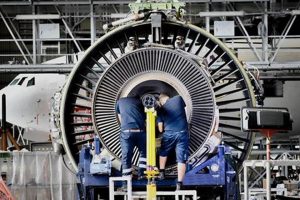
Propulsion laboratories are dedicated to the study and development of engine technologies for aircraft and spacecraft. These facilities include test stands for evaluating the performance of various engines, as well as equipment for analyzing combustion processes and emissions. Illinois institutions with strong aerospace programs maintain advanced propulsion labs to facilitate research on alternative fuels, advanced combustion techniques, and novel propulsion systems. This ensures the institutions prepare graduates to contribute to the ongoing evolution of aircraft power.
- Materials Testing Laboratories
Materials testing laboratories are equipped with instruments for characterizing the properties of materials used in aerospace applications. These labs allow researchers to assess the strength, durability, and thermal resistance of materials under extreme conditions. Illinois colleges often utilize materials testing labs to develop and evaluate advanced composites, alloys, and coatings for use in aircraft structures, engines, and thermal protection systems. The insights into the structural integrity of materials allows for the creation of safer and more efficient aerospace vehicle designs.
- Space Systems Laboratories
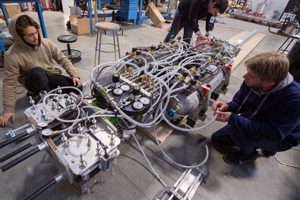
Space systems laboratories provide facilities for designing, building, and testing spacecraft components and systems. These labs include clean rooms for assembling sensitive electronics, thermal vacuum chambers for simulating the space environment, and testbeds for validating satellite communication systems. Illinois institutions utilize space systems labs to enable students and faculty to participate in CubeSat projects, design and test spacecraft subsystems, and conduct research on space exploration technologies. This hands-on experience is a crucial step for training the next generation of space system engineers.
In summary, sophisticated research facilities are integral to Illinois’ aerospace engineering colleges. They facilitate groundbreaking research, provide students with invaluable practical experience, and contribute to the advancement of aerospace technology. The presence of well-equipped facilities is a key indicator of the quality and competitiveness of an aerospace engineering program, benefiting students and advancing the industry through the creation of leading-edge designs.
6. Career Placement
The success of aerospace engineering colleges in Illinois is inextricably linked to the career placement rates of their graduates. Employment statistics serve as a tangible metric reflecting the efficacy of the educational programs and their alignment with industry demands. High placement rates signify that the curriculum, research opportunities, and industry connections provided by these institutions are effectively preparing students for professional roles. Conversely, low placement rates may indicate deficiencies in program content, a disconnect from industry needs, or inadequate career support services. Aerospace companies actively recruit from Illinois institutions known for producing skilled and well-prepared graduates. For example, Boeing and Lockheed Martin frequently hire engineers from specific Illinois programs due to their reputation for excellence and focus on practical application of knowledge.
Career placement is not solely a consequence of technical skills but also encompasses the development of soft skills, such as teamwork, communication, and problem-solving. Aerospace engineering colleges in Illinois often incorporate these elements into their curriculum and extracurricular activities to enhance graduates’ employability. Furthermore, career services departments within these institutions play a vital role in connecting students with potential employers through career fairs, networking events, and internship programs. The establishment of close relationships between the colleges and industry partners results in targeted recruiting efforts and specialized training programs that further enhance career prospects. For example, some Illinois programs have established mentorship programs with alumni working in leading aerospace companies, providing invaluable guidance and networking opportunities for current students.
In conclusion, the career placement of graduates is a crucial indicator of the overall quality and relevance of aerospace engineering colleges in Illinois. It reflects the effectiveness of the academic program, the strength of industry connections, and the adequacy of career support services. Prospective students should carefully consider career placement statistics when evaluating different programs, as they provide valuable insights into the potential return on investment of their education. A commitment to robust career placement support is essential for ensuring that Illinois aerospace engineering colleges continue to produce highly skilled and employable graduates who contribute to the advancement of the aerospace industry.
Frequently Asked Questions Regarding Aerospace Engineering Colleges in Illinois
This section addresses common inquiries concerning the pursuit of aerospace engineering education within the state of Illinois, providing clarity on various aspects of program selection and career prospects.
Question 1: What are the typical admission requirements for aerospace engineering programs in Illinois?
Admission typically requires a strong academic record, including high grades in mathematics, physics, and chemistry. Standardized test scores, such as the SAT or ACT, are generally required. Some institutions may also consider extracurricular activities, letters of recommendation, and a personal essay highlighting the applicant’s interest in aerospace engineering.
Question 2: Are there significant differences in the curriculum offered across different aerospace engineering colleges in Illinois?
While core concepts are consistent, variations exist in specialization options, elective courses, and research opportunities. Some programs emphasize astronautics, while others focus on aeronautics. The depth of coverage in specific areas, such as computational fluid dynamics or composite materials, may also differ. Prospective students should carefully examine the curriculum of each program to determine alignment with their interests.
Question 3: How important is ABET accreditation for aerospace engineering programs in Illinois?
ABET accreditation is paramount. Graduation from an ABET-accredited program is often a prerequisite for professional licensure and employment in many aerospace engineering positions. Accreditation signifies that the program meets established quality standards for engineering education.
Question 4: What types of research opportunities are available to aerospace engineering students in Illinois?
Research opportunities vary depending on the institution and faculty expertise. Students may have the chance to participate in faculty-led research projects, work in specialized laboratories, or conduct independent research. Common research areas include aerodynamics, propulsion, materials science, and space systems engineering.
Question 5: What career paths are typically pursued by graduates of aerospace engineering programs in Illinois?
Graduates pursue careers in various sectors, including aerospace companies, government agencies, and research institutions. Common job titles include aerospace engineer, design engineer, test engineer, research scientist, and systems engineer. Employment may involve the design, development, testing, and analysis of aircraft, spacecraft, satellites, and related systems.
Question 6: How do industry partnerships benefit aerospace engineering students in Illinois?
Industry partnerships provide valuable opportunities for internships, cooperative education programs, and networking. These collaborations expose students to real-world engineering challenges, foster professional development, and enhance their career prospects. Companies contribute to curriculum development, provide equipment and software, and offer guest lectures, ensuring that programs are aligned with industry needs.
These responses offer a preliminary understanding of key considerations for prospective aerospace engineering students in Illinois. Further investigation into specific institutions and programs is recommended.
The subsequent sections will address key Illinois institutions and their contributions.
Conclusion
The preceding exploration of aerospace engineering colleges in Illinois has illuminated the crucial factors influencing the quality of education and the career readiness of graduates. Elements such as ABET accreditation, robust faculty research, curriculum rigor, effective industry partnerships, state-of-the-art research facilities, and strong career placement rates are fundamental to distinguishing superior programs. The evaluation of these criteria empowers prospective students to make informed decisions aligning with their aspirations.
The ongoing demand for skilled aerospace engineers underscores the significance of these educational institutions. Continued investment in facilities, faculty, and industry collaborations is essential for maintaining Illinois’ prominence in the aerospace sector and for preparing graduates to meet the challenges and opportunities of the future. Further research and engagement with the programs highlighted herein are encouraged for all prospective students seeking to contribute to this vital field.