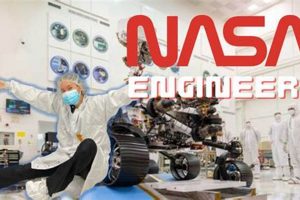
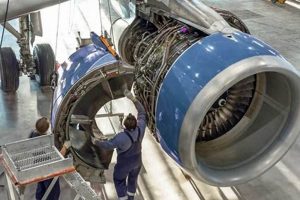
One field focuses on the design, development, and testing of aircraft and spacecraft. It involves aerodynamics, propulsion, materials science, and control systems. The other centers on the study and application of electricity, electronics, and electromagnetism. This area encompasses circuit design, power generation, signal processing, and telecommunications.
Both disciplines are vital for technological advancement and economic growth. The first has driven innovation in air travel, space exploration, and defense technologies. The second is fundamental to modern communication networks, computing devices, and energy infrastructure. Historically, one emerged with the advent of flight, while the other traces its roots back to the understanding and harnessing of electricity.
Understanding the fundamental principles and career paths associated with each choice is crucial for aspiring engineers. The following sections will delve into the specific skills, educational requirements, and potential applications within each of these domains.
Guidance for Prospective Practitioners
The subsequent recommendations offer insights for individuals considering pursuing professional endeavors in either of these technically demanding areas.
Tip 1: Cultivate a strong foundation in mathematics and physics. Proficiency in calculus, differential equations, linear algebra, and classical mechanics is essential for success in either field.
Tip 2: Develop robust problem-solving skills. Both areas require the ability to analyze complex systems, identify critical issues, and devise effective solutions. Practice applying theoretical knowledge to real-world engineering challenges.
Tip 3: Gain practical experience through internships or research opportunities. Hands-on involvement in design, testing, or analysis projects will provide invaluable insights into the day-to-day realities of engineering work.
Tip 4: Explore relevant software tools and technologies. Familiarity with computer-aided design (CAD) software, simulation packages, and programming languages is increasingly important for engineers in all disciplines.
Tip 5: Emphasize effective communication skills. The ability to clearly and concisely convey technical information to both technical and non-technical audiences is crucial for collaboration and project success.
Tip 6: Remain abreast of emerging trends and technologies. Active participation in professional organizations, attending industry conferences, and reading technical publications will ensure continuous learning and professional development.
Tip 7: Consider specialization within each area. One might focus on areas such as propulsion systems or composite materials, while the other may explore power electronics or signal processing.
Adhering to these guidelines can significantly enhance preparedness for the rigors and rewards of a career in these fields.
The following sections will provide a more in-depth exploration of specific career paths and industry outlooks.
1. Fundamental Sciences

A robust understanding of fundamental sciences forms the bedrock upon which both aerospace and electrical engineering are built. These disciplines rely heavily on core scientific principles to develop innovative technologies and solve complex engineering problems. Without a solid grasp of these foundational concepts, advancement within either field would be severely hampered.
- Mathematics and Calculus
Mathematics, particularly calculus, provides the analytical tools essential for modeling and simulating physical phenomena. In aerospace, calculus is used to calculate flight trajectories, optimize aerodynamic designs, and analyze structural stresses. In electrical engineering, it is crucial for circuit analysis, signal processing, and control system design. Mastery of these mathematical concepts enables engineers to predict system behavior and optimize performance.
- Physics and Mechanics
Physics, encompassing mechanics, electromagnetism, and thermodynamics, is indispensable for both fields. Aerospace engineers apply principles of fluid mechanics and aerodynamics to design efficient aircraft and spacecraft. Electrical engineers utilize electromagnetism to develop motors, generators, and communication systems. A deep understanding of these principles allows engineers to design systems that operate reliably under various conditions.
- Materials Science
Materials science plays a pivotal role in determining the suitability of materials for specific applications. Aerospace engineers select materials with high strength-to-weight ratios and resistance to extreme temperatures for aircraft structures. Electrical engineers choose materials with specific electrical and magnetic properties for electronic components. The ability to characterize and manipulate material properties is critical for designing high-performance systems.
- Thermodynamics
Thermodynamics is vital for understanding energy transfer and efficiency in various systems. Aerospace engineers apply thermodynamics principles to design efficient propulsion systems and manage heat dissipation in spacecraft. Electrical engineers utilize thermodynamics to optimize power generation and distribution systems. Understanding thermodynamic principles is crucial for designing systems that are energy-efficient and environmentally sustainable.
The application of these fundamental sciences extends far beyond theoretical concepts. Engineers in both disciplines use these principles daily to solve real-world problems, design innovative solutions, and push the boundaries of technological advancement. Whether it is designing a more efficient turbine engine or developing a more reliable power grid, a strong foundation in these sciences is essential for success. The capacity to translate theoretical knowledge into practical applications is the hallmark of a skilled and effective engineer in either field.
2. Design Principles

Design principles are fundamental to both aerospace and electrical engineering, dictating the creation of functional, reliable, and efficient systems. In aerospace engineering, design principles guide the development of aircraft and spacecraft, considering factors such as aerodynamics, structural integrity, and propulsion efficiency. Deviation from sound design principles can lead to catastrophic failures, highlighting the critical importance of adhering to established guidelines. For instance, the design of an aircraft wing relies on airfoil principles to generate lift while minimizing drag. Similarly, the structural design must withstand aerodynamic forces and gravitational loads, requiring careful consideration of material properties and stress distribution. The cause-and-effect relationship is clear: inadequate design leads to compromised performance or structural failure. The implementation of these principles is paramount for the effective functioning of aerospace systems.
In electrical engineering, design principles are equally crucial in the creation of electronic circuits, power systems, and communication networks. These principles encompass considerations such as signal integrity, power efficiency, and electromagnetic compatibility. The design of a power grid, for example, necessitates adherence to principles of voltage regulation, fault protection, and system stability. Failures in the design of electrical systems can result in power outages, equipment damage, or safety hazards. Similarly, the design of integrated circuits requires careful attention to transistor sizing, routing, and power dissipation. Design rules and simulation tools are employed to ensure that circuits meet performance specifications and operate reliably. In communication networks, design principles dictate the modulation schemes, channel coding, and network protocols used to transmit information efficiently and accurately. The application of design principles ensures the creation of robust and dependable electrical systems.
In summary, design principles serve as the cornerstone for successful engineering endeavors in both aerospace and electrical domains. They provide a framework for conceptualizing, analyzing, and implementing solutions to complex problems. Adherence to these principles is not merely a matter of best practice but a necessity for ensuring the safety, reliability, and performance of engineered systems. The challenges inherent in both fields require a thorough understanding and meticulous application of design principles, emphasizing the critical link between theoretical knowledge and practical outcomes.
3. Systems Integration

Systems integration is a pivotal aspect within both aerospace and electrical engineering, representing the process of combining individual components or subsystems into a unified, functional whole. The effective integration of diverse elements is paramount for the successful operation of complex engineering systems. In aerospace engineering, this entails integrating various subsystems such as avionics, propulsion, flight control, and structural elements into a cohesive aircraft or spacecraft. A failure in systems integration can have catastrophic consequences; for example, a poorly integrated flight control system could lead to instability and loss of control. Therefore, meticulous planning, testing, and validation are essential to ensure that all components work harmoniously together. The importance of systems integration is underscored by the need to meet stringent performance requirements, safety standards, and regulatory guidelines. Real-life examples include the development of advanced aircraft like the Boeing 787, where extensive integration of composite materials, electrical systems, and avionics was critical to achieving performance targets. The practical significance lies in the ability to create robust, efficient, and reliable aerospace systems.
In electrical engineering, systems integration involves combining electrical components, software, and communication networks to create functional systems. Examples include smart grids, industrial automation systems, and advanced communication networks. Successful integration requires careful consideration of compatibility, interoperability, and performance metrics. For instance, in a smart grid, integrating renewable energy sources, energy storage systems, and advanced metering infrastructure requires seamless communication and coordination. Challenges in systems integration often arise from the complexity of managing interactions between different subsystems, ensuring data security, and maintaining system stability. The rise of the Internet of Things (IoT) has further amplified the importance of systems integration in electrical engineering, as vast networks of interconnected devices demand robust and scalable integration strategies. Proper integration is essential for optimized performance and functionality within electrical engineering.
In conclusion, systems integration serves as a linchpin in both aerospace and electrical engineering. The challenges associated with integrating diverse components and subsystems demand a rigorous approach to design, testing, and validation. The ability to effectively integrate complex systems is crucial for achieving performance objectives, ensuring safety, and meeting regulatory requirements. The ever-increasing complexity of modern engineering systems necessitates a continued emphasis on systems integration as a core competency in both fields, underlining its significance in driving innovation and advancing technological capabilities. Effective integration is critical to delivering stable, performant, and safe outcomes.
4. Computational Modeling

Computational modeling forms a cornerstone of modern engineering practice, providing a means to simulate and analyze complex systems prior to physical realization. Within aerospace engineering, computational modeling facilitates the design and optimization of aircraft and spacecraft. Computational Fluid Dynamics (CFD), for example, enables engineers to simulate airflow around airfoils and entire aircraft configurations, predicting lift, drag, and stability characteristics. Finite Element Analysis (FEA) allows for structural analysis, predicting stress distributions and deformation under various loading conditions. The utilization of these tools reduces the need for extensive and costly physical testing, allowing for iterative design improvements in a virtual environment. A direct consequence of accurate computational modeling is improved performance, reduced development time, and enhanced safety of aerospace vehicles. For instance, NASA utilizes computational modeling extensively in the design of spacecraft, simulating thermal environments and structural responses to ensure mission success. The practical significance of this is manifest in optimized designs, reduced risk, and greater mission reliability.
In electrical engineering, computational modeling is equally critical, enabling the analysis and design of electronic circuits, electromagnetic systems, and power networks. Simulation tools, such as SPICE, allow engineers to model circuit behavior, predict signal integrity, and optimize power consumption. Electromagnetic field solvers, like COMSOL, facilitate the design of antennas, waveguides, and other electromagnetic devices. The application of computational modeling in electrical engineering is exemplified by the design of high-speed integrated circuits, where signal propagation delays and power dissipation must be carefully controlled. Power systems also rely heavily on computational modeling to analyze grid stability, optimize power flow, and assess the impact of renewable energy sources. The cause-and-effect relationship is clear: improved modeling accuracy leads to better circuit performance, more efficient power systems, and more reliable communication networks. The tangible outcome is improved system performance and reduced risk of failure.
In summary, computational modeling serves as an indispensable tool in both aerospace and electrical engineering. It enables engineers to simulate, analyze, and optimize complex systems, leading to improved performance, reduced development costs, and enhanced safety. Challenges remain in the development of accurate models and the validation of simulation results, particularly for highly complex systems. Nevertheless, computational modeling will continue to play an increasingly important role in both disciplines, driving innovation and shaping the future of engineering practice.
5. Testing Protocols

Testing protocols are integral to both aerospace and electrical engineering, serving as the validation mechanisms for ensuring system reliability, safety, and performance. These protocols are meticulously designed sets of procedures employed to evaluate components, subsystems, and complete systems against predefined specifications and standards. Within aerospace engineering, testing protocols encompass a wide range of assessments, including structural integrity tests, aerodynamic simulations, and propulsion system evaluations. Cause-and-effect relationships are paramount; for instance, structural testing identifies weaknesses in airframe designs, preventing catastrophic failures during flight. The importance is evident in the stringent regulatory requirements imposed by aviation authorities, mandating rigorous testing prior to aircraft certification. Real-life examples include wind tunnel testing of aircraft models, fatigue testing of structural components, and engine performance evaluations. The practical significance lies in mitigating risks and ensuring the airworthiness of aircraft and spacecraft.
In electrical engineering, testing protocols involve evaluating the performance and reliability of electronic circuits, power systems, and communication networks. These protocols cover a broad spectrum of assessments, including signal integrity tests, electromagnetic compatibility (EMC) evaluations, and power grid stability analyses. Testing identifies potential vulnerabilities and ensures compliance with industry standards. Examples include functional testing of integrated circuits, EMC testing of electronic devices, and load testing of power transformers. The practical applications are diverse, ranging from ensuring the reliability of consumer electronics to maintaining the stability of critical infrastructure.
In summary, testing protocols are indispensable for ensuring the safety, reliability, and performance of systems developed in both aerospace and electrical engineering. These protocols provide the means to validate designs, identify potential weaknesses, and ensure compliance with regulatory requirements. The rigor and comprehensiveness of testing protocols directly impact the success and safety of engineering endeavors, underscoring their critical importance. Despite the challenges associated with simulating real-world conditions and managing complex testing environments, ongoing advancements in testing methodologies and technologies are continuously enhancing the effectiveness and efficiency of validation processes within these fields.
6. Regulations Compliance
Regulations compliance is a non-negotiable aspect of both aerospace and electrical engineering, directly influencing design, manufacturing, and operational procedures. Stringent regulations are imposed by governmental agencies and international organizations to ensure safety, reliability, and environmental responsibility. In aerospace engineering, compliance with regulations such as those stipulated by the Federal Aviation Administration (FAA) or the European Aviation Safety Agency (EASA) dictates every stage of aircraft development, from initial design to final certification. Non-compliance can lead to severe penalties, including grounding of aircraft and legal liabilities. The cause-and-effect relationship is evident: adherence to regulations ensures the safety of passengers and the public, while violations risk catastrophic consequences. For example, aircraft manufacturers must demonstrate compliance with stringent noise emission standards and airworthiness directives. The practical significance of this is ensuring safe and reliable air travel.
Electrical engineering is similarly subject to rigorous regulatory oversight. Compliance with standards set by organizations such as the Institute of Electrical and Electronics Engineers (IEEE) and the International Electrotechnical Commission (IEC) is essential for ensuring the safety and performance of electrical systems and equipment. Regulations address issues such as electromagnetic compatibility (EMC), electrical safety, and energy efficiency. In the power industry, compliance with regulations from bodies like the North American Electric Reliability Corporation (NERC) is critical for maintaining grid stability and preventing blackouts. Non-compliance can result in fines, equipment recalls, and legal action. The enforcement of EMC standards, for example, prevents electromagnetic interference from disrupting other electronic devices. The practical application of this is to ensure the reliable operation of electrical systems and protect public health.
In summary, regulations compliance constitutes an indispensable element of both aerospace and electrical engineering. These regulations, enforced by various governing bodies, aim to safeguard public safety, ensure system reliability, and promote environmental stewardship. The challenges lie in keeping abreast of evolving standards and effectively implementing compliance measures throughout the engineering lifecycle. Despite these challenges, maintaining strict adherence to regulations remains paramount for both industries, highlighting the inextricable link between compliance and responsible engineering practice.
7. Continuous Innovation

Continuous innovation is an indispensable component driving progress within both aerospace and electrical engineering. The relentless pursuit of advancements in these fields is not merely aspirational but essential for maintaining competitive advantage, addressing evolving technological challenges, and meeting societal needs. In aerospace engineering, innovation manifests in the development of more efficient aircraft, advanced propulsion systems, and cutting-edge spacecraft designs. A cause-and-effect relationship is observed wherein investment in research and development directly correlates with enhanced performance capabilities and reduced environmental impact. For instance, the development of composite materials has enabled the creation of lighter, more fuel-efficient aircraft. The practical significance of this lies in decreased operating costs and reduced carbon emissions. Continuous innovation, therefore, ensures the long-term viability and relevance of aerospace technologies.
Similarly, in electrical engineering, continuous innovation is critical for advancements in areas such as renewable energy, telecommunications, and microelectronics. The development of more efficient solar cells, for example, directly contributes to the expansion of sustainable energy sources. In telecommunications, the ongoing development of faster and more reliable wireless communication technologies is essential for supporting the increasing demand for data transmission. Microelectronics is continually evolving to create smaller, faster, and more energy-efficient electronic devices. Practical applications of these innovations are evident in the proliferation of smartphones, the expansion of the Internet of Things (IoT), and the development of smart grids. These advancements are essential for continued growth and societal benefit.
In summary, continuous innovation serves as the lifeblood of both aerospace and electrical engineering. The relentless pursuit of improvement is not merely desirable but necessary for addressing complex challenges and realizing future opportunities. The challenges include the need for sustained investment in research and development, the management of technological risks, and the adaptation to rapidly changing market conditions. Despite these challenges, the commitment to continuous innovation remains paramount for ensuring the sustained progress and societal relevance of these critical engineering disciplines.
Frequently Asked Questions
The following addresses common inquiries regarding core aspects of two distinct yet technologically intertwined engineering disciplines.
Question 1: What are the fundamental differences in skill sets required for each?
One requires proficiency in aerodynamics, propulsion systems, and structural analysis, while the other demands expertise in circuit design, signal processing, and power systems. Specific expertise varies significantly, reflecting the unique challenges within each field.
Question 2: How do educational paths differ between the disciplines?
One typically involves specialized coursework in flight mechanics, aerospace structures, and orbital mechanics. The other emphasizes electromagnetics, control systems, and digital electronics. These specialized curricula are tailored to the unique demands of each engineering domain.
Question 3: What are typical career paths in each area?
One can pursue roles in aircraft design, spacecraft development, or satellite communication. The other may lead to careers in power grid management, electronic device manufacturing, or telecommunications engineering. The career trajectories reflect the distinctive sectors associated with each area.
Question 4: How significant is computational modeling in each field?
Both disciplines heavily rely on computational modeling for simulation, analysis, and optimization. Aerospace engineering uses CFD and FEA, while electrical engineering employs SPICE and electromagnetic field solvers. Modeling is crucial for performance prediction and system design.
Question 5: What role does regulations compliance play in each?
Both require strict adherence to industry and governmental regulations to ensure safety and reliability. Aviation authorities impose stringent rules on aerospace designs, while electrical engineering is governed by standards organizations like IEEE and IEC. Compliance is essential for public safety and legal adherence.
Question 6: How important is continuous innovation in the two disciplines?
Innovation is crucial for sustained progress and competitiveness in both fields. Aerospace engineering continually seeks advancements in materials, propulsion, and aerodynamics, while electrical engineering focuses on microelectronics, renewable energy, and telecommunications. Progress is a necessity to stay relevant and competitive.
A strong understanding of these fundamentals is crucial for those contemplating a career path in either field.
The subsequent sections will explore career outlooks and future trends in each area.
Conclusion
This exploration has delineated the defining characteristics, underlying principles, and diverse applications inherent in aerospace engineering or electrical engineering. A comprehensive understanding of the fundamental sciences, design principles, systems integration, computational modeling, testing protocols, regulations compliance, and the imperative of continuous innovation is crucial for aspiring engineers contemplating a career in either discipline. The distinct nature of each field necessitates a careful evaluation of individual aptitudes and career aspirations.
The decision to pursue aerospace engineering or electrical engineering represents a significant commitment to a demanding yet rewarding professional trajectory. A thorough consideration of the factors outlined herein will empower prospective engineers to make informed choices and contribute meaningfully to technological advancement and societal progress within their chosen domain. Further exploration of specialized areas and engagement with industry professionals are encouraged to refine career pathways and cultivate expertise.