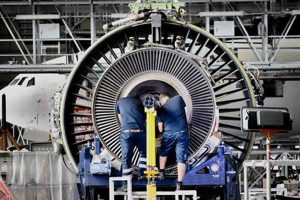
The segment involves the design, manufacturing, maintenance, repair, and overhaul of powerplants used in a variety of aircraft. This encompasses a broad spectrum of activities, from the initial creation and assembly of these complex mechanical systems to their ongoing upkeep and restoration to original performance specifications. An example could include the thorough inspection and refurbishment of a turbine engine used in a commercial airliner to extend its operational lifespan.
Capabilities in this area are significant due to the criticality of aviation engines to aircraft safety and performance. The maintenance, repair, and overhaul activities ensure the operational readiness and airworthiness of fleets, impacting safety, efficiency, and cost-effectiveness for airlines and other aviation operators. The history of related activities reflects the continuous innovation and demand for improved engine technology and maintenance processes to meet evolving industry needs.
The following sections will delve into specific aspects of this area, including technological advancements, service offerings, and contributions to the broader aerospace industry.
Maintenance and Operational Optimization
The following considerations are critical for the sustained and efficient operation of aircraft powerplants.
Tip 1: Adhere to Stringent Maintenance Schedules: Regular inspections and scheduled maintenance are paramount. These activities, conducted in accordance with manufacturer specifications, mitigate the risk of component failure and ensure optimal engine performance.
Tip 2: Utilize Condition Monitoring Systems: Employ advanced condition monitoring technologies. These systems provide real-time data on engine performance, enabling proactive maintenance interventions and preventing unscheduled downtime. Data analysis can reveal trends indicative of developing issues.
Tip 3: Implement Comprehensive Training Programs: Invest in comprehensive training for maintenance personnel. Skilled technicians are essential for accurate diagnostics, effective repairs, and adherence to industry best practices. Specialized training programs enhance technician proficiency.
Tip 4: Ensure Proper Storage and Handling of Components: Maintain strict protocols for the storage and handling of engine components. This minimizes the risk of damage or contamination, preserving the integrity of critical parts. Controlled environments and specialized packaging are recommended.
Tip 5: Optimize Fuel Efficiency: Implement strategies to optimize fuel efficiency. These may include engine modifications, aerodynamic improvements, and operational adjustments. Reduced fuel consumption translates to cost savings and environmental benefits.
Tip 6: Invest in Prognostics and Health Management (PHM): Implement PHM strategies to predict potential failures and optimize maintenance schedules. This advanced approach minimizes downtime and enhances operational efficiency.
Tip 7: Maintain Detailed Records: Keep meticulous records of all maintenance activities and engine performance data. This historical record facilitates trend analysis, identifies recurring issues, and supports informed decision-making. Accurate record-keeping is essential for regulatory compliance.
Adherence to these guidelines will contribute to the longevity, reliability, and cost-effectiveness of aircraft powerplants, ultimately enhancing operational safety and efficiency.
The following sections will elaborate on specific technologies and services related to powerplant maintenance and optimization.
1. MRO Capabilities

Maintenance, Repair, and Overhaul (MRO) capabilities form a critical segment of the broader spectrum of activities associated with specialized engine operations. Without robust MRO capabilities, the operational lifespan and performance of these complex machines are severely compromised. The direct connection lies in the fact that continuous airworthiness and operational efficiency are dependent on regular and meticulous MRO services. A typical example is the scheduled overhaul of a commercial jet engine, where components are inspected, repaired or replaced, and the engine is reassembled to meet original performance specifications. The absence of such MRO intervention leads to increased failure rates, reduced fuel efficiency, and elevated safety risks.
The economic impact of comprehensive MRO capabilities is also significant. Airlines rely on the timely and efficient execution of MRO services to minimize aircraft downtime and maintain flight schedules. Investments in advanced diagnostic tools and skilled technicians directly translate to reduced operational costs and increased aircraft availability. Furthermore, MRO services contribute to the extension of engine lifespan, deferring the need for costly replacements and maximizing the return on investment for operators. For example, proactive MRO practices have enabled specific airlines to extend the service life of their engine fleets by several years, yielding substantial financial benefits.
In conclusion, MRO capabilities are not merely a supplementary component but an integral element essential to ensure the safe, efficient, and economically viable operation. The commitment to advancing MRO technologies and practices is crucial for sustaining the aviation industry’s growth and meeting the evolving demands of global air travel. The long-term success is inextricably linked to the continued development and implementation of best-in-class MRO services.
2. Engineering Expertise

Engineering expertise forms the bedrock upon which the development, maintenance, and advancement of powerplants rest. This domain encompasses a broad spectrum of knowledge and skills critical to ensuring optimal performance, reliability, and safety. The application of sophisticated engineering principles is integral to addressing the complex challenges inherent in the aviation sector.
- Design Optimization
This facet involves the application of advanced analytical techniques to refine engine designs, improving performance metrics such as fuel efficiency and thrust-to-weight ratio. For instance, computational fluid dynamics (CFD) simulations are employed to optimize airflow within the engine, minimizing drag and enhancing combustion efficiency. The implications include reduced operational costs for airlines and improved environmental performance due to lower emissions.
- Materials Science and Engineering
The selection and application of advanced materials, such as high-temperature alloys and composite materials, are crucial for enhancing engine durability and performance. These materials must withstand extreme conditions of temperature, pressure, and vibration. An example is the use of single-crystal turbine blades, which offer superior creep resistance at high temperatures, extending the operational life of the engine. This reduces maintenance frequency and improves overall reliability.
- Structural Integrity and Analysis
Ensuring the structural integrity of engine components is paramount for safety and operational longevity. Finite element analysis (FEA) is employed to assess stress distributions within critical components, identifying potential failure points and informing design modifications. This analysis helps to prevent catastrophic failures and extend the service life of engines, thereby enhancing passenger safety and minimizing downtime.
- Integration and Systems Engineering
This encompasses the seamless integration of engine systems with the aircraft’s overall architecture. This involves careful consideration of factors such as aerodynamics, electrical systems, and control systems. Effective integration ensures that the engine operates efficiently and reliably within the broader aircraft system. The implications include improved aircraft performance, reduced fuel consumption, and enhanced overall safety.
These facets of engineering expertise are inextricably linked to the performance and reliability. Continuous advancements in these areas are essential for meeting the evolving demands of the aviation industry and ensuring the safe and efficient operation of aircraft worldwide. Further research and development in these areas are paramount for sustaining leadership in the global aerospace market.
3. Component Manufacturing

Component manufacturing, in the context of specialized engines, represents a foundational element for ensuring operational performance and longevity. The precision and quality of manufactured components directly influence engine reliability, efficiency, and safety, making it a critical aspect of the overall value proposition in the aerospace sector.
- Precision Machining of Critical Parts
The production of turbine blades, discs, and combustion chamber components necessitates adherence to stringent tolerances and surface finish requirements. Computer Numerical Control (CNC) machining and advanced grinding techniques are employed to achieve these levels of precision. An example is the manufacturing of turbine blades with intricate airfoil designs to optimize aerodynamic efficiency, directly impacting engine thrust and fuel consumption. Deviation from specified tolerances can lead to reduced engine performance and increased risk of failure.
- Materials Engineering and Fabrication
The selection and processing of materials, including high-temperature alloys and composite materials, are fundamental to component manufacturing. Processes such as investment casting, forging, and additive manufacturing are utilized to produce parts with specific mechanical properties and microstructures. For instance, the manufacturing of turbine discs using powder metallurgy techniques enhances their fatigue resistance and extends their service life. Material defects or improper fabrication techniques can compromise structural integrity and lead to catastrophic engine failures.
- Supply Chain Management and Quality Control
Effective management of the supply chain is essential to ensure the timely delivery of high-quality components from various suppliers. Stringent quality control measures, including non-destructive testing (NDT) methods such as radiography and ultrasonic inspection, are implemented throughout the manufacturing process. For example, regular audits of suppliers and rigorous inspection of incoming materials are conducted to prevent the introduction of substandard components into the manufacturing stream. Deficiencies in supply chain management or quality control can result in delays, increased costs, and compromised engine reliability.
- Reverse Engineering and Parts Replication
The capability to reverse engineer and replicate obsolete or hard-to-source engine components is a valuable asset, particularly for supporting legacy aircraft and extending their operational lifespan. This process involves the detailed analysis of existing parts to create manufacturing drawings and specifications. For instance, the replication of a discontinued compressor blade for an older engine model can enable continued operation of the aircraft without requiring a costly engine upgrade. Inaccurate reverse engineering or the use of inferior materials can compromise engine performance and safety.
These facets of component manufacturing are essential for maintaining a competitive edge and ensuring the reliability of aero engines. Investment in advanced manufacturing technologies and robust quality control processes is critical for sustaining leadership in the global aerospace market, ensuring the components meet the stringent demands of the industry and contribute to the safe and efficient operation of aircraft.
4. Performance Optimization
Performance optimization is a central objective in the operation and maintenance of aerospace engines. It directly impacts fuel efficiency, operational costs, and environmental impact. The pursuit of enhanced performance permeates all facets of engine design, operation, and maintenance.
- Aerodynamic Enhancements
Refinements to blade profiles, nozzle designs, and internal flow paths can significantly reduce drag and improve airflow efficiency. For example, incorporating advanced airfoil designs on turbine blades can increase the energy extraction from the combustion gases, leading to greater thrust output and reduced fuel consumption. Inefficient aerodynamics translate directly to higher fuel burn and reduced operational range.
- Combustion Efficiency Improvements
Optimizing the combustion process through advanced fuel injection systems, improved mixing, and controlled flame propagation reduces unburned hydrocarbons and other emissions. Implementing lean-burn combustion technologies, for instance, minimizes the formation of nitrogen oxides (NOx), a major air pollutant. Incomplete combustion contributes to environmental degradation and reduced engine efficiency.
- Weight Reduction Strategies
Employing lightweight materials, such as titanium alloys and composite materials, in engine construction reduces overall weight, leading to improved fuel efficiency and increased payload capacity. The use of additive manufacturing techniques can enable the creation of complex, lightweight components with optimized structural properties. Excess weight increases fuel consumption and reduces the operational capabilities of the aircraft.
- Advanced Control Systems
Implementing sophisticated engine control systems that continuously monitor and adjust engine parameters, such as fuel flow, air-fuel ratio, and turbine inlet temperature, optimizes performance under varying operating conditions. Real-time adjustments based on sensor data can maximize efficiency and minimize emissions. Inefficient control systems result in suboptimal engine performance and increased wear and tear.
These interconnected aspects of performance optimization are crucial for realizing the full potential. Continued investment in research and development, adoption of advanced technologies, and meticulous attention to detail are essential for maximizing engine performance and meeting the evolving demands of the aerospace industry. These optimizations contribute to safer, more efficient, and environmentally responsible air travel.
5. Regulatory Compliance
The intersection of regulatory compliance and aero engine operations is critical to the safe and efficient functioning of the global aviation industry. Strict adherence to established regulations is not merely a procedural requirement but a fundamental prerequisite for maintaining airworthiness and operational integrity. Compliance frameworks, such as those promulgated by the Federal Aviation Administration (FAA) in the United States or the European Union Aviation Safety Agency (EASA) in Europe, mandate stringent standards for engine design, manufacturing, maintenance, and operation. Failure to meet these standards can lead to severe consequences, including grounding of aircraft, revocation of operating licenses, and legal penalties. For instance, adherence to specific maintenance directives (ADs) issued by regulatory bodies is mandatory to address known safety concerns or potential defects in engine components. Non-compliance with these ADs can directly compromise engine reliability and increase the risk of in-flight failures.
Furthermore, the design and manufacture of engines must conform to rigorous certification standards. These standards dictate specific performance requirements, material specifications, and testing protocols that must be met before an engine can be approved for use in commercial aviation. For example, engine manufacturers are required to demonstrate that their engines can withstand simulated flight conditions, including extreme temperatures, pressures, and vibrations. Compliance with these certification requirements ensures that engines are designed and built to meet stringent safety standards. The practical significance of this understanding is evident in the reduced incidence of engine-related accidents and incidents in commercial aviation compared to earlier eras. Continuous monitoring and auditing by regulatory agencies are essential to ensure ongoing compliance and identify potential areas for improvement.
In conclusion, regulatory compliance is an indispensable component of safe and reliable aero engine operations. The proactive implementation of robust compliance programs, coupled with continuous monitoring and adherence to evolving regulatory standards, is paramount for mitigating risks and ensuring the ongoing safety and efficiency of air travel. Challenges remain in adapting to new technologies and evolving regulatory landscapes, but a commitment to prioritizing compliance is essential for maintaining public trust and upholding the integrity of the aviation industry.
6. Technological Advancements

Technological advancements represent a driving force in the evolution of aero engines, continuously shaping their design, performance, and operational capabilities. These advancements are integral to enhancing fuel efficiency, reducing emissions, improving safety, and extending the lifespan of these critical components.
- Advanced Materials and Coatings
The development and application of high-temperature alloys, ceramic matrix composites (CMCs), and advanced coatings enhance engine durability and performance. These materials allow engines to operate at higher temperatures, increasing thermal efficiency and reducing fuel consumption. An example is the use of titanium aluminide alloys in low-pressure turbine blades, which reduces weight and improves engine efficiency. The implications include lower operating costs for airlines and reduced environmental impact.
- Additive Manufacturing (3D Printing)
Additive manufacturing enables the creation of complex engine components with intricate geometries and optimized designs. This technology reduces manufacturing lead times, minimizes material waste, and allows for the production of lightweight parts with enhanced performance characteristics. An example is the 3D printing of fuel nozzles with complex internal cooling channels, which improves combustion efficiency and reduces emissions. The benefits include faster turnaround times for engine repairs and increased design flexibility.
- Digital Twins and Predictive Maintenance
The creation of digital twins, which are virtual replicas of physical engines, allows for real-time monitoring, simulation, and analysis of engine performance. These digital twins, combined with advanced data analytics and machine learning algorithms, enable predictive maintenance strategies, minimizing downtime and extending engine lifespan. For example, digital twins can predict potential component failures based on operational data, allowing for proactive maintenance interventions. The impact includes reduced maintenance costs and improved operational reliability.
- Hybrid-Electric Propulsion Systems
The development of hybrid-electric propulsion systems offers the potential for significant reductions in fuel consumption and emissions. These systems combine conventional gas turbine engines with electric motors and battery systems, allowing for optimized power delivery and reduced reliance on fossil fuels. An example is the integration of electric motors into the engine fan, which provides supplemental thrust during takeoff and reduces noise pollution. The implications include a transition towards more sustainable aviation practices and reduced environmental impact.
These advancements are continually reshaping the landscape, driving innovation and enhancing the capabilities. The integration of these technologies ensures the ongoing evolution, contributing to safer, more efficient, and environmentally responsible air travel.
7. Operational Reliability
Operational reliability is fundamentally intertwined with specialized engine operations. Engine performance directly dictates aircraft availability, flight schedule adherence, and passenger safety. The continuous ability to perform the intended function without failure is paramount. A reduction in powerplant dependability has cascading effects, impacting airline operations and potentially compromising safety margins. For instance, frequent unscheduled engine removals due to mechanical issues can disrupt flight schedules, increase maintenance costs, and erode passenger confidence.
The correlation is evident in the stringent maintenance protocols and engineering enhancements applied to these engines. Advanced diagnostics, proactive maintenance, and the incorporation of robust materials contribute to minimizing the probability of in-flight failures. Consider the implementation of predictive maintenance programs, which utilize sensor data to anticipate component degradation and schedule maintenance interventions before a failure occurs. These activities directly enhance powerplant dependability and contribute to the reliable operation of aircraft fleets. Moreover, redundant systems and fail-safe designs within the engines further mitigate the risk of catastrophic events, ensuring operational continuity even in the event of component malfunctions.
In summary, operational reliability is not merely a desirable attribute but a critical necessity. The long-term success is dependent upon maintaining a high degree of engine availability and performance. Continuous investment in advanced technologies, rigorous quality control, and proactive maintenance strategies is essential for upholding operational reliability and ensuring the continued safety and efficiency of air travel. Focus on this vital element remains paramount for stakeholders seeking long-term success and stability in the global aerospace market.
Frequently Asked Questions
The following section addresses common inquiries and misconceptions related to operations within this specialized area, offering clarity on key aspects.
Question 1: What specific maintenance services are offered for commercial aero engines?
Maintenance services encompass a range of activities, including engine overhauls, repairs, component replacements, and performance restoration. These services adhere to stringent regulatory requirements and industry best practices.
Question 2: How are engineering modifications implemented to enhance engine performance?
Engineering modifications involve design alterations, material upgrades, and technological integrations aimed at improving fuel efficiency, thrust output, and overall engine reliability. These modifications are subject to rigorous testing and validation processes.
Question 3: What quality control measures are in place during component manufacturing?
Quality control measures include non-destructive testing, dimensional inspections, and material analysis. These processes ensure adherence to specified tolerances and material properties, maintaining component integrity.
Question 4: How is regulatory compliance ensured during engine maintenance and modifications?
Regulatory compliance is ensured through adherence to guidelines and directives issued by aviation authorities, such as the FAA and EASA. Maintenance and modification activities are conducted in accordance with approved procedures and documentation.
Question 5: What strategies are employed to optimize engine fuel efficiency?
Strategies for optimizing fuel efficiency include aerodynamic enhancements, combustion process improvements, and weight reduction initiatives. These efforts aim to minimize fuel consumption and reduce environmental impact.
Question 6: How is operational reliability maintained throughout the engine lifecycle?
Operational reliability is maintained through proactive maintenance, condition monitoring, and the implementation of robust engineering designs. These practices minimize the risk of engine failures and ensure continued operational performance.
The answers to these questions underscore the commitment to maintaining high standards of safety, performance, and compliance.
The succeeding sections will delve into specific case studies and future trends within this dynamic domain.
Conclusion
This exploration of ST Engineering Aerospace Engines has illuminated the multifaceted nature of this field. The critical interplay between maintenance, engineering expertise, component manufacturing, performance optimization, regulatory compliance, technological advancements, and operational reliability has been thoroughly examined. Each element contributes to the overall objective of ensuring safe, efficient, and dependable engine performance.
Continued investment in these areas remains crucial for sustaining a competitive advantage and addressing the evolving demands of the global aerospace industry. The future hinges on innovation and a steadfast commitment to excellence across all operational facets. Further advancements will be essential to meet the increasing demands for sustainable and efficient air travel, underscoring the enduring significance of the endeavors outlined within this discussion.