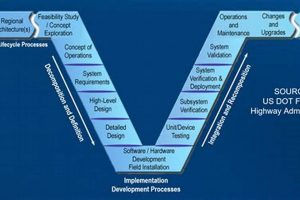
Detailed technical drawings serve as the foundational communication tool for designing, manufacturing, and maintaining aircraft, spacecraft, and related systems. These documents meticulously depict the geometry, dimensions, materials, and fabrication processes required for each component, assembly, and system. As an example, a schematic might illustrate the precise layout of an aircraft’s wing structure, specifying the type and placement of each rib, spar, and skin panel, along with the required tolerances and surface finishes.
These precise schematics are critical for ensuring the structural integrity, aerodynamic performance, and functional reliability of vehicles operating within the Earth’s atmosphere and beyond. Historically, they were hand-drawn, requiring significant time and expertise. The advent of computer-aided design (CAD) and drafting (CADD) technologies has revolutionized the field, enabling greater accuracy, complexity, and efficiency in their creation and modification. This evolution has drastically improved the iterative design process and streamlined manufacturing workflows.
The subsequent sections will delve into specific elements related to these essential documents, encompassing the design considerations, standardization practices, digital tools employed, and the lifecycle management strategies that govern their use from initial conception to end-of-life disposal.
Guidance for Effective Aerospace Technical Schematics
The following guidance provides key considerations for creating and utilizing technical schematics in the aerospace sector. Adherence to these points promotes accuracy, clarity, and efficiency in design, manufacturing, and maintenance operations.
Tip 1: Standardization is Paramount: Strict adherence to industry standards, such as those promulgated by ANSI or ISO, is essential. Uniformity in symbology, dimensioning, and notation facilitates clear communication across teams and organizations, minimizing the potential for misinterpretation and errors.
Tip 2: Precision in Dimensioning and Tolerancing: Employ geometric dimensioning and tolerancing (GD&T) principles to define permissible variations in component features. This ensures proper fit, function, and interchangeability of parts, crucial for reliable performance and maintainability.
Tip 3: Thorough Material Specifications: Clearly specify the materials used in each component, including grade, composition, and applicable certifications. This is vital for ensuring structural integrity, corrosion resistance, and compliance with relevant safety regulations.
Tip 4: Clear Assembly Instructions: Provide comprehensive assembly instructions, including step-by-step procedures, torque specifications, and required tools. These instructions should be easily understood by technicians with varying levels of experience.
Tip 5: Revision Control is Non-Negotiable: Implement a robust revision control system to track changes to technical drawings. This ensures that all stakeholders are working with the latest version of the documentation, preventing the use of outdated or incorrect information.
Tip 6: Utilize CAD Software Effectively: Leverage the capabilities of modern CAD software to create accurate and detailed technical drawings. Employ parametric modeling techniques to facilitate design changes and ensure consistency across assemblies.
Tip 7: Validation and Verification Procedures: Implement rigorous validation and verification procedures to ensure the accuracy and completeness of technical drawings. This may involve peer reviews, simulations, and physical testing.
By following these guidelines, professionals in the aerospace sector can enhance the quality and effectiveness of their technical schematics, leading to improved designs, streamlined manufacturing processes, and enhanced safety outcomes.
The subsequent section will elaborate on specific CAD tools commonly employed in their creation and management.
1. Geometric Dimensioning/Tolerancing (GD&T)

Geometric Dimensioning and Tolerancing (GD&T) constitutes a standardized symbolic language utilized within technical drawings, specifying allowable deviations in manufactured part features from their theoretically perfect geometry. Within aerospace schematics, GD&T is not merely an adjunct, but an intrinsic component vital for ensuring the functionality, interchangeability, and structural integrity of complex systems. The explicit and unambiguous communication afforded by GD&T directly mitigates the potential for misinterpretation during manufacturing and assembly processes. For instance, a wing spar might require positional tolerances within microns relative to a datum structure to guarantee proper load distribution and aerodynamic performance. Failure to accurately define and adhere to these tolerances can lead to structural weakness or premature failure.
The application of GD&T in aerospace directly impacts the overall lifecycle cost of a project. By minimizing variability in manufacturing, GD&T reduces the incidence of rework, scrap, and field failures. Precise control of dimensional and geometric characteristics also enables the optimization of assembly processes, potentially decreasing labor costs and lead times. Consider the mating surfaces of a jet engine turbine blade; stringent GD&T callouts are crucial for achieving the tight clearances necessary for efficient combustion and high-temperature operation. Deviation from these tolerances can result in reduced engine performance and increased maintenance requirements. Furthermore, robust GD&T facilitates the use of advanced manufacturing techniques such as additive manufacturing, allowing for the creation of complex geometries with precisely controlled material properties.
In summary, the integration of GD&T into aerospace technical drawings is fundamental to achieving the exacting performance and reliability requirements demanded by the industry. Although the implementation of GD&T requires specialized knowledge and training, the benefits in terms of reduced manufacturing costs, improved product quality, and enhanced safety outcomes far outweigh the initial investment. Challenges remain in educating engineers and technicians on the proper application of GD&T, but ongoing standardization efforts and the increasing availability of GD&T training programs are progressively addressing these concerns, solidifying its role within future aerospace design and manufacturing practices.
2. Material Specifications & Compliance
The integrity of aerospace systems hinges on meticulously defined material specifications, explicitly conveyed within technical documentation. These specifications, detailed in engineering drawings, are not merely suggestions; they are mandatory requirements dictating the selection and application of materials for every component.
- Mandatory Material Designations
Aerospace drawings must unambiguously specify the exact material required for each component, referencing standardized designations such as ASTM, AMS, or MIL-SPEC. This includes not only the base material (e.g., aluminum alloy 7075-T6) but also any necessary surface treatments or coatings (e.g., anodizing, passivation). For instance, a landing gear strut drawing will explicitly call out the specific steel alloy and heat treatment required to withstand the immense stresses of landing, ensuring structural integrity. Any deviation from these designations could compromise the component’s performance and safety.
- Traceability and Certification
Technical documents often require material traceability, meaning the ability to track the material back to its original source and verify its compliance with specified standards. This typically involves requiring material suppliers to provide Certificates of Analysis (CoAs) and Certificates of Conformance (CoCs) that accompany the material throughout the manufacturing process. In aircraft construction, the source and quality of every fastener, from rivets to bolts, is tracked and certified to prevent the use of substandard or counterfeit parts. This rigorous traceability is critical for maintaining airworthiness and preventing catastrophic failures.
- Material Testing and Verification
Engineering drawings may stipulate specific material testing requirements to validate that the selected material meets the design criteria. These tests can include tensile strength testing, fatigue testing, corrosion resistance testing, and non-destructive testing (NDT) methods like radiography or ultrasonic inspection. A drawing for a composite aircraft wing might mandate specific fiber volume fractions and interlaminar shear strength, verified through destructive testing of representative samples. This ensures the material performs as intended under operational loads and environmental conditions.
- Regulatory Compliance and Documentation
Aerospace material specifications must adhere to stringent regulatory requirements imposed by agencies such as the FAA, EASA, and other national aviation authorities. This compliance is documented directly within the engineering drawings, referencing applicable regulations and standards. For example, drawings for components exposed to fire must specify materials that meet flammability and smoke emission standards outlined in 14 CFR Part 25. Clear documentation of regulatory compliance is essential for obtaining airworthiness certification and operating aircraft safely.
These facets of material specification and compliance are intrinsic to the creation and interpretation of technical schematics. They represent the rigorous adherence to standards and regulations necessary to ensure the safety, reliability, and performance of aerospace vehicles. The information contained in these documents forms the basis for manufacturing processes, quality control procedures, and ultimately, the airworthiness of the aircraft.
3. Assembly and Integration Processes

The realization of designs documented in aerospace engineering schematics culminates in assembly and integration. These processes, meticulously planned and executed, translate detailed drawings into tangible aerospace vehicles and systems. Accurate and accessible blueprints are indispensable for ensuring that each component is assembled correctly, functionalities are integrated seamlessly, and the final product meets stringent performance and safety requirements.
- Sequential Assembly Guidance
Aerospace technical documentation provides step-by-step instructions for assembling complex components. These instructions detail the order of operations, the tools required, and the specific torque values for fasteners. For example, the assembly of an aircraft wing involves attaching ribs to spars, installing control surfaces, and integrating hydraulic and electrical systems, all guided by detailed sequential instructions derived directly from the schematics. Proper adherence to this guidance ensures structural integrity and functionality.
- Interface Management
Aircraft and spacecraft are comprised of numerous interconnected systems. Aerospace blueprints specify the precise interfaces between these systems, including electrical connectors, fluid couplings, and mechanical linkages. Proper interface management, guided by the drawings, is critical for ensuring compatibility and preventing interference. The integration of avionics systems with flight control surfaces, for instance, requires precise alignment and connection of wiring harnesses and data buses, all meticulously defined in the technical schematics.
- Verification and Validation
During assembly and integration, verification and validation activities confirm that the assembled components and integrated systems meet the design requirements outlined in the technical documents. This involves inspections, functional tests, and performance evaluations conducted at various stages of the assembly process. For example, after integrating the propulsion system into a spacecraft, engineers conduct hot-fire tests to verify its thrust, stability, and fuel consumption, comparing the results to the predictions documented in the schematics.
- Troubleshooting and Rework
Despite meticulous planning, discrepancies and defects can arise during assembly and integration. Aerospace blueprints serve as the primary reference for troubleshooting these issues. By consulting the drawings, technicians can identify the root cause of the problem and implement corrective actions. If a hydraulic line is leaking, for example, the schematic will identify the part number, location, and routing of the line, enabling technicians to quickly isolate and repair the leak. The drawings also guide rework procedures to ensure that any modifications or repairs are performed according to approved standards.
These facets underscore the essential role technical documents play in aerospace assembly and integration. They represent the link between design intent and physical reality, ensuring that aerospace vehicles and systems are built according to precise specifications and perform reliably throughout their service life. Without detailed and accurate documents, the assembly and integration of complex aerospace systems would be impossible.
4. Configuration & Revision Control

In aerospace engineering, the term “configuration” refers to the complete set of characteristics that define a product or system, while “revision control” is the systematic management of changes to that configuration throughout its lifecycle. Technical schematics are central to both concepts. Any alteration to the design, materials, manufacturing process, or any other aspect of an aerospace system necessitates a corresponding revision to the relevant document. The consequences of failing to manage these revisions effectively can be severe, potentially leading to mismatched components, performance degradation, or even catastrophic failure. For example, if a design change is implemented to improve the fatigue resistance of a wing spar, this change must be reflected in the schematics, and all subsequent manufacturing processes must adhere to the updated drawing. Failure to do so could result in aircraft being built with the original, less robust spar design, compromising structural integrity.
Configuration management systems within aerospace organizations meticulously track each drawing, specification, and procedure, associating them with a specific configuration baseline. When a change is proposed, it undergoes a rigorous review process to assess its impact on the overall system. Approved changes are then incorporated into the schematics, and a new revision level is assigned. This ensures that all stakeholders, from design engineers to manufacturing technicians, are working with the correct and up-to-date information. Airbus, for instance, employs a comprehensive Product Lifecycle Management (PLM) system to manage the configuration of its aircraft, ensuring that all changes are thoroughly documented and tracked throughout the aircraft’s service life. This system integrates with CAD/CAM software, enabling seamless updates to technical drawings and automatic propagation of changes to downstream processes.
Effective implementation of configuration and revision control for aerospace schematics presents challenges, including the need for robust IT infrastructure, standardized workflows, and a culture of discipline and attention to detail. However, the benefits are undeniable. It ensures airworthiness and regulatory compliance, minimizes the risk of errors, improves communication and collaboration, and reduces lifecycle costs. Adherence to recognized standards, such as those defined by the ISO 10007 standard for configuration management, is essential for achieving these benefits. The ongoing digitalization of aerospace engineering, with the adoption of Model-Based Definition (MBD) and digital twins, is further enhancing the effectiveness of configuration and revision control, enabling real-time tracking of changes and improved traceability throughout the entire product lifecycle.
5. Digital Archiving & Accessibility

The longevity and operational integrity of aerospace systems are inextricably linked to the effective digital archiving and accessibility of their engineering schematics. These documents, representing the definitive record of design and manufacturing, require secure and readily retrievable storage solutions for the entire lifespan of the aircraft or spacecraft, often spanning decades. The shift from paper-based blueprints to digital formats has necessitated robust archiving strategies to prevent data loss, ensure version control, and facilitate access by authorized personnel across geographically dispersed locations. Without a reliable digital archive, accessing crucial information for maintenance, repair, or modification becomes significantly challenging, potentially leading to costly delays, safety compromises, or even grounding of aircraft. For instance, if an older aircraft requires a replacement part, the ability to quickly retrieve the original design specifications from a digital archive is essential for reverse engineering or manufacturing a compatible component.
The implementation of effective digital archiving involves several critical considerations, including data format standardization, metadata management, and access control. Standardized file formats, such as PDF/A for long-term preservation, ensure that schematics remain accessible regardless of evolving software platforms. Comprehensive metadata, including revision history, author information, and approval dates, enables efficient searching and retrieval of relevant documents. Strict access controls, implemented through role-based permissions, protect sensitive design information from unauthorized access or modification. Boeing’s adoption of Product Lifecycle Management (PLM) systems exemplifies the aerospace industry’s commitment to digital archiving and accessibility. These systems provide a centralized repository for all engineering data, including schematics, specifications, and manufacturing instructions, enabling engineers to quickly access and share information across the enterprise. Furthermore, compliance with regulatory requirements, such as those imposed by aviation authorities, necessitates robust archiving practices to ensure that accurate and complete documentation is available for audits and inspections.
In conclusion, the digital archiving and accessibility of schematics are not merely administrative tasks; they are fundamental enablers of safe, efficient, and sustainable aerospace operations. Effective archiving strategies minimize risks associated with data loss, ensure version control, facilitate collaboration, and support regulatory compliance. The ongoing advancements in digital technologies, such as cloud storage and artificial intelligence, offer opportunities to further enhance the accessibility and usability of archived schematics, enabling faster decision-making and improved lifecycle management of aerospace systems. Continued investment in robust digital archiving solutions is essential for maintaining the integrity and reliability of aerospace infrastructure for generations to come.
Frequently Asked Questions
The following addresses frequently encountered queries regarding technical schematics within the aerospace engineering discipline. These answers aim to provide clarity on critical aspects related to their creation, interpretation, and utilization.
Question 1: What constitutes a controlled aerospace engineering blueprint?
A controlled technical schematic is a document subject to rigorous configuration management processes. This entails unique identification, version control, authorized access, and a documented change history. Controlled documents are essential for maintaining accuracy and preventing the use of outdated or superseded information in manufacturing and maintenance.
Question 2: How does Geometric Dimensioning and Tolerancing (GD&T) contribute to the accuracy of aerospace engineering blueprints?
GD&T provides a standardized symbolic language to specify permissible variations in component features. This ensures proper fit, function, and interchangeability, minimizing manufacturing errors and enhancing the reliability of assembled aerospace systems. GD&T callouts define tolerance zones, datums, and feature control frames, which are essential for interpreting the permissible deviations from ideal geometry.
Question 3: Why are material specifications so critical in aerospace engineering blueprints?
Material specifications ensure that components are manufactured from materials that meet the required strength, weight, corrosion resistance, and other performance characteristics necessary for safe and reliable aerospace operation. These specifications often reference industry standards (e.g., AMS, ASTM) and include details on material composition, heat treatment, and surface finish.
Question 4: What measures ensure the security of digital aerospace engineering blueprints?
Security measures typically include access controls, encryption, watermarking, and audit trails. Access is restricted to authorized personnel based on roles and responsibilities. Encryption protects the data during storage and transmission. Watermarks deter unauthorized copying and distribution. Audit trails track access and modifications to the blueprints.
Question 5: How are revisions to aerospace engineering blueprints managed?
A formal revision control process is implemented, assigning unique revision levels (e.g., A, B, C, or 1.0, 1.1, 2.0) to each updated document. Changes are documented in a revision history block, including the date, author, and description of the modification. The latest revision is always clearly identified on the schematic.
Question 6: What is the role of Model-Based Definition (MBD) in modern aerospace engineering blueprints?
MBD involves embedding all design and manufacturing information directly within the 3D CAD model, eliminating the need for traditional 2D drawings. This approach streamlines communication, reduces errors, and enables automated manufacturing processes. MBD facilitates the creation of digital twins, which can be used for simulation, analysis, and lifecycle management.
Accurate interpretation and adherence to the guidelines laid out in technical schematics are paramount. Comprehensive revision control and precise specifications further ensure adherence to quality. This allows for reliable workflows in the aerospace field.
The following section will elaborate on emerging technologies shaping the future of aerospace design and manufacturing documentation.
Conclusion
This exploration has underscored the critical role of precise technical schematics in the aerospace sector. From initial design concepts to final assembly and long-term maintenance, the accuracy, clarity, and accessibility of these documents are paramount. Key elements such as GD&T, material specifications, controlled revisions, and secure digital archiving are not merely best practices but essential requirements for ensuring the safety, reliability, and performance of aerospace systems.
As the aerospace industry continues to advance, so too must the management and utilization of its engineering documentation. The adoption of Model-Based Definition, digital twins, and sophisticated Product Lifecycle Management systems represents a significant step toward optimizing these processes. However, the fundamental principles of accuracy, traceability, and controlled access remain unwavering. Continued vigilance and adherence to established standards are crucial for maintaining the integrity of aerospace systems and upholding the highest levels of safety and performance.