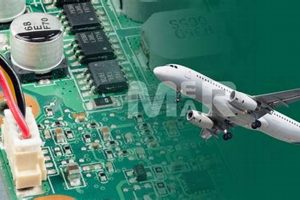
The discipline focusing on the design, development, testing, and maintenance of aircraft and spacecraft systems within the confines of a specified, often physically constrained, operational environment is a specialized branch of engineering. This field incorporates principles of aerodynamics, propulsion, materials science, structural analysis, and control systems to create optimized solutions for unique challenges. Consider the design of an unmanned aerial vehicle (UAV) for operating in a dense urban canyon. The restricted airspace necessitates careful consideration of maneuverability, obstacle avoidance, and sensor integration to ensure safe and effective mission execution.
This focused approach offers several advantages, including enhanced system efficiency, reduced operational risks, and tailored performance characteristics. By concentrating on the specific demands of a particular environment, engineers can fine-tune system parameters, minimizing resource consumption and maximizing mission success rates. Historically, this type of customized engineering has been critical for missions ranging from planetary exploration with limited power resources to high-altitude surveillance where atmospheric conditions require unique design considerations. The benefits extend to reduced development costs due to a narrower scope and improved regulatory compliance by addressing specific environmental constraints early in the design phase.
The following sections will delve into specific topics related to optimizing system design within physical and operational constraints, including detailed discussions on computational fluid dynamics modeling, advanced materials selection for specific atmospheric conditions, and control system strategies for enhanced maneuverability in challenging environments. These discussions will provide a comprehensive understanding of how engineering principles are applied to create solutions for highly specific and demanding applications.
Essential Guidance for Project Success
The following recommendations offer valuable insights for those involved in projects where aerospace engineering principles are applied within strict spatial or environmental limitations. Adhering to these points can significantly enhance project outcomes and mitigate potential risks.
Tip 1: Conduct a Thorough Environmental Analysis: A comprehensive understanding of the operating environment is paramount. This includes detailed assessments of physical dimensions, atmospheric conditions, potential interference sources, and regulatory restrictions. For instance, designing a drone for indoor warehouse navigation requires precise mapping of aisle dimensions and accounting for electromagnetic interference from machinery.
Tip 2: Prioritize Miniaturization and Weight Optimization: Reduced size and weight directly translate to increased efficiency and maneuverability within constrained spaces. Utilize advanced materials and manufacturing techniques to minimize system footprint without compromising performance. A CubeSat, for example, demonstrates extreme miniaturization achieved through optimized component selection and integrated design.
Tip 3: Implement Redundancy and Fail-Safe Mechanisms: Operational reliability is critical. Incorporate redundant systems and fail-safe protocols to mitigate the impact of component failures. In confined environments, such as underground tunnels, the failure of a sensor could lead to catastrophic navigation errors, necessitating redundant sensors and autonomous recovery algorithms.
Tip 4: Optimize Power Management Strategies: Efficient power utilization is essential, particularly when operating within restricted power budgets. Implement intelligent power management systems to dynamically allocate resources based on mission requirements. Solar-powered aircraft designed for prolonged operation in the stratosphere require sophisticated energy harvesting and storage techniques.
Tip 5: Emphasize Autonomous Control Capabilities: Autonomous operation minimizes the need for human intervention and enhances system resilience in challenging environments. Develop robust navigation and control algorithms capable of adapting to dynamic conditions. An autonomous underwater vehicle navigating through a complex shipwreck necessitates advanced sonar processing and path planning algorithms.
Tip 6: Validate Designs Through Rigorous Simulation and Testing: Before deployment, subject designs to extensive simulation and physical testing under realistic operating conditions. This identifies potential vulnerabilities and ensures system performance meets specified requirements. Wind tunnel testing, for example, can reveal aerodynamic instabilities in aircraft designs intended for highly turbulent environments.
By carefully considering these recommendations, project teams can increase the likelihood of success and minimize potential risks associated with operating complex aerospace systems in challenging environments. The application of these strategies leads to more robust, reliable, and efficient solutions.
The subsequent sections will explore real-world examples and case studies that illustrate the application of these principles in practice.
1. Spatial Constraints

Spatial constraints represent a primary driver in the field, dictating design choices and operational parameters. These limitations, defined by physical boundaries or available volumes, directly impact the size, shape, and arrangement of components within aerospace systems. The restricted dimensions necessitate innovative engineering solutions to achieve optimal performance within a given footprint. For instance, the design of micro-satellites, which must fit within tightly regulated launch vehicle envelopes, requires employing advanced miniaturization techniques and multi-functional integration to incorporate all essential subsystems into a minimal volume. This inherently calls for a tailored approach that focuses on creating high-performance systems within reduced dimensions.
The consequences of ignoring or underestimating spatial constraints can be severe, leading to system failures, reduced performance, or even mission aborts. Consider the challenge of integrating advanced sensor payloads into unmanned aerial vehicles (UAVs) intended for operation in confined urban environments. The limited space available necessitates careful selection of sensors based on size, weight, and power consumption. Furthermore, the arrangement of these sensors must minimize interference and maximize field of view. Successful integration requires sophisticated modeling techniques and iterative design processes to ensure that all components fit within the available space while meeting performance requirements. In practice, the success of the system hinges on the careful navigation and resolution of the spatial challenges.
In conclusion, spatial limitations fundamentally shape the design landscape of the field. Recognizing, quantifying, and addressing these constraints are critical for the development of successful and reliable aerospace systems. A thorough understanding of spatial requirements, coupled with innovative engineering approaches, enables the creation of solutions that can overcome these limitations and achieve optimal performance in even the most challenging environments. The ability to effectively manage spatial constraints is not merely a design consideration but a defining characteristic of successful deployments.
2. Environmental Conditions
Environmental conditions exert a significant influence on the design and operation of systems, necessitating careful consideration of the surrounding environment to ensure optimal performance and reliability. These conditions, characterized by a range of factors, directly impact material selection, system architecture, and operational procedures.
- Temperature Extremes
Aerospace systems are frequently exposed to extreme temperature variations, ranging from the intense heat generated during atmospheric re-entry to the cryogenic conditions encountered in space. These temperature fluctuations necessitate the use of specialized materials with high thermal resistance and low coefficients of thermal expansion to prevent structural failures. For example, spacecraft operating in deep space require robust thermal management systems to maintain internal temperatures within acceptable ranges.
- Atmospheric Composition
The composition of the atmosphere, including the presence of corrosive gases, particulate matter, and radiation, can significantly degrade system components over time. Materials must be selected to resist corrosion, erosion, and radiation damage. High-altitude aircraft, for example, require protective coatings to mitigate the effects of ozone and ultraviolet radiation on their surfaces.
- Pressure Variations
Aerospace systems often operate under significant pressure variations, ranging from the high pressures at sea level to the near-vacuum conditions in space. These pressure differentials can induce stress on structural components and affect the performance of seals and other critical elements. Submersible vehicles, for instance, must be designed to withstand immense hydrostatic pressures at extreme depths.
- Vibration and Shock
Aerospace systems are subjected to considerable vibration and shock loads during launch, flight, and landing. These forces can cause fatigue, loosening of fasteners, and component failures. Careful design and testing are required to ensure that systems can withstand these dynamic loads. Rocket launches, for example, induce high levels of vibration and shock, necessitating robust structural designs and vibration isolation techniques.
These environmental considerations highlight the criticality of conducting thorough environmental analyses during the design process. Selecting appropriate materials, implementing robust thermal management systems, and designing for dynamic loads are essential for ensuring the reliable and safe operation of aerospace systems in diverse environments. Successfully addressing these challenges translates directly to improved mission performance and extended system lifecycles, underscoring the intrinsic link between the system and the surrounding environment.
3. Resource Optimization

Resource optimization represents a crucial element within engineering projects operating under spatial or environmental constraints. It directly impacts system viability, mission duration, and overall cost-effectiveness. Efficient resource management is not merely an ancillary consideration but a fundamental requirement for success.
- Power Budgeting
In applications where power availability is limited, meticulous power budgeting becomes paramount. Every component’s energy consumption must be carefully assessed and minimized. Examples include solar-powered UAVs where maximizing flight time depends on highly efficient electronics and propulsion systems. Power management strategies can include dynamic power allocation, sleep modes, and energy harvesting techniques. Failure to adequately manage power can lead to premature mission termination or system failure.
- Mass Minimization
Weight reduction is a critical objective, particularly in space applications where launch costs are directly proportional to mass. This necessitates the utilization of lightweight materials, optimized structural designs, and component miniaturization. A prime example is the development of CubeSats, where stringent mass limitations drive innovation in every aspect of the design. Overlooking mass considerations can result in increased launch costs, reduced payload capacity, and compromised performance.
- Volume Efficiency
In spatially constrained environments, maximizing volume utilization is essential. This involves designing compact components, employing efficient packaging techniques, and integrating multiple functionalities into single devices. An illustrative example is the design of robotic probes for exploring confined spaces, such as pipelines or caves, where the robot’s ability to navigate and perform tasks depends on its compact size and efficient use of internal volume. Inefficient volume utilization limits functionality and maneuverability.
- Operational Lifespan
Extending the operational lifespan of systems in constrained environments often requires strategies for minimizing wear and tear and optimizing maintenance schedules. This can involve selecting durable materials, implementing robust cooling systems, and designing for easy access to critical components for servicing. For instance, spacecraft operating in harsh radiation environments require shielding and redundant systems to prolong their operational lives. Short operational lifespans increase the overall cost and reduce mission effectiveness.
These facets of resource optimization are inextricably linked to successful project outcomes when working under significant constraints. Effective power management, weight reduction, volume efficiency, and lifespan extension are all intertwined and crucial for optimizing design, operations, and overall success in challenging environments. The meticulous integration of these considerations represents a core competency in this field.
4. Mission Objectives
The definition and prioritization of mission objectives form the cornerstone of systems design and implementation in the field. These objectives dictate system requirements, performance metrics, and operational parameters, directly influencing engineering decisions across all stages of development.
- Performance Requirements
Mission objectives define specific performance requirements that drive design choices. For instance, a surveillance drone intended for persistent operation in an urban environment requires a long endurance, necessitating efficient power management and aerodynamic optimization. Similarly, a spacecraft designed for precise orbit maintenance demands high-accuracy propulsion and control systems. Performance metrics derived from mission objectives become the benchmarks against which design effectiveness is measured.
- Operational Environment
The intended operational environment is intrinsically tied to mission objectives, dictating the conditions under which the system must perform. A deep-sea exploration vehicle must withstand extreme pressures, while a high-altitude aircraft must function in low-density atmosphere and intense radiation. Understanding and characterizing the operational environment is vital for selecting appropriate materials, components, and operational strategies to meet the mission’s requirements.
- Resource Constraints
Mission objectives are inevitably constrained by available resources, including budget, time, and personnel. These constraints necessitate trade-offs and prioritization in the design process. A low-cost satellite mission might require the use of commercial-off-the-shelf components, accepting potential compromises in performance or reliability. Effective resource allocation is crucial for achieving mission objectives within defined constraints.
- Risk Mitigation
Mission objectives must consider potential risks and implement strategies for mitigation. This can involve incorporating redundancy, fail-safe mechanisms, or contingency plans. A manned spacecraft mission, for example, requires extensive safety systems to minimize the risk of crew injury or loss. The level of risk tolerance is directly related to the criticality of the mission objectives, influencing the design and operational procedures.
The interconnectedness of mission objectives with various design aspects underscores the imperative for a clear and comprehensive understanding of mission goals from the outset. The successful translation of mission objectives into tangible engineering solutions is fundamental to the field. By meticulously defining objectives and subsequently aligning system design with these objectives, optimized and successful operations in the given environment can be achieved.
5. Regulatory Compliance
Regulatory compliance constitutes a critical aspect of systems operating within specified physical and operational limits. The stringent requirements imposed by regulatory bodies necessitate rigorous adherence to established standards and protocols throughout the design, development, and deployment phases. Failure to comply with these regulations can result in significant penalties, operational restrictions, and even project termination.
- Airworthiness Certification
Aircraft intended for manned or unmanned flight must undergo airworthiness certification processes dictated by aviation authorities such as the FAA (Federal Aviation Administration) or EASA (European Union Aviation Safety Agency). This involves demonstrating compliance with design standards, structural integrity requirements, and operational safety protocols. For instance, a newly designed aircraft must undergo extensive flight testing to validate its performance characteristics and ensure its safe operation within defined flight envelopes. Non-compliance can lead to grounding of the aircraft and significant financial repercussions.
- Spectrum Allocation
Aerospace systems that utilize radio frequency communications, such as satellites and drones, are subject to regulations governing spectrum allocation. These regulations, enforced by bodies like the FCC (Federal Communications Commission) and ITU (International Telecommunication Union), aim to prevent interference and ensure equitable access to the radio spectrum. For example, satellite operators must obtain licenses to transmit and receive signals within specific frequency bands. Violations of spectrum allocation rules can result in fines and operational restrictions.
- Environmental Protection
Aerospace activities are subject to environmental regulations aimed at minimizing their impact on the environment. These regulations cover a range of issues, including noise pollution, emissions control, and waste management. Aircraft manufacturers must adhere to noise emission standards, and launch providers must implement measures to minimize the environmental impact of rocket launches. Non-compliance with environmental regulations can lead to legal action and reputational damage.
- Export Control
The export of aerospace technologies is subject to strict export control regulations imposed by governments to prevent the proliferation of sensitive technologies. These regulations, enforced through mechanisms like the International Traffic in Arms Regulations (ITAR) in the United States, require companies to obtain licenses before exporting certain aerospace components or systems. Violation of export control regulations can result in severe penalties, including fines and imprisonment.
The interrelation between these facets and regulatory obligations is inherently connected with systems operating in constrained environments. Careful planning and commitment to all regulatory considerations, guarantees both proper legal compliance and increased operational reliability. The commitment to regulatory compliance is not just an ethical imperative; it is a fundamental requirement for sustainable success in the field.
Frequently Asked Questions
This section addresses common inquiries regarding the application of engineering principles to aerospace systems operating within specific physical and operational environments. The information provided aims to clarify key concepts and address potential misconceptions.
Question 1: What distinguishes this area of aerospace engineering from traditional aerospace engineering?
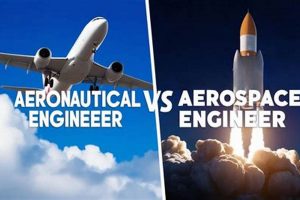
The primary distinction lies in the emphasis on operating within tightly defined constraints. Traditional aerospace engineering often focuses on broader performance envelopes, while this specialization prioritizes optimization for specific, often limited, environments. This focus necessitates a heightened awareness of factors like spatial restrictions, environmental conditions, and resource limitations.
Question 2: What are the primary challenges encountered in this area?
Significant challenges include the need for miniaturization, efficient resource management, and robust performance under adverse environmental conditions. Designing systems that can operate reliably and effectively within confined spaces or extreme environments requires innovative engineering solutions and a deep understanding of the operating conditions.
Question 3: How is system reliability ensured when operating under constraints?
Reliability is addressed through a combination of redundant systems, robust design margins, and comprehensive testing. Careful consideration is given to component selection, material properties, and operational procedures to mitigate the impact of potential failures. Rigorous simulation and validation processes are essential for ensuring system performance under anticipated operating conditions.
Question 4: What role does simulation play in the design process?
Simulation plays a critical role in the design process, allowing engineers to evaluate system performance under a variety of operating conditions. Computational fluid dynamics (CFD) simulations, finite element analysis (FEA), and other modeling techniques are used to optimize designs, identify potential vulnerabilities, and validate system performance prior to physical testing.
Question 5: How are environmental factors accounted for in system design?
Environmental factors are carefully assessed during the design process, and appropriate measures are taken to mitigate their impact. This includes selecting materials that are resistant to corrosion, radiation, or extreme temperatures. Thermal management systems are often implemented to maintain optimal operating temperatures, and protective coatings are applied to safeguard against environmental degradation.
Question 6: What career opportunities are available in this specialized field?
Career opportunities exist in various sectors, including aerospace, defense, and robotics. Professionals in this area may work as design engineers, systems engineers, or research scientists. Skills in areas such as miniaturization, materials science, control systems, and simulation are highly valued.
In summary, effective engineering in constrained environments demands a holistic approach, integrating advanced technologies, rigorous analysis, and a thorough understanding of the operational context. Prioritization of these factors leads to more reliable and ultimately more successful project outcomes.
The following sections will transition into a concluding summary encapsulating the core principles and practices discussed throughout this documentation.
Conclusion
The preceding exploration of engineering principles applied to systems operating within defined physical and operational parameters, a specialized area often referred to as , underscores the importance of a multi-faceted approach. Key considerations, including spatial constraints, environmental factors, resource optimization, mission objectives, and regulatory compliance, are not isolated elements but rather interconnected facets of a holistic design process. Effective management of these considerations is paramount for achieving successful system performance and mitigating potential risks.
The ongoing advancement in materials science, miniaturization techniques, and computational modeling promises to further enhance the capabilities of aerospace systems operating in challenging environments. Continued research and development efforts are essential to address emerging challenges and unlock new possibilities. A rigorous adherence to fundamental engineering principles, coupled with a commitment to innovation, will drive progress and ensure the continued success of operations in specialized and demanding environments. The future of this area hinges on the ability to adapt and overcome inherent limitations, thus fostering advancements and creating new horizons in aerospace applications.
![Get Into Aerospace Engineering: How To Apply [Tips] | Innovating the Future of Flight with Reliable Aviation Solutions](https://mixaerospace.com/wp-content/uploads/2026/04/th-361-300x200.jpg "Get Into Aerospace Engineering: How To Apply [Tips] Innovating the Future of Flight with Reliable Aviation Solutions")