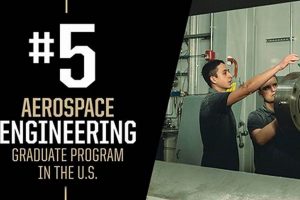
A period of practical training in the aerospace sector, generally undertaken during the warmest months of the year, designed for students pursuing a course of study related to the design, development, and testing of aircraft and spacecraft. These opportunities provide hands-on experience, allowing individuals to apply theoretical knowledge to real-world engineering challenges. For example, a student might participate in the structural analysis of an aircraft wing or assist in the development of propulsion systems.
These experiences serve as invaluable stepping stones for aspiring engineers. They offer a chance to network with industry professionals, gain exposure to company culture, and build a professional resume. Historically, such opportunities have been crucial in bridging the gap between academic study and professional practice, often leading to full-time employment after graduation. The immersive nature of these programs accelerates learning and fosters a deeper understanding of the field.
The following article explores various aspects of securing and maximizing the value of these practical summer experiences within the aerospace engineering domain, encompassing application strategies, skill development, and potential career pathways.
Optimizing an Aerospace Engineering Internship Experience During the Summer
The following provides actionable strategies for candidates seeking to maximize the benefits derived from opportunities in the aerospace sector. Success hinges on proactive preparation, strategic engagement, and diligent follow-up.
Tip 1: Early Application is Crucial: The competition for such programs is intense. Initiate the application process well in advance, ideally several months before the summer season. This provides ample time for crafting a compelling application and allows for potential interview scheduling.
Tip 2: Tailor Application Materials: Generic resumes and cover letters are unlikely to succeed. Customize each application to align with the specific requirements and interests of the company. Highlight relevant skills and project experience that demonstrate suitability for the role.
Tip 3: Network Strategically: Attend industry events, career fairs, and university-organized workshops. Engage with professionals and recruiters to gain insights into available opportunities and make valuable connections. Utilize platforms such as LinkedIn to expand your professional network.
Tip 4: Cultivate Relevant Skills: Demonstrate proficiency in relevant software tools, programming languages, and engineering principles. Consider undertaking online courses or personal projects to enhance your skillset and showcase your passion for aerospace engineering.
Tip 5: Embrace Mentorship Opportunities: Actively seek guidance from experienced engineers and mentors within the company. This facilitates knowledge transfer, provides valuable insights into industry practices, and enhances professional development.
Tip 6: Document Experiences and Accomplishments: Maintain a detailed record of projects undertaken, skills acquired, and challenges overcome. This documentation serves as a valuable resource for future job applications and performance reviews.
Tip 7: Seek Feedback and Iterate: Request constructive criticism from supervisors, mentors, and peers. Use this feedback to identify areas for improvement and refine your skills. A proactive approach to self-improvement maximizes the learning experience.
Strategic planning, diligent execution, and a proactive mindset are key to unlocking the full potential of these developmental opportunities. The aforementioned recommendations are crafted to enhance the likelihood of securing a position and leveraging it for substantial professional growth.
The ensuing section will examine the potential long-term impacts of these experiences on career trajectory within the aerospace engineering field.
1. Application Deadlines
Adherence to specified timelines constitutes a critical factor in securing a position. Missed deadlines render applications ineligible, irrespective of candidate qualifications. A comprehensive understanding of the application process, including key dates, is paramount.
- Impact on Opportunity Set
Early awareness of and compliance with submission windows broadens the range of available programs. Companies often have staggered deadlines, with highly competitive opportunities closing first. Missing initial deadlines restricts applicants to a diminishing pool of options.
- Application Quality Enhancement
Allowing ample time for preparation translates to higher-quality applications. Rushing the application process often results in errors, omissions, and a less compelling presentation of qualifications. Early planning facilitates thorough review and refinement.
- Competitive Advantage
Meeting early deadlines can provide a competitive edge. Review committees often evaluate applications on a rolling basis. Submitting early increases the likelihood of being considered before the applicant pool becomes overly saturated, increasing the odds of favorable attention.
- Logistical Planning
Meeting deadlines requires meticulous planning and organization. Applicants must gather necessary documents, secure references, and complete any required assessments within the specified timeframe. Effective time management is crucial for a successful submission.
Application timelines directly influence access to, quality of, and competitiveness within the landscape. Prioritizing awareness of and adherence to deadlines maximizes the potential for securing valuable experiential learning opportunities during the summer months.
2. Skill Alignment

Skill alignment, in the context of aerospace engineering practical experiences during the summer, refers to the degree of correspondence between an applicant’s existing technical abilities and the requirements of a specific role. It is a critical determinant of both the applicant’s selection and the subsequent success during the training period. A strong alignment facilitates immediate contribution to project goals, accelerating learning and increasing the overall value of the experience. For example, an internship focused on computational fluid dynamics (CFD) would benefit greatly from an applicant possessing foundational knowledge in fluid mechanics, numerical methods, and proficiency in relevant software packages. Conversely, a mismatch in skill sets can result in limited productivity, frustration, and a less impactful experience for both the intern and the host organization.
The impact of skill alignment extends beyond immediate project contributions. Internships serve as pivotal opportunities to develop and refine professional competencies. When an intern’s existing skills closely match the role’s demands, their capacity to acquire new knowledge and techniques is significantly enhanced. This facilitates a deeper understanding of complex engineering problems and fosters the development of advanced skill sets. Companies often prioritize candidates demonstrating prior experience or foundational knowledge relevant to their projects, as it reduces the initial training burden and allows for more rapid integration into ongoing work. Furthermore, a successful experience built upon a solid foundation of skills strengthens the intern’s professional network, potentially leading to future employment opportunities.
In summary, skill alignment is not merely a desirable attribute, but a fundamental prerequisite for a mutually beneficial learning experience. Prioritizing the development of relevant technical skills, tailored to the demands of the aerospace engineering sector, constitutes a strategic investment for aspiring engineers. Addressing skill gaps through coursework, personal projects, or online learning platforms enhances the likelihood of securing a summer position and maximizing its impact on long-term career prospects.
3. Company culture
Company culture represents the shared values, beliefs, and practices that characterize a particular organization. Its impact on the aerospace engineering experience during the summer months is significant, shaping the intern’s overall engagement, learning outcomes, and potential for future contributions. A supportive and inclusive environment fosters open communication, collaboration, and knowledge sharing, all vital to effective project execution and individual growth. Conversely, a toxic or unsupportive culture can stifle creativity, hinder progress, and lead to a negative perception of the aerospace industry. For instance, if an aerospace company fosters open communication, interns might be more comfortable approaching senior engineers for guidance, fostering deeper understanding of complex challenges. Lack of support in work with new and unfamiliar project stifles experience to grow.
The integration of summer interns into the company fabric is a critical component of a successful internship program. Companies demonstrating a commitment to mentorship, professional development, and work-life balance tend to attract and retain higher-caliber individuals. These elements of company culture directly influence the quality of projects assigned, the level of responsibility entrusted to interns, and the opportunities for networking and skill enhancement. For example, a company known for its innovative approach to aerospace problems might involve interns in brainstorming sessions and experimental designs, providing invaluable exposure to cutting-edge technologies and techniques. A company invested in professional development might offer workshops on technical writing, presentation skills, or project management, augmenting the intern’s skill set beyond core engineering competencies. Some companies prioritize a “sink or swim” approach where interns are responsible for their own learning curve, leaving interns feeling isolated and unsupported.
Understanding and evaluating company culture is an essential step in the application process. Prospective interns should research potential employers, seeking insights into their values, management styles, and employee satisfaction rates. Online reviews, industry publications, and networking events can provide valuable information about a company’s internal environment. Ultimately, selecting an internship aligned with one’s personal values and professional aspirations increases the likelihood of a positive and productive experience, contributing to long-term career success within the aerospace engineering field. The experience that you get from aerospace engineering internships is something that makes the intern get more motivated.
4. Project responsibility
Project responsibility, within the context of summer programs in the aerospace engineering field, denotes the scope of tasks and duties assigned to interns during their engagement. This encompasses both the technical contributions expected and the level of autonomy granted, directly influencing skill development and practical experience acquired.
- Scope Definition
The defined scope of a project dictates the breadth of technical skills and knowledge an intern will engage with. Narrowly defined projects might offer in-depth experience in a specialized area, such as structural analysis of a specific aircraft component. Broader projects could involve multiple engineering disciplines, requiring interns to interact with systems engineering, aerodynamics, and materials science. The assigned project should be appropriate for the interns skill and education level to maximize their time there.
- Autonomy Level
The degree of independence granted affects the intern’s ability to apply their knowledge and develop problem-solving skills. Projects with high autonomy encourage self-directed learning and creative solutions, while those with close supervision provide structured guidance and mentorship. It depends greatly on the experience of the intern to decide how much freedom they can have during their internship period.
- Real-World Impact
Project responsibility should ideally correlate to real-world applications, exposing interns to the practical challenges and considerations of aerospace engineering. Tasks that contribute to ongoing projects or address industry-relevant problems provide valuable experience and enhance the intern’s understanding of the field. A senior engineer will generally guide the interns and ensure that the interns are successful on the project.
- Performance Metrics
Clear performance metrics and evaluation criteria are essential for gauging the success of the project and the intern’s contributions. These metrics provide tangible feedback and allow interns to identify areas for improvement. Evaluation can be based on efficiency and skill used during project and based on feedback.
The project responsibility entrusted to summer interns significantly shapes the value of their experience. A well-defined scope, appropriate level of autonomy, real-world impact, and clear performance metrics are crucial for fostering skill development and preparing future engineers for the challenges of the aerospace industry. The level of responsibility entrusted will dictate how much the intern will grow.
5. Networking opportunities
These opportunities represent a critical, often overlooked, aspect of aerospace engineering practical training experiences during the summer. Active engagement in networking can significantly enhance the long-term career prospects of participating students, extending far beyond the immediate benefits of the internship itself.
- Exposure to Diverse Career Paths
Interaction with engineers, scientists, and managers in various roles exposes interns to a wider range of career options than traditional academic settings. For example, an intern might discover an interest in project management through conversations with a project engineer, or learn about research opportunities in materials science from a materials scientist. This exposure allows for more informed career planning.
- Building Professional Relationships
Establishing connections with industry professionals can provide invaluable mentorship, guidance, and potential job opportunities after graduation. These relationships can offer insights into industry trends, company cultures, and unadvertised job openings. Maintaining contact through professional platforms facilitates ongoing career development.
- Gaining Industry Insights
Informal conversations and networking events offer the opportunity to gain insights into the challenges and opportunities facing the aerospace industry. These perspectives can supplement academic knowledge and provide a more practical understanding of the field. Understanding these insights helps the intern to better understand the landscape and their position in it.
- Developing Communication Skills
Networking requires effective communication skills, including active listening, clear articulation of ideas, and professional etiquette. Participating in networking activities provides opportunities to practice and refine these skills, which are essential for success in any engineering career. Furthermore, communication also builds trust with coworkers and provides a friendly relationship.
The value of networking opportunities during summer programs extends beyond immediate career benefits. The development of interpersonal skills, expansion of professional contacts, and gaining of industry insights contribute to the long-term professional growth and career success of aspiring aerospace engineers. These connections established during internship help with better understanding.
6. Mentorship availability

Mentorship availability represents a pivotal factor influencing the efficacy of aerospace engineering experience. A structured mentorship program directly correlates with enhanced intern performance, skill development, and professional integration. The guidance provided by experienced engineers addresses technical challenges, imparts industry-specific knowledge, and fosters a deeper understanding of aerospace engineering principles. For instance, a mentor might guide an intern through the complexities of finite element analysis, providing practical insights beyond theoretical concepts learned in academic settings. Absent such guidance, interns may struggle to apply their knowledge effectively, resulting in reduced productivity and a less valuable experience.
The presence of mentors also facilitates the cultivation of essential soft skills, such as communication, teamwork, and problem-solving. Mentors can offer constructive feedback on communication styles, guide collaborative efforts within project teams, and provide strategies for navigating complex engineering challenges. Consider an intern tasked with designing a component for a satellite. A mentor can offer advice on balancing performance requirements with cost constraints, navigating regulatory compliance, and communicating design decisions to stakeholders. These interactions, facilitated by mentorship, contribute significantly to the intern’s overall professional development.
Ultimately, mentorship availability serves as a critical indicator of an aerospace company’s commitment to fostering the next generation of engineers. A robust mentorship program signifies a willingness to invest in intern development, creating a supportive environment conducive to learning and growth. The absence of mentorship can hinder skill development and limit professional networking which in turn diminish the long-term benefits of an aerospace engineering training program. Therefore, evaluating the extent and quality of mentorship programs constitutes an important step for students seeking to maximize the value of their time during the summer.
7. Performance evaluation
Performance evaluation constitutes an integral component of aerospace engineering summer experiences. It provides structured feedback on an intern’s contributions, skill development, and professional conduct. This process serves to inform both the intern’s growth trajectory and the company’s assessment of potential future employees.
- Technical Skill Assessment
This facet evaluates the intern’s proficiency in applying engineering principles and utilizing relevant software tools. For example, the ability to conduct finite element analysis, design a control system, or program a flight simulation would be assessed. A strong technical skill assessment signifies that the intern is able to apply what they’ve learned in the workplace. Poor assessment can be a signal that an intern’s skills are not matching the requirements of the projects at hand.
- Project Contribution
Evaluates the intern’s impact on assigned projects, considering both the quality and quantity of work produced. This includes evaluating contributions to design efforts, research initiatives, or testing procedures. The review also measures how interns are contributing to the company’s environment and workplace and if they are adding to the work that is required to be completed. If a company has great projects but poor contributions from interns, they may want to select higher skilled interns.
- Professionalism and Teamwork
Assesses the intern’s adherence to professional standards, including communication skills, work ethic, and ability to collaborate effectively with team members. This involves evaluating the intern’s interactions with supervisors, colleagues, and clients. If an intern shows a lack of skill to interact with others, there could be some challenges to work with that intern. This evaluation also provides metrics on the interns level of trust with their project team.
- Learning and Adaptability
This aspect gauges the intern’s capacity to acquire new knowledge, adapt to changing project requirements, and respond to constructive criticism. It reflects the intern’s proactive approach to professional development and willingness to embrace challenges. This gives project managers a glimpse into how fast the interns are learning and growing from the internship. With a highly trainable staff, the company will see more results on their bottom line.
Performance evaluation, in conjunction with summer experiences, provides a structured framework for identifying strengths, addressing weaknesses, and fostering continuous improvement among aspiring aerospace engineers. The collected performance metrics serve as valuable indicators of the internship’s overall success and the intern’s potential for future contributions to the aerospace sector.
Frequently Asked Questions
The following addresses common inquiries regarding practical experience opportunities within the aerospace engineering field during the summer months. The information aims to provide clarity and guidance to prospective applicants.
Question 1: What is the optimal timeline for submitting applications?
The application window typically opens several months prior to the summer. Candidates should aim to submit applications no later than December or January to maximize their chances of consideration, as many companies operate on a rolling admissions basis.
Question 2: What skills are most highly valued by aerospace companies?
Proficiency in CAD/CAM software (e.g., CATIA, SolidWorks), programming languages (e.g., Python, MATLAB), and knowledge of fundamental engineering principles (e.g., aerodynamics, thermodynamics, structural mechanics) are generally highly regarded. Prior experience with relevant aerospace projects is also beneficial.
Question 3: How can candidates enhance their applications?
Applications should be tailored to each specific company and role, highlighting relevant skills and experience. Strong academic performance, involvement in extracurricular activities related to aerospace engineering, and compelling personal statements are also important.
Question 4: What types of projects are typically assigned to interns?
Project assignments vary widely depending on the company and the intern’s skills. Common projects include assisting with design and analysis tasks, conducting research and development activities, supporting manufacturing processes, and participating in testing and validation procedures.
Question 5: What is the typical duration of an aerospace engineering during the summer?
The duration varies, but most summer programs range from 10 to 12 weeks, aligning with the academic calendar. This allows for a substantial experience within the field.
Question 6: What are the prospects for full-time employment following an aerospace engineering during the summer?
A successful engagement can significantly increase the likelihood of securing a full-time position upon graduation. Many companies use these programs as a pipeline for recruiting talent, offering employment opportunities to exceptional interns.
In summary, proactive planning, skill development, and tailored application materials are crucial for securing and maximizing the value of practical experience in the aerospace engineering sector during the summer. The information provided serves as a guide to navigate the application process and prepare for a successful experience.
The subsequent section explores strategies for building a professional network within the aerospace engineering community.
Conclusion
This article has provided a comprehensive overview of aerospace engineering internships during the summer, emphasizing the significance of strategic preparation, skill development, and networking. Securing such a position requires proactive planning and a targeted approach to application materials. The long-term benefits, including enhanced career prospects and professional development, underscore the value of these experiences.
Aerospace engineering internships in the summer represent a critical juncture in the career trajectory of aspiring engineers. By embracing the opportunities presented and actively engaging with the industry, individuals can position themselves for future success in this demanding yet rewarding field. The proactive pursuit of these experiences is an investment in a future within the dynamic world of aerospace.