Professionals in this field apply scientific and mathematical principles to design, develop, test, and maintain aircraft, spacecraft, and related systems. Responsibilities encompass a broad spectrum, from conceptual design and simulation to overseeing manufacturing and ensuring operational safety. For example, an individual might work on optimizing aerodynamic performance, developing propulsion systems, or designing control systems for unmanned aerial vehicles.
Contributions are vital to advancements in air travel, space exploration, and national defense. Their work drives innovation in materials science, computing, and sensor technology. Historically, these specialists have been instrumental in pushing the boundaries of flight, enabling faster, more efficient, and safer modes of transportation, as well as facilitating the exploration of our solar system and beyond. Their expertise is crucial for both economic growth and maintaining a nation’s strategic advantage.
The subsequent sections will delve into specific aspects of this profession, including required skills, educational pathways, common job roles, and emerging trends shaping the future of the industry.
Guidance for Aspiring Aerospace Professionals
The following insights are derived from the practices of those in the aerospace field, offering guidance for individuals pursuing a career in this demanding sector.
Tip 1: Prioritize a strong foundation in fundamental sciences. A comprehensive understanding of physics, mathematics, and chemistry is crucial for success in aerospace engineering. Coursework should extend beyond introductory levels, delving into advanced topics relevant to aerospace applications.
Tip 2: Cultivate proficiency in computer-aided design (CAD) and simulation software. These tools are essential for designing and analyzing aerospace systems. Familiarity with industry-standard software packages is highly valued by employers.
Tip 3: Seek out relevant internship opportunities. Practical experience is invaluable in gaining exposure to real-world engineering challenges. Internships provide opportunities to apply theoretical knowledge and develop practical skills.
Tip 4: Develop strong communication and teamwork skills. Aerospace projects often involve multidisciplinary teams working collaboratively. Effective communication and collaboration are essential for project success.
Tip 5: Stay abreast of emerging technologies and industry trends. The aerospace field is constantly evolving, with new technologies and approaches emerging regularly. Continuous learning is necessary to remain competitive.
Tip 6: Focus on specialization. The field is broad, spanning diverse disciplines. Concentrating on a specific area, such as propulsion, structures, or avionics, allows for in-depth knowledge and expertise.
Tip 7: Consider pursuing advanced degrees. A master’s degree or doctorate can enhance career prospects and open doors to more specialized and research-oriented positions. Advanced education provides a deeper understanding of advanced concepts and methodologies.
These recommendations emphasize the importance of a robust technical foundation, practical experience, and continuous learning for achieving success in the aerospace engineering profession. Adhering to these principles can significantly enhance career prospects and contribute to advancements within the field.
The next section provides an overview of various career paths and specialization options available to individuals in this dynamic industry.
1. Design

Within the realm of aerospace engineering, design serves as a foundational pillar, directly impacting the functionality, safety, and performance of aircraft and spacecraft. The iterative process of design encompasses conceptualization, modeling, simulation, and prototyping, all guided by a set of predetermined requirements and constraints. For instance, the design of an aircraft wing must consider factors such as lift, drag, structural integrity, and manufacturing feasibility. A flawed design can result in catastrophic consequences, highlighting the criticality of meticulous engineering principles and rigorous testing.
The influence of design extends beyond individual components, shaping entire systems and architectures. The integration of various subsystems, such as propulsion, avionics, and control systems, necessitates a holistic design approach. Furthermore, the advent of advanced manufacturing techniques, such as additive manufacturing, has revolutionized design possibilities, enabling the creation of complex geometries and customized solutions. Consider the design of a satellite’s thermal management system, which demands innovative solutions to dissipate heat generated by electronic components, ensuring optimal performance in the harsh environment of space.
In summary, design is an indispensable element of aerospace endeavors, demanding a blend of creativity, analytical skills, and a deep understanding of engineering principles. The commitment to robust design practices is vital for ensuring the safety, reliability, and success of aerospace missions, as it directly affects the cost, development, and lifespan of projects. The integration of new technologies and the pursuit of innovative designs will continue to drive advancements in air and space exploration.
2. Analysis

Within the aerospace engineering profession, analysis constitutes a fundamental process for evaluating the behavior and performance of aircraft, spacecraft, and related systems. This involves employing a diverse range of analytical techniques, including computational fluid dynamics (CFD), finite element analysis (FEA), and statistical modeling, to predict and optimize various aspects of a design. For example, analyzing the structural integrity of an aircraft fuselage under extreme flight conditions is paramount to ensuring passenger safety. Neglecting thorough analysis can lead to structural failures with potentially catastrophic consequences. The effectiveness of any design fundamentally relies on the quality and accuracy of its underlying analysis.
The application of analytical methods extends across all stages of the product lifecycle, from initial conceptual design to post-flight performance assessment. Engineers use CFD simulations to model airflow around aircraft wings, optimizing aerodynamic efficiency and minimizing drag. FEA is crucial for assessing stress distributions in critical components, such as turbine blades, ensuring they can withstand high temperatures and centrifugal forces. Moreover, statistical analysis is employed to evaluate the reliability and maintainability of complex systems, guiding preventative maintenance schedules and minimizing downtime. Accurate analysis facilitates informed decision-making, reducing the risk of costly errors and ensuring that products meet stringent performance requirements.
In conclusion, analysis is an indispensable component of aerospace engineering, enabling professionals to assess, refine, and validate designs with a high degree of confidence. It serves as a crucial bridge between theoretical concepts and practical implementation, mitigating risks and driving innovation. The ongoing development of advanced analytical tools and techniques will continue to empower the aerospace industry, facilitating the design of safer, more efficient, and more reliable air and space vehicles. The continual improvement of analytical methodologies will remain crucial to meeting the increasing demands of the aerospace field.
3. Materials
The selection and application of materials are intrinsically linked to the role of an engineer in the aerospace sector. The properties of materials directly influence the performance, safety, and longevity of aircraft and spacecraft. An error in material selection can lead to catastrophic failure. For example, the incorporation of improperly treated aluminum alloys in early jet engine designs resulted in fatigue failures, underscoring the critical importance of material science expertise in aerospace applications. Therefore, engineers in this field must possess a deep understanding of material characteristics and their behavior under extreme conditions.
The work includes evaluating materials for strength-to-weight ratio, resistance to corrosion and thermal stress, and compatibility with manufacturing processes. Composites, such as carbon fiber reinforced polymers, are increasingly utilized in modern aircraft to reduce weight and enhance fuel efficiency. Engineers must understand the intricacies of composite lay-up, curing processes, and potential failure modes to ensure structural integrity. Similarly, the design of hypersonic vehicles necessitates the use of high-temperature materials, like ceramics and nickel-based superalloys, to withstand the intense heat generated during atmospheric reentry. The continuous development of new materials with enhanced properties is a driving force behind advancements in aerospace technology.
In summary, materials represent a fundamental aspect of aerospace engineering. The competence in selecting, analyzing, and implementing appropriate materials is a critical skill. Challenges remain in developing materials that can withstand increasingly demanding operational environments, such as extreme temperatures, radiation exposure, and high stresses. The collaboration between material scientists and aerospace professionals is essential for pushing the boundaries of what is achievable in air and space travel, and the progression will rely heavily on future developments.
4. Systems
In the context of aerospace engineering, a “systems” approach is paramount, reflecting the complexity and interdependence of the various components within an aircraft or spacecraft. Professionals in this field are inherently systems thinkers, tasked with integrating diverse elements to achieve overall mission objectives. An understanding of systems engineering principles is, therefore, a cornerstone of the profession.
- Avionics Systems
Avionics encompass the electronic systems onboard an aircraft, including navigation, communication, flight control, and radar. Engineers in this domain design and integrate these systems to ensure seamless operation and optimal performance. For instance, designing an autopilot system requires careful consideration of sensor inputs, control algorithms, and actuator responses. A failure in the avionics system can have severe safety implications, underscoring the need for rigorous testing and validation.
- Propulsion Systems
Propulsion systems provide the thrust necessary for flight, ranging from conventional jet engines to advanced rocket propulsion systems. Engineers specializing in propulsion design, analyze, and optimize these systems for efficiency, power output, and reliability. Developing a new rocket engine, for example, involves considerations such as combustion chamber design, nozzle geometry, and propellant management. The performance of the propulsion system directly dictates the range, speed, and payload capacity of the aircraft or spacecraft.
- Structural Systems
Structural systems provide the physical framework of an aircraft or spacecraft, ensuring its integrity under various loads and environmental conditions. Aerospace engineers analyze structural stresses, design lightweight structures, and select appropriate materials to meet performance requirements. For instance, designing an aircraft wing requires a careful balance between weight, strength, and aerodynamic efficiency. Structural failures can lead to catastrophic accidents, emphasizing the need for robust design and meticulous inspection.
- Environmental Control Systems
Environmental control systems (ECS) maintain a habitable environment for passengers and crew onboard aircraft and spacecraft. These systems regulate temperature, pressure, humidity, and air quality. Engineers in this area design ECS to provide comfortable and safe conditions, particularly during long-duration flights or in extreme environments. The development of an ECS for a spacecraft, for instance, requires careful consideration of life support, waste management, and radiation shielding. Failures in the ECS can compromise the health and safety of the occupants.
The effective integration of these systems is a critical task. The successful launch and operation of any aircraft or spacecraft is contingent upon the seamless interaction of its subsystems, highlighting the importance of a systems-level perspective in aerospace. Consequently, this integration defines much of the work conducted by engineers in aerospace.
5. Testing

Rigorous testing is an indispensable facet of aerospace engineering. Professionals in this sector rely on a comprehensive suite of testing methodologies to validate designs, ensure performance, and guarantee the safety and reliability of aircraft and spacecraft. Testing spans all phases of development, from initial component assessments to full-scale system evaluations. The integrity of aerospace endeavors is directly linked to the thoroughness of testing procedures.
- Wind Tunnel Testing
Wind tunnel testing is critical for evaluating the aerodynamic characteristics of aircraft and spacecraft. Scale models are subjected to controlled airflow to measure lift, drag, and stability. Data obtained from wind tunnel experiments informs design modifications, optimizing aerodynamic performance and ensuring stable flight characteristics. Results can directly influence the shape of a wing or the placement of control surfaces. A notable example is the extensive wind tunnel testing conducted during the development of the Space Shuttle to refine its aerodynamic profile for reentry.
- Structural Testing
Structural testing involves subjecting aircraft and spacecraft components to simulated flight loads and environmental conditions to assess their structural integrity. Full-scale fatigue testing, for instance, simulates the cumulative effects of repeated stress cycles on the airframe, identifying potential weak points and predicting service life. Successful structural testing ensures that the airframe can withstand the stresses encountered during flight, safeguarding against catastrophic failures. The testing of the Boeing 787’s composite fuselage involved extensive structural tests to validate its design and manufacturing processes.
- Engine Testing
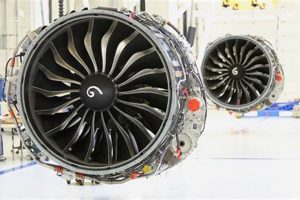
Engine testing is essential for evaluating the performance and reliability of propulsion systems. Turbines, rocket engines, and other propulsion units are subjected to a range of operating conditions to measure thrust, fuel consumption, and emissions. Tests are conducted in specialized facilities, simulating the altitudes and speeds encountered during flight. Data from engine testing informs design improvements and ensures that the engine meets performance specifications. The development of the F-35’s engine required extensive testing to ensure its performance across a broad range of flight conditions.
- Software and Systems Integration Testing
Software and systems integration testing is crucial for verifying the functionality and interoperability of onboard electronic systems. This includes testing flight control software, navigation systems, and communication equipment. Simulated flight scenarios and hardware-in-the-loop simulations are used to assess system performance under realistic conditions. Successful integration testing ensures that all onboard systems function seamlessly, contributing to safe and efficient flight operations. The development of autonomous flight systems requires extensive software and systems integration testing to ensure reliable performance in various scenarios.
These facets underscore the indispensable role of testing within the aerospace profession. Aerospace engineers rely on these methods to validate designs, ensure performance, and guarantee safety, underscoring the link between design, analysis, and the physical validation process. The continuous refinement of testing methodologies is vital for advancing aerospace technology and ensuring the safety and reliability of air and space vehicles. As designs become more complex and operational environments more extreme, the importance of rigorous testing will only increase.
6. Innovation

Innovation is inextricably linked to the profession. It serves as the driving force behind advancements in air and space travel, pushing the boundaries of what is achievable in terms of speed, efficiency, safety, and mission capabilities. The pursuit of novel solutions to complex engineering challenges is a constant imperative. Innovation is not merely a desirable attribute; it is a fundamental requirement for sustained progress in this highly competitive and technologically demanding field. The development of the jet engine, for example, represented a paradigm shift in aviation, enabling faster and more efficient air travel. Without continuous innovation, the aerospace industry would stagnate, hindering its ability to meet evolving societal needs and address emerging global challenges.
The impact of innovation is evident across various domains within aerospace. In materials science, the development of lightweight composites has revolutionized aircraft design, enabling significant reductions in weight and improvements in fuel efficiency. In propulsion, the advancement of electric propulsion systems holds the potential to transform space exploration, enabling longer duration missions and reducing reliance on conventional rocket propellants. Furthermore, innovation in automation and robotics is transforming aircraft manufacturing processes, improving efficiency and reducing costs. For instance, the use of additive manufacturing (3D printing) allows engineers to create complex, customized components with unprecedented precision and speed, reducing material waste and enabling innovative designs that would be impossible to produce using conventional manufacturing techniques. The adoption of these advanced technologies showcases the profession’s dedication to progress.
In summary, innovation is central to the role of an aerospace engineer. The ability to conceptualize, develop, and implement novel solutions is essential for addressing the challenges of air and space exploration. Sustained investment in research and development, coupled with a culture that fosters creativity and experimentation, is crucial for ensuring that the industry remains at the forefront of technological advancement. The future of aerospace hinges on the commitment to innovation, enabling the development of safer, more efficient, and more capable aircraft and spacecraft that can meet the demands of the 21st century and beyond. The challenge is to foster innovation responsibly, balancing technological progress with considerations for safety, environmental sustainability, and ethical implications.
7. Regulation

The aerospace sector operates under stringent regulatory frameworks, directly impacting the work of professionals. These regulations, established by governmental bodies and international organizations, govern the design, manufacturing, operation, and maintenance of aircraft and spacecraft. They exist to ensure safety, security, and environmental protection. Therefore, a deep understanding of these regulations is not optional but essential for anyone working in this field. Non-compliance can lead to severe penalties, including fines, grounding of aircraft, and even criminal charges. Real-world examples include the extensive certification processes required for new aircraft designs, ensuring they meet rigorous airworthiness standards before entering commercial service, or adherence to international treaties governing space activities and preventing the weaponization of space. Regulation influences every aspect of their work, from initial design considerations to ongoing maintenance procedures.
These guidelines dictate the materials used, the manufacturing processes employed, and the testing procedures followed. For instance, the Federal Aviation Administration (FAA) in the United States sets forth detailed requirements for aircraft design and maintenance. Similarly, the European Aviation Safety Agency (EASA) establishes regulations for aircraft operating within Europe. In the realm of space activities, the United Nations Committee on the Peaceful Uses of Outer Space (COPUOS) promotes international cooperation and prevents the militarization of space. These are just a few examples. The practical significance of understanding these regulations lies in the ability to design and operate aircraft and spacecraft safely and efficiently, while also ensuring compliance with legal and ethical obligations. Regulations influence the engineer’s daily tasks, dictating design parameters, material choices, and testing protocols.
Adherence to regulatory standards is a critical aspect of maintaining public trust in the aerospace industry. It fosters a culture of safety and accountability, encouraging engineers to prioritize the well-being of passengers, crew, and the environment. The increasing complexity of aerospace systems, coupled with the emergence of new technologies, necessitates a continuous evolution of regulatory frameworks. Engineers must stay abreast of these changes and adapt their practices accordingly. The challenges lie in balancing innovation with regulation, ensuring that new technologies can be safely and effectively integrated into existing systems. The role requires not only technical expertise but also a commitment to ethical conduct and regulatory compliance.
Frequently Asked Questions
The following addresses common inquiries concerning the profession, providing clarity and addressing frequent misconceptions.
Question 1: What are the primary responsibilities?
Responsibilities encompass the design, development, testing, and maintenance of aircraft, spacecraft, and related systems. Work involves applying engineering principles to solve complex problems, ensuring the safety, efficiency, and reliability of aerospace vehicles.
Question 2: What educational background is typically required?
A bachelor’s degree in engineering (aerospace, mechanical, or a related field) is generally the minimum requirement. Advanced degrees (master’s or doctorate) are often preferred for research-oriented positions or specialized roles.
Question 3: What are the essential skills for success?
Essential skills include a strong foundation in mathematics, physics, and computer-aided design (CAD) software. Additionally, effective communication, teamwork, and problem-solving abilities are crucial for success.
Question 4: What is the career outlook for this field?
The career outlook is generally positive, driven by ongoing demand for air travel, space exploration, and national defense. However, competition for positions can be intense, and specialized skills or advanced degrees can enhance career prospects.
Question 5: What are some common misconceptions about the profession?
Common misconceptions include the belief that the work is solely focused on space travel or that it requires exceptional mathematical ability. While space travel is one aspect, the field encompasses a broad range of applications, and practical engineering skills are often more critical than abstract mathematical knowledge.
Question 6: What are the key challenges facing the industry today?
Key challenges include developing more fuel-efficient and environmentally friendly aircraft, reducing the cost of space access, and ensuring the cybersecurity of aerospace systems. Addressing these challenges requires innovation and collaboration across various disciplines.
These answers should help aspiring professionals gain a deeper understanding of the realities and opportunities within the field.
The subsequent section explores the future trends shaping the profession.
Engineer at Aerospace
The preceding discussion has explored the multifaceted nature of the engineer at aerospace’s role, emphasizing the critical aspects of design, analysis, materials, systems, testing, innovation, and regulation. These elements are not isolated disciplines but rather interconnected components of a complex and demanding profession. The sustained advancement of air and space technology relies on the competence and commitment of individuals who can navigate these challenges effectively.
The ongoing evolution of the aerospace landscape demands a continued dedication to excellence and ethical conduct. The pursuit of innovative solutions must be tempered by a rigorous adherence to safety standards and a responsible consideration of environmental impacts. The future success of the field hinges on the ability to attract, train, and empower the next generation of engineers who can meet these challenges and shape the future of air and space travel.
![Top MS Aerospace Engineering in Germany [Guide] | Innovating the Future of Flight with Reliable Aviation Solutions](https://mixaerospace.com/wp-content/uploads/2026/05/th-183-300x200.jpg "Top MS Aerospace Engineering in Germany [Guide] Innovating the Future of Flight with Reliable Aviation Solutions")