The path to a career focused on designing, developing, testing, and maintaining aircraft, spacecraft, and related systems requires a dedicated educational and experiential journey. It involves cultivating a strong foundation in mathematics, science, and engineering principles, coupled with the pursuit of relevant practical skills. A crucial initial step is rigorous academic preparation.
A career in this field offers the opportunity to contribute to advancements in air and space travel, satellite technology, and national defense. Historically, individuals in this domain have played vital roles in shaping transportation, communication, and exploration, driving innovation and pushing the boundaries of what is technologically possible. This profession directly impacts society through technological advancement and economic development.
Successfully entering this field necessitates focused effort in several key areas, including selecting the appropriate educational program, gaining relevant hands-on experience through internships or research, developing essential technical skills, and strategically networking within the professional community. The following sections will provide a detailed guide to navigating these crucial stages of career development.
Essential Guidance for Aspiring Aerospace Engineers
Navigating the path toward a career in aerospace engineering requires a strategic and focused approach. The following points outline critical steps for achieving this goal.
Tip 1: Obtain a Strong Foundation in STEM Subjects. A robust understanding of mathematics, physics, and chemistry is paramount. Focus on excelling in these areas throughout primary and secondary education. This foundational knowledge will be essential for advanced coursework.
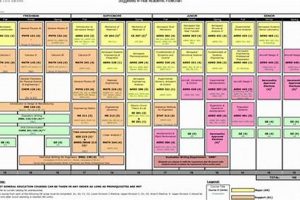
Tip 2: Pursue a Bachelor’s Degree in Aerospace Engineering or a Closely Related Field. Accreditation from ABET (Accreditation Board for Engineering and Technology) is highly desirable. A degree from a reputable program provides the necessary theoretical and practical knowledge.
Tip 3: Seek Internships and Research Opportunities. Practical experience is invaluable. Participating in internships at aerospace companies, research labs, or government agencies allows for the application of academic knowledge and development of industry-specific skills.
Tip 4: Develop Proficiency in Relevant Software and Tools. Familiarity with CAD (Computer-Aided Design) software, simulation tools, and programming languages (e.g., MATLAB, Python) is crucial. These skills are essential for design, analysis, and problem-solving in the aerospace industry.
Tip 5: Cultivate Strong Problem-Solving and Analytical Skills. Aerospace engineering involves complex challenges. Developing the ability to analyze data, identify issues, and devise effective solutions is vital for success.
Tip 6: Join Professional Organizations and Network. Membership in organizations such as the American Institute of Aeronautics and Astronautics (AIAA) provides access to resources, networking opportunities, and professional development.
Tip 7: Consider Advanced Education for Specialization. A master’s degree or doctorate can lead to specialized roles and research opportunities. Further education can focus on areas such as aerodynamics, propulsion, or structural analysis.
These steps are fundamental for individuals aiming for a successful career in aerospace engineering. Combining a strong academic background with practical experience and professional development will significantly enhance career prospects.
The subsequent section will explore common career paths and potential specializations within the field.
1. Academic Rigor

Academic rigor serves as the cornerstone of preparation for a career in aerospace engineering. The demanding nature of this field requires a robust understanding of fundamental principles and advanced concepts, cultivated through a rigorous academic curriculum. Success in aerospace engineering is predicated on a commitment to thorough and comprehensive study across several key disciplines.
- Mathematical Foundation
Aerospace engineering relies heavily on mathematical principles, including calculus, differential equations, linear algebra, and numerical analysis. These tools are essential for modeling and analyzing complex systems, such as aircraft flight dynamics, structural integrity, and control systems. A deep understanding of these concepts enables precise calculations and accurate predictions, crucial for safe and efficient aerospace design.
- Physics and Mechanics
A strong grasp of physics, particularly mechanics, thermodynamics, and fluid dynamics, is indispensable. These principles govern the behavior of airfoils, engines, and spacecraft in various environments. Understanding the laws of motion, energy transfer, and fluid flow is essential for designing aerodynamic structures, propulsion systems, and thermal management systems.
- Engineering Principles
Core engineering disciplines, such as statics, dynamics, materials science, and control systems, provide the framework for designing and analyzing aerospace components and systems. These principles ensure that structures can withstand the stresses and strains of flight, that control systems can maintain stability, and that materials are chosen appropriately for their specific applications.
- Computational Skills
Proficiency in computer programming and numerical simulation is increasingly vital. Aerospace engineers use software tools like MATLAB, ANSYS, and computational fluid dynamics (CFD) packages to model and simulate complex systems, analyze data, and optimize designs. These skills allow for virtual prototyping and testing, reducing the need for costly physical experiments and accelerating the design process.
These facets of academic rigor collectively prepare aspiring aerospace engineers for the challenges of designing, developing, and maintaining advanced aerospace systems. Mastering these fundamental concepts and developing strong analytical skills are essential steps toward a successful career in this demanding and rewarding field. A commitment to continuous learning and intellectual curiosity will further enhance career prospects and enable contributions to future advancements in aerospace technology.
2. Practical Experience
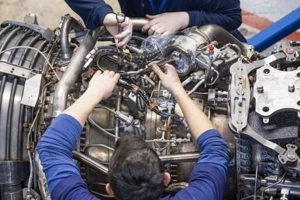
Practical experience represents a pivotal component in the development of an aerospace engineer. The theoretical knowledge acquired through academic study provides the foundation, but practical application solidifies understanding and cultivates essential skills. Without hands-on engagement, the transition from academic concepts to real-world problem-solving becomes significantly more challenging.
Internships with aerospace companies, participation in research projects, and involvement in engineering design competitions furnish invaluable opportunities to apply learned principles in authentic contexts. For example, an internship at a company specializing in aircraft manufacturing may involve working on the design and analysis of wing structures or propulsion systems. Similarly, a research project focused on developing new materials for spacecraft could provide experience with materials testing and data analysis. These experiences demonstrate the practical application of theory, such as structural mechanics in wing design or thermodynamics in propulsion systems.
Securing relevant practical experience significantly enhances career prospects. Employers often prioritize candidates who possess demonstrable experience in areas aligned with their specific needs. Furthermore, practical involvement fosters critical thinking, problem-solving abilities, and teamwork skills, which are essential for success in the collaborative environment of the aerospace industry. In conclusion, acquiring practical experience is not merely an advantage; it is a fundamental necessity for individuals striving to excel in aerospace engineering, bridging the gap between theoretical knowledge and tangible application and ultimately bolstering career preparedness.
3. Technical Proficiency

Attaining technical proficiency is a paramount aspect of preparing for a career in aerospace engineering. It encompasses the mastery of specific tools, techniques, and knowledge bases essential for effective design, analysis, and problem-solving within the aerospace domain. Without a comprehensive skillset, aspiring aerospace engineers may encounter considerable impediments in translating theoretical understanding into practical application and contributing meaningfully to projects and initiatives.
- CAD Software Expertise
Proficiency in Computer-Aided Design (CAD) software, such as CATIA, SolidWorks, or AutoCAD, is indispensable for creating detailed 3D models and 2D drawings of aerospace components and systems. This skill enables the accurate representation of designs, facilitating communication among engineers, and enabling virtual prototyping. Mastering CAD software allows engineers to efficiently design and modify complex geometries, optimize designs for performance, and integrate components into larger assemblies.
- Simulation and Analysis Tools
Expertise in simulation and analysis tools, including Finite Element Analysis (FEA) software like ANSYS and computational fluid dynamics (CFD) software like Fluent, is crucial for evaluating the performance and behavior of aerospace structures and systems under various conditions. These tools enable engineers to simulate stress distributions, aerodynamic forces, and thermal effects, allowing for the identification of potential weaknesses and optimization of designs for safety and efficiency. Accurate simulations reduce the need for costly physical testing and accelerate the design cycle.
- Programming Languages and Scripting
A strong understanding of programming languages, such as MATLAB, Python, or C++, is highly valuable for developing custom tools, automating tasks, and analyzing large datasets. These skills enable engineers to create scripts for data processing, develop control algorithms for aerospace systems, and perform complex calculations that are beyond the capabilities of standard software packages. Programming proficiency enhances versatility and enables the efficient solution of complex engineering problems.
- Materials Science and Manufacturing Processes
A solid foundation in materials science and manufacturing processes is essential for selecting appropriate materials and fabrication techniques for aerospace components. This knowledge encompasses understanding the properties of various materials, such as metals, composites, and ceramics, as well as the advantages and limitations of different manufacturing methods, such as machining, casting, and additive manufacturing. A thorough understanding of materials and manufacturing enables the design of lightweight, strong, and durable aerospace structures.
The combined mastery of these technical proficiencies equips aspiring aerospace engineers with the capabilities needed to effectively contribute to the design, development, and testing of aerospace systems. These skills are not merely beneficial but constitute a fundamental requirement for successfully navigating the complexities of the aerospace field and fostering innovation in this dynamic domain.
4. Professional Engagement
Professional engagement plays a crucial role in career development within aerospace engineering. Actively participating in professional organizations and industry events provides opportunities for networking, knowledge acquisition, and career advancement. This involvement complements academic learning and practical experience, fostering a well-rounded skillset conducive to success.
- Networking with Industry Professionals
Joining professional organizations like the American Institute of Aeronautics and Astronautics (AIAA) offers platforms to connect with engineers, researchers, and executives. Attending conferences and workshops facilitates the exchange of ideas, exploration of career opportunities, and potential mentorship relationships. For example, attending an AIAA regional conference could lead to meeting a senior engineer at a leading aerospace firm, potentially opening doors to internships or future employment. Networking extends beyond simple introductions; it involves building relationships that can provide valuable insights and guidance throughout a career.
- Accessing Educational Resources and Training
Professional organizations frequently provide access to specialized training programs, workshops, and online resources tailored to aerospace engineering. These offerings can cover emerging technologies, industry best practices, and advanced engineering techniques. For instance, AIAA offers short courses on topics such as computational fluid dynamics or composite materials. Engaging with these resources ensures continuous learning and helps engineers stay abreast of the latest advancements, enhancing their technical capabilities.
- Contributing to Technical Advancement and Innovation
Professional engagement offers avenues for contributing to the advancement of aerospace technology. Participating in technical committees, presenting research findings at conferences, and publishing papers in peer-reviewed journals enable engineers to share their expertise and contribute to the collective knowledge base of the industry. Contributing to technical standards development or participating in research initiatives allows individuals to directly impact the future of aerospace engineering. These actions elevate professional standing and demonstrate a commitment to innovation.
- Career Advancement Opportunities
Active involvement in professional organizations can create career advancement opportunities. Many companies value employees who are engaged in the broader engineering community, recognizing their commitment to professional development and industry leadership. Presenting at conferences, volunteering for committees, or serving in leadership roles within organizations demonstrates initiative and enhances visibility within the profession. These activities can lead to promotions, leadership roles, or opportunities to work on high-profile projects. Active participation showcases ambition and professional drive, increasing career prospects.
These facets of professional engagement are integral to “what should I do to become an aerospace engineer”. By actively participating in the aerospace community, aspiring engineers can enhance their knowledge, expand their network, and advance their careers, becoming well-rounded and highly sought-after professionals. The combination of academic rigor, practical experience, technical proficiency, and professional engagement provides a comprehensive pathway to success in the dynamic field of aerospace engineering.
5. Continuous Learning

Within the framework of “what should I do to become an aerospace engineer,” continuous learning is not merely a desirable trait but an indispensable attribute for sustained success. The aerospace industry is characterized by rapid technological advancements, evolving regulatory landscapes, and increasingly complex engineering challenges. Individuals who fail to prioritize ongoing education and skill enhancement risk obsolescence and diminished career prospects. Therefore, a commitment to lifelong learning is paramount for those seeking a lasting and impactful career in this field.
- Adaptation to Emerging Technologies
The aerospace sector is perpetually transformed by groundbreaking technologies such as advanced composite materials, additive manufacturing, artificial intelligence, and autonomous systems. Aerospace engineers must actively pursue knowledge and training related to these emerging fields to remain competitive and contribute effectively. For example, familiarity with advanced simulation techniques, coupled with a deep understanding of machine learning algorithms, could be essential for optimizing aircraft design and enhancing operational efficiency. Failure to adapt to these technological shifts will limit an engineer’s ability to address contemporary challenges and contribute to innovative solutions.
- Compliance with Evolving Regulations and Standards
Aerospace engineering operates within a tightly regulated environment governed by stringent safety standards and compliance requirements. Regulations pertaining to aircraft design, manufacturing, and operation are subject to periodic revisions and updates. Aerospace engineers must diligently stay informed about these regulatory changes and ensure that their work aligns with the latest requirements. For example, changes to environmental regulations concerning emissions standards may necessitate the development of new engine technologies or the redesign of existing aircraft systems. Neglecting these regulatory updates could lead to non-compliance, resulting in costly penalties and reputational damage.
- Specialization in Niche Areas
Aerospace engineering encompasses a diverse range of specializations, including aerodynamics, propulsion, structural analysis, and control systems. Continuous learning enables engineers to deepen their expertise in specific areas of interest and pursue niche career paths. For example, an engineer with a background in fluid dynamics might choose to specialize in hypersonic flight, requiring additional training in advanced computational techniques and experimental methods. Focused specialization enhances an engineer’s value to employers and opens doors to unique research and development opportunities.
- Cultivation of Interdisciplinary Skills
Aerospace engineering increasingly requires collaboration with professionals from diverse disciplines, such as computer science, electrical engineering, and materials science. Continuous learning should extend beyond core aerospace topics to encompass related fields, fostering interdisciplinary skills and enhancing communication and collaboration capabilities. For instance, an aerospace engineer working on the design of an autonomous drone might benefit from acquiring knowledge of computer vision and sensor fusion techniques. These interdisciplinary skills promote holistic problem-solving and enhance an engineer’s ability to contribute to complex, multidisciplinary projects.
These multifaceted aspects of continuous learning are all crucial to “what should I do to become an aerospace engineer”. By actively embracing lifelong education and skill development, aspiring aerospace engineers can enhance their technical capabilities, adapt to technological advancements, comply with regulatory changes, specialize in niche areas, and cultivate interdisciplinary skills. This commitment to continuous learning is not only beneficial for individual career growth but also essential for driving innovation and ensuring the continued success of the aerospace industry.
Frequently Asked Questions
The following addresses common inquiries regarding the necessary steps and considerations for individuals aspiring to become aerospace engineers. It provides clarification on essential qualifications, career pathways, and strategies for success in this demanding field.
Question 1: What is the minimum educational requirement to work as an aerospace engineer?
A bachelor’s degree in aerospace engineering, or a closely related field such as mechanical engineering with a specialization in aerospace, is generally the minimum requirement. However, certain roles, particularly those involving research and development, may necessitate a master’s degree or doctorate.
Question 2: How important are internships for aspiring aerospace engineers?
Internships are exceptionally valuable. They provide practical experience, allowing students to apply classroom knowledge to real-world problems. Furthermore, internships offer opportunities to develop industry-specific skills and establish professional connections, enhancing career prospects significantly.
Question 3: What are the most crucial technical skills for an aerospace engineer?
Key technical skills include proficiency in CAD software, such as CATIA or SolidWorks; simulation and analysis tools like ANSYS or MATLAB; and programming languages like Python or C++. A strong understanding of materials science, aerodynamics, and structural analysis is also essential.
Question 4: Is it necessary to join professional organizations like AIAA?
While not strictly mandatory, joining organizations such as the American Institute of Aeronautics and Astronautics (AIAA) is highly recommended. These organizations provide networking opportunities, access to educational resources, and platforms for professional development, all of which can be beneficial for career advancement.
Question 5: What are some common career paths for aerospace engineers?
Common career paths include roles in aircraft design and manufacturing, spacecraft development, propulsion systems engineering, and research and development. Aerospace engineers may also find opportunities in government agencies like NASA or the Department of Defense.
Question 6: How can an aerospace engineer stay current with rapidly evolving technologies?
Continuous learning is critical. Aerospace engineers should actively participate in professional development activities, attend conferences and workshops, and pursue advanced degrees or certifications. Staying informed about industry publications and emerging technologies is also essential for maintaining expertise.
In summary, a career in aerospace engineering necessitates a blend of rigorous academic preparation, practical experience, technical proficiency, and continuous professional development. Proactive engagement with the industry and a commitment to lifelong learning are crucial for success.
The following concluding remarks will further highlight the core ideas of becoming an aerospace engineer.
Conclusion
The preceding exploration has illuminated the multifaceted path required to enter the field of aerospace engineering. Success hinges on a robust foundation in STEM disciplines, pursued through rigorous academic study. Practical experience, obtained via internships and research opportunities, serves as a crucial bridge between theoretical knowledge and real-world application. The development of technical proficiency in relevant software and tools, coupled with active professional engagement, further enhances career readiness. Finally, a commitment to continuous learning is essential for navigating the dynamic landscape of technological advancements and regulatory changes within the industry.
Prospective aerospace engineers must recognize that achieving competence requires dedication, perseverance, and a proactive approach to skill development. By embracing these core principles, aspiring professionals can effectively position themselves to contribute meaningfully to the ongoing evolution of air and space technology and shape the future of the field.