



The nature of aerospace engineering involves the design, development, testing, and production of aircraft and spacecraft. It encompasses a broad spectrum of technical disciplines, including aerodynamics, propulsion, structures, control systems, and materials science. For example, an aerospace engineer might be involved in designing a more fuel-efficient aircraft wing or developing a new satellite communication system.
The field plays a vital role in advancing both commercial aviation and space exploration. Developments in aerospace engineering contribute to safer and more efficient air travel, as well as enabling advancements in satellite technology, space-based research, and interplanetary missions. Historically, the field has driven technological innovation, leading to advancements in materials science, computer modeling, and manufacturing processes, with widespread applications beyond aerospace itself.
The following sections will explore specific aspects of this engineering discipline, including the required educational background, the diverse career paths available, the core technical skills involved, and the future trends shaping the field.
Essential Insights for Aspiring Aerospace Engineers
The following insights are intended to provide a realistic understanding of the demands and rewards associated with a career in this field. Careful consideration of these points can aid in informed decision-making regarding educational pursuits and career planning.
Tip 1: Cultivate a Strong Foundation in Mathematics and Physics: A rigorous understanding of calculus, differential equations, linear algebra, and fundamental physics principles is indispensable. These subjects form the bedrock upon which advanced aerospace engineering concepts are built.
Tip 2: Develop Proficiency in Computer-Aided Design (CAD) and Simulation Software: Familiarity with industry-standard software packages, such as SolidWorks, CATIA, or ANSYS, is crucial for designing and analyzing aerospace systems. Hands-on experience with these tools is highly valued by employers.
Tip 3: Seek Internships and Research Opportunities: Practical experience gained through internships or research projects provides invaluable exposure to real-world engineering challenges and allows for the application of theoretical knowledge. These experiences also facilitate networking with professionals in the field.
Tip 4: Specialize in a Specific Area of Interest: Aerospace engineering encompasses various specializations, including aerodynamics, propulsion, structures, and control systems. Focusing on a specific area allows for the development of in-depth expertise and enhances career prospects.
Tip 5: Embrace Lifelong Learning: The aerospace industry is constantly evolving, with new technologies and innovations emerging regularly. A commitment to continuous learning and professional development is essential for staying current and competitive.
Tip 6: Hone Problem-Solving and Analytical Skills: Aerospace engineers are frequently tasked with solving complex problems under pressure. Developing strong analytical skills and a systematic approach to problem-solving is critical for success.
Tip 7: Develop Effective Communication Skills: Aerospace engineers must be able to communicate technical information clearly and concisely, both verbally and in writing. Effective communication is essential for collaborating with team members and presenting technical findings to stakeholders.
In summation, pursuing this career path necessitates a strong academic foundation, practical experience, and a commitment to continuous learning. By proactively developing the skills and knowledge outlined above, aspiring engineers can increase their likelihood of success in this challenging and rewarding field.
The subsequent sections will delve into the specific skills and educational requirements needed for a successful career.
1. Multidisciplinary

The connection between “multidisciplinary” and the nature of aerospace engineering is fundamental. Aerospace engineering, by its very definition, requires the integration of knowledge and skills from a wide range of engineering and scientific disciplines. This is not merely a desirable attribute, but an essential condition for the successful design, development, and operation of aircraft and spacecraft. The inherent complexity of these systems necessitates a holistic approach that draws upon expertise from various domains, including aerodynamics, propulsion, structural mechanics, materials science, control systems, and software engineering.
For example, consider the development of a modern commercial airliner. Aerodynamicists are responsible for designing the wing shape to optimize lift and minimize drag. Propulsion engineers focus on developing efficient and reliable engines. Structural engineers ensure the aircraft can withstand the immense forces experienced during flight. Materials scientists select appropriate materials to minimize weight while maintaining strength. Control systems engineers design the flight control systems to ensure stability and maneuverability. Software engineers develop the complex avionics systems that manage navigation, communication, and other critical functions. Each of these disciplines is essential, and their coordinated integration is crucial for the aircraft’s overall performance and safety.
In summary, the multidisciplinary nature of aerospace engineering is not simply a characteristic but a defining attribute. This interconnectedness presents both challenges and opportunities. It demands that aerospace engineers possess a broad understanding of various engineering principles while also developing specialized expertise in a particular area. Furthermore, it underscores the importance of effective communication and collaboration among engineers from different backgrounds. The increasing complexity of aerospace systems will likely further amplify the need for multidisciplinary approaches in the future, making this aspect even more critical to the field.
2. Technically Demanding

The designation “technically demanding” accurately reflects the challenges inherent in aerospace engineering. The field necessitates a deep understanding of complex scientific and engineering principles, coupled with the ability to apply these principles to the design and analysis of intricate systems.
- Advanced Mathematics and Physics Proficiency
Aerospace engineering relies heavily on advanced mathematical concepts such as calculus, differential equations, and linear algebra, along with a comprehensive understanding of physics, including thermodynamics, fluid mechanics, and electromagnetism. These principles form the foundation for analyzing aerodynamic forces, structural stresses, and propulsion system performance. For example, accurately predicting the lift and drag characteristics of an aircraft wing requires sophisticated computational fluid dynamics (CFD) simulations based on complex mathematical models. A deficient understanding of these foundational subjects directly impacts an engineer’s capacity to design functional and efficient aerospace systems.
- Complex Systems Integration
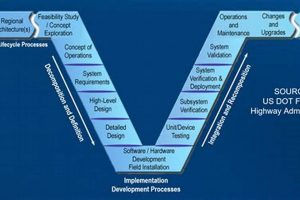
Aerospace systems are characterized by their intricate integration of various subsystems, each with its own set of technical challenges. Integrating avionics, propulsion, control, and life support systems in an aircraft or spacecraft requires careful consideration of interdependencies and potential conflicts. A failure in one subsystem can have cascading effects, potentially compromising the entire mission. For instance, designing an autonomous drone requires not only advanced computer vision and control algorithms, but also seamless integration with communication and navigation systems. The complexity of these interactions necessitates a high level of expertise in systems engineering and a rigorous approach to testing and validation.
- Stringent Safety Requirements
The aerospace industry operates under extremely stringent safety standards, reflecting the potential consequences of system failures. Designing aerospace systems that meet these standards requires meticulous attention to detail and a deep understanding of failure modes and effects analysis (FMEA). Redundancy, fault tolerance, and rigorous testing are essential elements of the design process. For example, aircraft engines are designed with multiple layers of redundancy to ensure continued operation even in the event of component failures. The technical challenges associated with ensuring safety are further compounded by the need to minimize weight and maximize performance. Meeting these conflicting requirements demands innovative engineering solutions and a thorough understanding of risk assessment.
- Demanding Regulatory Environment
Aerospace engineering operates under a complex web of national and international regulations. Compliance with these regulations requires a deep understanding of aviation law, certification processes, and industry standards. Engineers must not only design systems that meet performance requirements but also ensure that they conform to all applicable safety and environmental regulations. This can involve extensive documentation, testing, and certification processes, adding another layer of complexity to the engineering process. For example, the development of a new aircraft engine requires certification from regulatory agencies such as the Federal Aviation Administration (FAA) or the European Aviation Safety Agency (EASA). The technical challenges associated with meeting these regulatory requirements necessitate a strong understanding of aerospace law and industry best practices.
These facets highlight the depth and breadth of technical expertise required in aerospace engineering. The need for advanced mathematical and physics proficiency, systems integration skills, adherence to stringent safety requirements, and compliance with regulatory frameworks all contribute to the demanding nature of the field. The examples given represent the everyday challenges of aerospace engineering. They highlight that it requires meticulous attention to detail and a deep understanding of engineering principles. The ability to solve complex problems and find new solutions makes aerospace engineering a demanding profession.
3. Innovation-driven

The nature of aerospace engineering is inextricably linked to the pursuit of innovation. The field is inherently innovation-driven due to constant demands for improved performance, enhanced safety, increased efficiency, and the exploration of new frontiers. This continuous cycle of improvement and discovery necessitates ongoing research, development, and the application of cutting-edge technologies. The very act of pushing the boundaries of flight and space exploration necessitates a culture of innovation at all levels, from fundamental research to applied engineering.
A direct consequence of this innovation-driven nature is the accelerated advancement of related technologies. For example, the development of advanced composite materials for aircraft structures has not only reduced weight and increased fuel efficiency but has also spurred innovation in materials science with applications in diverse fields such as automotive engineering and biomedical devices. Similarly, the development of sophisticated flight control systems has led to advancements in robotics and autonomous systems. Real-world examples abound, from the development of GPS technology, initially designed for military applications, to the ongoing efforts to develop electric aircraft, fueled by environmental concerns and the desire for more sustainable air travel.
In conclusion, understanding that aerospace engineering is innovation-driven is essential for appreciating its dynamic and challenging character. This perspective underscores the importance of continuous learning, adaptability, and a proactive approach to problem-solving for those seeking to contribute to the field. This also points toward the need to address existing challenges, such as the high cost of research and development and the need for effective collaboration between industry, academia, and government, in order to sustain the pace of innovation and ensure the continued progress of aerospace engineering.
4. Problem-solving
Aerospace engineering, at its core, is a discipline deeply rooted in problem-solving. Every stage, from conceptual design to manufacturing and operation, presents a unique set of challenges that demand innovative and effective solutions. The complex nature of aircraft and spacecraft systems, coupled with the stringent safety and performance requirements, necessitate a rigorous and analytical approach to identifying, analyzing, and resolving potential issues. Consequently, strong problem-solving skills are not merely a desirable attribute for aerospace engineers, but rather an essential prerequisite for success in the field.
The challenges tackled by aerospace engineers span a wide spectrum, ranging from optimizing aerodynamic efficiency to mitigating structural failures and designing robust control systems. For instance, minimizing drag on an aircraft wing to improve fuel efficiency involves complex computational fluid dynamics simulations and iterative design modifications. Similarly, ensuring the structural integrity of a spacecraft during launch requires careful analysis of stress concentrations and the selection of appropriate materials. Furthermore, the development of autonomous navigation systems for unmanned aerial vehicles (UAVs) necessitates sophisticated algorithms and sensor integration techniques. All these examples highlight the critical role of problem-solving in overcoming technical hurdles and achieving desired outcomes. The significance of problem-solving is also evident in the iterative design process, where engineers continuously refine their designs based on testing and analysis, identifying and addressing potential weaknesses or inefficiencies.
In summary, aerospace engineering is inherently a field defined by the need to solve complex and multifaceted problems. The ability to identify, analyze, and resolve these challenges is paramount for achieving the demanding performance and safety standards required. As technology continues to advance and new frontiers are explored, the need for innovative problem-solving will only intensify, further solidifying its central role in the ever-evolving landscape of aerospace engineering.
5. Team-oriented

The collaborative nature of aerospace engineering profoundly shapes the professional experience. Complex projects necessitate the coordinated efforts of individuals with diverse expertise, making teamwork an indispensable aspect of the field.
- Cross-Disciplinary Collaboration
Aerospace projects frequently involve specialists from various engineering disciplines, including aerodynamics, propulsion, structures, and control systems. Effective teamwork requires clear communication, mutual respect, and a shared understanding of project goals. For instance, the design of an aircraft wing requires close collaboration between aerodynamicists, who optimize the wing shape for lift and drag, and structural engineers, who ensure the wing can withstand the forces experienced during flight. Miscommunication or a lack of coordination between these teams can lead to design flaws or performance compromises.
- Hierarchical Structures and Leadership
Aerospace projects often involve hierarchical organizational structures, with project managers, team leads, and individual contributors. Effective leadership is crucial for guiding teams, delegating tasks, and resolving conflicts. For example, a project manager responsible for developing a new satellite must coordinate the efforts of engineers, scientists, and technicians from various departments, ensuring that the project stays on schedule and within budget. Strong leadership skills are essential for fostering a collaborative environment and motivating team members to achieve common goals.
- Global Collaboration
Many aerospace projects are international in scope, involving collaboration between engineers and organizations from different countries. This can present unique challenges related to cultural differences, language barriers, and time zone differences. Effective teamwork in a global context requires sensitivity to cultural nuances, strong communication skills, and the ability to work effectively across geographical boundaries. For example, the International Space Station is a collaborative project involving multiple countries, each contributing different modules and expertise. The success of the project depends on the ability of engineers and scientists from different cultures to work together seamlessly.
- Communication and Documentation
Effective communication and thorough documentation are essential for successful teamwork in aerospace engineering. Clear and concise communication ensures that all team members are informed of project progress, technical challenges, and design changes. Detailed documentation provides a record of decisions, analyses, and test results, facilitating knowledge sharing and ensuring traceability. For example, during the development of a new aircraft, engineers generate extensive documentation, including design specifications, test reports, and maintenance manuals. This documentation is crucial for ensuring the safety and reliability of the aircraft throughout its service life. Without adequate communication and documentation, project timelines and safety protocols can be easily compromised.
The necessity for teamwork fundamentally shapes the work environment in aerospace engineering. The intricacies of projects in this sector necessitate working together. These collaborative structures highlight the need for developed interpersonal skills, adding another dimension to what it is like to work in this field. In summation, collaboration is essential for all, and the ability to work efficiently in groups is one of the most valuable assets to the aerospace engineer.
6. Safety-critical
The designation of aerospace engineering as “safety-critical” stems from the severe consequences that can arise from even minor design flaws, manufacturing defects, or operational errors. The lives of passengers, crew members, and individuals on the ground depend directly on the integrity and reliability of aircraft and spacecraft. This inherent risk necessitates a rigorous approach to engineering, prioritizing safety at every stage of the design, development, testing, and operation of aerospace systems. Failures in other engineering disciplines may lead to economic losses or inconveniences; in aerospace, they can result in catastrophic loss of life.
The emphasis on safety manifests in numerous ways throughout the practice of aerospace engineering. Redundancy is a common design principle, where critical systems are duplicated or triplicated to ensure continued operation even in the event of a component failure. Rigorous testing and certification processes are employed to verify that aerospace systems meet stringent safety standards. For example, aircraft engines undergo extensive testing to ensure they can withstand extreme temperatures, pressures, and vibration loads. Flight control systems are designed with multiple layers of backup to prevent loss of control in the event of a sensor failure or software glitch. Materials are carefully selected and tested to ensure they can withstand the harsh environmental conditions encountered during flight or space travel. Furthermore, extensive training programs are implemented for pilots, air traffic controllers, and maintenance personnel to minimize the risk of human error. These measures reflect the understanding that even seemingly small deviations from optimal performance can have catastrophic outcomes.
In summary, the “safety-critical” nature of aerospace engineering is not merely a label, but a fundamental principle that permeates every aspect of the profession. This unwavering focus on safety drives innovation, promotes meticulous engineering practices, and underscores the profound responsibility borne by those who design, build, and operate aircraft and spacecraft. This critical focus remains a driving force behind every aspect of aerospace engineering.
7. Constantly evolving

The aerospace engineering field is fundamentally characterized by its relentless pursuit of advancement. This constant evolution is not merely a trend but a defining feature, deeply intertwined with the demands of the industry and its commitment to pushing technological boundaries. The drive for improvement stems from various factors, including the need for increased efficiency, enhanced safety, reduced environmental impact, and the exploration of new capabilities in both atmospheric and space environments.
Several factors contribute to this constant state of flux. The advent of new materials, such as advanced composites and alloys, necessitates continuous research and development to integrate these materials into aircraft and spacecraft designs. Similarly, advancements in propulsion systems, including electric and hybrid-electric technologies, require engineers to adapt their expertise and develop innovative solutions for power generation and energy storage. Furthermore, the growing emphasis on automation and autonomy drives the development of sophisticated control systems and artificial intelligence algorithms, demanding a continuous update of skills and knowledge among aerospace engineers. For example, the development of reusable launch vehicles, such as SpaceX’s Falcon 9, has revolutionized space access by significantly reducing launch costs. This advancement required breakthroughs in propulsion technology, autonomous landing systems, and materials science. These examples highlight the need for constant adaptation to new technologies and methodologies.
This continuous evolution presents both challenges and opportunities. Aerospace engineers must commit to lifelong learning, constantly updating their skills and knowledge to remain competitive in the field. This requires a proactive approach to professional development, including attending conferences, pursuing advanced degrees, and engaging in research. Simultaneously, this dynamic environment provides engineers with the opportunity to contribute to groundbreaking innovations and shape the future of aerospace technology. By embracing this constant evolution, aerospace engineers can play a vital role in solving some of the world’s most pressing challenges, such as developing sustainable air transportation systems and exploring the vast potential of space.
Frequently Asked Questions
The following section addresses common queries regarding the nature and scope of aerospace engineering, aiming to provide clarity on its complexities and requirements.
Question 1: What distinguishes aerospace engineering from other engineering disciplines?
Aerospace engineering distinguishes itself through its specific focus on the design, development, and testing of aircraft and spacecraft. While sharing foundational principles with other engineering fields, it uniquely addresses challenges related to flight within and beyond Earth’s atmosphere. Its specialized knowledge base includes aerodynamics, propulsion, astrodynamics, and aerospace-specific materials science.
Question 2: What are the primary job responsibilities of an aerospace engineer?
Primary responsibilities typically involve designing, analyzing, and testing aerospace vehicles and components. This includes conducting research, developing prototypes, overseeing manufacturing processes, and ensuring adherence to safety regulations. Responsibilities can also extend to project management, systems integration, and technical documentation.
Question 3: What educational background is typically required to pursue a career in aerospace engineering?
A bachelor’s degree in aerospace engineering or a closely related field (e.g., mechanical engineering with an aerospace focus) is generally the minimum requirement. Advanced positions may necessitate a master’s degree or doctorate, particularly for roles involving research and development.
Question 4: What are the key skills needed to succeed in aerospace engineering?
Essential skills include a strong foundation in mathematics and physics, proficiency in computer-aided design (CAD) and simulation software, problem-solving abilities, analytical thinking, and effective communication skills. Familiarity with aerospace-specific technologies and regulatory requirements is also crucial.
Question 5: What are some common career paths for aerospace engineers?
Common career paths include working for aerospace manufacturers (designing and building aircraft and spacecraft), government agencies (conducting research and development), airlines (maintaining and improving aircraft), and defense contractors (developing military aerospace systems). Other options include working in academia or consulting.
Question 6: How is aerospace engineering adapting to current global challenges?
Aerospace engineering is increasingly focused on addressing environmental concerns through the development of more fuel-efficient aircraft, alternative propulsion systems (e.g., electric and hybrid-electric), and sustainable materials. The field is also adapting to the growing demand for autonomous systems and space exploration, driving innovation in areas such as robotics and artificial intelligence.
This overview of frequently asked questions aims to provide a foundation for understanding the core elements of aerospace engineering. Its complex nature necessitates ongoing education and training.
The next section explores the future of aerospace engineering, addressing emerging trends and potential career opportunities.
Understanding Aerospace Engineering
This exploration has sought to illuminate the realities of aerospace engineering, emphasizing its multidisciplinary nature, technical demands, innovation-driven ethos, and problem-solving focus. The professions team-oriented structure, safety-critical responsibilities, and the imperative for continuous learning underscore the commitment required for success. These characteristics collectively paint a comprehensive picture of what the field entails.
Prospective engineers must carefully consider these facets when evaluating their suitability for this career path. The pursuit of knowledge and the drive for innovation within the aerospace sector hold the potential to shape the future of air and space travel. Continued advancements will depend on the dedication of skilled engineers who embrace these challenges and strive for excellence.

![[Expert] George Franklin: Solar Aerospace Engineering Today! | Innovating the Future of Flight with Reliable Aviation Solutions](https://mixaerospace.com/wp-content/uploads/2026/04/th-246-300x200.jpg "[Expert] George Franklin: Solar Aerospace Engineering Today! Innovating the Future of Flight with Reliable Aviation Solutions")