The professional lives of individuals designing, developing, and testing aircraft, spacecraft, and related systems are multifaceted. These professionals operate within environments characterized by complex projects, stringent deadlines, and a high degree of precision. Aspects such as workplace safety, team dynamics, workload distribution, and access to necessary tools and resources significantly impact the ability of these engineers to perform effectively and contribute to innovation. Consider the difference between a well-equipped, collaborative research laboratory versus a high-pressure, under-resourced testing facility; the impact on engineer morale and output is substantial.
The circumstances in which these professionals operate are paramount to maintaining innovation, ensuring project success, and fostering employee well-being. Historically, improvements in these circumstances have led to significant advancements in aerospace technology and a reduction in errors and accidents. A supportive atmosphere, coupled with adequate resources, encourages creativity, problem-solving, and a proactive approach to safety. Conversely, negative environments can lead to burnout, decreased productivity, and increased risk of mistakes, particularly given the safety-critical nature of the work. Improved conditions lead to better designs, more reliable systems, and ultimately, safer air and space travel.
Therefore, a detailed examination of factors impacting the daily routines of these professionals is essential. This analysis will encompass aspects of workplace environment, safety protocols, work-life balance considerations, opportunities for professional development, and the effects of compensation and benefits packages. A comprehensive understanding of these elements provides a clearer picture of the realities faced by those at the forefront of aerospace innovation.
Enhancing Professional Environments
The following recommendations address key elements that influence the daily experiences of professionals in this field. Implementing these suggestions can foster a more productive, safe, and rewarding environment.
Tip 1: Prioritize Ergonomic Workplace Design: Implementing adjustable workstations, appropriate lighting, and comfortable seating reduces physical strain and promotes focus. For instance, providing engineers with adjustable monitor arms and lumbar support can mitigate the risk of musculoskeletal disorders.
Tip 2: Invest in Advanced Simulation and Modeling Tools: Equipping engineers with cutting-edge software and hardware streamlines design processes and enhances accuracy. This includes providing access to computational fluid dynamics (CFD) software and high-performance computing clusters.
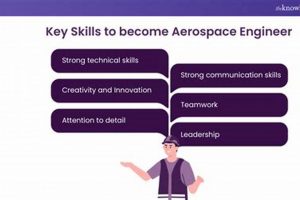
Tip 3: Foster a Culture of Open Communication and Collaboration: Encouraging the sharing of ideas and expertise across teams improves problem-solving and accelerates innovation. Regular team meetings, knowledge-sharing platforms, and cross-functional projects can facilitate this.
Tip 4: Emphasize Safety Training and Protocol Adherence: Providing comprehensive training on safety procedures and ensuring strict adherence to protocols minimizes risks associated with testing and manufacturing. Regular drills and updates on safety regulations are essential.
Tip 5: Implement Strategies for Work-Life Balance: Offering flexible work arrangements, generous paid time off, and resources for stress management reduces burnout and improves employee well-being. This may include implementing core hours or providing access to wellness programs.
Tip 6: Offer Opportunities for Professional Development: Supporting continuing education, conference attendance, and participation in industry organizations keeps engineers at the forefront of technological advancements. Providing tuition reimbursement or funding for certifications can be beneficial.
Tip 7: Regularly Assess and Address Workplace Hazards: Conduct routine inspections of facilities and equipment to identify and mitigate potential hazards. This includes addressing issues such as noise levels, air quality, and chemical exposure.
Adopting these strategies contributes to a more positive and effective professional climate, which translates into enhanced performance, increased job satisfaction, and safer operational practices.
By focusing on these key areas, organizations can create environments where individuals are empowered to excel, innovate, and contribute to the advancement of the aerospace industry.
1. Safety Protocols

Safety protocols form a cornerstone of acceptable operational circumstances for aerospace engineers. The nature of their work, involving complex systems, high-value equipment, and potential hazards, necessitates stringent guidelines and practices to mitigate risks and ensure personnel well-being. These protocols permeate all aspects of the engineering lifecycle, from design and testing to manufacturing and maintenance.
- Hazard Identification and Risk Assessment
The systematic identification of potential hazards within the workplace is paramount. This includes assessing the risks associated with exposure to chemicals, working at heights, operating machinery, and handling specialized equipment. Comprehensive risk assessments inform the development of appropriate safety measures and control procedures. For example, in a testing facility, engineers might be exposed to high-decibel noise levels from engine testing; risk assessment would lead to mandatory hearing protection and noise reduction measures.
- Emergency Response Procedures
Clearly defined emergency response procedures are critical for mitigating the impact of unforeseen events. These procedures outline actions to be taken in the event of accidents, equipment malfunctions, or natural disasters. Regular drills and training sessions ensure that personnel are familiar with evacuation routes, first aid protocols, and the use of emergency equipment. A well-defined protocol for a fuel leak during aircraft maintenance, for example, would include immediate evacuation, containment of the spill, and notification of emergency services.
- Personal Protective Equipment (PPE) Requirements
The provision and mandatory use of appropriate personal protective equipment are essential for protecting engineers from workplace hazards. This may include safety glasses, earplugs, respirators, gloves, and specialized clothing. The specific PPE requirements vary depending on the task and the potential hazards involved. Aerospace engineers working in a clean room environment during satellite assembly would be required to wear full body suits, gloves, and masks to prevent contamination.
- Adherence to Regulatory Standards
Compliance with relevant regulatory standards and industry best practices is non-negotiable. Aerospace engineers are obligated to adhere to regulations set forth by organizations such as the Federal Aviation Administration (FAA) and the Occupational Safety and Health Administration (OSHA). These regulations cover a wide range of safety-related topics, including equipment safety, hazard communication, and emergency preparedness. For example, adherence to FAA guidelines regarding aircraft maintenance ensures the safety and airworthiness of aircraft.
In conclusion, rigorous safety protocols are not merely a regulatory requirement, but an ethical obligation that fundamentally shapes the environment for these engineers. The effectiveness of these measures directly influences employee morale, productivity, and the overall success of aerospace projects, solidifying their central role in shaping professional life.
2. Workload Management

Workload management exerts a direct and significant influence on the operational environment for aerospace engineers. Excessive workloads and poor management thereof are primary contributors to stress, burnout, and reduced productivity. The effect manifests in diminished attention to detail, potentially leading to errors in design, testing, or analysis phases. These errors, particularly within the context of aerospace engineering where safety is paramount, carry severe consequences. For example, if project deadlines are unrealistic and individual tasks are not properly distributed or prioritized, engineers may experience chronic overwork, which could result in compromised designs or overlooked safety concerns. A well-structured plan reduces those risks to almost zero.
Effective workload management involves distributing tasks equitably, providing adequate time for completion, and accounting for individual skills and expertise. Resource allocation and prioritization are also central. Organizations that fail to properly manage workloads may observe increased employee turnover, decreased innovation, and a decline in overall project quality. In contrast, organizations prioritizing workload management often implement project management software, establish clear lines of communication, and provide regular opportunities for feedback and adjustment. This proactive approach allows for the early identification of potential bottlenecks and the prompt allocation of resources to alleviate pressure points, resulting in more reasonable projects.
In summary, workload management is a critical component of the operational environment for aerospace engineers. Its influence permeates all aspects of their work, impacting not only individual well-being but also the integrity and success of aerospace projects. Organizations recognizing and addressing workload management effectively foster a healthier and more productive climate, ultimately enhancing the safety, reliability, and innovation within the aerospace industry.
3. Team Collaboration
Team collaboration stands as a critical determinant within the working environment for aerospace engineers. The complexity inherent in aerospace projectsdesigning, developing, testing, and deploying advanced technologiesnecessitates the integration of diverse expertise. Effective collaboration serves as the mechanism through which knowledge is shared, problems are collectively solved, and innovations are fostered. When team collaboration is absent or dysfunctional, projects suffer from duplicated efforts, miscommunication, and increased risk of errors. For instance, the development of a new aircraft wing requires structural engineers, aerodynamicists, materials scientists, and manufacturing specialists to coordinate effectively. Failure in this collaboration can lead to design flaws, increased costs, and delayed timelines.
The importance of team collaboration extends beyond technical aspects. It directly impacts the morale and job satisfaction of aerospace engineers. A supportive and communicative team environment promotes a sense of belonging, encourages knowledge sharing, and provides opportunities for professional growth. Conversely, a competitive or isolated environment can lead to decreased motivation, reduced creativity, and increased stress levels. Consider the contrast between two project teams: one that fosters open communication, where engineers feel comfortable sharing ideas and raising concerns, and another characterized by hierarchical communication and individual silos. The former is more likely to generate innovative solutions and maintain a higher level of team satisfaction. Furthermore, collaborative tools, such as shared design platforms and project management software, play a pivotal role in facilitating seamless teamwork and ensuring everyone remains aligned throughout the project lifecycle.
In conclusion, team collaboration represents a fundamental component of a positive and productive working environment for aerospace engineers. By fostering open communication, shared knowledge, and mutual support, organizations can unlock the full potential of their engineering teams. Addressing challenges related to communication barriers, conflicting priorities, or lack of trust is crucial for creating a collaborative culture. The resulting enhanced teamwork translates into improved project outcomes, increased job satisfaction, and the continued advancement of aerospace technology. The absence of effective team collaboration ultimately undermines not only the well-being of individual engineers but also the success of entire organizations within the competitive aerospace sector.
4. Resources Availability
Adequate resources represent a critical factor shaping the circumstances in which aerospace engineers operate. A direct correlation exists between the availability of appropriate resources and the efficacy of engineering tasks, influencing project outcomes and employee satisfaction. Inadequate access to tools, software, data, or expertise can significantly impede progress, leading to delays, errors, and compromised project quality. For instance, aerospace engineers tasked with designing a new aircraft wing require access to advanced computational fluid dynamics (CFD) software, high-performance computing clusters, and wind tunnel testing facilities. Without these resources, their ability to optimize the wing’s aerodynamic performance and structural integrity is severely limited, potentially resulting in a design that is less efficient, safe, or cost-effective. Conversely, when these resources are readily available, engineers can explore a wider range of design options, conduct thorough simulations, and refine their designs based on empirical data, ultimately leading to superior results.
The impact of resources extends beyond physical tools and infrastructure. Access to relevant data, technical documentation, and expert consultation is equally important. Aerospace engineering projects often involve complex systems and cutting-edge technologies, requiring engineers to stay abreast of the latest advancements and best practices. When access to information is limited, engineers may struggle to make informed decisions, troubleshoot problems effectively, or innovate effectively. For example, engineers working on the development of a new spacecraft propulsion system need access to extensive databases of materials properties, propulsion system performance data, and expert advice from senior engineers and scientists. Lacking access to such resources can result in uninformed design choices, increased development risks, and potential failure during testing or operation. Access to up-to-date standards and regulations are also crucial as this helps engineers comply with safety requirements.
In conclusion, resources availability stands as a pivotal element within aerospace engineering. This availability shapes operational effectiveness and overall working conditions. Limited access directly impacts quality, safety, and innovation. Optimizing this aspect not only improves the immediate environment but also enhances the strategic capacity to remain at the industry’s forefront. Addressing challenges in resource allocation and access is essential for ensuring that aerospace engineers can perform their tasks effectively, safely, and innovatively, contributing to the continued advancement of the aerospace sector. This commitment to supporting resources improves not only engineering but also the whole company and the industry.
5. Ergonomic Design

Ergonomic design within the work environments of aerospace engineers directly impacts productivity, safety, and overall well-being. The highly specialized and often demanding nature of their tasks necessitates a workspace that minimizes physical strain and supports cognitive function.
- Workstation Configuration
The configuration of workstations, including adjustable chairs, monitor placement, and keyboard positioning, plays a critical role in preventing musculoskeletal disorders. Prolonged periods of computer-aided design (CAD) work can lead to neck, back, and wrist pain if workstations are not ergonomically optimized. Adjustability allows engineers to adapt the workspace to their individual needs and preferences, promoting comfort and reducing the risk of injury. Example: A chair with adjustable lumbar support and armrests can significantly reduce back strain during long hours of design work.
- Equipment and Tool Design
The design of tools and equipment used by aerospace engineers, especially in manufacturing and testing environments, must prioritize ergonomics. Tools should be lightweight, well-balanced, and designed to minimize repetitive motions and awkward postures. Examples include specialized torque wrenches used in aircraft assembly, which can be designed with ergonomic grips to reduce hand fatigue and the risk of carpal tunnel syndrome. Consideration of ergonomics in tool design translates to increased efficiency, reduced error rates, and improved worker safety.
- Environmental Factors
Ergonomics extends beyond the immediate workstation to include environmental factors such as lighting, temperature, and noise levels. Adequate lighting reduces eye strain and improves visibility, while comfortable temperatures prevent discomfort and maintain focus. Excessive noise can contribute to stress and reduce cognitive performance. In testing facilities, for example, noise levels should be carefully monitored and controlled to protect engineers from hearing damage and maintain their ability to communicate effectively. Control over these factors improves job satisfaction and precision.
- Software and Interface Design
The design of software interfaces and control systems used by aerospace engineers can significantly impact cognitive workload and decision-making. Interfaces should be intuitive, easy to navigate, and designed to minimize errors. Clear visual cues, logical organization, and efficient workflows can reduce mental fatigue and improve task performance. Example: Flight simulation software with a well-designed interface allows pilots and engineers to quickly assess critical data and make informed decisions during simulated flight scenarios. Poor interfaces can cause confusion, slowed response times, and even errors in critical systems operation.
The facets of ergonomic design underscore its essential role in optimizing the working atmosphere for these engineers. Its application spans physical and cognitive considerations, emphasizing the crucial alignment between work and well-being to enhance efficiency and safety. Its successful integration directly supports not only the professional effectiveness of individuals but also the overall success and health of organizational operations.
6. Training Opportunities
Effective training opportunities directly influence the professional climate experienced by aerospace engineers. Their availability, relevance, and quality contribute significantly to job satisfaction, skill enhancement, and career advancement, all of which factor into overall occupational conditions. The provision of comprehensive and up-to-date training programs is not merely an added benefit but a necessity for maintaining a competent and engaged workforce in this dynamic and technologically advanced field.
- Technical Skill Enhancement
Training programs focused on technical skills directly enhance the capabilities of aerospace engineers, enabling them to perform their tasks more effectively and confidently. This includes training on advanced software tools, new materials, manufacturing processes, and simulation techniques. For example, providing engineers with training on the latest versions of CAD/CAM software allows them to design more complex and optimized aerospace components. Engineers who receive adequate technical skill enhancement are better equipped to tackle challenging projects, contributing to a more positive and productive environment.
- Safety and Compliance Training
Safety and compliance training is crucial for ensuring that aerospace engineers adhere to industry regulations and maintain a safe working environment. This includes training on hazard identification, risk assessment, emergency procedures, and the proper use of personal protective equipment. For example, engineers working with hazardous materials in aerospace manufacturing facilities require specialized training to handle these materials safely and prevent accidents. Adequate safety and compliance training reduces the risk of workplace injuries and ensures that engineers operate within a framework of established protocols, contributing to a safer and more secure operational structure.
- Leadership and Management Development
Leadership and management development programs provide aerospace engineers with the skills necessary to lead teams, manage projects, and make strategic decisions. These programs often cover topics such as communication, conflict resolution, problem-solving, and project management methodologies. For example, engineers promoted to leadership positions may benefit from training on effective team management techniques to foster collaboration and improve team performance. Leadership and management development opportunities empower engineers to take on greater responsibilities and contribute to the overall success of their organizations, enhancing their professional trajectories.
- Continuing Education and Professional Certifications
Supporting continuing education and professional certifications allows aerospace engineers to stay current with the latest technological advancements and industry best practices. This includes providing tuition reimbursement for advanced degrees, funding attendance at industry conferences, and supporting the pursuit of professional certifications such as Professional Engineer (PE). For example, an aerospace engineer specializing in structural analysis might pursue a certification in finite element analysis to demonstrate their expertise and enhance their career prospects. Continuing education and professional certifications demonstrate an organization’s commitment to employee development and provide engineers with the resources they need to remain competitive in a rapidly evolving field.
The scope and effectiveness of these training programs are therefore intrinsic to shaping positive working situations for aerospace engineers. A sustained emphasis on such areas not only supports the ongoing refinement of engineering but enhances occupational satisfaction and the continued progression of the aerospace sector.
Frequently Asked Questions Regarding Workplace Realities
The following questions address common inquiries and misconceptions regarding the circumstances encountered by professionals in this engineering discipline.
Question 1: What are the typical work hours for aerospace engineers?
Work hours can vary significantly based on project deadlines, organizational culture, and individual roles. While a standard 40-hour work week is common, extended hours may be required during critical phases of development, testing, or launch preparation. Certain positions, such as those involving on-site testing or mission control, may also entail shift work.
Question 2: What safety measures are implemented to protect aerospace engineers?
Aerospace engineering facilities adhere to stringent safety protocols designed to mitigate risks associated with testing, manufacturing, and research activities. These measures include mandatory use of personal protective equipment (PPE), regular safety training, hazard identification programs, and strict adherence to regulatory standards such as those established by OSHA and the FAA. Routine inspections also help minimize risks in the workplace.
Question 3: How does workload management impact the well-being of aerospace engineers?
Excessive workloads and poor workload management contribute to stress, burnout, and reduced productivity. Organizations that prioritize workload balance and provide adequate resources tend to foster a healthier and more sustainable environment for their engineers. Proper planning and prioritization help create a conducive atmosphere.
Question 4: What is the role of teamwork and collaboration in aerospace engineering projects?
Teamwork and collaboration are essential components of aerospace engineering projects. The complexity of these projects requires diverse expertise, and effective collaboration facilitates knowledge sharing, problem-solving, and innovation. Cross-functional teams, open communication channels, and collaborative software tools contribute to enhanced project outcomes.
Question 5: What opportunities for professional development are available to aerospace engineers?
Organizations typically offer a variety of opportunities for professional development, including continuing education programs, conference attendance, professional certifications, and internal training courses. These opportunities help engineers stay current with technological advancements and industry best practices, while also improving their career trajectories.
Question 6: How does the availability of resources impact the effectiveness of aerospace engineers?
Access to appropriate resources is crucial for enabling aerospace engineers to perform their tasks effectively and efficiently. This includes access to advanced software tools, high-performance computing clusters, testing facilities, technical data, and expert consultation. Adequate resource allocation directly influences project quality, safety, and innovation. In contrast, inadequate resources will reduce those qualities.
In summary, the circumstances for these engineers are multidimensional, influenced by both organizational policies and industry demands. Addressing the challenges outlined above is paramount to cultivating a sustainable and productive work environment.
The subsequent discussion will address potential future shifts affecting the conditions experienced by professionals in the aerospace engineering field.
Working Conditions for Aerospace Engineers
The preceding exploration has illuminated the multifaceted aspects that define the working conditions for aerospace engineers. Factors ranging from safety protocols and workload management to team collaboration, resource availability, ergonomic design, and training opportunities exert a direct and consequential impact on the well-being, productivity, and innovative capacity of these professionals. The absence of adequate support in any of these areas can compromise project integrity, increase the risk of errors, and ultimately detract from the overall advancement of the aerospace sector.
Recognizing the criticality of these factors compels a sustained commitment to improvement and adaptation. Organizations must prioritize the creation of environments that not only meet regulatory standards but also actively foster a culture of safety, collaboration, and professional growth. This proactive approach is essential for attracting and retaining top talent, driving innovation, and ensuring the continued success of aerospace endeavors. Continued attention to these crucial elements serves as a fundamental investment in the future of the industry, contributing to both technological advancement and human capital development.