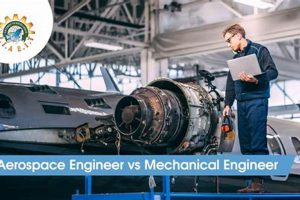
A self-directed approach to acquiring knowledge in the field encompassing aircraft and spacecraft design, development, and testing involves independent study and practical application. This learning pathway relies heavily on individual initiative and resourcefulness to master fundamental principles and advanced concepts. For example, an individual might utilize online courses, textbooks, and simulation software to understand aerodynamics, propulsion systems, and structural mechanics without formal institutional guidance.
This method provides flexibility and allows individuals to tailor their learning to specific interests and career goals, fostering a deeper understanding through self-discovery. Historically, pioneers in aviation and space exploration often relied on self-education and experimentation to overcome technological barriers. Benefits include developing strong problem-solving skills, resource management abilities, and a comprehensive grasp of the subject matter gained through actively seeking out and synthesizing information.
Therefore, a strategic roadmap for independent study should incorporate a structured curriculum, hands-on projects, and opportunities to connect with experts in the field. Resources such as online learning platforms, open-source software, and professional organizations offer invaluable support for individuals pursuing this path. The following sections will outline effective strategies and resources to facilitate successful self-education in this complex engineering discipline.
Essential Guidance for Self-Directed Aerospace Engineering Study
The following recommendations provide a framework for individuals seeking to acquire expertise in aerospace engineering through independent learning. These strategies emphasize structured learning, practical application, and engagement with the broader aerospace community.
Tip 1: Establish a Foundational Knowledge Base: Begin with core subjects like calculus, differential equations, physics (particularly mechanics, thermodynamics, and electromagnetism), and linear algebra. These disciplines provide the mathematical and scientific basis necessary for understanding aerospace engineering principles. Textbooks and online resources from reputable universities can serve as excellent learning tools.
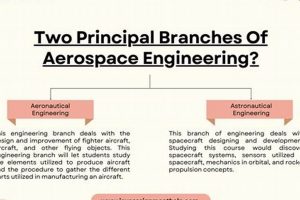
Tip 2: Select a Specialization Area: Aerospace engineering encompasses diverse areas, including aerodynamics, propulsion, structures, control systems, and avionics. Identifying a specific area of interest allows for focused study and efficient allocation of learning resources. For example, an individual interested in propulsion might delve into gas turbine engines, rocket propulsion, or electric propulsion systems.
Tip 3: Utilize Online Learning Platforms: Platforms like Coursera, edX, and MIT OpenCourseWare offer courses and lectures from leading universities and institutions. Completing courses in relevant topics can provide a structured learning experience and a certificate of completion to demonstrate acquired knowledge.
Tip 4: Employ Simulation and Modeling Software: Gain practical experience by utilizing software tools commonly used in aerospace engineering, such as ANSYS for structural analysis, MATLAB for control systems design, and XFOIL for airfoil analysis. These tools allow for the simulation and modeling of aerospace systems, providing valuable insights into their behavior.
Tip 5: Engage with Open-Source Projects: Contributing to open-source aerospace projects offers an opportunity to collaborate with other engineers, learn from their expertise, and gain practical experience in real-world applications. Examples include flight simulation software, aerodynamic analysis tools, or satellite communication systems.
Tip 6: Join Professional Organizations and Communities: Organizations like the American Institute of Aeronautics and Astronautics (AIAA) provide access to journals, conferences, and networking opportunities. Participating in these communities allows for interaction with experts in the field, staying abreast of the latest developments, and finding potential mentors.
Tip 7: Undertake Independent Projects: Apply acquired knowledge by undertaking independent projects, such as designing and building a model airplane, simulating the trajectory of a rocket, or analyzing the structural integrity of an aircraft wing. These projects provide valuable hands-on experience and demonstrate practical skills.
These guidelines emphasize the importance of a well-rounded approach, combining theoretical knowledge with practical application and community engagement. Successful independent learning in aerospace engineering requires dedication, discipline, and a proactive approach to acquiring knowledge and skills.
These tips are foundational, enabling the acquisition of proficiency in aerospace engineering through focused self-study. The subsequent sections will delve into specific resources and advanced strategies for continued growth in the field.
1. Fundamental Knowledge Acquisition

Fundamental knowledge acquisition serves as the indispensable foundation for individuals endeavoring to independently learn aerospace engineering. The ability to grasp complex aerospace concepts, such as lift generation, structural integrity, or propulsion efficiency, hinges directly on a solid understanding of core scientific and mathematical principles. Without proficiency in calculus, differential equations, linear algebra, and physics (mechanics, thermodynamics, and electromagnetism), the self-learner will struggle to comprehend advanced topics and apply them effectively. This lack of fundamental understanding will impede progress and could lead to misconceptions. For example, accurately calculating the forces acting on an aircraft requires a thorough understanding of Newtonian mechanics and vector calculus. Similarly, designing an efficient rocket nozzle necessitates a firm grasp of thermodynamics and fluid dynamics.
The impact of insufficient fundamental knowledge extends beyond theoretical comprehension. Practical application and problem-solving abilities are severely hampered. Attempting to design or analyze aerospace systems without a robust foundation becomes an exercise in trial and error, lacking the precision and informed decision-making that characterize effective engineering practice. The self-learner who neglects fundamental knowledge acquisition will likely encounter insurmountable obstacles when attempting to model, simulate, or optimize aerospace components or systems. In contrast, a strong foundation enables the individual to adapt to new challenges, critically evaluate information, and innovate within the field. For instance, a solid grasp of materials science is crucial for selecting the appropriate materials for aircraft structures, considering factors such as strength, weight, and temperature resistance.
In conclusion, fundamental knowledge acquisition is not merely a preliminary step but a continuous, iterative process intertwined with the broader pursuit of aerospace engineering expertise through independent learning. The ability to build upon established principles, adapt to evolving technologies, and tackle complex engineering challenges rests squarely on the bedrock of core scientific and mathematical understanding. Therefore, self-directed learners should prioritize the acquisition and consistent reinforcement of this foundation to ensure sustained progress and effective application of aerospace engineering principles.
2. Specialized Area Focus

For individuals pursuing self-directed education in aerospace engineering, the selection of a specialized area is a crucial determinant of learning efficiency and ultimate expertise. While a broad understanding of aerospace principles is valuable, focusing on a specific niche allows for a deeper, more targeted learning experience, optimizing the use of limited time and resources. This targeted approach enables the independent learner to develop a distinct skillset and gain proficiency in a particular area of the field.
- Enhanced Resource Allocation
Concentrating on a specialization, such as aerodynamics, propulsion, or control systems, allows the self-learner to allocate resourcestime, money, and effortmore effectively. Instead of attempting to cover the entire breadth of aerospace engineering, the individual can focus on acquiring in-depth knowledge and skills relevant to the chosen area. For example, a focus on aerodynamics might involve mastering computational fluid dynamics (CFD) software and studying airfoil design principles, rather than delving into the intricacies of satellite communication systems. This targeted approach minimizes wasted effort and maximizes the return on investment in learning resources.
- Increased Depth of Understanding
Specialization fosters a deeper understanding of specific concepts and technologies within aerospace engineering. By narrowing the scope of study, the self-learner can explore the nuances and complexities of a particular area in greater detail. This in-depth knowledge is essential for problem-solving, innovation, and contributing to the advancement of the field. For instance, a specialist in rocket propulsion would develop a comprehensive understanding of combustion processes, nozzle design, and propellant chemistry, enabling them to optimize rocket engine performance and efficiency. This is significantly different from a superficial understanding obtained by surveying broad disciplines.
- Improved Career Prospects
While broad knowledge is valuable, many employers seek candidates with specialized expertise. A focused self-learner, equipped with demonstrable skills in a specific area, can significantly enhance their career prospects in the competitive aerospace industry. For example, proficiency in CFD software or experience with satellite payload integration can make an individual more attractive to potential employers seeking specialists in those areas. Presenting hands-on projects related to the specialization during interviews proves practical understanding and real implementation on specific projects, thereby enhancing their profile.
- Facilitated Networking Opportunities
Specialization facilitates networking within the aerospace community. By focusing on a specific area, the self-learner can identify and connect with experts, researchers, and professionals working in that field. Attending conferences, joining online forums, and contributing to open-source projects related to the chosen specialization can provide invaluable learning opportunities, mentorship, and career connections. These connections help with finding the proper resources or information needed.
In conclusion, the selection of a specialized area is paramount for individuals pursuing self-directed education in aerospace engineering. It enables efficient resource allocation, fosters in-depth understanding, enhances career prospects, and facilitates networking opportunities. By strategically focusing their learning efforts, self-learners can significantly increase their chances of success in this challenging and rewarding field. The degree of specialization will ultimately determine the depth of understanding and potential contributions one can make to aerospace engineering.
3. Hands-On Projects

Practical application of theoretical knowledge is indispensable for individuals undertaking self-directed aerospace engineering education. Hands-on projects transform abstract concepts into tangible experiences, solidifying understanding and developing critical problem-solving skills, pivotal for true expertise.
- Reinforcement of Theoretical Knowledge
Hands-on projects directly reinforce theoretical knowledge acquired through textbooks, online courses, or other learning materials. By applying these concepts to real-world scenarios, learners can solidify their understanding and identify gaps in their knowledge. For example, designing and building a model rocket necessitates applying principles of aerodynamics, propulsion, and structural mechanics. The success or failure of the project directly illustrates the effectiveness of their understanding. This contrasts with passive learning, where comprehension may remain superficial. This active reinforcement deepens the learning experience and ensures lasting retention.
- Development of Practical Skills
Aerospace engineering demands a diverse range of practical skills, including design, fabrication, testing, and data analysis. Hands-on projects provide opportunities to develop these skills in a realistic context. Building a wind tunnel, for example, requires skills in mechanical design, machining, instrumentation, and data acquisition. These skills are not readily acquired through theoretical study alone. The process of overcoming practical challenges, such as component selection, assembly tolerances, and calibration procedures, fosters resourcefulness and ingenuity. These are essential attributes for practicing engineers.
- Enhancement of Problem-Solving Abilities
Real-world engineering problems are rarely straightforward. Hands-on projects invariably present unforeseen challenges that demand creative problem-solving. Troubleshooting unexpected behavior, adapting to design constraints, and optimizing performance require critical thinking and analytical skills. For example, a project involving the autonomous control of a drone might encounter issues with sensor noise, actuator limitations, or environmental disturbances. Addressing these issues necessitates a systematic approach to problem-solving, involving experimentation, data analysis, and iterative refinement. This iterative process sharpens problem-solving abilities and prepares learners for the complexities of professional engineering practice.
- Portfolio Development and Demonstration of Competence
Successful completion of hands-on projects provides tangible evidence of competence and a valuable addition to a portfolio. Potential employers often value practical experience over theoretical knowledge alone. A portfolio showcasing well-documented projects, including design specifications, fabrication processes, test results, and performance analysis, demonstrates a learner’s ability to apply their knowledge effectively. This is particularly important for individuals pursuing self-directed education, as they may lack formal credentials. Hands-on projects provide a concrete way to showcase their skills and differentiate themselves from other candidates. Successful projects demonstrate proactive self-development.
In conclusion, hands-on projects are integral to self-directed aerospace engineering education, solidifying theoretical understanding, developing practical skills, enhancing problem-solving abilities, and providing tangible evidence of competence. These projects transform passive learning into active engagement, preparing learners for the challenges and rewards of a career in aerospace engineering. They bridge the gap between theory and application. The demonstrated practical understanding of theoretical lessons through hands-on projects increases potential job opportunities for learners of self-directed aerospace engineering compared to their peers.
4. Simulation Software Utilization

The effective utilization of simulation software constitutes a cornerstone of self-directed aerospace engineering education. It provides a virtual laboratory environment where complex systems can be modeled, analyzed, and optimized without the resource constraints and inherent risks associated with physical prototypes. This virtual environment fosters experimentation and accelerates the learning process.
- Virtual Prototyping and Design Exploration
Simulation software enables the creation of virtual prototypes of aerospace systems, allowing learners to explore different design options and evaluate their performance characteristics before committing to physical construction. For instance, computational fluid dynamics (CFD) software can be used to simulate airflow around an aircraft wing, enabling the optimization of its shape for maximum lift and minimum drag. Similarly, finite element analysis (FEA) software can be used to assess the structural integrity of an aircraft fuselage under various loading conditions. This virtual prototyping process reduces the risk of costly design errors and accelerates the iterative design process.
- Performance Prediction and Optimization
Simulation software facilitates the prediction and optimization of aerospace system performance under diverse operating conditions. By modeling the behavior of various components and subsystems, learners can identify bottlenecks and areas for improvement. For example, engine simulation software can be used to optimize the combustion process in a rocket engine, leading to increased thrust and reduced fuel consumption. Control systems simulation software can be used to tune the autopilot system of an aircraft for optimal stability and responsiveness. This predictive capability enables learners to design more efficient and reliable aerospace systems.
- Cost-Effective Learning and Experimentation
Self-directed learners often face limitations in terms of resources and access to experimental facilities. Simulation software provides a cost-effective alternative to physical experiments, allowing learners to explore complex phenomena without incurring the expense of building and testing hardware. For example, simulating the trajectory of a satellite requires knowledge of orbital mechanics but can be done on a personal computer. This democratization of experimentation allows self-learners to acquire practical skills and knowledge that would otherwise be inaccessible. Simulation software effectively lowers the barrier to entry for individuals pursuing independent study.
- Safety and Risk Mitigation
Aerospace systems often operate in extreme environments and pose inherent risks. Simulation software allows learners to explore these systems and their operating conditions safely, without the risk of physical harm or equipment damage. For example, simulating a hypersonic flight regime allows learners to study the effects of extreme heat and pressure on an aircraft structure without the danger of catastrophic failure. Control Systems simulation allows for the safe exploration of unstable systems. This emphasis on safety promotes responsible engineering practices and allows learners to explore the boundaries of aerospace technology without compromising personal or environmental safety.
These facets underscore the vital role of simulation software in independent aerospace engineering education. The ability to virtually prototype, predict performance, experiment cost-effectively, and mitigate risks empowers self-learners to acquire practical skills and advance their knowledge in a flexible and accessible manner. The utilization of these tools is, therefore, not merely an option, but a necessity for successful self-directed study.
5. Community Engagement
Within the context of self-directed aerospace engineering education, community engagement serves as a crucial catalyst for knowledge acquisition, skill development, and professional growth. Active participation in relevant communities mitigates the isolation often associated with independent study and provides access to expertise and resources not readily available through traditional learning methods. This collaborative environment fosters a deeper understanding of the field and prepares individuals for the realities of professional engineering practice.
- Access to Expert Knowledge and Mentorship
Engaging with aerospace engineering communities provides access to experienced professionals, researchers, and educators who can offer guidance, feedback, and mentorship. Online forums, professional organizations, and local chapters provide platforms for asking questions, sharing insights, and learning from the expertise of others. For example, a self-learner struggling with a specific aerodynamic concept can seek clarification from experienced engineers on an online forum. Similarly, attending conferences and workshops allows individuals to network with experts and learn about the latest advancements in the field. Mentorship relationships can provide invaluable support and guidance, helping self-learners navigate the complexities of aerospace engineering and achieve their educational goals. Professional organizations like AIAA offer mentorship programs that connect students and early career professionals with experienced aerospace engineers, creating a supportive network.
- Collaborative Learning and Peer Support
Aerospace engineering communities foster a collaborative learning environment where individuals can learn from their peers and contribute to collective knowledge. Working on joint projects, participating in design competitions, and contributing to open-source initiatives provides opportunities to collaborate with other learners and share knowledge and skills. For instance, a group of self-learners might collaborate on designing and building a drone, pooling their expertise in different areas such as aerodynamics, propulsion, and control systems. This collaborative process enhances learning and develops essential teamwork skills. Online forums and study groups also provide platforms for peer support, where individuals can share resources, discuss challenging concepts, and motivate each other. Through the collaborative spirit, individuals achieve their goals on Aerospace Engineering.
- Exposure to Real-World Problems and Applications
Engagement with aerospace engineering communities exposes self-learners to real-world problems and applications, bridging the gap between theory and practice. Participating in industry events, attending technical presentations, and networking with professionals provides insights into the challenges and opportunities facing the aerospace industry. For example, a self-learner might attend a conference where engineers present their work on developing sustainable aviation technologies, gaining insights into the practical considerations and trade-offs involved. Contributing to open-source projects allows individuals to work on real-world software and hardware, developing valuable skills and experience. This exposure to real-world problems helps self-learners focus their studies on relevant topics and develop skills that are in demand in the aerospace industry. Being updated on current problems in the aerospace industry will increase the potential problem solving skill for students.
- Professional Networking and Career Opportunities
Aerospace engineering communities provide valuable networking opportunities that can lead to career advancement. Attending industry events, joining professional organizations, and participating in online forums allows self-learners to connect with potential employers, mentors, and collaborators. Networking can lead to internships, job offers, and research collaborations. For example, attending a career fair at an aerospace engineering conference provides an opportunity to meet with recruiters from leading aerospace companies. Online platforms such as LinkedIn also provide a way to connect with professionals and learn about job openings. Building a strong professional network is essential for long-term career success in aerospace engineering, and community engagement provides a vital pathway for building those connections. Professional networking will increase connections with the Aerospace Engineers, thereby having opportunities to be employed in Aerospace field.
In summary, community engagement constitutes an indispensable component of self-directed aerospace engineering education. Access to expert knowledge, collaborative learning opportunities, exposure to real-world problems, and professional networking opportunities collectively enhance the learning experience and prepare individuals for successful careers in aerospace engineering. The proactive pursuit of these community-based resources transforms individual study into a connected, collaborative, and ultimately, more effective path to expertise.
6. Consistent Study Schedule

A structured, consistent study schedule is paramount for individuals pursuing self-directed education in aerospace engineering. The complexity and breadth of the field necessitate a disciplined approach to ensure comprehensive coverage of essential topics and prevent knowledge gaps. A lack of schedule consistency can lead to fragmented learning, reduced retention, and ultimately, failure to achieve proficiency.
- Structured Knowledge Acquisition
A consistent study schedule facilitates the systematic acquisition of aerospace engineering knowledge. By allocating specific time slots to different subjects, such as aerodynamics, propulsion, or structures, individuals can ensure that all areas receive adequate attention. For example, dedicating two hours each day to studying fluid mechanics enables a gradual and thorough understanding of fundamental principles. This structured approach prevents the neglect of critical topics and promotes a well-rounded understanding of the field. This systematic approach is crucial for understanding the building blocks of aerospace engineering. Neglecting it can lead to knowledge gaps.
- Improved Time Management and Productivity
Adhering to a consistent study schedule enhances time management skills and boosts overall productivity. By setting clear goals and deadlines for each study session, individuals can stay focused and avoid procrastination. For example, allocating one week to mastering a specific chapter in a textbook encourages efficient time allocation and prevents the accumulation of unfinished tasks. This improved time management not only accelerates the learning process but also cultivates essential skills for future professional endeavors. Proper time management helps self-taught individuals stay on track, especially without the external pressures from formal education.
- Enhanced Retention and Comprehension
Regular and consistent study sessions contribute to improved knowledge retention and comprehension. Spaced repetition, a technique that involves reviewing material at increasing intervals, has been shown to enhance long-term memory. A consistent schedule allows individuals to incorporate spaced repetition into their learning routine. For example, reviewing notes from a lecture after one day, one week, and one month strengthens recall and facilitates deeper understanding. This enhanced retention and comprehension ultimately translate into greater proficiency in aerospace engineering. Enhanced retention rates due to scheduled learning means the knowledge gained is more likely to be retained and reused in practical applications.
- Reduced Stress and Improved Well-being
A consistent study schedule can reduce stress and improve overall well-being. By establishing a predictable routine, individuals can minimize the anxiety associated with self-directed learning. Knowing what to study and when to study it reduces uncertainty and promotes a sense of control. This, in turn, can improve focus, motivation, and overall learning effectiveness. Furthermore, allocating time for breaks, exercise, and other leisure activities can prevent burnout and maintain a healthy work-life balance. A schedule can also help make the learning process more sustainable, as a dedicated routine can lead to more manageable and predictable outcomes.
These aspects, taken together, solidify the vital role of a consistent study schedule in the realm of self-directed aerospace engineering education. The implementation of a structured and disciplined approach optimizes learning efficiency, enhances knowledge retention, and promotes overall well-being. The presence of an established study schedule ensures that the learner will be able to cover all the important topics. It offers stability to the learning process through self-directed, and therefore self-pressured learning.
7. Resourceful Information Gathering

In the context of self-directed aerospace engineering education, resourceful information gathering constitutes a foundational skill. The ability to effectively locate, evaluate, and synthesize information from diverse sources is essential for acquiring a comprehensive understanding of this complex field. This skill empowers individuals to navigate the vast and constantly evolving landscape of aerospace knowledge, filling the gaps often left by traditional educational structures. Its importance cannot be overstated, as independent learners often lack the structured curriculum and readily available resources of formal educational institutions.
- Accessing Scholarly Resources
Scholarly resources, including academic journals, conference proceedings, and research reports, provide a wealth of in-depth information on aerospace engineering topics. Accessing these resources often requires utilizing online databases, institutional repositories, and interlibrary loan services. For instance, an individual researching advanced propulsion systems might utilize the AIAA Journal or NASA Technical Reports Server to access cutting-edge research findings. Efficient navigation of these resources necessitates familiarity with search strategies, citation management tools, and evaluation criteria for assessing the credibility and relevance of information. These skills are crucial for staying abreast of the latest developments and building a solid foundation of knowledge. These resources are the cornerstone for learning the foundations of aerospace engineering.
- Leveraging Open Educational Resources (OER)
Open Educational Resources (OER), such as online textbooks, lecture notes, and video tutorials, offer free or low-cost alternatives to traditional educational materials. Platforms like MIT OpenCourseware, Coursera, and edX provide access to a wide range of aerospace engineering courses and materials from leading universities. An individual learning about aircraft design could benefit from accessing lecture notes and problem sets from an aircraft structures course offered online. Evaluating the quality and reliability of OER requires critical assessment of the source, author credentials, and peer reviews. Effective utilization of OER can significantly reduce the financial burden of self-directed learning while providing access to high-quality educational content. However, it is important to ensure materials are up-to-date and accurate given the constantly evolving aerospace field.
- Utilizing Industry Publications and Technical Standards
Industry publications and technical standards provide valuable insights into current practices, design guidelines, and regulatory requirements in the aerospace industry. Publications such as Aviation Week & Space Technology, Aerospace America, and SAE International journals offer updates on technological advancements, market trends, and regulatory changes. Technical standards from organizations like SAE, ASTM, and ISO provide detailed specifications for materials, components, and systems used in aerospace applications. An individual designing an aircraft landing gear system would need to consult relevant SAE standards for material specifications, testing procedures, and safety requirements. Accessing and interpreting these resources requires familiarity with industry terminology, regulatory frameworks, and engineering design principles. These publications are often the first to inform new technologies.
- Networking and Seeking Expert Consultation
Networking with professionals in the aerospace industry and seeking expert consultation can provide valuable insights and guidance for self-learners. Attending industry events, joining professional organizations, and participating in online forums provide opportunities to connect with experienced engineers, researchers, and educators. An individual working on a project involving satellite communications might seek advice from an expert in antenna design or signal processing. Effective networking requires strong communication skills, the ability to ask relevant questions, and a willingness to learn from others’ experiences. Building relationships with experts can provide access to specialized knowledge, mentorship, and potential career opportunities. By consulting multiple experts, learners can also validate the knowledge they have collected and ensure they are accurate.
These facets underscore the importance of resourceful information gathering for individuals pursuing self-directed aerospace engineering education. The ability to access and synthesize information from diverse sources is essential for acquiring a comprehensive understanding of the field, developing practical skills, and navigating the complexities of the aerospace industry. Moreover, continual refinement of these skills enables the self-learner to independently adapt and succeed in a field characterized by rapid technological advancement. The skills can also be implemented to update already existing knowledge.
Frequently Asked Questions
This section addresses common inquiries regarding the feasibility, requirements, and challenges associated with independently acquiring expertise in aerospace engineering. The information provided is intended to offer realistic guidance for individuals considering this alternative learning path.
Question 1: Is it truly possible to learn aerospace engineering effectively without formal university training?
While a traditional aerospace engineering degree offers a structured curriculum and recognized credentials, dedicated individuals can acquire a substantial level of competence through self-directed study. Success depends on discipline, access to appropriate resources, and a commitment to rigorous learning.
Question 2: What are the essential prerequisites for embarking on a self-directed aerospace engineering education?
A strong foundation in mathematics (calculus, differential equations, linear algebra) and physics (mechanics, thermodynamics, electromagnetism) is indispensable. Familiarity with basic computer programming concepts is also highly beneficial.
Question 3: How can self-learners gain practical experience equivalent to that of university graduates?
Practical experience can be gained through participation in open-source projects, independent design and build projects, internships (even without formal enrollment), and utilization of simulation software. Building a strong portfolio of demonstrable skills is crucial.
Question 4: What are the primary challenges faced by self-directed aerospace engineering students?
Common challenges include maintaining motivation, overcoming knowledge gaps, validating acquired skills, and lacking access to formal mentorship and networking opportunities. Proactive engagement with online communities and professional organizations can help mitigate these challenges.
Question 5: How can self-learners demonstrate their competence to potential employers in the aerospace industry?
A strong portfolio showcasing successful projects, proficiency in relevant software tools, and active participation in industry events can demonstrate competence. Obtaining relevant certifications and highlighting contributions to open-source projects can also enhance credibility.
Question 6: What are the most valuable resources for self-directed aerospace engineering education?
Valuable resources include online learning platforms (Coursera, edX, MIT OpenCourseware), textbooks from reputable publishers, simulation software (ANSYS, MATLAB), open-source project repositories, and professional organizations (AIAA, SAE).
In summary, while challenging, a self-directed approach to aerospace engineering education is feasible for motivated individuals. Success hinges on a strong foundation, practical experience, proactive community engagement, and a commitment to continuous learning. The next section will explore advanced strategies for furthering knowledge and career prospects in this field.
These answers illuminate the path of self-directed learning and offers individuals a realistic assessment of the time, effort, and resources involved.
Conclusion
The preceding exploration of “how to learn aerospace engineering on your own” has underscored the necessity of a multifaceted approach. This approach entails a robust foundational understanding of mathematics and physics, strategic specialization, hands-on project implementation, skillful utilization of simulation software, active community engagement, adherence to a consistent study schedule, and resourceful information acquisition. These elements, when combined, provide a framework for the ambitious individual seeking to acquire expertise in this demanding field outside the confines of traditional academic institutions.
The ongoing evolution of online educational resources and open-source software presents unprecedented opportunities for self-directed learners. While the path may be challenging, individuals equipped with the proper tools, discipline, and a commitment to lifelong learning can achieve significant proficiency in aerospace engineering. The onus is on the individual to leverage these resources effectively, bridge the gaps in knowledge, and contribute to the advancement of the field, thereby validating the viability of this independent learning paradigm.