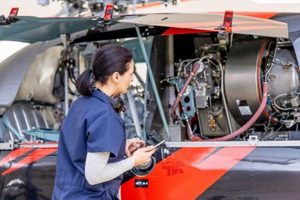
One field focuses on the practical application of scientific and engineering principles to build, test, and maintain aircraft and spacecraft. The other centers on the theoretical design, research, and development of these complex systems. For instance, an individual might use specialized tools to troubleshoot a malfunctioning aircraft engine, while another could employ computer-aided design software to develop a new wing structure.
Understanding the distinct roles and responsibilities within this sector is crucial for individuals seeking careers in aviation and space exploration. This knowledge allows for informed decisions regarding education, training, and career paths. Historically, a strong division of labor has existed between these roles, ensuring both the theoretical advancements and the practical implementation of aerospace technologies are handled effectively.
This distinction is examined in further detail, comparing required education and training, typical job duties, working environments, and potential career advancement opportunities. The goal is to provide a comprehensive overview of the core differences between these two critical roles within the aerospace industry.
Choosing a career path within the aerospace sector requires careful consideration. Understanding the nuances of different roles can significantly impact an individual’s professional trajectory. The following points offer guidance for those considering careers in this dynamic field.
Tip 1: Assess Aptitude and Interests: Evaluate strengths in mathematics, science, and problem-solving. Individuals inclined towards hands-on work and practical application might find greater satisfaction in a technically oriented role. Those with a passion for innovation and theoretical design may be more suited to an engineering career.
Tip 2: Research Educational Requirements: Investigate the educational pathways required for specific roles. Engineering positions typically necessitate a bachelor’s or master’s degree in aerospace or a related engineering discipline. Technical roles often require an associate’s degree or vocational training coupled with certifications.
Tip 3: Gain Practical Experience: Seek internships, apprenticeships, or entry-level positions to gain real-world experience. This exposure provides valuable insights into the day-to-day realities of different roles and allows for skill development.
Tip 4: Understand Job Market Trends: Research current and projected job market trends within the aerospace industry. Identify areas of growth and potential opportunities aligned with individual skills and interests. Consider the geographic distribution of aerospace companies and available positions.
Tip 5: Network with Professionals: Attend industry events, join professional organizations, and connect with individuals working in relevant roles. Networking provides opportunities to learn from experienced professionals and gain valuable career advice.
Tip 6: Consider Career Advancement Pathways: Understand the potential career progression within different roles. Explore opportunities for specialization, management positions, or advanced education that can enhance career prospects. Continuous professional development is crucial for long-term success.
Choosing a career path in the aerospace field necessitates a thorough understanding of personal aptitude, educational requirements, and industry trends. A strategic approach, coupled with practical experience and networking, can significantly increase the likelihood of a fulfilling and successful career.
This guidance offers a solid foundation for making informed decisions about pursuing a career within this field, paving the way for a more tailored and successful journey. The subsequent sections delve into further areas of exploration.
1. Education & Training
The divergence in educational paths represents a fundamental distinction. Academic preparation largely determines the scope and nature of professional responsibilities within the aerospace sector.
- Engineering Degrees
Positions typically require a bachelor’s or master’s degree in aerospace engineering, mechanical engineering, or a related field. Curricula encompass advanced mathematics, physics, aerodynamics, propulsion, and materials science. Engineering education emphasizes theoretical knowledge, design principles, and research methodologies. For instance, designing a new aircraft wing requires a strong foundation in fluid dynamics and structural analysis.
- Technical Certifications and Associate’s Degrees
Technical roles frequently necessitate an associate’s degree in aviation technology, aerospace technology, or a related technical field. Alternatively, completion of a specialized training program leading to industry-recognized certifications, such as those offered by the FAA, may suffice. Training emphasizes practical skills, troubleshooting techniques, and hands-on experience with aircraft systems. Examples include aircraft maintenance, avionics repair, and quality control.
- Specialized Software Training
Engineers rely heavily on Computer-Aided Design (CAD) and Computer-Aided Engineering (CAE) software for design and simulation. Training programs focus on mastering software like CATIA, ANSYS, and MATLAB. Conversely, technicians typically receive training on diagnostic tools and software specific to aircraft maintenance and troubleshooting, such as aircraft maintenance manuals and electronic component testing equipment. These different software proficiencies reflect the distinct tasks performed by each role.
- Continuing Education
Both roles require ongoing professional development to stay current with technological advancements and regulatory changes. Engineers may pursue advanced degrees, attend conferences, and publish research papers. Technicians often participate in manufacturer-sponsored training programs to maintain certifications and learn about new aircraft systems. For example, as new composite materials are introduced into aircraft construction, both engineers and technicians require specialized training to understand their properties and repair procedures.
These diverging educational pathways underscore the distinct skill sets and responsibilities associated with each position. Formal academic qualifications and technical expertise each play a vital, yet separate, role in the aerospace sector.
2. Job Responsibilities
Job responsibilities form a cornerstone in differentiating an aerospace technician from an aerospace engineer. The engineer’s duties primarily involve conceptualization, design, and development of aerospace vehicles and related systems. This includes tasks such as creating blueprints, conducting simulations, and analyzing data to optimize performance and safety. In contrast, the technician’s role centers on the practical implementation and maintenance of these designs. Technicians perform inspections, repairs, and modifications to aircraft and spacecraft, ensuring operational readiness and adherence to safety regulations. This division of labor reflects a fundamental difference in the application of aerospace principles.
The distinct responsibilities have direct consequences on the daily activities and required skill sets of each profession. An engineer might spend a significant portion of their time using computer-aided design (CAD) software to model a new engine component, while a technician would use specialized tools and equipment to troubleshoot a malfunctioning aircraft system. For example, consider the development of a new satellite. The engineer would be responsible for designing the satellite’s communication system, ensuring it meets specific bandwidth requirements, while the technician would assemble and test the system, verifying its performance in a simulated space environment. The engineer’s work contributes to innovation and advancement, whereas the technician’s work ensures reliability and safety.
Understanding the differing job responsibilities is crucial for individuals considering a career in the aerospace industry. The choice between these roles depends on an individual’s aptitude, interests, and educational background. While engineers require strong analytical and problem-solving skills coupled with a solid foundation in mathematics and physics, technicians benefit from hands-on experience, mechanical aptitude, and a meticulous attention to detail. Recognizing the practical significance of these differences allows aspiring aerospace professionals to make informed decisions about their career paths, ultimately contributing to the continued success and advancement of the field.
3. Problem Solving
The role of problem-solving distinguishes these two critical functions within the aerospace sector. Engineering emphasizes analytical and conceptual problem-solving, focusing on design flaws, performance limitations, and optimization challenges. Examples include designing a more fuel-efficient engine or resolving structural weaknesses in an aircraft wing. Technicians address practical, hands-on problems, such as diagnosing and repairing malfunctioning equipment or troubleshooting system failures. The effectiveness in each role directly affects the operational safety, efficiency, and reliability of aerospace systems.
The approaches to problem-solving also vary significantly. Engineers utilize modeling, simulation, and theoretical analysis to predict and prevent potential problems. They employ computer-aided design (CAD) and computational fluid dynamics (CFD) software to analyze designs before physical prototypes are even built. Technicians rely on diagnostic tools, technical manuals, and experience to identify and rectify issues in existing systems. For instance, an engineer might use finite element analysis to identify stress points in a spacecraft component, while a technician would use a multimeter to diagnose an electrical fault in an aircraft’s avionics system. This difference highlights the distinct skill sets and knowledge bases required for each role.
A clear understanding of problem-solving methodologies in these roles is crucial for career development and effective collaboration. Engineers depend on technicians to provide feedback from the field, informing design improvements and identifying potential problems early in the development process. Technicians, in turn, rely on engineers to provide technical solutions and support for complex issues. The interplay of these different approaches is essential for maintaining safety, minimizing downtime, and ensuring the ongoing success of aerospace operations. Effective communication and mutual respect are vital for bridging the gap between theoretical design and practical implementation, allowing for more efficient and effective problem-solving within the industry.
4. Working Environment
The work environment constitutes a significant differentiator, impacting daily routines and career satisfaction. Variations exist across multiple factors, including location, physical demands, and the degree of collaborative interaction.
- Engineering Offices and Laboratories
Engineers typically operate in office settings and research laboratories. These environments are generally climate-controlled and equipped with computers, design software, and testing equipment. Work often involves extended periods of focused concentration and collaboration with other engineers and scientists. For instance, an engineer might spend hours at a computer workstation, designing a new aircraft component or analyzing test data.
- Hangar and Flight Line Settings
Technicians are often stationed in hangars, on flight lines, or in repair shops. These environments can be physically demanding, involving exposure to varying weather conditions, noise, and potential hazards. The work requires physical dexterity and the ability to work in confined spaces. Examples include performing maintenance on an aircraft engine in a hangar or troubleshooting avionics systems on the flight line.
- Clean Rooms and Manufacturing Facilities
Both roles may involve time spent in clean rooms or manufacturing facilities, particularly during the assembly and testing phases of aerospace projects. Clean rooms require strict adherence to contamination control protocols. Manufacturing facilities can present similar physical demands as hangars, although typically with more controlled environmental conditions. An engineer might oversee the assembly of a satellite in a clean room, while a technician would perform the hands-on assembly tasks.
- Field Work and Travel
Certain positions may require field work or travel to remote locations. Engineers might travel to conduct on-site testing or provide technical support, while technicians might be deployed to perform maintenance and repairs on aircraft at various locations. For example, an engineer might travel to a test range to oversee rocket engine testing, while a technician might be dispatched to an airport to repair a grounded aircraft.
The different environments shape the daily experiences and demands of each profession. Engineers generally benefit from a more controlled and predictable setting, enabling detailed analysis and design work. Technicians encounter more variable and physically demanding conditions, requiring adaptability and practical problem-solving skills. Understanding these distinctions is crucial for aligning personal preferences and capabilities with appropriate career paths in the aerospace industry.
5. Tools & Equipment
The tools and equipment utilized form a tangible distinction between the roles of an aerospace technician and an aerospace engineer. Engineers primarily employ computational tools, sophisticated software suites for design, modeling, and simulation, and precision measuring instruments for laboratory testing. The work centers on virtual design and analysis before physical implementation. In contrast, technicians focus on physical tools, including specialized hand tools, diagnostic equipment, and heavy machinery for maintenance, repair, and fabrication. The technicians skillset involves hands-on interaction with hardware and machinery.
Specific examples further illustrate this divergence. An aerospace engineer designing a new aircraft wing might utilize CATIA for CAD modeling and ANSYS for structural analysis, predicting performance characteristics under various flight conditions. The technician maintaining an aircraft would use tools like torque wrenches for precise fastener tightening, borescopes for internal engine inspections, and multimeters for electrical troubleshooting. The engineer’s actions impact the initial design and performance specifications, while the technicians actions directly affect operational safety and reliability. Proper use and maintenance of both sets of tools are crucial; malfunctioning software can lead to design flaws, and faulty equipment in the hands of a technician can create immediate safety risks.
Understanding the tool-specific requirements for each role is vital for education and career planning. Engineering curricula emphasize software proficiency and analytical skills, while technical training programs focus on the proper use, calibration, and maintenance of physical equipment. A well-rounded professional in either field requires a solid understanding of the capabilities and limitations of these tools. The effective utilization of these tools and equipment, specific to each job, allows both engineers and technicians to perform their duties safely and efficiently, contributing to the overall success of aerospace endeavors.
6. Salary Expectations

Salary expectations represent a significant point of divergence between these two roles within the aerospace sector. Generally, engineering positions command higher average salaries due to the advanced education, specialized skills, and design responsibilities required. Factors influencing salary levels include experience, education, certifications, and the specific employer. For example, a newly graduated aerospace engineer may earn less initially than a senior technician with decades of experience. However, the long-term earning potential for engineers typically surpasses that of technicians.
Geographic location also affects salary levels. Areas with a high concentration of aerospace companies, such as California, Washington, and Florida, tend to offer higher salaries to attract and retain talent. Furthermore, the specific industry sectorcommercial aviation, defense, or space explorationcan influence compensation. Positions involving highly specialized or classified work may offer premium pay. It is important to note that salary transparency varies, and research is recommended to understand industry benchmarks and negotiate competitive offers. For instance, resources such as the Bureau of Labor Statistics and industry-specific salary surveys provide valuable data.
In summary, while individual circumstances and external factors play a role, the education and responsibilities associated with an engineering position typically lead to higher salary expectations compared to technical roles. Understanding this distinction is crucial for individuals evaluating career paths and making informed decisions about education, training, and long-term financial goals. The disparity underscores the value placed on design, innovation, and analytical problem-solving within the aerospace industry.
7. Career Advancement
Career advancement opportunities represent a defining distinction between an aerospace technician and an aerospace engineer. The trajectory for each role differs significantly due to variations in education, responsibilities, and the nature of the work performed. Engineers typically advance into roles with greater design responsibility, project management oversight, or specialized research positions. Technicians, while also able to advance, often move into supervisory roles, specialized maintenance areas, or quality control positions. This difference affects long-term career paths and potential earning capabilities. The engineer’s pathway often leads toward management or highly specialized roles that drive innovation. The technician’s path emphasizes expertise and leadership within operational contexts.
For example, an aerospace engineer might begin as a design engineer and progress to a lead engineer, project manager, or even a chief engineer overseeing entire aircraft development programs. Conversely, a technician may start as an aircraft mechanic and advance to a maintenance supervisor, quality control inspector, or a specialist in a specific aircraft system, such as avionics or propulsion. In some instances, technicians pursue further education to transition into engineering roles, though this requires significant investment in formal academic training. Career advancement often depends on factors like performance, experience, additional certifications, and the willingness to pursue continuing education. The emphasis on theoretical knowledge and design expertise allows engineers to pursue opportunities in cutting-edge research or product development. This type of career trajectory is less common for technicians without additional formal academic study.
Understanding the career advancement prospects for each role is crucial for individuals making career choices. Aspiring engineers should focus on advanced degrees and building a strong foundation in mathematics, science, and engineering principles. Prospective technicians should prioritize hands-on training, certifications, and gaining practical experience in maintenance and repair. Both roles offer opportunities for professional growth, but the pathways and potential outcomes differ substantially. Individuals should carefully consider their interests, skills, and long-term career goals when deciding between a career as an aerospace technician versus an aerospace engineer, recognizing that the choices made early in one’s career significantly shape future opportunities.
Frequently Asked Questions
This section addresses common queries concerning the distinctions between an aerospace technician and an aerospace engineer, offering clarity for individuals exploring careers in the aerospace sector.
Question 1: Is a bachelor’s degree always required to become an aerospace engineer?
Answer: A bachelor’s degree in aerospace engineering or a closely related field is generally considered the minimum educational requirement for entry-level engineering positions. Advanced roles often necessitate a master’s degree or doctorate.
Question 2: Can an aerospace technician become an aerospace engineer without returning to school?
Answer: It is possible, but uncommon. Transitioning typically requires completing a bachelor’s degree in engineering. While experience as a technician is valuable, it does not substitute for the theoretical knowledge gained through formal education.
Question 3: What are the most common certifications for aerospace technicians?
Answer: Common certifications include FAA Airframe and Powerplant (A&P) licenses, as well as certifications specific to avionics, composite repair, and non-destructive testing. These certifications demonstrate competency and adherence to industry standards.
Question 4: How does the day-to-day work differ for an aerospace technician versus an aerospace engineer?
Answer: An engineer may spend time designing components, running simulations, and analyzing data. A technician may spend time inspecting aircraft, performing repairs, and troubleshooting malfunctions.
Question 5: Are the job prospects better for aerospace technicians or aerospace engineers?
Answer: Both roles are projected to see growth. The specific job prospects will depend on factors like economic conditions, industry trends, and individual skills and experience. Engineering positions may see more growth related to new technologies and research.
Question 6: What skills are most important for success as an aerospace technician?
Answer: Critical skills include manual dexterity, attention to detail, troubleshooting abilities, knowledge of aircraft systems, and the ability to interpret technical manuals and schematics.
These FAQs provide foundational insights into the distinctive characteristics of these roles. The key takeaways underline the differences in education, job duties, and career progression.
The subsequent sections will explore resources for further learning and professional development.
Aerospace Technician vs. Aerospace Engineer
The preceding exploration of “aerospace technician vs. aerospace engineer” has illuminated critical distinctions regarding educational requirements, job responsibilities, work environments, and career trajectories. These fundamental differences necessitate careful consideration by individuals contemplating careers in the aerospace sector. A clear understanding of these distinct roles enables informed decision-making, aligning individual skills and interests with the appropriate professional path.
The aerospace field demands expertise across a spectrum of roles. Individuals are encouraged to engage with professional resources, seek mentorship, and continuously cultivate their skills. The future of aerospace innovation relies on the contributions of both skilled technicians and innovative engineers, working in concert to advance the boundaries of aviation and space exploration. A strategic approach to career planning is paramount for long-term success and contribution to this vital industry.