A cooperative education program in the field focused on flight vehicle design, development, and testing offers students practical, hands-on experience within the industry. This learning model integrates academic studies with periods of full-time employment, enabling students to apply theoretical knowledge to real-world engineering challenges. For instance, a student might participate in the design of a new aircraft component or contribute to the testing of propulsion systems.
The value of this integrated learning approach is multifaceted. It provides opportunities for professional development, allowing students to build a network of contacts, hone their technical skills, and gain a competitive edge in the job market after graduation. Historically, these programs have served as a vital pipeline for aerospace companies seeking talented and experienced engineers, offering both the student and the employer the chance to assess long-term compatibility and potential for future employment.
The following sections will delve into the specific benefits, program structures, and career pathways available through this experiential education route. Details concerning specific skill development and successful navigation of this academic/professional pathway will also be explored.
Guidance for Experiential Learning in Aerospace Engineering
The following provides key recommendations for navigating a cooperative education experience in the aerospace sector to maximize professional and academic growth.
Tip 1: Establish Clear Goals: Define specific professional objectives at the program’s outset. Identify areas of interest within the aerospace domain, such as propulsion systems, aerodynamics, or structural design. This focus will inform the selection of relevant placements and facilitate targeted skill development.
Tip 2: Proactively Seek Mentorship: Identify experienced engineers within the co-op placement organization who can provide guidance and support. Regular interaction with a mentor can offer valuable insights into industry practices, career advancement, and technical problem-solving.
Tip 3: Document Accomplishments Thoroughly: Maintain a detailed record of all projects, tasks, and responsibilities undertaken during each work term. Quantify contributions whenever possible using metrics such as cost savings, efficiency improvements, or performance enhancements. This documentation will serve as valuable evidence of skills and experience for future job applications.
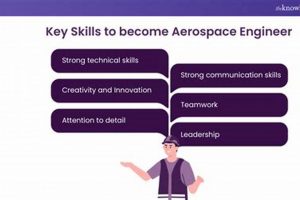
Tip 4: Cultivate Strong Communication Skills: Effectively communicate technical concepts and project updates to both technical and non-technical audiences. Practice presenting information concisely and clearly, both in written reports and oral presentations. Strong communication skills are essential for collaborating effectively within engineering teams.
Tip 5: Embrace Continuous Learning: Supplement on-the-job learning with self-directed study of relevant technical topics. Explore online courses, industry publications, and professional development workshops to enhance knowledge and stay abreast of technological advancements.
Tip 6: Network Strategically: Attend industry events, conferences, and workshops to expand professional network. Engage with engineers and recruiters from various aerospace companies to learn about career opportunities and build relationships. Utilize online platforms such as LinkedIn to connect with industry professionals and follow relevant organizations.
Tip 7: Seek Diverse Experiences: Explore opportunities to work on different types of projects and in various roles within the co-op placement organization. Exposure to a range of engineering disciplines and functional areas will broaden skillset and enhance adaptability.
Adherence to these recommendations will maximize the value derived from experiential learning, enhancing prospects for a successful career in aerospace engineering.
The subsequent sections will delve into specific skills developed and career pathways available after successfully completing this form of integrated learning.
1. Industry Experience

Industry experience, gained through a cooperative education program focused on flight vehicle design and engineering, forms a cornerstone of a comprehensive aerospace education. Participation in design teams, manufacturing processes, or testing protocols bridges the gap between theoretical knowledge and practical application. Students directly observe the complexities of engineering projects, witness the impact of design decisions on performance, and contribute to solutions in real-world scenarios. For example, involvement in the development of a new composite wing structure allows a student to apply principles of materials science, structural analysis, and manufacturing techniques, skills that extend beyond the classroom.
The cause-and-effect relationship between engaging in practical tasks and gaining substantive understanding is pronounced. Active participation accelerates knowledge retention and promotes the development of crucial skills, such as problem-solving, teamwork, and project management. Further, such participation can catalyze career progression after graduation. A student who contributes to the testing of engine performance during a cooperative placement, for instance, gains invaluable insights into engine design and operation, preparing them to tackle real-world challenges.
This immersion in industry practices is essential for preparing future aerospace engineers. The practical significance lies in the development of adaptable, knowledgeable engineers who can seamlessly transition into the workforce. While academic knowledge is vital, its effective application is what sets graduates apart. Industry experience, integral to a co-op, ensures graduates are well-equipped to contribute to the advancement of the aerospace sector immediately upon graduation.
2. Skill Development

Cooperative education programs in aerospace engineering are structured to promote skill development vital for success in the field. These programs provide practical opportunities to apply theoretical knowledge learned in the classroom, fostering a comprehensive skillset.
- Technical Proficiency
Direct involvement in engineering projects within a professional setting allows students to hone technical capabilities. For instance, a student may utilize CAD software for design or perform finite element analysis for structural integrity assessments. These activities translate theoretical knowledge into practical expertise, increasing technical skill sets.
- Problem-Solving Abilities
Co-op placements challenge students to resolve real-world engineering issues. Whether troubleshooting manufacturing defects or optimizing aerodynamic performance, the need for innovative solutions cultivates and sharpens problem-solving skills. These skills are critical for career development.
- Teamwork and Collaboration
Aerospace projects are inherently collaborative, requiring effective teamwork across various disciplines. Cooperative education provides opportunities to collaborate with experienced engineers, technicians, and other professionals, fostering communication and interpersonal skills. Successfully working within these diverse teams is an essential skill.
- Project Management Fundamentals
Students often participate in projects from conception to completion, gaining exposure to project planning, resource allocation, and schedule management. This hands-on experience provides an understanding of the principles and practices involved in managing aerospace engineering projects efficiently. A practical grasp on project management enhances prospects for career advancement.
These skill sets, cultivated through participation in cooperative education, provide a foundation for success in aerospace engineering. The hands-on application of knowledge and the development of practical abilities are highly valued by employers, creating a seamless transition from academia to a professional career.
3. Networking Opportunities
Cooperative education placements within the aerospace engineering sector offer significant networking opportunities that are integral to career development. These interactions extend beyond the immediate work environment, providing a foundation for long-term professional relationships.
- Direct Interaction with Industry Professionals
Co-op placements inherently provide direct interaction with experienced engineers, managers, and executives within aerospace companies. This direct exposure allows students to build rapport, seek mentorship, and gain insights into industry practices. Participation in project teams fosters regular communication and collaboration, solidifying professional connections. This is critical for expanding knowledge and potential career entry points.
- Exposure to Company Culture and Operations
Immersion within an organization provides an opportunity to understand its culture, values, and operational structure. This understanding facilitates the development of internal connections and the identification of potential mentors or sponsors. Engaging with employees across various departments expands the network and enhances understanding of interdisciplinary collaboration. Exposure to the work environment improves the practical understanding.
- Participation in Industry Events and Conferences
Some co-op placements involve attending industry events, conferences, and workshops. These gatherings provide a platform to network with professionals from various companies and organizations. Interaction with industry experts allows students to learn about new technologies, trends, and career paths. Attendance allows student to connect with experts.
- Development of Professional Relationships
Cooperative education placements foster the development of long-term professional relationships that extend beyond the duration of the work term. Maintaining contact with supervisors, colleagues, and mentors can lead to future job opportunities, collaborations, and career guidance. Actively cultivating these relationships is essential for sustained professional growth. The career outcomes improve with networking.
These networking opportunities, inherent to cooperative education, enhance the prospects of a successful career in aerospace engineering. The development of a robust professional network through these placements provides access to a wealth of knowledge, support, and opportunities that are invaluable for career progression. Active participation can lead to many potential opportunities.
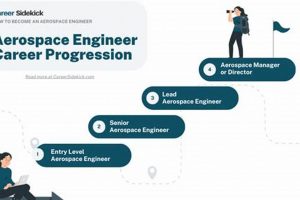
4. Career Advancement

The link between cooperative education programs in aerospace engineering and career advancement is substantial. These programs provide a structured pathway for students to gain practical experience, develop essential skills, and establish professional networks, all of which contribute significantly to long-term career success.
- Accelerated Career Trajectory
Graduates with cooperative education experience often experience an accelerated career trajectory compared to their peers who lack such experience. The practical skills, industry knowledge, and professional connections gained during co-op placements enable them to transition into the workforce more seamlessly and contribute more effectively from the outset. These graduates secure full time positions more readily.
- Enhanced Job Prospects
Employers value the practical experience and demonstrated skills acquired through cooperative education. Graduates are viewed as more prepared and adaptable, thereby increasing their competitiveness in the job market. Many aerospace companies actively recruit from co-op programs, recognizing them as a valuable source of qualified talent. Career prospects improve following completion of a co-op.
- Increased Earning Potential
Cooperative education graduates frequently command higher starting salaries than their peers without similar experience. Employers recognize that the practical experience and technical skills gained during co-op placements translate into immediate value for the organization. This translates into an increase in earnings and compensation. Financial gains accrue over time.
- Access to Specialized Roles
Cooperative education provides exposure to various engineering disciplines within the aerospace sector, allowing students to explore their interests and identify areas of specialization. This focused experience enhances their prospects for securing specialized roles upon graduation, such as propulsion engineer, aerodynamics specialist, or structural design engineer. A co-op can help secure specialized roles.
The facets presented demonstrate that cooperative education in aerospace engineering significantly enhances career advancement. The structured approach, focused skill development, and establishment of professional connections through cooperative education provide students with a distinct advantage in the competitive job market, leading to accelerated career trajectories, enhanced job prospects, increased earning potential, and access to specialized roles within the aerospace industry.
5. Financial Assistance

Participation in cooperative education programs, especially within demanding fields like aerospace engineering, necessitates consideration of associated costs. Financial assistance, therefore, becomes a critical component for enabling student involvement. The monetary burden of tuition, living expenses, and potential relocation costs can be a significant barrier. Assistance, in the form of scholarships, grants, or paid co-op positions, mitigates these challenges, facilitating broader access to valuable industry experience. Paid placements offer direct compensation for work performed, reducing student debt and allowing focus on professional development. For instance, a student undertaking a six-month co-op at a major aerospace manufacturer might earn a salary that offsets tuition expenses for a subsequent academic semester. This alleviates the financial challenges during academic learning.
The availability of financial support also influences the diversity within aerospace engineering co-op programs. Students from various socioeconomic backgrounds are empowered to participate, enriching the learning environment with diverse perspectives and experiences. Grants targeted towards underrepresented groups in STEM fields can further promote inclusivity, ensuring that talent is not limited by economic constraints. Furthermore, companies sponsoring co-op programs may offer stipends or housing allowances, making participation more accessible. Such initiatives, in turn, benefit the aerospace industry by fostering a more diverse and innovative workforce.
In conclusion, financial assistance is not merely a supplementary element but an essential facilitator of aerospace engineering co-op programs. It lowers barriers to entry, promotes diversity, and enables students to fully engage in experiential learning opportunities. The long-term benefits extend beyond individual students, contributing to the growth and competitiveness of the aerospace sector by fostering a more skilled and inclusive workforce.
Frequently Asked Questions
This section addresses common inquiries regarding cooperative education programs in aerospace engineering. It aims to provide clear and concise answers to facilitate informed decision-making.
Question 1: What exactly does “aerospace engineering co op” entail?
It represents a structured educational approach integrating academic study with periods of full-time employment in an aerospace-related industry. Students alternate between classroom learning and practical work experience, gaining hands-on skills and professional insights.
Question 2: What are the key benefits of participating in an aerospace engineering co-op program?
The primary advantages include gaining practical experience, developing industry-specific skills, building professional networks, enhancing job prospects upon graduation, and potentially increasing earning potential. Co-op experience can lead to accelerated career trajectories.
Question 3: How are aerospace engineering co-op placements typically structured?
Programs usually involve alternating semesters or trimesters of academic study with full-time work terms. The duration of each work term can vary, but it is common to have multiple placements throughout the course of the academic program.
Question 4: What types of companies or organizations offer aerospace engineering co-op positions?
Opportunities exist with aerospace manufacturers, research institutions, government agencies (e.g., NASA), and suppliers within the aerospace supply chain. Placements may involve design, testing, research, development, or manufacturing activities.
Question 5: How does one prepare for a successful aerospace engineering co-op experience?
Preparation involves developing a strong academic foundation, building relevant technical skills, networking with industry professionals, and crafting a compelling resume and cover letter. Students should also research potential employers and prepare for interviews.
Question 6: What are the typical salary ranges for aerospace engineering co-op students?
Compensation varies depending on the location, company size, student’s level of experience, and specific responsibilities. However, co-op positions are generally paid and can provide significant financial assistance to students.
The benefits of “aerospace engineering co op” are clear and advantageous for career and financial perspectives.
The subsequent discussion will focus on further refining the experience of “aerospace engineering co op”.
In Summary
This exploration has detailed the multifaceted nature of cooperative education programs in the aerospace engineering domain. Key facets include the practical application of theoretical knowledge, the development of essential technical and professional skills, and the establishment of valuable industry networks. Furthermore, the significance of financial assistance in enabling broader access to these opportunities has been underscored. The programs’ impact on career advancement, including accelerated career trajectories and enhanced job prospects, are primary benefits.
The information presented serves as a resource for students considering this educational path and for industry stakeholders seeking to cultivate a skilled workforce. Strategic investment in and support for these integrated learning models are essential for ensuring the sustained growth and innovation of the aerospace sector. The future of aerospace hinges, in part, on the cultivation of engineers who are both academically strong and practically experienced; cooperative education programs are a proven mechanism for achieving this outcome.