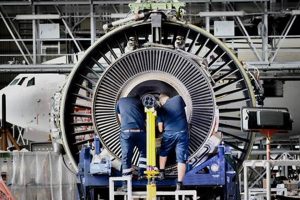
The duration required to qualify as an aerospace engineer is primarily determined by the educational pathway chosen. A typical path involves completing a bachelor’s degree program specifically in aerospace engineering or a closely related field like mechanical engineering, followed by further specialization. This initial stage constitutes the most significant time investment in becoming an aerospace engineer.
The comprehensive engineering knowledge gained through formal education is essential for designing, developing, and testing aircraft, spacecraft, and related systems. Individuals with advanced degrees, such as a Master’s or Doctorate, often pursue research-oriented or specialized roles, which may extend the overall time commitment. These advanced studies enhance expertise and open doors to more complex projects and leadership positions within the industry.
Beyond formal education, professional development and continued learning are integral to a successful aerospace engineering career. This encompasses obtaining professional licensure, engaging in continuing education courses to stay abreast of technological advancements, and accumulating practical experience through internships and entry-level positions. The cumulative effect of these elements shapes the trajectory and expertise of an aerospace engineer.
Guidance Regarding the Time Investment in Aerospace Engineering
The path to a career in aerospace engineering involves strategic planning and consistent effort. Understanding the elements influencing the total timeframe is essential for prospective engineers.
Tip 1: Optimize Undergraduate Studies: Select a rigorous, ABET-accredited aerospace engineering program or a closely aligned discipline. Focus on core subjects such as mathematics, physics, and computer science to build a strong foundation. Prioritize maintaining a high GPA to enhance postgraduate opportunities.
Tip 2: Pursue Relevant Internships: Secure internships at aerospace companies, government agencies (e.g., NASA), or research institutions. Practical experience accelerates learning and provides a competitive advantage upon graduation. Aim for multiple internships to gain diverse exposure to different engineering tasks.
Tip 3: Consider Advanced Degrees Strategically: Determine if a Master’s or Ph.D. is necessary for desired career goals. Research-intensive roles or specialized fields may require advanced studies. A Master’s degree typically adds one to two years, while a Ph.D. can extend the timeline by three to five years.
Tip 4: Engage in Extracurricular Activities: Participate in engineering clubs, design competitions (e.g., AIAA Design/Build/Fly), and research projects. These activities enhance technical skills and demonstrate a commitment to the field. Leadership roles within these organizations are particularly valuable.
Tip 5: Obtain Professional Licensure: After gaining sufficient experience, pursue Professional Engineer (PE) licensure. This credential enhances credibility and allows for independent engineering practice. The licensing process generally requires passing an exam and demonstrating several years of practical experience.
Tip 6: Continuously Develop Skills: The aerospace industry is rapidly evolving. Engage in continuous learning through online courses, professional workshops, and industry conferences. Stay updated on the latest technologies and software tools relevant to aerospace engineering.
Adherence to these suggestions can streamline the educational and professional journey, potentially minimizing the time required to establish oneself as a competent and sought-after aerospace engineer.
Effective planning and consistent effort are vital for successfully navigating the path towards a fulfilling career in aerospace engineering.
1. Undergraduate Degree

The undergraduate degree is the foundational element dictating the timeline for becoming an aerospace engineer. Completion of a Bachelor of Science in Aerospace Engineering, or a closely related field such as Mechanical Engineering with an aerospace focus, typically requires four years of full-time study. This period encompasses the acquisition of core engineering principles, specialized aerospace knowledge, and fundamental problem-solving skills. The curriculum is structured to provide a comprehensive understanding of aerodynamics, propulsion, structures, and control systems, all critical for subsequent professional practice. Without a relevant undergraduate degree, individuals lack the necessary theoretical framework and practical exposure to meaningfully contribute to the aerospace industry. For instance, an individual seeking an aerospace engineering role without this background may find that employers prioritize candidates with formal undergraduate education.
The specific coursework undertaken during the undergraduate degree directly impacts the speed and effectiveness with which an aspiring aerospace engineer can progress in their career. Rigorous programs emphasize hands-on experience through laboratory work, design projects, and potentially, research opportunities. These activities accelerate the learning process and equip students with practical skills that employers value. For example, a senior design project involving the development of a small unmanned aerial vehicle (UAV) provides invaluable experience in system integration, testing, and optimization, allowing a graduate to contribute more immediately to a similar project in a professional setting. Furthermore, the undergraduate degree serves as a screening mechanism, ensuring that only those with the aptitude and dedication to succeed in the demanding field of aerospace engineering continue on the path to professional practice.
In summary, the undergraduate degree represents the indispensable first step in becoming an aerospace engineer and fundamentally defines a significant portion of the overall time commitment. It provides the essential theoretical knowledge, practical skills, and professional network needed to launch a successful career. While advanced degrees and professional certifications further enhance expertise and career prospects, the undergraduate degree remains the bedrock upon which all subsequent aerospace engineering endeavors are built. Neglecting the importance of a strong undergraduate foundation ultimately lengthens the time required to achieve proficiency and credibility within the field.
2. Master's Specialization

A Master’s degree with specialized focus directly influences the timeframe associated with becoming an aerospace engineer. While a bachelor’s degree provides a foundation, a Master’s allows for concentrated study within a particular area, either accelerating career advancement or enabling entry into more specialized roles.
- Focused Skill Development
A Master’s program enables the acquisition of in-depth knowledge and skills in areas like aerodynamics, propulsion, or control systems. This specialized training often allows graduates to immediately contribute to advanced projects, potentially shortening the time required to reach positions of greater responsibility. For example, a Master’s in computational fluid dynamics could equip an engineer to perform complex simulations, bypassing years of on-the-job training in that area.
- Enhanced Research Capabilities
Many Master’s programs involve a research component, fostering critical thinking and problem-solving abilities. These skills are valuable for engineers involved in research and development, potentially leading to quicker innovation and project completion times. An engineer with a Master’s focusing on advanced materials, for instance, may be able to develop novel solutions for lightweight aircraft structures faster than someone without that research background.
- Expanded Career Opportunities
A Master’s degree can open doors to a wider range of job opportunities, particularly in highly specialized areas. This broader access may allow an individual to find a more suitable role sooner, leading to greater job satisfaction and faster career progression. For example, a Master’s in space systems engineering can prepare an individual for specialized roles in satellite design and operation, bypassing the need to acquire the knowledge through general aerospace roles.
- Increased Earning Potential
Holding a Master’s degree often translates to a higher starting salary and increased earning potential over the course of a career. This financial incentive can be viewed as a return on the investment of time and resources spent pursuing the advanced degree. The increased compensation reflects the enhanced skills and expertise gained through the Master’s program, justifying the additional time spent in education.
Ultimately, the decision to pursue a Master’s degree represents a strategic choice that can either lengthen or shorten the effective timeframe for becoming a fully contributing aerospace engineer. While the program itself adds one to two years, the resulting specialization can accelerate career advancement and provide access to roles that would otherwise require significantly more on-the-job training. The trade-off between time invested and potential career benefits is a key consideration for aspiring aerospace engineers.
3. Doctoral Research

Doctoral research represents the most extended formal academic pursuit in aerospace engineering, significantly influencing the overall timeframe for attaining expertise and recognition within the field. The duration and focus of doctoral studies directly impact the trajectory and specialization of an aerospace engineer.
- Extensive Investigation and Expertise
Doctoral research typically involves three to five years dedicated to in-depth study and original investigation within a specialized area of aerospace engineering. This extended period facilitates the development of unparalleled expertise, setting doctoral graduates apart from those with only bachelor’s or master’s degrees. For instance, a doctoral candidate might spend years developing a novel control algorithm for hypersonic vehicles, resulting in a deep understanding of the subject and its practical limitations. This level of expertise is often essential for leadership roles in research-intensive environments.
- Original Contribution to the Field
A central requirement of doctoral research is the creation of new knowledge. The dissertation, the culmination of this research, must present original findings that advance the field of aerospace engineering. This emphasis on innovation extends the time commitment, as it requires not only mastering existing knowledge but also pushing the boundaries of understanding. An example would be developing a new composite material with superior strength-to-weight ratio for aircraft construction. The iterative process of experimentation, analysis, and refinement inherent in original research adds considerable time to the educational journey.
- Career Trajectory and Specialization
The specific focus of doctoral research often dictates the subsequent career path of an aerospace engineer. While a bachelor’s or master’s degree provides a broad foundation, a doctorate leads to specialization in a particular niche. This specialization, while increasing expertise, can also narrow career options, potentially extending the time required to find suitable employment. For example, a doctoral degree in astrodynamics might lead to a career in satellite mission planning or space debris mitigation, while limiting opportunities in other areas of aerospace engineering, at least initially.
- Impact on Industry and Academia
Doctoral research contributes significantly to advancements in aerospace technology, influencing the evolution of the industry and shaping academic research agendas. This impact extends the influence of doctoral graduates beyond their immediate roles, contributing to the long-term development of the field. The insights gained from a doctoral thesis on advanced propulsion systems, for instance, could inform the design of future generations of aircraft engines, potentially accelerating technological progress and influencing the direction of the aerospace industry for years to come. This contribution to the knowledge base of the field can be considered an extension of the “time” invested in becoming a fully contributing aerospace engineer.
The pursuit of doctoral research significantly extends the educational timeline for aerospace engineers. While it leads to unparalleled expertise and opens doors to specialized roles, it also necessitates a considerable commitment of time and resources. The impact of doctoral research extends beyond the individual, contributing to the advancement of the field and shaping the future of aerospace technology. Therefore, while adding years to the educational path, doctoral research can be viewed as an investment in the long-term development of both the individual and the aerospace engineering profession.
4. Industry Internships

Industry internships serve as a critical component in defining the timeframe required to become a proficient aerospace engineer. These experiences provide practical application of theoretical knowledge gained during academic studies. They directly impact the learning curve and expedite the development of essential skills sought by employers. The absence of relevant internship experience often lengthens the period required for new graduates to become fully productive in professional engineering roles.
Internships offer exposure to real-world challenges and engineering processes that cannot be replicated in a classroom setting. For instance, an internship at a company involved in designing aircraft wings can provide hands-on experience with computational fluid dynamics (CFD) software, material selection, and structural analysis. Without such experience, a new graduate may require significant on-the-job training before being able to contribute effectively to similar projects. Furthermore, internships often provide opportunities to network with experienced engineers, which can lead to mentorship and guidance, further accelerating professional development. Consider the example of a student who, through an internship at NASA, gains experience in systems integration for a satellite mission. This individual possesses a considerable advantage over peers without comparable practical experience when seeking full-time employment in related roles.
In conclusion, industry internships are not merely supplementary activities but integral elements that compress the timeframe to become a fully functional aerospace engineer. The skills and experience gained through these opportunities significantly reduce the learning curve in entry-level positions, increasing a graduate’s immediate value to employers. Recognizing the importance of internships and actively seeking relevant opportunities is thus a strategic decision that can substantially shorten the path to a successful career in aerospace engineering.
5. Professional Licensure

Professional licensure, while not always a mandatory requirement for all aerospace engineering positions, significantly influences the time investment associated with career progression and assumption of responsibilities. Obtaining a Professional Engineer (PE) license signifies a commitment to ethical practice and competency within the field, indirectly affecting the timeline for achieving certain career milestones.
- Experience Requirement
Most jurisdictions mandate a minimum of four years of post-graduate professional experience before eligibility to sit for the PE exam. This experience requirement intrinsically extends the overall time required to become a fully recognized aerospace engineer, as it necessitates practical application of engineering principles under the supervision of a licensed professional. This period allows for the development of practical skills, exposure to industry standards, and a deeper understanding of real-world engineering challenges.
- Examination Preparation
Preparing for the PE exam demands dedicated study and review of engineering principles. This preparation process adds to the overall time commitment, as engineers must dedicate personal time to master the exam content. The rigor of the exam ensures that only competent individuals who have demonstrated mastery of engineering fundamentals are granted licensure. Successfully passing the PE exam signifies a high level of expertise and commitment to the profession.
- Career Advancement and Opportunities
Professional licensure can accelerate career advancement by opening doors to leadership positions and independent practice opportunities. While obtaining the license adds time upfront, it can reduce the time needed to reach senior-level roles, particularly those involving design oversight and project management. Many government agencies and consulting firms require PE licensure for certain engineering positions, making it a valuable credential for career progression.
- Legal and Ethical Responsibility
Licensure implies a legal and ethical responsibility to protect the public welfare. This responsibility necessitates adherence to stringent professional standards and ethical codes, influencing the approach to engineering projects and decision-making. This commitment can lengthen the project lifecycle in certain instances, as engineers must prioritize safety and compliance with regulations, ensuring that designs meet all applicable requirements. This emphasis on ethical practice reinforces the value and credibility of licensed aerospace engineers.
In conclusion, professional licensure, though demanding an initial investment of time and effort, can positively influence the career trajectory of an aerospace engineer. The experience requirement, examination preparation, and enhanced career opportunities associated with licensure collectively shape the timeline for achieving professional recognition and assuming significant responsibilities within the field.
6. Continuing Education
Continuing education profoundly impacts the perceived and actual timeframe for becoming a proficient aerospace engineer. The dynamic nature of the aerospace industry necessitates ongoing learning to maintain relevance and expertise. While formal education provides a foundational base, continuous skill development and knowledge acquisition are essential for long-term career success, thus influencing the overall career timeline.
- Technological Advancements
The aerospace sector experiences rapid technological advancements in areas such as materials science, propulsion systems, and avionics. Continuing education enables engineers to stay abreast of these changes, preventing skill obsolescence and maintaining competitiveness. For instance, an engineer trained solely on traditional aircraft design may require retraining to effectively contribute to projects involving advanced composite materials or electric propulsion. Neglecting continuing education can effectively lengthen the time it takes to remain a valuable asset in the field, requiring catch-up training later in one’s career.
- Regulatory Compliance
Aerospace engineering is heavily regulated, with stringent safety and performance standards imposed by government agencies. Continuing education ensures that engineers remain current on these regulations, minimizing the risk of non-compliance and potential project delays. For example, staying informed about evolving FAA regulations for unmanned aerial vehicles (UAVs) is crucial for engineers working in that sector. Failure to maintain this knowledge could lead to project rework and delays, extending the time required to complete a task or project successfully.
- Specialized Skill Development
Continuing education allows engineers to acquire specialized skills in emerging areas such as artificial intelligence, cybersecurity, or sustainable aviation. This focused skill development can accelerate career advancement and open doors to new opportunities. For example, an aerospace engineer who acquires expertise in machine learning may be well-positioned to lead projects involving autonomous flight control systems. The acquisition of these specialized skills can shorten the time required to advance into leadership or highly specialized roles.
- Maintaining Professional Competency
Engaging in continuing education demonstrates a commitment to professional development and ethical practice. Many professional engineering organizations require members to complete continuing education units (CEUs) to maintain their certifications. This ongoing learning process ensures that engineers remain competent and up-to-date on best practices. Maintaining professional competency through continuing education is not only ethically responsible but also essential for maintaining a productive and impactful career trajectory.
In summary, continuing education is not a separate entity but an integral part of the aerospace engineering career path. Its impact on “how long it takes to become an aerospace engineer” is multifaceted, encompassing technological adaptability, regulatory compliance, specialized skill development, and the maintenance of professional competency. Embracing lifelong learning is, therefore, essential for long-term success and relevance in this dynamic field, potentially shortening the time to achieve career goals and maintain a competitive edge.
7. Experience Accumulation

Experience accumulation is a cornerstone in shaping an aerospace engineer’s proficiency, directly influencing the temporal aspect of professional development. The breadth and depth of practical experience acquired significantly affect the time required to achieve competence and independence in engineering roles.
- Proficiency and Efficiency
The accumulation of experience directly correlates with an engineer’s ability to perform tasks efficiently and accurately. Repeated exposure to diverse projects and engineering challenges hones problem-solving skills and fosters a deeper understanding of complex systems. For example, an engineer with extensive experience in aircraft design is likely to complete a design review more rapidly and effectively than a recent graduate. This enhanced proficiency reduces the time required to complete tasks and contribute meaningfully to projects.
- Complexity and Responsibility
As experience accrues, engineers are entrusted with increasingly complex projects and greater levels of responsibility. This progression allows for the development of leadership skills and the ability to manage multifaceted engineering endeavors. An engineer with substantial experience in satellite mission planning may be tasked with leading a team responsible for designing and launching a new satellite. This exposure to greater complexity accelerates professional growth and reduces the time required to advance into leadership positions.
- Mentorship and Knowledge Transfer
Experienced engineers play a crucial role in mentoring junior colleagues and transferring knowledge within an organization. This mentorship not only benefits the mentees but also reinforces the mentor’s understanding of engineering principles and best practices. Seasoned engineers who actively mentor junior staff contribute to a faster learning curve for new graduates, effectively shortening the time required for them to become fully productive members of the team. This transfer of knowledge ensures continuity and promotes the overall competence of the engineering workforce.
- Adaptability and Innovation
Exposure to a wide range of engineering projects and technologies fosters adaptability and innovation. Engineers with diverse experience are better equipped to respond to changing industry demands and develop novel solutions to complex problems. For instance, an engineer who has worked on both aircraft and spacecraft design is more likely to identify innovative solutions that leverage technologies from both domains. This adaptability and innovative thinking reduce the time required to develop and implement new technologies, contributing to the overall advancement of the aerospace industry.
The consistent accumulation of experience is, therefore, a primary determinant in the professional timeline of an aerospace engineer. It not only enhances individual skills and expertise but also contributes to the overall efficiency and innovation of the engineering workforce. Recognizing the value of practical experience and actively seeking opportunities for professional development are essential strategies for accelerating career progression and achieving long-term success in the field. This active engagement directly impacts the “how long” aspect of becoming a seasoned aerospace professional.
Frequently Asked Questions
This section addresses common inquiries concerning the time commitment required to establish a career in aerospace engineering. Clear, concise answers are provided to assist aspiring engineers in planning their academic and professional pathways.
Question 1: What is the minimum education requirement to work as an aerospace engineer?
A Bachelor of Science degree in Aerospace Engineering, or a closely related field such as Mechanical Engineering with an aerospace specialization, is generally the minimum requirement for entry-level positions. This degree provides the foundational knowledge necessary for most engineering roles.
Question 2: How much additional time is required to obtain a Master’s degree in Aerospace Engineering?
A Master’s degree typically adds one to two years of full-time study to the educational timeline. This advanced degree allows for specialization in areas such as aerodynamics, propulsion, or control systems.
Question 3: What is the typical duration for completing a Ph.D. in Aerospace Engineering?
Doctoral studies in Aerospace Engineering generally require three to five years of dedicated research and coursework beyond the Master’s level. This culminates in a dissertation presenting original research that contributes to the field.
Question 4: How long does it take to become eligible for Professional Engineer (PE) licensure?
Most jurisdictions require a minimum of four years of post-graduate engineering experience before an individual is eligible to sit for the PE exam. Successful completion of the exam grants professional licensure.
Question 5: Are internships a mandatory component of aerospace engineering programs?
While not always mandatory, internships are highly recommended and significantly contribute to practical skill development. Multiple internships can enhance a graduate’s competitiveness and reduce the time required to become proficient in a professional setting.
Question 6: How important is continuing education in extending or shortening the professional timeline for an aerospace engineer?
Continuing education is essential for remaining current with technological advancements and regulatory changes. Consistent engagement in professional development can prevent skill obsolescence and facilitate career advancement, potentially shortening the time to reach senior-level positions.
In summary, the duration to qualify as an aerospace engineer varies based on educational attainment, practical experience, and professional development efforts. Strategic planning and consistent dedication are crucial for optimizing the career trajectory.
The subsequent section will delve into resources and organizations that support aerospace engineering education and career development.
Conclusion
The preceding analysis underscores the multifaceted nature of the time commitment inherent in becoming a qualified aerospace engineer. The duration extends beyond the confines of formal education, encompassing practical experience, professional licensure, and a dedication to lifelong learning. The four-year undergraduate degree serves as the foundational element, while advanced degrees, though adding to the initial time investment, frequently expedite career progression and open avenues to specialized roles. Industry internships provide invaluable real-world exposure, compressing the learning curve and enhancing employability. Continuous professional development is crucial for maintaining relevance and adapting to technological advancements within the dynamic aerospace sector.
Aspiring aerospace engineers should carefully consider the interplay of these factors when charting their academic and professional pathways. A strategic approach, encompassing rigorous academic preparation, proactive pursuit of practical experience, and a commitment to continuous skill enhancement, is essential for optimizing the time investment and maximizing long-term career prospects. The decision to pursue this challenging yet rewarding profession warrants a clear understanding of the time and effort required to achieve competence and make meaningful contributions to the field.