Institutions providing academic programs in aerospace engineering are crucial pathways for aspiring professionals in this technologically advanced field. These establishments equip students with the theoretical knowledge and practical skills necessary to design, develop, and test aircraft and spacecraft. Examples include well-known universities with dedicated aerospace departments and comprehensive engineering curricula.
The significance of these educational opportunities lies in their contribution to innovation and advancement in aviation, space exploration, and defense. Historically, colleges with strong aerospace programs have been instrumental in shaping the aerospace industry, producing graduates who lead research, development, and engineering efforts. The benefits extend beyond individual career prospects, impacting national economies and technological leadership.
Further examination will encompass the specific characteristics of leading programs, the curriculum and specializations offered, and the factors to consider when selecting the appropriate institution to pursue this challenging yet rewarding academic path.
Guidance for Selecting an Aerospace Engineering Program
Careful consideration of various factors is essential when evaluating institutions offering aerospace engineering programs. A strategic approach can greatly influence future career trajectories.
Tip 1: Accreditation Verification: Confirm that the engineering program holds accreditation from ABET (Accreditation Board for Engineering and Technology). Accreditation ensures adherence to established quality standards for engineering education.
Tip 2: Faculty Expertise Assessment: Investigate the qualifications and research interests of the faculty. Instructors with extensive industry experience or active research involvement can provide valuable insights and mentorship.
Tip 3: Curriculum Review and Specialization Options: Analyze the curriculum to determine if it aligns with individual interests. Many programs offer specializations in areas such as astronautics, aerodynamics, or propulsion.
Tip 4: Research Opportunities Evaluation: Explore available research opportunities and facilities. Participation in research projects provides hands-on experience and enhances understanding of engineering principles.
Tip 5: Internship and Co-op Programs Exploration: Inquire about internship or cooperative education programs. These experiences offer practical application of knowledge in a professional setting and valuable networking opportunities.
Tip 6: Campus Visit and Resource Assessment: Visit the campus to assess the available resources, including laboratories, wind tunnels, and computational facilities. A well-equipped environment supports effective learning and research.
Tip 7: Location and Industry Connections: Consider the geographical location of the institution and its proximity to aerospace industry hubs. Strong industry connections can facilitate internships and future employment prospects.
Prioritizing these aspects contributes to a more informed selection process, ultimately leading to a more enriching and impactful educational experience.
The subsequent section will delve into specific institutions renowned for their aerospace engineering programs, providing further context for prospective students.
1. ABET Accreditation

ABET (Accreditation Board for Engineering and Technology) accreditation serves as a fundamental benchmark for quality in engineering education, particularly within institutions providing aerospace engineering programs. Its relevance to those pursuing an aerospace engineering major is paramount, ensuring a standardized and rigorous curriculum.
- Program Quality Assurance
ABET accreditation signifies that an aerospace engineering program meets specific standards essential for producing graduates prepared for professional practice. The accreditation process involves rigorous evaluation of curriculum, faculty qualifications, facilities, and student outcomes.
- Employer Recognition and Employability
Many employers in the aerospace industry prioritize hiring graduates from ABET-accredited programs. Accreditation provides assurance that graduates possess the necessary knowledge, skills, and competencies demanded in the field, enhancing their employability.
- Professional Licensure Eligibility
Graduation from an ABET-accredited program is often a prerequisite for obtaining professional engineering licensure. Licensure allows engineers to legally practice engineering and offer services to the public. Achieving licensure is a key milestone for career advancement in many engineering disciplines.
- Continuous Improvement and Program Enhancement
ABET accreditation mandates that institutions engage in continuous assessment and improvement of their engineering programs. This ongoing process ensures that programs remain current with technological advancements and industry needs. Institutions are required to regularly review and update their curriculum based on feedback from students, faculty, and industry stakeholders.
In essence, ABET accreditation provides a tangible indication of a program’s commitment to excellence and its ability to prepare students for successful careers in aerospace engineering. Colleges offering aerospace engineering majors benefit from accreditation by attracting high-caliber students and faculty, fostering industry partnerships, and upholding the integrity of engineering education.
2. Faculty Research

The research activities of faculty members within institutions offering aerospace engineering programs are a critical indicator of program quality and the overall academic environment. Faculty research directly impacts curriculum development, student learning opportunities, and the advancement of knowledge in the field.
- Cutting-Edge Curriculum Integration
Faculty involved in active research infuse the latest discoveries and advancements into the curriculum. This ensures students are exposed to contemporary challenges and solutions in aerospace engineering, bridging the gap between theory and practical application. For example, faculty researching advanced propulsion systems may incorporate new engine designs and materials into coursework.
- Enhanced Student Research Opportunities
Active faculty researchers provide opportunities for students to participate in research projects, often through undergraduate research programs or graduate thesis work. This hands-on experience allows students to apply theoretical knowledge to real-world problems, develop critical thinking skills, and contribute to the advancement of the field. Students might, for instance, assist in wind tunnel testing or computational fluid dynamics simulations.
- Industry Collaboration and Networking
Faculty research often involves collaboration with industry partners, creating opportunities for students to network with professionals and gain exposure to industry practices. This collaboration can lead to internships, co-op experiences, and future employment opportunities. A professor researching satellite technology might partner with a space systems company, providing students with direct access to the organization.
- Funding and Resources
Institutions with strong faculty research programs often attract significant funding from government agencies, private foundations, and industry sponsors. This funding supports the acquisition of state-of-the-art research equipment and facilities, which enhances the overall learning environment. For example, a university receiving a grant for hypersonic flight research could invest in specialized testing equipment for its aerospace engineering program.
The level and type of faculty research within institutions are significant determinants of the quality of aerospace engineering programs. A robust research environment enriches the student experience, fosters innovation, and prepares graduates to address the complex challenges facing the aerospace industry.
3. Curriculum Depth

Curriculum depth, referring to the breadth and intensity of subject matter covered, is a critical attribute of reputable aerospace engineering programs. Institutions providing comprehensive instruction in aerospace engineering equip students with the necessary knowledge and skills for professional practice.
- Fundamental Principles Coverage
A deep curriculum encompasses thorough coverage of core engineering principles, including aerodynamics, propulsion, structures, and control systems. Students are expected to develop a robust understanding of these fundamental concepts, typically through a combination of theoretical coursework, laboratory experiments, and computational simulations. Deficiencies in these core areas can hinder a graduate’s ability to address complex engineering challenges.
- Specialized Course Offerings
Beyond the foundational material, a program’s curriculum depth is reflected in the availability of specialized courses tailored to specific areas within aerospace engineering. These offerings might include astrodynamics, spacecraft design, hypersonic aerodynamics, or composite materials. These specialized courses provide students opportunities to focus their studies and develop expertise in areas of particular interest, potentially aligning with specific career paths.
- Integration of Modern Tools and Technologies
Curriculum depth also entails integrating modern engineering tools and technologies into the learning experience. This may involve hands-on training with industry-standard software for computer-aided design (CAD), computational fluid dynamics (CFD), or finite element analysis (FEA). Proficiency in these tools is essential for contemporary engineering practice and contributes significantly to a graduate’s marketability.
- Emphasis on Design and Synthesis
A deep curriculum emphasizes design and synthesis, enabling students to apply their knowledge to create practical solutions. Design projects, capstone courses, and research opportunities provide avenues for students to integrate their understanding of various engineering disciplines and develop innovative solutions to real-world problems. This integration process fosters critical thinking and problem-solving skills necessary for successful engineering careers.
These facets of curriculum depth collectively define the quality of education offered by institutions providing degrees in aerospace engineering. A comprehensive and rigorous curriculum ensures that graduates are well-prepared to meet the challenges of the aerospace industry and contribute to future innovations.
4. Specialization Options

Institutions providing academic programs in aerospace engineering often offer specialization options to allow students to focus their studies on specific areas within the field. These options are essential for tailoring education to individual interests and aligning with career aspirations.
- Astronautics and Space Systems
This specialization focuses on the design, analysis, and operation of spacecraft, satellites, and related technologies. Students explore orbital mechanics, spacecraft propulsion, and space environment effects. An example is the development of propulsion systems for interplanetary missions or the design of communication satellites. This concentration is relevant for careers in space exploration, satellite communications, and related industries.
- Aerodynamics and Fluid Mechanics
This area addresses the study of air and gas flow around objects, crucial for aircraft and spacecraft design. Students analyze lift, drag, and stability characteristics. Real-world applications include designing efficient wings for aircraft or optimizing the aerodynamic performance of high-speed vehicles. This specialization is applicable to careers in aircraft design, wind energy, and fluid dynamics research.
- Propulsion Systems
Propulsion focuses on the development and analysis of engines and related systems that power aircraft and spacecraft. Students study thermodynamics, combustion, and rocket propulsion principles. Examples include designing jet engines for commercial aircraft or developing rocket engines for space launch vehicles. This concentration leads to careers in engine design, aerospace propulsion, and related fields.
- Aerostructures and Materials
This specialization focuses on the design and analysis of aerospace structures and the materials used in their construction. Students study stress analysis, material properties, and structural design principles. Applications include designing lightweight and strong aircraft fuselages or developing heat-resistant materials for spacecraft. This concentration supports careers in structural analysis, materials science, and aerospace manufacturing.
Colleges with aerospace engineering programs offering these specializations enable students to gain in-depth knowledge and skills in their chosen area of interest, enhancing their preparedness for specific roles within the aerospace industry. Institutions often highlight these specialties to attract prospective students with targeted career goals.
5. Research Facilities

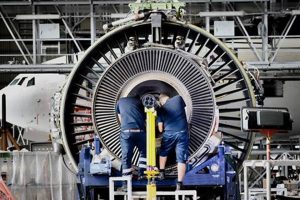
Institutions providing aerospace engineering majors are inextricably linked to the quality and availability of their research facilities. A direct correlation exists: superior facilities enable advanced research, which, in turn, enhances the educational experience and prepares students for future contributions to the aerospace field. Research facilities act as the engine for innovation, allowing students and faculty to engage in cutting-edge projects that often lead to significant breakthroughs. Examples of these facilities include wind tunnels, propulsion laboratories, composite materials labs, and advanced computational resources. These resources are not merely supplementary; they are integral to the curriculum, allowing students to apply theoretical knowledge in practical, hands-on scenarios. The absence of adequate research facilities limits a program’s ability to attract top faculty and students, hindering its overall competitiveness and impact on the aerospace industry.
The practical significance of understanding this connection lies in informed decision-making for prospective students and funding allocation for institutions. Students considering an aerospace engineering major should prioritize institutions with robust research facilities. These facilities provide opportunities to participate in research, contributing to a deeper understanding of aerospace principles and developing valuable problem-solving skills. For institutions, investment in research facilities is an investment in the future of their aerospace engineering program, attracting high-caliber faculty, securing research grants, and producing graduates who are highly sought after by industry and government organizations. The presence of state-of-the-art facilities often translates directly into a program’s ranking and reputation.
In summary, research facilities are not simply amenities within institutions offering aerospace engineering programs. They are critical components that drive innovation, enhance education, and prepare students for successful careers. While various factors influence a student’s choice of institution, the quality and availability of research facilities should be a primary consideration. Recognizing this connection allows both prospective students and institutions to make strategic decisions that ultimately benefit the aerospace engineering field as a whole.
6. Industry Connections

The strength of industry connections constitutes a critical element in evaluating institutions that offer aerospace engineering programs. These connections facilitate a vital exchange of knowledge, resources, and opportunities that directly benefit students and enhance the relevance of the academic curriculum.
- Internship and Co-op Opportunities
Strong industry relationships yield increased access to internship and cooperative education programs. These experiences provide students with real-world exposure to aerospace engineering practices, allowing them to apply theoretical knowledge in a professional setting. For instance, an institution partnering with a major aerospace manufacturer might offer students opportunities to work on projects related to aircraft design or testing. These internships significantly enhance employability upon graduation.
- Sponsored Research and Development
Industry collaboration often results in sponsored research projects within academic institutions. These projects provide funding for faculty and students to conduct cutting-edge research in areas relevant to industry needs. An example would be a partnership between a university and a space exploration company to develop new propulsion technologies. Such collaboration fosters innovation and exposes students to the forefront of aerospace engineering advancements.
- Guest Lectures and Industry Experts
Colleges with robust industry connections frequently host guest lectures by industry experts and invite professionals to participate in workshops and seminars. These interactions provide students with valuable insights into current industry trends, challenges, and best practices. Students might learn about the latest advancements in unmanned aerial vehicle (UAV) technology directly from engineers working in the field. Such exposure helps bridge the gap between academic theory and practical application.
- Curriculum Relevance and Feedback
Industry advisory boards composed of professionals working in the aerospace sector play a crucial role in shaping curriculum development. These boards provide feedback on the skills and knowledge that are most valued by employers, ensuring that the academic program remains relevant and responsive to industry needs. For instance, industry representatives might recommend incorporating new topics related to cybersecurity in aerospace systems. This feedback loop ensures that graduates are well-prepared to meet the evolving demands of the aerospace industry.
In conclusion, the depth and breadth of industry connections significantly influence the quality of educational opportunities provided by institutions offering aerospace engineering programs. These connections offer tangible benefits, including enhanced career prospects, exposure to cutting-edge research, and a curriculum aligned with industry needs, making them a crucial consideration for prospective students.
7. Location Relevance

Geographic location is a salient factor when evaluating institutions providing aerospace engineering programs. Proximity to aerospace industry hubs, government research facilities, and military installations can significantly influence a student’s educational experience and career prospects. This association extends beyond mere convenience; it shapes opportunities and resources available to aspiring aerospace engineers.
- Proximity to Industry Employers
Institutions situated near major aerospace employers often foster stronger relationships with these organizations. This proximity facilitates internship opportunities, collaborative research projects, and direct employment pipelines for graduates. For example, a university located near Boeing or Lockheed Martin may offer students unique opportunities to work on real-world aerospace projects, gaining valuable experience and making connections that can lead to future employment. These experiences are difficult to replicate in locations with limited aerospace presence.
- Access to Research and Testing Facilities
Location can provide access to specialized research and testing facilities, such as wind tunnels, flight test centers, and propulsion laboratories. These facilities are often concentrated in specific geographic regions due to historical factors or the presence of government or private sector aerospace activities. Students at institutions with proximity to these resources benefit from hands-on experience and exposure to advanced technologies. This access can be crucial for developing expertise in specific areas of aerospace engineering.
- Government and Military Presence
The presence of government agencies and military bases in a particular region can create unique opportunities for aerospace engineering students. These opportunities may include research collaborations with government laboratories, internships at military facilities, and employment prospects within the defense sector. For example, a university near a NASA center may offer students opportunities to work on space exploration projects or contribute to the development of new aerospace technologies. These connections can be highly advantageous for students interested in government or military careers.
- Networking Opportunities
Institutions situated in areas with a high concentration of aerospace activity offer greater opportunities for networking with professionals in the field. Industry events, conferences, and professional organizations are more likely to be located in these areas, providing students with chances to connect with engineers, researchers, and business leaders. These networking opportunities can lead to internships, mentorships, and future job prospects. A strong professional network is an invaluable asset for a successful career in aerospace engineering.
The confluence of these factors underscores the importance of location when evaluating colleges with aerospace engineering programs. Institutions situated in aerospace-rich regions offer a distinct advantage to students, providing access to resources, opportunities, and connections that are essential for success in this competitive field. Prospective students should carefully consider the geographic location of a program and its potential impact on their educational experience and future career prospects.
Frequently Asked Questions
This section addresses common inquiries regarding academic institutions providing aerospace engineering degree programs. The information presented is designed to offer clarity and guidance to prospective students.
Question 1: What constitutes an ABET-accredited aerospace engineering program, and why is it important?
ABET accreditation signifies that the program adheres to established quality standards within engineering education. Graduation from an ABET-accredited program is often a prerequisite for professional licensure and is viewed favorably by prospective employers.
Question 2: What distinguishes a strong aerospace engineering program from a merely adequate one?
A strong program is characterized by a rigorous curriculum, experienced faculty with active research involvement, state-of-the-art research facilities, and robust industry connections facilitating internships and career placement.
Question 3: How significantly does location influence the value of an aerospace engineering education?
Geographic proximity to aerospace industry hubs, government research facilities, and military installations provides enhanced opportunities for internships, networking, and access to specialized resources, thereby increasing the value of the educational experience.
Question 4: What are common specialization options within aerospace engineering, and how should a student select one?
Common specializations include astronautics, aerodynamics, propulsion, and structures. Students should select a specialization based on their interests, strengths, and career aspirations, considering the course offerings and faculty expertise available at each institution.
Question 5: How important are research opportunities for undergraduate students pursuing aerospace engineering?
Research opportunities provide invaluable hands-on experience, enhance understanding of engineering principles, and develop critical problem-solving skills. Active participation in research can significantly improve a student’s competitiveness for graduate studies and future employment.
Question 6: What role do industry connections play in the success of aerospace engineering graduates?
Strong industry connections facilitate internships, co-op programs, guest lectures, and curriculum feedback, ensuring that graduates possess the practical skills and knowledge demanded by the aerospace industry, leading to improved career prospects.
In summation, careful consideration of accreditation, program quality, location, specialization options, research opportunities, and industry connections is crucial when selecting an institution for aerospace engineering studies.
The succeeding section will provide additional insights on resources available to aerospace engineering students and alumni.
Concluding Remarks
The preceding analysis has explored key elements associated with academic institutions offering aerospace engineering majors. Factors such as accreditation, curriculum depth, research facilities, industry connections, and geographic location were identified as critical determinants of program quality and student success.
The informed selection of colleges that offer aerospace engineering major is a strategic investment in the future. Prospective students are encouraged to conduct thorough research, evaluate programs based on the criteria outlined, and pursue opportunities that align with their academic and professional aspirations. The sustained advancement of the aerospace field relies on the rigorous preparation of future generations of engineers.
![[Guide] How to Get an Aerospace Engineering Internship + Tips! | Innovating the Future of Flight with Reliable Aviation Solutions](https://mixaerospace.com/wp-content/uploads/2026/04/th-268-300x200.jpg "[Guide] How to Get an Aerospace Engineering Internship + Tips! Innovating the Future of Flight with Reliable Aviation Solutions")