![Best Job Prospects for Aerospace Engineers [2024 Guide]](data:image/svg+xml;base64,PHN2ZyB4bWxucz0iaHR0cDovL3d3dy53My5vcmcvMjAwMC9zdmciIHdpZHRoPSI0NzQiIGhlaWdodD0iNzQiIHZpZXdCb3g9IjAgMCA0NzQgNzQiPjxyZWN0IHdpZHRoPSIxMDAlIiBoZWlnaHQ9IjEwMCUiIHN0eWxlPSJmaWxsOiNjZmQ0ZGI7ZmlsbC1vcGFjaXR5OiAwLjE7Ii8+PC9zdmc+ "Best Job Prospects for Aerospace Engineers [2024 Guide] Innovating the Future of Flight with Reliable Aviation Solutions")
The anticipated opportunities and potential career paths available to individuals trained in the design, development, and testing of aircraft and spacecraft are a significant consideration for those entering or considering the field. These encompass roles in research, manufacturing, and government agencies, all of which contribute to the advancement of air and space travel. For example, a graduate with a degree in aeronautical engineering might assess the likelihood of securing a position with a leading aerospace company after completing their studies.
Understanding the availability of positions in this sector is vital for students, educators, and policymakers alike. Insight into the potential employment landscape allows for informed decisions regarding educational investments, curriculum development, and workforce planning. Historically, the aerospace industry has been subject to cyclical fluctuations influenced by economic conditions, governmental spending, and technological innovations, making the ability to gauge its future health essential.
The following sections will explore factors influencing career availability for individuals in this discipline, including advancements in technology, evolving global market dynamics, and specific skill sets currently in high demand. These elements collectively shape the landscape of professional opportunities within this dynamic and ever-evolving domain.
Maximizing potential within the aerospace sector requires strategic planning and a proactive approach to skill development. The following guidelines provide actionable strategies to enhance prospects in this competitive field.
Tip 1: Cultivate Advanced Technical Proficiency: A strong foundation in fundamental aerospace principles is essential, but expertise in emerging technologies such as additive manufacturing, advanced materials, and autonomous systems will significantly enhance competitiveness.
Tip 2: Seek Specialized Certifications: Pursuing industry-recognized certifications related to specific aerospace disciplines, such as FAA Airframe and Powerplant licenses or certifications in project management, demonstrates commitment and enhances credibility.
Tip 3: Develop Strong Analytical and Problem-Solving Skills: The ability to analyze complex engineering problems, develop innovative solutions, and effectively communicate technical findings is highly valued by employers.
Tip 4: Gain Practical Experience Through Internships: Participating in internships at leading aerospace companies or research institutions provides invaluable hands-on experience and opportunities to network with industry professionals.
Tip 5: Network Strategically Within the Industry: Attending industry conferences, joining professional organizations like the American Institute of Aeronautics and Astronautics (AIAA), and actively engaging with professionals in the field can open doors to unforeseen opportunities.
Tip 6: Pursue Graduate-Level Education: Obtaining a master’s or doctoral degree can significantly enhance expertise and open doors to advanced research and development roles.
Tip 7: Embrace Continuous Learning: The aerospace sector is characterized by constant innovation. A commitment to staying abreast of the latest technological advancements and industry trends is crucial for long-term career success.
These guidelines underscore the importance of technical expertise, professional development, and strategic networking in securing advantageous positions. By adhering to these principles, individuals can position themselves for success within this demanding, yet rewarding, profession.
The subsequent discussion will address specific areas of growth within the industry and strategies for targeting these emerging areas of opportunity.
1. Technological Advancements

Technological advancements exert a considerable influence on career opportunities for aerospace engineers. The continuous evolution of technologies within this field reshapes the skills required of professionals and, consequently, the availability of positions.
- Advanced Materials and Manufacturing
The development of lightweight, high-strength materials, coupled with advanced manufacturing techniques such as additive manufacturing, is transforming the production of aircraft and spacecraft components. This shift necessitates engineers skilled in materials science, structural analysis, and advanced manufacturing processes. Increased demand is present for specialists who can design, analyze, and implement these novel technologies.
- Autonomous Systems and Robotics
The integration of autonomous systems and robotics into aerospace applications is rapidly expanding. Unmanned aerial vehicles (UAVs), autonomous spacecraft, and robotic systems for manufacturing and maintenance require engineers with expertise in artificial intelligence, machine learning, control systems, and robotics. As autonomy becomes more prevalent, professionals proficient in these areas are increasingly sought after.
- Digital Engineering and Simulation
The adoption of digital engineering and simulation tools, such as computational fluid dynamics (CFD) and finite element analysis (FEA), is revolutionizing the design and development process. Engineers capable of utilizing these tools to model and simulate complex aerospace systems are in high demand. Proficiency in software development, data analytics, and visualization techniques is essential for leveraging the full potential of digital engineering.
- Sustainable Aviation Technologies
The growing emphasis on environmental sustainability is driving the development of new technologies for reducing emissions and improving fuel efficiency in aviation. This includes the development of electric and hybrid-electric propulsion systems, alternative fuels, and aerodynamic improvements. Engineers with expertise in these areas are needed to drive innovation and meet increasingly stringent environmental regulations.
In summary, technological advancements are not merely reshaping the aerospace industry; they are fundamentally altering the skill sets required of its workforce. These changes present both challenges and opportunities for those seeking positions. By acquiring proficiency in emerging technologies, aerospace engineers can enhance their ability to adapt to evolving demands and improve career prospects in this dynamic and vital industry. The ability to harness the potential of innovative technologies will define success.
2. Global Market Dynamics

Global market dynamics exert a significant influence on career opportunities for aerospace engineers. The ebb and flow of international trade, fluctuating demand for aircraft and spacecraft, and the rise of new players in the aerospace industry directly impact the number and type of positions available. For instance, increased competition in the commercial aviation sector, driven by the emergence of new aircraft manufacturers in countries like China and Russia, can lead to pressure on established companies to innovate and reduce costs. This pressure often translates into increased demand for engineers specializing in design optimization, advanced materials, and efficient manufacturing processes.
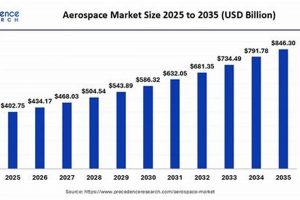
Furthermore, fluctuations in global economic conditions directly affect the demand for air travel and cargo transport, subsequently impacting aircraft orders and production rates. During periods of economic expansion, airlines tend to invest in new aircraft to meet growing passenger demand, creating opportunities for aerospace engineers in design, manufacturing, and maintenance. Conversely, economic downturns can lead to reduced aircraft orders and potential layoffs within the industry. Understanding these market cycles is therefore essential for aerospace engineers seeking to navigate their careers effectively. The expansion of space-related activities, fueled by both governmental and private investment in areas such as satellite communication, space tourism, and resource extraction, presents new avenues for specialization.
In conclusion, the global marketplace significantly shapes the trajectory. Awareness of international trends, competitive pressures, and evolving demands is essential for engineers. Such awareness allows individuals to position themselves strategically within the industry, adapting their skills and expertise to capitalize on emerging opportunities and mitigate potential risks.
3. Governmental Funding Priorities

Governmental funding priorities exert a significant influence on the availability of positions for aerospace engineers. These priorities, typically manifested through budgetary allocations to agencies such as NASA, the Department of Defense, and the Federal Aviation Administration, directly shape research and development initiatives, procurement programs, and infrastructure projects within the aerospace sector. An increase in government funding for space exploration, for example, typically leads to greater demand for engineers specializing in spacecraft design, propulsion systems, and mission operations. Similarly, investments in military aviation programs create opportunities for engineers focused on aircraft design, avionics, and weapons systems integration.
Conversely, shifts in governmental priorities or budgetary constraints can lead to reductions in funding for specific aerospace programs, resulting in potential job losses or a decreased demand for certain skill sets. For example, a decision to reduce investment in a particular aircraft development program could negatively impact employment opportunities for engineers involved in that project. The practical significance of this understanding lies in the ability of aerospace engineers to anticipate and adapt to changes in funding priorities by aligning their skills and expertise with areas of projected growth. Awareness of government spending plans, policy initiatives, and emerging technological trends allows professionals to make informed career decisions and pursue relevant training and education.
In conclusion, governmental funding priorities serve as a critical determinant of employment opportunities within the aerospace engineering field. Aerospace engineers must remain informed of evolving funding landscapes and adapt their skills to align with anticipated growth areas. This proactive approach, coupled with a commitment to continuous learning and professional development, is essential for navigating the complex and dynamic aerospace industry. The correlation between governmental decisions and professional prospects remains strong.
4. Evolving Skill Requirements

The dynamic nature of the aerospace industry necessitates a continuous adaptation of skill sets among its professionals. The relationship between evolving skill requirements and career opportunities for aerospace engineers is direct and consequential. Those who proactively acquire and refine their skills in alignment with emerging industry trends are better positioned to secure and retain desirable employment.
- Data Analytics and Machine Learning
The aerospace sector generates vast amounts of data from simulations, flight tests, and operational systems. Expertise in data analytics and machine learning is increasingly critical for engineers to extract meaningful insights from this data. These insights are used to optimize designs, predict system failures, and improve operational efficiency. For example, machine learning algorithms are used to analyze sensor data from aircraft engines to detect anomalies and predict maintenance needs. Aerospace engineers who possess these skills enhance their ability to contribute to data-driven decision-making processes, enhancing their career opportunities.
- Model-Based Systems Engineering (MBSE)
MBSE represents a shift from traditional document-based engineering to a more integrated and model-centric approach. It involves creating and utilizing system models throughout the development lifecycle, enabling engineers to better understand complex system interactions and identify potential problems early in the design process. Aerospace companies are increasingly adopting MBSE to improve the efficiency and quality of their products. Therefore, engineers proficient in MBSE tools and methodologies are in high demand. Their ability to leverage system models for design, analysis, and verification enhances their attractiveness to employers.
- Cybersecurity
As aerospace systems become increasingly connected and reliant on software, cybersecurity becomes a paramount concern. Aircraft, spacecraft, and ground-based infrastructure are all vulnerable to cyberattacks. Aerospace engineers with expertise in cybersecurity are needed to design and implement secure systems that protect against these threats. Their knowledge of secure coding practices, threat modeling, and intrusion detection systems is essential for mitigating risks and ensuring the safety and reliability of aerospace operations. Cybersecurity is no longer a niche skill; it is a fundamental requirement for all engineers working in the sector.
- Advanced Manufacturing Techniques
Traditional manufacturing processes are being supplemented and, in some cases, replaced by advanced techniques such as additive manufacturing (3D printing) and composite materials processing. Aerospace engineers skilled in these methods are needed to design and fabricate complex components with improved performance and reduced weight. For example, additive manufacturing is used to create lightweight structural components with optimized geometries. Those with expertise in these areas are well-positioned to contribute to innovation and enhance their future career prospects.
The aerospace engineering field exhibits a high rate of technological evolution, where the demands for relevant skill sets and their impact on professional opportunities cannot be understated. Staying current with these advancements is paramount for sustained career success.
5. Sector-specific growth

Sector-specific growth fundamentally influences the employment outlook for aerospace engineers. The expansion or contraction of distinct segments within the broader aerospace industry directly determines the types and quantities of positions available. This relationship stems from the inherent specialization within the field, where specific engineering expertise is required to support growth areas such as commercial aviation, space exploration, or defense technologies. For instance, a surge in demand for commercial aircraft directly correlates with increased hiring in areas like airframe design, propulsion systems, and avionics. Similarly, renewed governmental focus on space exploration fuels the need for engineers specializing in spacecraft engineering, robotics, and advanced materials. Therefore, the health and trajectory of these individual sectors act as a primary driver for professional prospects. This is further amplified by the technological innovation that accompanies growth, necessitating specialized skill sets in emerging domains.
Consider the recent expansion of the commercial space sector. Companies are investing heavily in satellite constellations, space tourism, and resource extraction. This surge has created a significant demand for aerospace engineers with expertise in areas such as orbital mechanics, propulsion systems, and robotics. Individuals with a strong background in these disciplines are highly sought after by private companies and government agencies. Conversely, a slowdown in military spending or a reduction in government contracts can lead to a decline in employment opportunities for engineers specializing in defense-related aerospace technologies. Thus, the ability to anticipate and adapt to these sectoral shifts is crucial for career stability and advancement. This requires continuous monitoring of industry trends, policy changes, and technological developments.
In summary, the growth trajectory of individual aerospace sectors is a pivotal factor shaping the demand for engineers. Sector-specific growth and job prospects for aerospace engineers go hand in hand. A proactive approach, characterized by continuous learning and strategic skill development, is essential for aligning individual expertise with emerging opportunities and mitigating potential risks associated with sectoral fluctuations. The ability to navigate these dynamics is vital for sustained career success within this technologically advanced and strategically important field.
Frequently Asked Questions Regarding Opportunities in Aerospace Engineering
The following addresses common inquiries concerning career paths and potential avenues within the aerospace field, offering insights into this dynamic and challenging discipline.
Question 1: What specific factors most significantly influence career availability for graduates in this field?
Technological advancements, global market conditions, and governmental funding priorities are the most critical determinants. Emerging technologies require updated skill sets; international market competition affects manufacturing demands; and government spending directly affects research and development opportunities.
Question 2: How essential is advanced education for securing positions in this sector?
While entry-level positions may be attainable with a bachelor’s degree, advanced roles in research, design, and leadership increasingly require master’s or doctoral-level qualifications. Advanced degrees demonstrate specialized knowledge and analytical capabilities highly valued by employers.
Question 3: What role does practical experience play in enhancing future opportunities?
Internships, co-op programs, and research assistantships are invaluable for gaining practical experience and developing industry-relevant skills. Such experience enhances competitiveness and provides opportunities to network with professionals in the field.
Question 4: Which emerging technologies offer the greatest career potential in the next decade?
Aerospace engineers with expertise in advanced materials, autonomous systems, digital engineering and simulation, and sustainable aviation technologies are expected to be in high demand. These fields are experiencing rapid growth and offer opportunities for innovation and advancement.
Question 5: How can an individual best prepare for the evolving skill requirements of the aerospace industry?
A proactive approach to continuous learning and professional development is essential. This includes staying abreast of the latest technological advancements, pursuing relevant certifications, and actively seeking opportunities to develop new skills. Active participation in professional organizations and industry conferences are helpful.
Question 6: What strategies are recommended for those seeking positions in a competitive global market?
Cultivating advanced technical proficiency, gaining practical experience, networking strategically, and pursuing advanced education are all essential for competing in a global market. Adaptability, a global perspective, and strong communication skills are also crucial.
These responses offer general guidance on how to approach professional goals. The realities of finding fulfilling employment will require careful evaluation of personal objectives, aptitude and commitment.
Subsequent material will focus on specific areas of specialization within the sector.
Job Prospects for Aerospace Engineers
This analysis has explored the multifaceted influences on the professional opportunities available to aerospace engineers. Factors ranging from technological advancements and global market dynamics to governmental funding priorities and evolving skill requirements all contribute to the complex landscape of this sector. An understanding of these forces is crucial for both aspiring and established professionals seeking to navigate their careers effectively and contribute meaningfully to this vital field.
The information presented underscores the dynamic nature of the aerospace industry and the imperative for continuous learning and strategic adaptation. As technology advances and global demands shift, individuals must remain informed, proactive, and committed to developing the skills and expertise necessary to thrive. The future of flight and space exploration depends on a highly skilled workforce ready to meet the challenges and opportunities that lie ahead. Prepare diligently for what is to come.