The question of geographic locations offering the most abundant opportunities for professionals specializing in aircraft and spacecraft technology is complex. It involves considering factors such as government spending, private sector investment, the presence of established aerospace companies, and the concentration of relevant research and development facilities. Identifying areas with significant growth potential and a consistent need for skilled talent in this field requires careful analysis of economic trends and industry reports.
Locating regions with robust aerospace sectors benefits both individual career prospects and overall industry advancement. A high concentration of opportunities fosters competition, drives innovation, and provides professionals with greater flexibility and career trajectory options. Historically, areas with significant government defense contracts or large commercial aerospace manufacturers have served as hubs for these engineering roles, contributing significantly to regional economies and technological progress.
The subsequent discussion will delve into specific regions and countries currently experiencing significant need for these specialists. Factors influencing this demand, such as emerging space programs, expansion of commercial aviation, and ongoing research into advanced aerospace technologies, will be examined. Furthermore, the influence of educational institutions and their role in supplying qualified personnel to meet the demands of this evolving industry will be addressed.
This section provides guidance for individuals seeking to align their careers with geographic areas demonstrating substantial need for aerospace engineering expertise. Understanding specific regional characteristics and industry trends is crucial for optimizing career opportunities.
Tip 1: Prioritize Locations with Major Aerospace Employers: Research and target regions hosting headquarters or significant operational facilities of leading aerospace companies, such as Boeing, Airbus, Lockheed Martin, or Northrop Grumman. These companies consistently require a large pool of engineering talent.
Tip 2: Investigate Regions with Government and Defense Spending: Identify states or countries with substantial government contracts related to aerospace and defense. Government spending often translates to increased hiring in related engineering fields.
Tip 3: Explore States with Active Space Programs: Consider locations hosting spaceports or NASA research facilities. States such as Florida, Texas, and California often experience high demand for aerospace engineers due to ongoing space exploration initiatives.
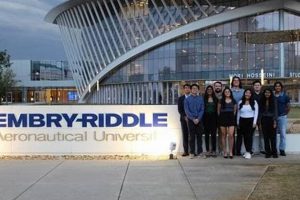
Tip 4: Analyze Areas with Strong Engineering Universities: Target regions with highly ranked aerospace engineering programs. Proximity to universities can provide networking opportunities and access to newly graduated talent, thus attracting companies and fostering industry growth.
Tip 5: Examine Metropolitan Areas with High Tech Industries: Aerospace engineering positions frequently cluster in metropolitan areas with a strong technology base. The presence of related tech companies can create synergistic opportunities and a supportive ecosystem.
Tip 6: Research Areas with a Lower Cost of Living: While high-demand areas often correlate with a higher cost of living, exploring regions with a more reasonable cost of living can provide a better quality of life and financial stability, even with a potentially slightly lower salary.
These strategies offer a framework for identifying geographical areas poised for aerospace engineering growth, enabling professionals to make informed decisions about their career paths. By focusing on industry hubs, government spending, and educational institutions, engineers can maximize their opportunities in this dynamic field.
The subsequent section will address the broader implications of regional demand on the aerospace engineering profession and the critical need for continuous skill development.
1. Government contracts volume

The volume of government contracts exerts a considerable influence on areas experiencing the most significant need for aerospace engineers. These contracts, often awarded for defense-related projects, space exploration, and advanced research, directly translate into job creation and increased demand for qualified personnel. The allocation of substantial government funding effectively fuels the growth of the aerospace sector in specific geographic regions.
Consider, for example, the impact of Department of Defense contracts on states like California, home to numerous aerospace companies receiving substantial government investment. Similarly, the presence of NASA centers in Florida and Texas contributes significantly to the demand for aerospace expertise in those regions. Such contracts support not only large corporations but also smaller subcontractors, creating a ripple effect of job opportunities across the entire aerospace supply chain. Furthermore, government-funded research grants drive innovation and necessitate skilled engineers to conduct research and development.
In summary, government contract volume serves as a key indicator of regions with the highest aerospace engineering demand. The influx of federal funding stimulates industry growth, creates employment opportunities, and fosters innovation, ultimately shaping the geographic distribution of aerospace talent. Understanding the link between government investment and regional job markets is crucial for both job seekers and for strategic planning within the aerospace industry.
2. Commercial aviation growth
Commercial aviation growth is a significant driver of the demand for aerospace engineers. As the global demand for air travel increases, airlines expand their fleets, and new aircraft are designed and manufactured. This expansion creates a need for engineers specializing in aircraft design, aerodynamics, propulsion systems, avionics, and materials science. Regions experiencing rapid airline growth, fleet modernization, or aircraft manufacturing expansion often exhibit a corresponding increase in the need for aerospace professionals. The growth necessitates the development of more efficient, sustainable, and technologically advanced aircraft, further amplifying the demand for specialized engineering skills.
The practical implications are evident in regions like the Pacific Northwest (Boeing’s manufacturing base), Toulouse, France (Airbus headquarters), and emerging aviation hubs in Asia and the Middle East. These areas attract aerospace engineers due to the presence of major aircraft manufacturers, maintenance, repair, and overhaul (MRO) facilities, and airline operations. Moreover, the growth of the aviation industry leads to an increased need for engineers involved in airport design, air traffic management, and safety systems. The demand extends beyond traditional aerospace engineering roles to include software engineers, data scientists, and cybersecurity experts, who are increasingly important for developing and maintaining modern aircraft and air transportation systems.
In summary, the connection between commercial aviation expansion and the requirement for aerospace engineers is clear. The industry’s growth necessitates skilled professionals across multiple engineering disciplines to design, manufacture, maintain, and operate aircraft safely and efficiently. This correlation highlights the importance of monitoring commercial aviation trends to anticipate future workforce needs and guide educational and career development strategies for aerospace engineers.
3. Space exploration programs
Space exploration programs exert a demonstrable influence on the geographic distribution of aerospace engineering opportunities. These programs, spearheaded by government agencies and increasingly by private entities, require substantial expertise in spacecraft design, propulsion, robotics, and mission planning. The presence of such programs in a given region directly correlates with a heightened demand for aerospace engineers. The complexity of space-bound systems necessitates a skilled workforce capable of addressing challenges related to extreme environments, reliability, and resource management. Consequently, areas hosting major spaceports, research facilities, or contractor hubs involved in these initiatives experience a surge in employment prospects.
The relationship is bidirectional. Active space exploration initiatives, such as NASA’s Artemis program or SpaceX’s Starship development, create immediate employment needs for engineers specializing in various facets of aerospace technology. Furthermore, these programs indirectly stimulate demand by fostering the growth of supporting industries. For instance, a surge in launch activity necessitates increased production of specialized materials, components, and testing services, leading to further job opportunities. States with a robust presence in the space sector, such as Florida, California, and Texas, often exhibit higher concentrations of aerospace engineers due to the synergistic effects of government programs, private investment, and a well-established ecosystem of supporting businesses.
In summary, space exploration programs serve as a significant determinant of the geographic concentration of aerospace engineering opportunities. The technical demands of these programs necessitate a skilled workforce, leading to the creation of employment hubs near launch sites, research facilities, and major contractors. Understanding this correlation is vital for aerospace engineers seeking career advancement, and for policymakers aiming to cultivate thriving aerospace sectors within their respective regions.
4. Research facilities presence

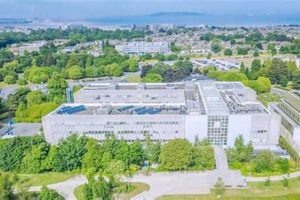
The presence of aerospace research facilities significantly influences the geographic distribution of opportunities for aerospace engineers. These facilities, encompassing university labs, government research centers, and private sector R&D divisions, function as hubs for innovation and development within the industry. Their existence in a particular region directly correlates with an increased demand for skilled professionals capable of contributing to cutting-edge research and technological advancements.
- Advancement in Core Disciplines
Research facilities drive progress in fundamental aerospace disciplines such as aerodynamics, propulsion, materials science, and control systems. These advancements necessitate engineers with specialized knowledge and experience in conducting experiments, analyzing data, and developing new technologies. Regions hosting these facilities attract and retain talent by offering opportunities to work at the forefront of aerospace innovation, directly influencing locations with high demand.
- Collaboration and Knowledge Transfer
Research facilities foster collaboration between academia, industry, and government, facilitating the transfer of knowledge and technology. This collaborative environment creates synergistic opportunities for aerospace engineers, allowing them to engage in multidisciplinary projects and network with experts from various fields. Regions that support these collaborations become magnets for skilled professionals seeking to expand their knowledge and contribute to the broader aerospace community.
- Attraction of Investment and Funding
Areas with a strong presence of research facilities tend to attract greater investment from both public and private sectors. Funding for research projects and infrastructure development directly translates into increased hiring of aerospace engineers. Furthermore, the presence of cutting-edge facilities enhances a region’s reputation as an aerospace innovation hub, attracting additional companies and investment, creating a positive feedback loop that amplifies demand.
- Development of Emerging Technologies
Research facilities are instrumental in developing emerging aerospace technologies, such as hypersonic flight, advanced propulsion systems, and autonomous aerial vehicles. As these technologies mature, the need for engineers with expertise in these areas will increase substantially. Regions that are early adopters of these technologies and that invest in related research infrastructure are likely to experience a significant surge in demand for specialized aerospace engineering skills.
In conclusion, the establishment and growth of research facilities play a vital role in shaping the geographic landscape of aerospace engineering opportunities. These facilities not only drive innovation and technological advancement but also foster collaboration, attract investment, and cultivate a skilled workforce. Consequently, regions with a strong research presence are poised to experience sustained growth in demand for aerospace engineers, solidifying their positions as leading centers within the industry.
5. Manufacturing center density

The geographic density of aerospace manufacturing centers directly influences the demand for aerospace engineers. A high concentration of manufacturing activity necessitates a substantial engineering workforce to support design, production, testing, and quality control processes. These centers, encompassing facilities that produce aircraft, spacecraft, components, and related systems, are critical drivers of employment within the field. The relationship stems from the fundamental need for skilled professionals to manage complex manufacturing operations, implement technological advancements, and ensure adherence to stringent industry standards.
Regions with a significant manufacturing presence benefit from economies of scale, drawing further investment and expansion. Examples include areas around Seattle, Washington, where Boeing maintains significant facilities; Toulouse, France, home to Airbus headquarters and associated manufacturing; and Wichita, Kansas, historically known as the “Air Capital of the World” due to its concentration of aircraft manufacturers. In these locations, the density of manufacturing facilities cultivates a network of suppliers, subcontractors, and support services, further amplifying the demand for engineering talent. The presence of these interconnected industries creates a stable and diverse job market, fostering opportunities for career advancement and specialization.
The practical significance of understanding this connection lies in its implications for career planning and economic development. Aerospace engineers seeking optimal employment prospects should prioritize locations with dense manufacturing clusters. Simultaneously, regions aiming to bolster their aerospace sectors should focus on attracting and supporting manufacturing operations to create a robust demand for skilled engineers. Recognizing this interplay is essential for both individual professionals and for strategic economic growth initiatives within the aerospace industry.
Frequently Asked Questions
This section addresses frequently asked questions regarding the areas exhibiting the most significant need for aerospace engineering professionals. Understanding these patterns aids career planning and informs strategic industry development.
Question 1: What metrics indicate a region’s high demand for aerospace engineers?
Key metrics include the volume of government contracts awarded to aerospace companies in the region, the growth rate of commercial aviation operations, the presence and funding of space exploration initiatives, the density of aerospace research facilities, and the concentration of aerospace manufacturing centers. These factors collectively point to areas with a strong and sustained need for skilled engineers.
Question 2: Does government spending solely determine demand?
While government spending is a substantial factor, it is not the sole determinant. Commercial aviation growth, private sector investment in space exploration, and research and development activities also significantly contribute to the demand. Regions with a diverse aerospace ecosystem tend to offer more resilient and varied employment opportunities.
Question 3: How do emerging technologies influence regional demand?
Emerging technologies, such as advanced materials, hypersonic flight, and autonomous systems, can create localized demand for engineers with specialized expertise. Regions investing in these technologies and supporting relevant research tend to attract talent and foster industry growth.
Question 4: Are international opportunities comparable to domestic demand?
International opportunities exist, particularly in countries with rapidly developing aerospace sectors. Factors such as government investment, technological advancements, and strategic partnerships influence international demand. Comparative analysis of specific regions is essential for assessing career prospects.
Question 5: What role do educational institutions play in shaping regional demand?
Educational institutions with strong aerospace engineering programs contribute significantly to regional demand by producing qualified graduates and fostering research collaborations with industry partners. Their presence can attract aerospace companies and create a pipeline of talent, driving industry growth and innovation.
Question 6: How can an aerospace engineer best identify areas with growing demand?
Aerospace engineers can identify areas with growing demand by monitoring industry news, reviewing job market reports, attending industry conferences, and networking with professionals in the field. Thorough research and targeted outreach are crucial for identifying emerging opportunities and aligning career goals with market needs.
In summary, multiple factors contribute to the geographic distribution of aerospace engineering opportunities. A comprehensive understanding of these dynamics allows professionals and policymakers to strategically address workforce needs and promote industry advancement.
The subsequent section will explore strategies for aerospace engineers to maximize their career potential in high-demand areas.
Where is the Highest Demand for Aerospace Engineers
The foregoing analysis establishes that geographic concentration of aerospace engineering opportunities is not random, but rather a consequence of multifaceted factors. Government contract volume, commercial aviation growth, the extent of space exploration programs, the presence of research facilities, and the density of manufacturing centers all contribute to shaping regions of high demand. Strategic alignment with these indicators is vital for both individual career advancement and for national competitiveness in the aerospace sector. The interplay of these factors creates dynamic and evolving employment landscapes, requiring continuous assessment and adaptation.
Therefore, proactive engagement with industry trends, rigorous geographic analysis, and a commitment to continuous skill development are essential for aerospace engineers seeking to maximize their career potential. Furthermore, fostering collaboration between government, industry, and educational institutions is crucial for cultivating thriving aerospace hubs and ensuring a robust pipeline of qualified professionals to meet the challenges and opportunities of the future. The quest to determine precisely “where is the highest demand for aerospace engineers” is an ongoing endeavor that demands constant vigilance and strategic insight.