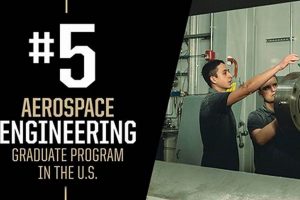
Attire for professionals in the field of aircraft and spacecraft design, development, and testing is generally practical and safety-conscious. While daily work often involves office-based tasks such as computer modeling and analysis, engineers must also be prepared for hands-on work in laboratories, wind tunnels, and manufacturing facilities. Therefore, clothing choices reflect the need for both comfort and functionality, and occasionally, adherence to specific safety regulations.
The appropriate selection of garments is vital to ensure engineers can execute their duties effectively. This includes maintaining freedom of movement, avoiding hazards such as loose clothing near machinery, and protecting oneself from potential workplace risks. Historically, the expectation was for professionals in all engineering disciplines to wear formal business attire. However, modern approaches recognize the importance of comfort and adaptability in demanding environments. The focus shifted to practical clothing that allows for efficient task execution.
The subsequent sections will explore specific examples of acceptable and unacceptable attire, detailing the reasons behind these choices. Further, the importance of adhering to safety regulations regarding personal protective equipment (PPE) and specialized garments will be addressed. Finally, the evolving landscape of workplace dress codes and their impact on engineering professions is examined.
Guidance Regarding Appropriate Professional Garments
The following guidance addresses the selection of suitable attire for aerospace engineering professionals, emphasizing functionality, safety, and professional standards.
Tip 1: Prioritize Safety-Compliant Footwear: Secure, closed-toe shoes are essential in laboratory and manufacturing environments to protect against potential impact and compression hazards. Avoid open-toed shoes, sandals, or high heels.
Tip 2: Opt for Practical, Durable Fabrics: Choose clothing made from materials that withstand wear and tear, such as cotton blends or synthetic fabrics. These materials should also offer a degree of comfort and breathability.
Tip 3: Avoid Loose Clothing Near Machinery: Clothing items that are excessively baggy or feature dangling components pose a safety risk around moving equipment. Fitted or appropriately sized garments are recommended.
Tip 4: Adhere to Personal Protective Equipment (PPE) Requirements: When working in designated areas, strict adherence to PPE protocols is mandatory. This may include safety glasses, gloves, hearing protection, and specialized lab coats or coveralls.
Tip 5: Consider the Environment: Temperature variations in testing facilities or outdoor environments necessitate adaptable layering. Consider bringing a jacket or sweater for colder conditions.
Tip 6: Maintain Professional Appearance: While practicality is paramount, present a clean and well-maintained appearance. Avoid excessively casual or unprofessional attire, such as ripped jeans or t-shirts with inappropriate graphics.
Tip 7: Follow Company-Specific Dress Codes: Become familiar with and adhere to the established dress code policies of the employing organization. These policies may vary based on the specific workplace environment and role.
Adherence to these guidelines contributes to a safe, efficient, and professional work environment, ensuring engineers can perform their duties effectively while mitigating potential risks.
These tips provide a foundation for making appropriate choices. The subsequent section of the article will address specific scenarios and common misconceptions regarding professional attire in aerospace engineering.
1. Safety Compliance

Safety compliance constitutes an indispensable element in determining appropriate work garments for aerospace engineers. The inherently hazardous nature of research, development, and testing within this field mandates rigorous adherence to safety protocols, directly influencing the types of attire deemed acceptable.
- Flame-Resistant Fabrics
In environments where exposure to flammable materials or potential ignition sources exists, the utilization of flame-resistant fabrics is critical. Garments constructed from these materials, such as specialized lab coats or coveralls, provide a crucial barrier against burns and significantly reduce the risk of injury. These are mandatory in areas dealing with propulsion systems or working near volatile chemicals.
- Personal Protective Equipment (PPE) Integration
Clothing must seamlessly integrate with required PPE, including safety glasses, hearing protection, and gloves. Designs should avoid hindering the proper fit and function of PPE. For instance, sleeves should be of an appropriate length to avoid interference with glove use, and necklines should allow for the comfortable and secure wearing of safety glasses or face shields. In addition, the garment material needs to be compatible with the material of PPE to reduce cross-contamination.
- Electrostatic Discharge (ESD) Protection
When working with sensitive electronic components, specialized clothing designed to minimize electrostatic discharge (ESD) is essential. These garments, often incorporating conductive fibers, prevent the buildup and discharge of static electricity, safeguarding delicate circuits from damage. Furthermore, regular checks are made to ensure they are still functioning properly to meet the required ESD safety standards.
- Visibility Requirements
In certain environments, such as flight line operations or large manufacturing facilities, high-visibility clothing is necessary to enhance worker safety. Garments incorporating reflective materials or bright colors ensure that engineers are easily visible to equipment operators and other personnel, reducing the risk of accidents. Visibility is more important in outdoor weather conditions or night shifts, and additional lighting equipment is required in darker conditions.
The direct link between safety compliance and the choice of garments underscores the responsibility aerospace engineers bear in prioritizing their well-being and that of their colleagues. Strict adherence to safety regulations concerning attire is not merely a formality but a fundamental aspect of responsible professional practice. The consistent enforcement of these standards contributes to a safer and more productive working environment.The adherence to all guidelines is verified regularly to ensure there are no deviations.
2. Practical Fabrics

The selection of “practical fabrics” is a cornerstone consideration when determining suitable attire for aerospace engineers. The demands of their work environment necessitate materials that offer durability, comfort, and, in some instances, specific protective qualities. The choice of fabric directly impacts an engineer’s ability to perform tasks efficiently and safely.
- Durability and Longevity
Aerospace engineers frequently operate in environments that subject clothing to significant wear and tear. Working in laboratories, manufacturing facilities, or on-site at launch facilities exposes garments to potential abrasions, chemical spills, and temperature fluctuations. Fabrics such as durable cotton blends, ripstop nylon, or canvas offer resistance to these conditions, ensuring garments withstand the rigors of daily work and maintain their integrity over time. The long-term cost-effectiveness is a significant benefit.
- Comfort and Breathability
Extended periods spent in potentially demanding physical activities require fabrics that prioritize comfort and breathability. Materials like moisture-wicking synthetics or lightweight cotton blends allow for adequate ventilation, preventing overheating and discomfort. This is particularly crucial when working in enclosed environments or during strenuous tasks, enhancing productivity and reducing fatigue. For instance, during wind tunnel testing, comfortable material allows for consistent focus.
- Chemical Resistance
Exposure to fuels, lubricants, solvents, and other chemicals is a recurring possibility in aerospace engineering settings. Fabrics with inherent chemical resistance, or those treated with protective coatings, provide a crucial barrier against skin contact with hazardous substances. This safeguard minimizes the risk of chemical burns, irritation, and potential long-term health effects. Materials such as neoprene or specialized synthetic blends are often used. Regular inspection is needed to ensure resistance integrity.
- Electrostatic Discharge (ESD) Control
Engineers working with sensitive electronic components must consider fabrics that minimize electrostatic discharge (ESD). Certain synthetic fabrics or blends incorporating conductive fibers prevent the build-up and discharge of static electricity, protecting delicate circuitry from damage. The incorporation of ESD-safe materials is essential when handling avionics equipment or performing assembly tasks on spacecraft electronics. These fabrics are designed to mitigate risks to valuable and sensitive components.
These characteristics collectively highlight the critical role of “practical fabrics” in selecting appropriate attire for aerospace engineers. The convergence of durability, comfort, chemical resistance, and ESD control ensures that garments provide both protection and functionality, allowing engineers to perform their duties effectively and safely within demanding work environments. The ongoing development of advanced textiles will likely lead to even greater integration of these properties in future workwear designs, further optimizing performance.
3. Freedom of movement

Freedom of movement constitutes a critical, yet often understated, consideration in determining appropriate garments for aerospace engineers. The diverse range of tasks performed by these professionals, spanning office work, laboratory experiments, and on-site inspections, necessitates attire that allows for unrestricted mobility without compromising safety or professionalism. The choice of clothing can directly impact task efficiency and worker well-being.
- Ergonomic Design
Garments designed with ergonomic principles in mind promote a full range of motion. This includes features such as articulated elbows and knees in coveralls, gusseted crotches in trousers, and flexible shoulder panels in jackets. These design elements prevent restriction during activities such as reaching, bending, climbing, and crawling within aircraft fuselages or around complex machinery. Failure to consider ergonomic design can lead to discomfort, fatigue, and even injury.
- Fabric Flexibility
The inherent flexibility of the fabric itself plays a significant role. Materials with inherent stretch, such as those incorporating elastane or Spandex, allow garments to move in tandem with the wearer’s body. This is particularly important when performing delicate tasks requiring fine motor skills, where restrictive clothing could impede precision. Examples include tasks such as wiring in avionics bays or conducting detailed inspections of composite structures.
- Layering Systems
Versatile layering systems offer adaptable freedom of movement across variable temperature conditions and activity levels. Utilizing base layers of moisture-wicking fabric, combined with insulating mid-layers and weatherproof outer shells, allows engineers to adjust their attire to maintain optimal comfort and mobility. This is crucial during outdoor testing scenarios or in climate-controlled facilities where temperature fluctuations can occur.
- Proper Fit and Sizing
Regardless of design or materials, a garment’s fit is paramount to ensuring freedom of movement. Overly tight clothing restricts mobility, while excessively loose clothing poses safety hazards, particularly around machinery. Accurate sizing and appropriate fit adjustments are essential to maximize comfort and prevent impediments to task performance. Furthermore, modifications may be required to accommodate individual body types and preferences.
These interconnected elements emphasize that freedom of movement is not merely a matter of comfort but a critical factor influencing safety, efficiency, and overall job performance for aerospace engineers. By prioritizing garments designed and selected to facilitate unrestricted motion, employers can promote a more productive and ergonomic work environment. The ongoing development of advanced materials and garment designs will continue to refine the integration of freedom of movement into professional attire.
4. Environmental adaptability

Environmental adaptability significantly influences garment selection for aerospace engineers, due to their diverse work environments ranging from controlled laboratories to outdoor testing grounds, requiring garments that can handle varying conditions.
- Temperature Regulation
Aerospace engineers often encounter extreme temperature variations, whether working in unheated aircraft hangars during winter or conducting tests in hot, sunny desert environments. Clothing must provide adequate insulation to prevent hypothermia or overheating. This might involve layered systems that can be adjusted as conditions change. For example, a base layer of moisture-wicking fabric can keep the skin dry in hot conditions, while an insulated jacket provides warmth in colder environments. Garments must also permit sufficient ventilation to prevent excessive sweating.
- Weather Protection
Outdoor testing and field operations expose engineers to the elements, including rain, wind, and intense sunlight. Clothing should offer protection from these factors through water-resistant or waterproof materials, windproof construction, and UV-protective fabrics. A waterproof jacket with a hood is essential in wet conditions, while wide-brimmed hats and long-sleeved shirts can shield against solar radiation. The choice of materials and garment design directly impacts comfort and safety in adverse weather.
- Contamination Control
Certain aerospace engineering tasks require stringent contamination control to prevent damage to sensitive equipment or materials. Cleanroom environments necessitate specialized garments made from non-shedding fabrics that minimize the release of particles. These garments, including coveralls, hoods, and booties, provide a barrier between the engineer and the controlled environment, preventing contamination from skin cells, hair, or clothing fibers. The selection and use of these garments adhere to strict protocols.
- Terrain Considerations
Fieldwork in remote or rugged locations may necessitate clothing that can withstand challenging terrain. Durable trousers with reinforced knees and seat, along with supportive footwear, are essential for navigating rough ground. High-visibility clothing may also be required to ensure safety in environments with limited visibility or heavy equipment operation. These choices prioritize both protection and maneuverability in potentially hazardous conditions.
In summary, environmental adaptability is a pivotal determinant in garment selection for aerospace engineers. The ability to adjust to varying temperatures, weather conditions, contamination concerns, and terrain challenges ensures comfort, safety, and optimal performance in a wide range of work settings. The specific requirements of each environment dictate the appropriate choice of materials, design features, and layering strategies.
5. Professional appearance
Professional appearance directly impacts the credibility and reputation of aerospace engineers and their organizations. While functionality and safety are paramount, the attire must also convey competence and attention to detail, reflecting positively on the profession. Attire influences perceptions, particularly during client meetings, presentations, or interactions with regulatory agencies. Clean, well-maintained clothing, even in a laboratory setting, demonstrates respect for the profession and instills confidence in stakeholders. A disheveled or inappropriate appearance can undermine the perception of expertise, irrespective of an engineer’s qualifications. The specific requirements of a professional appearance often dictate acceptable variations within the functional demands of the job, such as opting for presentable work pants over heavily distressed jeans, even if both offer similar utility.
The balance between practicality and presentation is crucial. An aerospace engineer inspecting a composite wing structure on a factory floor might wear protective overalls. However, these overalls would be clean, well-fitting, and free from excessive wear. Similarly, when presenting technical findings to a government oversight committee, the same engineer would likely wear business attire, demonstrating the importance of tailoring appearance to the context. Failure to appreciate this balance can have tangible consequences. For instance, a poorly presented engineer may struggle to secure funding for a project or face skepticism from clients during crucial negotiations. Alternatively, excessive emphasis on formality could hinder efficiency in hands-on environments.
In summary, the professional appearance of aerospace engineers serves as a visual representation of their competence and commitment. While safety and functionality dictate many attire choices, a conscious effort to maintain a presentable and appropriate appearance bolsters credibility and enhances professional relationships. The challenge lies in achieving a balance that respects both the demands of the work and the expectations of the professional environment. Ultimately, appropriate attire contributes to a more positive and productive work environment.
6. Company guidelines
Established organizational policies pertaining to apparel significantly shape the sartorial choices of aerospace engineers. These directives serve as a framework, balancing safety, practicality, and professional standards within the unique demands of each specific work environment.
- Mandatory Personal Protective Equipment (PPE) Policies
Companies mandate the consistent use of specific PPE, such as safety glasses, hearing protection, and specialized gloves, when engineers are present in designated hazard zones. These policies dictate not only the type of PPE required but also standards for its proper fit, maintenance, and replacement, ensuring compliance with occupational safety regulations and minimizing the risk of workplace injuries.
- Dress Code Specifications for Varying Environments
Recognizing the diverse range of work settings, from office environments to laboratory facilities and test sites, companies often implement tiered dress codes. These specifications outline appropriate attire for each context, acknowledging the need for professional business attire during client meetings while allowing for more relaxed, functional clothing when performing hands-on tasks in a laboratory. These codes prevent ambiguity and provide clear expectations for all employees.
- Fabric and Material Restrictions
Certain companies may impose restrictions on the types of fabrics permissible in specific areas. For example, the use of synthetic materials prone to generating static electricity may be prohibited in environments where engineers are working with sensitive electronic components. Such restrictions are implemented to mitigate the risk of electrostatic discharge damage and maintain the integrity of critical aerospace systems.
- Branding and Identification Requirements
To enhance security and facilitate identification, companies frequently require engineers to wear branded clothing or identification badges visibly at all times while on company premises. This practice assists in distinguishing authorized personnel from unauthorized individuals, particularly in secure areas where access is strictly controlled. Furthermore, branded apparel promotes a unified image and fosters a sense of collective identity among employees.
Company guidelines, therefore, represent a critical influence on “what do aerospace engineers wear,” transcending individual preferences to ensure safety, maintain professionalism, and uphold organizational standards. Adherence to these policies is not only a requirement but also a demonstration of an engineer’s commitment to workplace safety and professional conduct, ultimately contributing to a more secure and productive work environment. These standards reflect both immediate safety concerns and broader organizational values.
Frequently Asked Questions
The following section addresses common inquiries regarding appropriate attire for professionals in the aerospace engineering field. These questions aim to clarify expectations and provide practical guidance.
Question 1: Is formal business attire always required?
No, formal business attire is typically reserved for meetings with clients, presentations, or interactions with regulatory agencies. Daily work in laboratories or manufacturing facilities often necessitates more practical and functional garments.
Question 2: What types of footwear are considered unacceptable?
Open-toed shoes, sandals, and high heels are generally unsuitable due to potential safety hazards. Closed-toe shoes with adequate support are essential, particularly in environments where there is a risk of falling objects or exposure to machinery.
Question 3: Are there specific fabrics that should be avoided?
Fabrics that are excessively loose-fitting or prone to generating static electricity may be unsuitable in certain environments. Loose clothing poses a safety risk around moving machinery, while static-prone fabrics can damage sensitive electronic components.
Question 4: How does the environment influence attire choices?
Temperature variations, weather conditions, and contamination control requirements all play a significant role. Garments should provide adequate insulation or ventilation, protection from the elements, and minimize particle shedding in cleanroom environments.
Question 5: What is the purpose of personal protective equipment (PPE)?
PPE, such as safety glasses, hearing protection, and gloves, protects engineers from specific hazards in the workplace. Strict adherence to PPE protocols is mandatory in designated areas, and garments should integrate seamlessly with required PPE items.
Question 6: How important is it to adhere to company dress codes?
Adherence to company dress codes is essential. These guidelines reflect organizational standards, address safety concerns, and promote a consistent professional image. Engineers should familiarize themselves with and comply with all established dress code policies.
Appropriate garment selection strikes a balance between functionality, safety, and professional expectations. Understanding these considerations is crucial for all aerospace engineering professionals.
The concluding section of this article will summarize the key takeaways and provide resources for further information.
Conclusion
The preceding discussion has comprehensively addressed what aerospace engineers wear, emphasizing the multifaceted considerations that govern attire choices within this profession. Functionality, safety, environmental adaptability, professional appearance, and adherence to company guidelines have been identified as pivotal determinants. The integration of these elements ensures that garments not only protect engineers but also facilitate efficient task performance and uphold professional standards.
Given the dynamic nature of aerospace engineering, encompassing both technological advancements and evolving workplace norms, continued diligence is required in selecting appropriate attire. Prioritizing safety, adapting to environmental demands, and maintaining a professional demeanor are paramount. Further research into advanced materials, ergonomic designs, and company-specific policies will contribute to optimized garment selection, fostering a safer, more productive, and professional work environment.