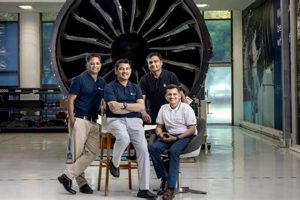
An engineering role vital to the design, development, and testing of aircraft, spacecraft, and related systems. This specialization focuses on the holistic integration of various components and subsystems to ensure optimal performance and reliability. As an example, consider the creation of a new satellite; specialists in this area are responsible for orchestrating the design of power, communication, propulsion, and control systems to function harmoniously.
The significance of this discipline lies in its ability to mitigate risks, reduce costs, and improve overall project success in complex engineering endeavors. Historically, its importance grew alongside the increasing complexity of air and space vehicles, evolving from a focus on individual components to a comprehensive, interdisciplinary approach. This approach ensures that complex projects meet stringent requirements and safety standards.
The following discussion will elaborate on the key responsibilities within this field, the necessary skills and qualifications, and the typical career paths for individuals pursuing this profession. Additionally, future trends and emerging technologies impacting this vital area of engineering will be examined.
Professional Guidance for Aspiring Practitioners
This section outlines essential guidance for individuals seeking a career in the integration of complex air and space systems. These points emphasize crucial skills and approaches for success in this demanding field.
Tip 1: Master Systems Thinking: Develop a thorough understanding of how individual components interact within a larger system. Consider the ripple effect of design changes on other subsystems.
Tip 2: Cultivate Interdisciplinary Knowledge: Acquire proficiency in various engineering disciplines, including mechanical, electrical, and software engineering. Success requires a broad understanding of these domains.
Tip 3: Embrace Rigorous Analysis: Prioritize thorough analysis techniques, such as Failure Mode and Effects Analysis (FMEA) and Monte Carlo simulations, to identify potential risks and vulnerabilities.
Tip 4: Enhance Communication Proficiency: Develop strong communication skills, both written and verbal, to effectively convey technical information to diverse teams and stakeholders.
Tip 5: Prioritize Requirements Management: Focus on the meticulous management of system requirements, ensuring traceability and adherence throughout the development lifecycle. This helps prevent costly errors and delays.
Tip 6: Seek Continuous Learning: Commit to continuous professional development by staying abreast of the latest advancements in aerospace technology and engineering methodologies. This is an ever-evolving field.
Tip 7: Gain Practical Experience: Seek opportunities to gain practical experience through internships, research projects, or entry-level positions. Hands-on experience is invaluable in this discipline.
These guidelines highlight the importance of a broad knowledge base, analytical rigor, and effective communication for success in the engineering of integrated airborne and spaceborne systems. Applying these principles will increase the likelihood of effective system design and implementation.
The following section will conclude this discussion with insights into the evolving landscape of this field, including future opportunities and challenges.
1. Integration
Integration, within the context of engineering for air and space, represents a core responsibility. It concerns the seamless fusion of diverse elements into a cohesive operational unit. This is critical to the successful functionality and overall performance of the sophisticated airborne and spaceborne systems that define the field. A lack of integration can be catastrophic.
- Component Harmonization
This aspect involves ensuring that all components, from sensors to actuators, operate in sync. For example, harmonizing the navigation system with the autopilot to maintain a precise flight path. Proper harmonization minimizes conflicts and maximizes system efficiency.
- Subsystem Interoperability
This focuses on the effective collaboration of different subsystems, such as communication, propulsion, and environmental control. The communication system may relay altitude data to the autopilot system, while in turn, the autopilot could regulate the engines. Interoperability ensures streamlined operations.
- Data Flow Management
This involves managing the flow of data between different parts of the system, maintaining data accuracy and avoiding bottlenecks. For example, ensuring real-time transfer of sensor data to the flight control system. Effective data management is critical for real-time decision-making.
- Interface Standardization
This relates to creating standardized interfaces for seamless communication between different systems. The universal serial bus (USB) is an interface standard that allows components to communicate. Standardization facilitates modularity and ease of maintenance.
These four elements illustrate the multifaceted nature of integrating complex components. Effective implementation demands a holistic approach, aligning individual components to work cohesively towards the overarching goal of reliable, high-performance aviation and spatial travel. The process ultimately ensures that design specifications are met during the design of vehicles and components.
2. Optimization
The pursuit of optimization is inextricably linked to the role. It represents a fundamental principle guiding the design and enhancement of complex systems within the aerospace domain. Optimization, in this context, involves iteratively refining designs to achieve peak performance, efficiency, and reliability while adhering to stringent constraints such as budget, weight, and safety regulations. One significant cause-and-effect relationship is observed: meticulous optimization efforts yield considerable benefits in terms of fuel consumption, payload capacity, and mission duration. Its importance resides in enabling the development of vehicles and spacecraft capable of meeting demanding operational requirements while remaining economically viable.
A prime example is the aerodynamic design of aircraft wings. Specialists in this area utilize computational fluid dynamics (CFD) simulations to optimize wing shapes, minimizing drag and maximizing lift. This optimization process contributes directly to improved fuel efficiency and enhanced aircraft performance. Another example is in the design of satellite communication systems, where optimizing signal transmission power and antenna design maximizes bandwidth and data transfer rates, ensuring reliable communication links. These optimization efforts typically involve trade-off studies, where performance improvements in one area may necessitate compromises in another, requiring a holistic approach.
In summary, optimization forms a cornerstone of the system lifecycle, significantly influencing the effectiveness and sustainability of engineered systems. Challenges often arise from the complexity of these interactions and the limitations imposed by available technologies and resources. By embracing a systematic and analytical approach to optimization, are able to navigate these challenges and deliver innovative solutions that advance the capabilities of air and space-based systems.
3. Verification
Verification, a critical element in the realm of integrated air and space infrastructure, directly relates to guaranteeing that systems meet specified requirements and performance standards. It is inextricably linked to the role in several key respects. A primary cause and effect relationship exists: rigorous verification processes mitigate risks associated with system failure, potentially preventing catastrophic events and ensuring mission success. The importance of verification stems from the inherent complexity and criticality of these advanced designs, where even minor deviations from intended behavior can have severe consequences.
Real-life examples illustrate this point vividly. Consider the development of a new flight control system for a commercial aircraft. Specialists are responsible for designing and executing a comprehensive verification plan, including simulations, hardware-in-the-loop testing, and flight tests. These tests verify that the system responds correctly to various inputs and environmental conditions, such as turbulence or engine failure. Similarly, in the development of a satellite, extensive testing is conducted to verify the functionality of its communication payload, power systems, and attitude control mechanisms. These verification activities ensure that the satellite can perform its intended mission once deployed in orbit.
In summary, verification stands as an indispensable activity undertaken. It is not merely a procedural step; it represents a fundamental pillar of responsible engineering practice, directly contributing to the safety, reliability, and overall success of air and space projects. Successfully integrating verification into the system lifecycle enables the mitigation of risks, the enhancement of performance, and the advancement of technological capabilities within this highly demanding field.
4. Requirements

The establishment and management of requirements form the cornerstone of activities, significantly influencing the design, development, and validation of vehicles and related systems. A thorough understanding of how requirements are defined, traced, and verified is essential for professionals in this field.
- Elicitation and Documentation
This process involves identifying and documenting the needs and expectations of stakeholders, including customers, regulatory agencies, and internal teams. For instance, during the development of a new aircraft, requirements must be gathered from airlines regarding passenger capacity, range, and fuel efficiency. These requirements are then meticulously documented in a formal specification. This step is crucial for ensuring that the design aligns with the intended use and operational environment.
- Analysis and Validation
Once elicited, requirements must undergo rigorous analysis to ensure clarity, consistency, and feasibility. This involves identifying potential conflicts or ambiguities and validating that the requirements are technically achievable within the project’s constraints. For example, a requirement for an exceptionally high cruise speed might conflict with fuel efficiency targets, necessitating a trade-off analysis. The analysis and validation phase is pivotal for establishing a solid foundation for subsequent design activities.
- Traceability and Management
Maintaining traceability of requirements throughout the entire system lifecycle is paramount. This means establishing clear links between high-level requirements and lower-level design elements, code modules, and test cases. A requirement management tool is often used to track these relationships and ensure that all requirements are properly addressed. For example, a requirement for a specific level of redundancy in the flight control system must be traced to the corresponding hardware and software components that implement that redundancy. Effective traceability enables impact analysis and facilitates verification activities.
- Verification and Compliance
The ultimate goal of requirements management is to ensure that the final system meets all specified requirements. Verification activities, such as testing, simulation, and analysis, are conducted to demonstrate compliance. For example, a flight test program might be conducted to verify that an aircraft meets its performance requirements, such as takeoff distance and landing speed. Successful verification provides evidence that the system is fit for its intended purpose and complies with applicable regulations.
The effective management of requirements throughout the project lifecycle directly impacts the success of air and space projects. By rigorously eliciting, analyzing, tracing, and verifying requirements, practitioners in this field can mitigate risks, reduce costs, and ensure the delivery of high-quality, reliable systems.
5. Coordination

A central tenet of effective engineering for aerial and spatial systems revolves around meticulous coordination. The specialists responsible must orchestrate the efforts of diverse teams, each possessing unique expertise, to achieve a unified system design. Improper coordination presents a direct threat to project timelines, budgets, and overall system performance. The complexity inherent in aircraft and spacecraft development necessitates a high degree of collaboration and communication to prevent conflicts and ensure that all components function harmoniously.
Consider, for example, the integration of a new radar system into an existing military aircraft. The specialists must coordinate the activities of radar engineers, electrical engineers, software developers, and test pilots to ensure that the new system is properly integrated with the aircraft’s existing avionics and flight control systems. This requires establishing clear communication channels, defining roles and responsibilities, and resolving any technical conflicts that arise. Similarly, in the design of a satellite, coordination is essential to synchronize the efforts of engineers working on different subsystems, such as power, communication, and propulsion. Failure to effectively coordinate these efforts can result in integration problems, delays, and cost overruns. Furthermore, government agencies or safety and oversight organizations may be involved in coordination for regulation or safety purposes.
In summary, the capacity for effective coordination directly influences the success of any air or space program. By fostering collaboration, establishing clear lines of communication, and proactively resolving conflicts, specialists in this field can ensure that complex projects are delivered on time, within budget, and to the required performance standards. Without a strong emphasis on coordination, the likelihood of costly errors and project failures significantly increases.
6. Reliability
In the domain of integrated aerial and spatial vehicle architecture, reliability is paramount. It is a critical characteristic ensuring that systems perform their intended functions without failure under specified conditions for a defined period. Within the scope of these specialists’ responsibilities, reliability takes center stage, guiding decisions and shaping engineering processes to guarantee operational performance and safety.
- Failure Mode and Effects Analysis (FMEA)
FMEA is a systematic approach employed to identify potential failure modes in a system and analyze their effects. Specialists conduct FMEA to proactively mitigate risks and improve system robustness. For example, when designing a flight control system, potential failure modes, such as sensor malfunction or actuator failure, are identified. The effects of these failures on the aircraft’s behavior are then analyzed, and measures are implemented to prevent or mitigate these effects. FMEA is a critical tool for enhancing system reliability and ensuring safe operation.
- Redundancy and Fault Tolerance
Redundancy involves incorporating backup components or systems to ensure continued operation in the event of a failure. Fault tolerance, on the other hand, refers to the system’s ability to continue functioning despite the presence of faults. For instance, a commercial aircraft may have multiple hydraulic systems to control flight surfaces, providing redundancy in case one system fails. Specialists carefully design these redundant systems to minimize the probability of catastrophic failure. Redundancy and fault tolerance are essential for achieving high levels of reliability in aircraft and spacecraft.
- Reliability Testing and Qualification
Reliability testing involves subjecting systems to rigorous tests under various environmental conditions to identify potential weaknesses and ensure they meet specified reliability targets. Qualification testing, on the other hand, is performed to demonstrate that the system meets regulatory requirements and is suitable for its intended application. For example, satellite components undergo vibration, thermal vacuum, and radiation testing to simulate the harsh conditions of space. Specialists analyze the test data to identify any design flaws and make necessary improvements. Reliability testing and qualification are critical for validating system reliability and ensuring mission success.
- Maintainability and Supportability
Maintainability refers to the ease with which a system can be repaired or maintained, while supportability refers to the availability of resources, such as spare parts, tools, and trained personnel, to support the system throughout its lifecycle. Specialists consider maintainability and supportability during the design process to minimize downtime and reduce maintenance costs. For example, designing a system with modular components that can be easily replaced simplifies maintenance. Effective maintainability and supportability contribute significantly to the overall reliability and availability of complex air and space systems.
These facets underscore the multifaceted nature of reliability and highlight the crucial role specialists play in ensuring the performance and safety of air and space systems. From proactively identifying potential failure modes to incorporating redundancy and conducting rigorous testing, these professionals employ a range of techniques to mitigate risks and deliver reliable solutions that advance the capabilities of aerial and spatial systems.
Frequently Asked Questions
The following questions address common inquiries regarding the role within the air and space sectors. These answers offer insight into the demands, responsibilities, and skillsets associated with this career path.
Question 1: What distinguishes this type of engineer from other aerospace engineers?
This role emphasizes the holistic integration of systems. While other aerospace engineers may specialize in areas like aerodynamics or propulsion, professionals in this area focus on how these individual components interact to achieve overall system performance. These specialists are often cross-trained in multiple disciplines.
Question 2: What educational background is typically required for these positions?
A bachelor’s degree in an engineering discipline, such as aerospace, mechanical, or electrical engineering, is generally required. Many employers prefer candidates with a master’s degree, particularly for advanced roles or research-oriented positions. Coursework in systems engineering, control theory, and related fields is highly beneficial.
Question 3: What are the essential skills for this career path?
Critical skills include analytical thinking, problem-solving, communication, and project management. A thorough understanding of engineering principles, systems thinking, and requirements management is also essential. Furthermore, proficiency in relevant software tools, such as MATLAB and Simulink, is often expected.
Question 4: What industries commonly employ systems engineers with this background?
Common employers include aerospace manufacturers, defense contractors, government agencies (such as NASA and the Department of Defense), and research institutions. Opportunities may also exist in related industries, such as the automotive and energy sectors, where complex systems are prevalent.
Question 5: What are some typical career advancement opportunities?
Career advancement may involve taking on increasing levels of responsibility within project teams, such as becoming a lead or principal professional. Opportunities may also arise to move into management roles, overseeing engineering teams or departments. Some may transition into specialized areas, such as risk management or system architecture.
Question 6: What are some current challenges in this field?
Current challenges include managing the increasing complexity of systems, adapting to rapidly evolving technologies, and addressing cybersecurity threats. Furthermore, maintaining high levels of reliability and safety while reducing costs remains a persistent challenge.
This collection of FAQs provides a foundational understanding of the role, highlighting the multifaceted nature of the responsibilities and the diverse skillsets required for success.
The next section concludes this article with insights into the future trends shaping the evolving landscape of this vital engineering discipline.
Conclusion
The preceding discussion has illuminated the multifaceted nature of the “systems engineer aerospace” role, emphasizing the critical importance of integration, optimization, verification, requirements management, coordination, and reliability in the design and development of complex air and space systems. The skillset required extends beyond traditional engineering disciplines, demanding a comprehensive understanding of systems thinking, project management, and interdisciplinary collaboration.
As the aerospace industry continues to advance, driven by innovation in areas such as autonomous systems, electric propulsion, and space exploration, the demand for qualified individuals with expertise in these areas will only increase. A commitment to continuous learning and adaptation will be essential for those seeking to contribute to the future of air and space travel. The challenges are substantial, but the potential rewards for those who master this intricate and essential discipline are equally significant.