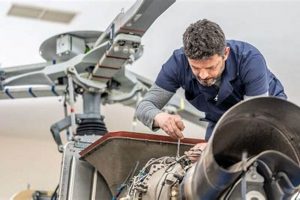
Individuals from various countries pursuing advanced education in the design, development, and testing of aircraft and spacecraft exemplify a specific demographic within higher education. These individuals often seek specialized knowledge and skills to contribute to the global aerospace sector. For example, a student from Germany studying at MIT to specialize in propulsion systems would fall under this category.
The presence of these students in academic institutions and the broader industry enhances innovation through diverse perspectives and skill sets. Their contributions often lead to advancements in technology, international collaborations, and a broader understanding of global aerospace challenges. Historically, the influx of international talent has played a critical role in shaping major milestones and breakthroughs in the field, fostering a more interconnected and competitive landscape.
The following sections will delve into the academic pathways, career opportunities, challenges faced, and support systems available to assist those choosing to study aerospace-related subjects outside of their home country, providing a detailed overview of their experiences and contributions.
The following guidelines are designed to assist those undertaking advanced education in aerospace engineering outside of their country of origin. Adherence to these points may improve the likelihood of academic success and professional integration.
Tip 1: Research Institutional Accreditation and Program Specifics: Ensure the chosen institution and program hold recognized accreditation and that the curriculum aligns with individual career aspirations. Verify course content, research opportunities, and faculty expertise before enrolling.
Tip 2: Develop Strong English Language Proficiency: Possessing excellent English language skills is crucial for academic success and effective communication within a globalized industry. Consider advanced language courses or immersion programs prior to commencing studies.
Tip 3: Secure Funding and Scholarship Opportunities: Aerospace engineering education can be expensive. Thoroughly research and apply for relevant scholarships, grants, and financial aid programs specifically designed for international students. Begin the application process well in advance of deadlines.
Tip 4: Build a Professional Network: Actively participate in industry conferences, student organizations, and networking events. Engage with professors, researchers, and industry professionals to build connections that may lead to future employment opportunities.
Tip 5: Understand Visa and Immigration Requirements: Familiarize oneself with the specific visa and immigration regulations of the host country. Seek guidance from the international student office at the university and adhere to all legal requirements to maintain valid student status.
Tip 6: Adapt to the Local Culture: Demonstrating respect for the host country’s culture and customs is vital for integration. Take the time to learn about local traditions and social norms to foster positive relationships with peers and faculty.
Tip 7: Leverage University Resources: Utilize the various resources offered by the university, such as academic advising, career services, and tutoring programs. These services are designed to support student success and well-being.
Adopting these strategies can enhance the academic experience, promote professional development, and facilitate a smoother transition into the global aerospace engineering community.
The subsequent discussion will explore common challenges faced and potential career pathways for those who have completed aerospace engineering studies abroad.
1. Academic Prerequisites

Academic prerequisites serve as the foundational criteria for international students seeking admission into aerospace engineering programs. These requirements, established by universities and governing accreditation bodies, ensure candidates possess the necessary knowledge and skills to succeed in a demanding field. Insufficient preparation in mathematics, physics, or related engineering disciplines can directly impede a student’s ability to comprehend complex aerospace concepts, leading to academic challenges and potential program failure. For example, an international applicant lacking a strong foundation in calculus and differential equations may struggle with courses in orbital mechanics and control systems, regardless of their aptitude in other areas. A well-prepared international student is more likely to perform well and graduate on time, contributing to a positive learning environment.
The evaluation of academic prerequisites often involves a rigorous review of transcripts, standardized test scores (such as the GRE), and letters of recommendation. Universities may also consider the reputation and grading system of the applicant’s previous institution. It is incumbent upon international students to thoroughly research the specific prerequisites of their target programs and proactively address any identified deficiencies through supplementary coursework or self-study. Failure to meet these prerequisites can result in denial of admission or placement into remedial courses, potentially delaying progress towards degree completion. The academic success of individuals hinges directly on satisfying program requirements.
In summary, academic prerequisites are essential gatekeepers for international students aspiring to excel in aerospace engineering. Meeting or exceeding these requirements not only improves an individual’s chances of admission but also sets the stage for a successful and rewarding academic journey. A comprehensive understanding of these prerequisites, coupled with proactive preparation, is crucial for international students seeking to contribute meaningfully to the global aerospace sector, including the area of future research.
2. Visa Requirements

Visa requirements represent a critical juncture for individuals from foreign nations aspiring to pursue aerospace engineering studies. These stipulations, mandated by the host country’s immigration laws, determine legal permission to enter, reside, and study within its borders. A failure to meet stringent visa criteria can effectively halt an individual’s academic progression, regardless of their qualifications or acceptance into a university program. For instance, a student admitted to a prestigious aerospace program in the United States may be unable to commence studies if their visa application is denied due to inadequate documentation or security concerns. The importance of visa compliance cannot be overstated, as it is foundational to the ability of aspiring aerospace engineers to access educational opportunities abroad.
The visa application process often entails providing extensive documentation, including academic transcripts, proof of financial resources, acceptance letters from educational institutions, and evidence of intent to return to their home country upon completion of studies. Additionally, applicants may be subject to interviews and background checks to assess their eligibility and security risk. The specific type of visa required varies depending on the country of origin, the duration of the study program, and the student’s intended activities. Navigating this complex system requires meticulous attention to detail and adherence to deadlines. Consider, for example, that delays in visa processing can result in missed enrollment deadlines and the deferral of academic studies for an entire year. The practical significance of understanding visa requirements extends beyond initial entry, as students must maintain compliance throughout their academic stay, potentially requiring extensions or modifications based on changing circumstances.
In conclusion, visa requirements are integral to the academic trajectory of prospective international students in aerospace engineering. These regulations, acting as both a gatekeeper and a set of ongoing obligations, can significantly influence the accessibility and continuity of their educational pursuits. Addressing these requirements proactively and with meticulous attention is essential for those seeking to contribute to the global advancement of aerospace technology. Students must be thorough for better preparation.
3. Financial Resources
The availability of adequate financial resources directly dictates the accessibility of aerospace engineering education for international students. These funds cover tuition fees, living expenses, health insurance, visa costs, and travel. Without sufficient financial backing, capable individuals may be unable to pursue advanced aerospace studies, limiting the diversity and talent pool within the field. For example, a highly qualified applicant from a developing nation, accepted into a prestigious aerospace program, might decline the offer due to an inability to secure the necessary funding. The financial burden often necessitates the pursuit of scholarships, grants, or loans, requiring extensive preparation and a competitive application process. The absence of these resources creates a significant barrier, preventing potential contributions to aerospace innovation and research.
Securing financial aid requires students to navigate complex application processes, often competing with both domestic and other international candidates. The availability of funding varies significantly depending on the student’s country of origin, academic merit, and the specific policies of the host institution. Furthermore, changes in currency exchange rates or unexpected economic downturns in the student’s home country can create unforeseen financial pressures, potentially jeopardizing their ability to continue their studies. Universities and governmental organizations often offer resources and support to assist international students in managing their finances, including workshops on budgeting and financial literacy. These programs aim to alleviate the financial stress that can negatively impact academic performance and overall well-being.
In conclusion, financial resources represent a critical determinant in the accessibility and success of international students pursuing aerospace engineering. Adequate financial planning and access to funding opportunities are essential for mitigating the barriers that might prevent talented individuals from contributing to the global advancement of aerospace technology. Understanding the financial landscape and securing the necessary resources are vital steps for these students to achieve their academic and professional goals, increasing the diversity and talent pool within the field and benefitting global aerospace.
4. Cultural Integration

Cultural integration significantly impacts international students in aerospace engineering. These individuals navigate a demanding academic discipline while simultaneously adapting to new cultural norms, social customs, and communication styles. The success of cultural integration affects their academic performance, social interactions, and overall well-being. Poor integration can lead to feelings of isolation, impacting study habits and collaborative project work, which are essential aspects of aerospace engineering education. Consider an example of an international student from a collectivist culture struggling to adapt to the individualistic learning environment of a Western university. This student might find it challenging to participate actively in class discussions or to assert their ideas in group projects, thus hindering their academic progress. Cultural integration, therefore, is not merely a social adjustment but a crucial component of academic success.
Effective cultural integration facilitates networking opportunities, mentorships, and access to professional development programs. Students who integrate well are more likely to build strong relationships with faculty, peers, and industry professionals, opening doors to internships, research collaborations, and job opportunities after graduation. For instance, an international student who embraces local cultural events and joins student organizations can expand their network and gain valuable insights into the aerospace industry within their host country. Conversely, students who remain isolated within their own cultural groups may miss out on these critical networking opportunities, limiting their career prospects. Institutions can support cultural integration through orientation programs, language courses, cultural exchange events, and mentorship programs designed to connect international students with domestic students and faculty.
In conclusion, cultural integration is a critical factor influencing the academic and professional trajectory of international students in aerospace engineering. Its impact extends beyond social adaptation, affecting academic performance, networking opportunities, and career prospects. Addressing the challenges of cultural integration through institutional support and proactive engagement is vital for fostering a diverse and inclusive environment that maximizes the potential of these talented individuals, ultimately contributing to advancements in the global aerospace sector. The practical significance of understanding the cultural aspect can’t be overemphasized for its positive effect.
5. Career Opportunities
Career opportunities represent a significant motivating factor for individuals pursuing aerospace engineering studies outside their home countries. The prospect of accessing advanced technologies, specialized expertise, and diverse professional networks in leading aerospace nations drives many to seek international education. The availability of attractive career paths post-graduation directly influences the decision to invest in an overseas aerospace engineering degree. For example, a student from India might choose to study at a university in the United States due to the perceived abundance of research and development positions within the American aerospace industry. The perceived link between international education and enhanced career prospects is a primary driver of this academic migration.
Successful integration into global aerospace employment, however, requires more than just technical expertise. Cultural adaptation, strong communication skills, and a willingness to work within international teams are equally crucial. International graduates often find themselves competing with domestic candidates, necessitating the demonstration of unique skills or perspectives. For instance, the ability to speak multiple languages or navigate international collaborations can be a valuable asset, particularly for roles involving global supply chains or international partnerships. Securing internships or co-op experiences during studies further enhances employability by providing practical experience and industry connections, aiding smooth transition into the professional world.
Ultimately, career opportunities are intrinsically linked to the educational choices of international aerospace engineering students. The promise of improved employment prospects serves as a significant incentive for undertaking studies abroad. While technical knowledge is foundational, success in the global aerospace workforce demands adaptability, intercultural competence, and a proactive approach to career development. Addressing these multifaceted challenges and leveraging the unique advantages of an international education are key to unlocking the full potential of career aspirations. The degree of understanding determines the trajectory of students.
6. Research Contributions

The research contributions of individuals pursuing aerospace engineering education outside of their native countries are a vital component of innovation and progress within the global aerospace sector. These contributions span diverse areas of research and development, reflecting the varied specializations and perspectives brought by this cohort.
- Advancement of Scientific Knowledge
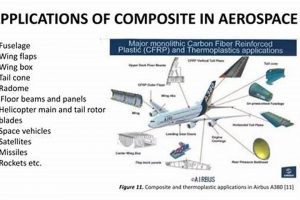
International students actively participate in cutting-edge research projects, contributing to the expansion of scientific knowledge in areas such as aerodynamics, propulsion, materials science, and space exploration. For example, a student from China researching advanced composite materials at a European university may develop novel techniques for enhancing the structural integrity of aircraft wings. This not only advances scientific understanding but also has practical applications in the design and manufacturing of aerospace vehicles.
- Development of Innovative Technologies
These students often play a key role in the development of innovative technologies that address critical challenges in the aerospace field. For instance, a student from Brazil working on autonomous navigation systems at an American university might create algorithms that improve the safety and efficiency of unmanned aerial vehicles. Such technological advancements have the potential to revolutionize various aspects of aerospace operations, from surveillance and reconnaissance to transportation and logistics.
- Cross-Cultural Collaboration and Knowledge Transfer
The participation of international students in research fosters cross-cultural collaboration and facilitates the transfer of knowledge between different countries and institutions. For example, a student from Russia collaborating with researchers from Japan on a joint project related to hypersonic flight may bring unique insights and perspectives that enrich the research process and lead to more comprehensive and effective solutions. This exchange of ideas and expertise strengthens international cooperation and promotes the sharing of best practices within the global aerospace community.
- Addressing Global Challenges
International students are actively involved in addressing global challenges related to aerospace engineering, such as climate change, air traffic congestion, and space debris. For example, a student from Nigeria researching sustainable aviation fuels at a Canadian university might develop biofuel alternatives that reduce the carbon footprint of air travel. This contributes to mitigating the environmental impact of the aviation industry and promoting sustainable development practices worldwide.
The research contributions of aerospace engineering international students extend beyond immediate academic achievements, significantly impacting the future trajectory of the field. Their work enriches the global research landscape, promotes innovation, and fosters collaboration, ultimately contributing to advancements that benefit society as a whole. These individuals, therefore, represent a crucial asset to the international aerospace community, driving progress and shaping the future of flight and space exploration.
Frequently Asked Questions
This section addresses common inquiries from individuals considering or currently undertaking aerospace engineering studies outside of their home country. The following information aims to provide clarity and guidance on various aspects of the international student experience within this field.
Question 1: What are the minimum academic qualifications necessary to gain admission into an aerospace engineering program as an international applicant?
Admission requirements typically include a strong academic record in mathematics, physics, and related sciences. Specific prerequisites vary by institution but often necessitate a bachelor’s degree in engineering or a closely related field. Standardized test scores, such as the GRE, may also be required. Applicants should consult the specific admission criteria outlined by their prospective university’s aerospace engineering department.
Question 2: What types of financial aid or scholarships are available to international students pursuing aerospace engineering degrees?
Financial aid options for international students are often limited but can include merit-based scholarships, research grants, and external funding from organizations supporting international education. Thorough research into university-specific scholarships and external funding opportunities is strongly recommended. Developing a comprehensive financial plan is essential due to the high cost of aerospace engineering education.
Question 3: What are the common visa requirements for international students studying aerospace engineering in countries like the United States, Canada, or the United Kingdom?
Visa requirements vary depending on the country of origin and the intended duration of study. Typically, a student visa (e.g., F-1 in the U.S., Tier 4 in the U.K., Study Permit in Canada) is required. Applicants must demonstrate acceptance into a recognized educational institution, sufficient financial resources, and intent to return to their home country upon completion of studies. Detailed information can be obtained from the respective country’s embassy or consulate.
Question 4: How can international students effectively integrate into the academic and social environment of an aerospace engineering program?
Active participation in academic activities, student organizations, and university-sponsored events can facilitate integration. Building relationships with faculty members and domestic students is also beneficial. Utilizing university resources such as language support and cultural exchange programs can further ease the transition.
Question 5: What career opportunities are typically available to international graduates of aerospace engineering programs, and are there any restrictions on employment?
Career opportunities can include roles in research and development, design engineering, manufacturing, and government agencies. Employment restrictions vary by country and visa status. Some countries may require sponsorship from an employer or have limitations on the types of employment available to international graduates. Consulting with the university’s career services and immigration advisors is advisable.
Question 6: What are some of the challenges faced by international aerospace engineering students, and how can they be overcome?
Common challenges include language barriers, cultural differences, financial constraints, and visa-related issues. Proactive preparation, seeking support from university resources, and building a strong network of peers and mentors can help mitigate these challenges. Effective time management and diligent academic effort are also crucial.
In summary, pursuing aerospace engineering studies abroad presents both opportunities and challenges. Thorough preparation, proactive engagement, and utilization of available resources are essential for a successful and rewarding experience.
The subsequent section will present concluding remarks, emphasizing the overall importance of international collaboration in the field of aerospace engineering.
Conclusion
This exploration of aerospace engineering international students has illuminated several critical facets of their academic and professional journeys. The preceding sections have detailed the necessary academic preparation, visa procurement procedures, financial resource considerations, challenges inherent in cultural integration, available career pathways, and the valuable research contributions made by individuals pursuing aerospace engineering education outside their countries of origin. The convergence of these factors shapes the experience and impacts the success of students as they navigate this demanding field.
The global aerospace sector benefits significantly from the presence and contributions of these students. As nations grapple with increasingly complex technological challenges and strive for collaborative advancements, fostering an environment conducive to the success of aerospace engineering international students remains paramount. Institutions, governments, and industries must continue to refine support mechanisms, address systemic barriers, and champion the inclusion of diverse perspectives. The future of aerospace innovation hinges, in part, on the sustained commitment to cultivate and empower the next generation of global aerospace engineers.