The pursuit of a career in aerospace engineering represents a commitment to designing, developing, and testing aircraft, spacecraft, satellites, and missiles. This field demands a strong foundation in mathematics, physics, and computer science, alongside creative problem-solving skills. Individuals drawn to this discipline often possess a deep fascination with flight, exploration, and the intricate workings of complex systems. A motivating factor for entering this profession frequently stems from a desire to contribute to technological advancements that push the boundaries of what is possible in the air and space.
This career path offers the potential to make significant contributions to national defense, scientific discovery, and commercial aviation. Opportunities extend beyond traditional aerospace companies to include government agencies, research institutions, and private sector firms focused on emerging technologies such as drone development and space tourism. The profession has a rich history of innovation, from the early pioneers of flight to the modern engineers who are designing the next generation of space exploration vehicles. The work is often intellectually stimulating and offers opportunities for continuous learning and professional growth. The impact of aerospace engineering extends far beyond the industry itself, influencing advancements in materials science, communications technology, and environmental sustainability.
The subsequent sections will explore the various facets of this profession, including the educational requirements, potential career paths, challenges, and rewards associated with building a career in this dynamic field. Furthermore, information on the skills needed for success and a realistic overview of the job market will be presented.
Prospective aerospace engineers can benefit from strategic planning and proactive skill development. The following tips provide guidance for those considering or pursuing this demanding yet rewarding career.
Tip 1: Solidify Foundational Knowledge: A strong understanding of mathematics, particularly calculus, differential equations, and linear algebra, is essential. Similarly, a firm grasp of physics principles, including mechanics, thermodynamics, and fluid dynamics, forms the basis for advanced aerospace engineering coursework. Invest time in mastering these core subjects.
Tip 2: Cultivate Programming Proficiency: Modern aerospace engineering relies heavily on computational tools for design, analysis, and simulation. Familiarity with programming languages such as MATLAB, Python, or C++ is highly advantageous. Seek opportunities to develop coding skills through coursework, online resources, or personal projects.
Tip 3: Seek Hands-on Experience: Theoretical knowledge is valuable, but practical experience is crucial. Explore internship opportunities at aerospace companies, research labs, or government agencies. Participation in student design competitions, such as those sponsored by AIAA or NASA, provides valuable hands-on experience in designing, building, and testing aerospace systems.
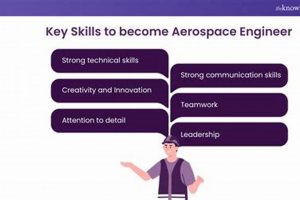
Tip 4: Develop Strong Communication Skills: Aerospace engineers must effectively communicate complex technical information to colleagues, clients, and stakeholders. Hone written and oral communication skills through coursework, presentations, and technical writing assignments. The ability to articulate ideas clearly and concisely is paramount.
Tip 5: Specialize Strategically: Aerospace engineering encompasses diverse specializations, including aerodynamics, propulsion, structures, control systems, and avionics. Research different areas of specialization and identify those that align with personal interests and career goals. Focused expertise enhances marketability and career advancement opportunities.
Tip 6: Network Professionally: Building a professional network is crucial for career success. Attend industry conferences, join professional organizations such as AIAA, and connect with aerospace engineers on platforms like LinkedIn. Networking provides access to job opportunities, mentorship, and valuable industry insights.
Tip 7: Stay Abreast of Technological Advancements: The aerospace industry is constantly evolving. Remain informed about the latest technological developments, emerging trends, and research breakthroughs. Subscribe to industry publications, attend webinars, and pursue continuing education opportunities to maintain a competitive edge.
By focusing on fundamental knowledge, practical experience, and professional development, aspiring aerospace engineers can significantly increase their chances of success in this challenging and innovative field.
The following sections will delve deeper into specific career paths, skills development strategies, and the current state of the aerospace engineering job market.
1. Innovation

Innovation serves as a central pillar for individuals considering a career in aerospace engineering. The field inherently demands creative problem-solving and the development of novel technologies, making it an attractive option for those driven by a desire to invent and improve.
- Conceptual Design and Novel Solutions
Aerospace engineers are frequently tasked with developing entirely new concepts for aircraft, spacecraft, and related systems. This requires a capacity for original thought and the ability to translate theoretical ideas into practical designs. For instance, the development of blended wing body aircraft represents a radical departure from traditional aircraft configurations, aimed at improving fuel efficiency and reducing noise pollution. Success in this area necessitates a commitment to exploring unconventional solutions.
- Materials Science and Advanced Composites
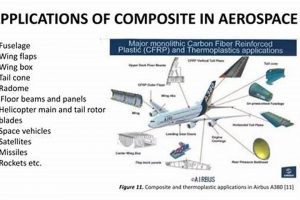
The aerospace industry continually pushes the boundaries of materials science, seeking lighter, stronger, and more heat-resistant materials for use in aircraft and spacecraft. Aerospace engineers play a crucial role in developing and implementing advanced composite materials, such as carbon fiber reinforced polymers, which offer significant weight savings and improved performance compared to traditional materials. This involves a deep understanding of material properties and manufacturing processes.
- Optimization and Efficiency Improvements
Innovation in aerospace engineering extends beyond groundbreaking inventions to encompass continuous improvements in existing technologies. Optimizing aerodynamic designs, enhancing propulsion system efficiency, and reducing structural weight are ongoing challenges that require innovative solutions. For example, the development of winglets on aircraft wings has significantly reduced drag and improved fuel efficiency, demonstrating the impact of incremental innovation.
- Sustainable Technologies and Environmental Responsibility
Growing concerns about environmental impact are driving innovation in the aerospace industry towards more sustainable technologies. Aerospace engineers are actively involved in developing alternative fuels, electric propulsion systems, and noise reduction technologies to minimize the environmental footprint of air travel. This requires a commitment to environmentally responsible design practices and a willingness to explore new and unconventional approaches.
The pursuit of innovation, whether through radical new designs or incremental improvements, stands as a significant motivator for aspiring aerospace engineers. The opportunity to contribute to advancements that shape the future of flight and space exploration is a compelling factor for individuals drawn to this challenging and rewarding field.
2. Contribution

The aspiration to make a tangible contribution to society frequently motivates individuals to pursue careers in aerospace engineering. This field offers avenues for positively impacting various aspects of life, from national security and scientific discovery to commercial transportation and technological progress. The desire to contribute transcends mere employment; it represents a commitment to applying engineering skills for the betterment of humankind. The design of more fuel-efficient aircraft, for instance, reduces environmental impact and lowers transportation costs. The development of advanced satellite systems enhances global communication and enables more accurate weather forecasting. These represent direct contributions to societal well-being.
The scope of contribution within aerospace engineering is diverse. Engineers may contribute by developing cutting-edge defense technologies that safeguard national interests. Others may focus on designing spacecraft and instruments that expand scientific understanding of the universe. Still others may dedicate their efforts to improving the safety and efficiency of commercial air travel, benefiting millions of passengers daily. Real-world examples abound: the engineers who designed the Mars rovers contributed directly to our knowledge of planetary science; those who developed GPS technology have revolutionized navigation and logistics. The unifying thread is a commitment to utilizing engineering expertise to address significant challenges and create positive change.
Understanding the role of contribution in motivating aspiring aerospace engineers is crucial for educational institutions and industry recruiters alike. Highlighting the opportunities to contribute meaningfully to society can attract talented individuals to the field. This understanding also underscores the ethical responsibilities inherent in aerospace engineering. Engineers must consider the potential impact of their work on the environment, national security, and societal well-being. By embracing a commitment to responsible innovation, aerospace engineers can ensure that their contributions truly benefit humanity.
3. Advancement
The potential for professional and technological advancement stands as a significant motivator for individuals considering a career in aerospace engineering. The field consistently pushes the boundaries of what is achievable, offering opportunities for engineers to contribute to groundbreaking developments and to ascend within a dynamic and challenging industry.
- Technological Frontier
Aerospace engineering exists at the forefront of technological innovation. Individuals drawn to this field often seek to be involved in developing and implementing cutting-edge technologies related to aircraft, spacecraft, propulsion systems, and materials. This involvement provides continuous learning opportunities and exposure to advancements that shape the future of air and space travel. Opportunities include designing hypersonic vehicles, developing advanced satellite communication systems, and creating new propulsion technologies.
- Specialized Expertise and Recognition
Aerospace engineering offers diverse specialization paths, enabling engineers to develop expertise in areas such as aerodynamics, propulsion, structures, or control systems. Achieving recognized expertise in a specialized area can lead to increased responsibility, leadership roles, and opportunities to contribute to critical projects. Specialized expertise may involve developing new algorithms for flight control systems or designing advanced composite materials for aircraft structures.
- Leadership and Management Roles
With experience and proven technical competence, aerospace engineers can advance into leadership and management positions within aerospace companies, government agencies, or research institutions. These roles involve overseeing engineering teams, managing complex projects, and making strategic decisions that shape the direction of aerospace programs. Engineers can move into project management roles for new aircraft development or lead teams responsible for designing and testing spacecraft components.
- Entrepreneurial Opportunities
The innovative nature of aerospace engineering fosters entrepreneurial opportunities for those with the vision and drive to create new products or services. Aerospace engineers may start their own companies focused on developing specialized technologies, providing consulting services, or manufacturing niche aerospace components. Entrepreneurial ventures may include developing drone-based solutions for infrastructure inspection or creating new software tools for aerospace design and analysis.
The promise of advancement, both in terms of technical expertise and career progression, remains a compelling reason for individuals to pursue aerospace engineering. The field offers a dynamic environment where engineers can continually learn, grow, and contribute to transformative advancements that shape the future of air and space exploration.
4. Exploration
The pursuit of exploration serves as a primary catalyst for many aspiring aerospace engineers. This motivation extends beyond mere curiosity, embodying a deep-seated desire to push the boundaries of human knowledge and access new frontiers. Exploration in this context encompasses both the physical exploration of space and the intellectual exploration of engineering possibilities.
- Space Exploration and Discovery
The allure of space exploration remains a significant draw for prospective aerospace engineers. The opportunity to design, develop, and operate spacecraft destined for other planets, moons, or distant celestial bodies presents an unparalleled challenge and a chance to contribute directly to scientific discovery. Examples include the design of robotic probes for Mars exploration or the development of propulsion systems for interstellar travel. This facet contributes to the “why” by allowing engineers to actively participate in expanding human understanding of the cosmos.
- Technological Exploration and Innovation
Exploration within aerospace engineering extends beyond the physical realm to encompass the investigation of new technologies and engineering approaches. Engineers are driven to explore novel materials, propulsion methods, and aerodynamic designs that can improve the performance, safety, and efficiency of aerospace systems. The development of hypersonic aircraft or the exploration of alternative fuel sources exemplifies this aspect. This intellectual exploration provides engineers the chance to shape the future of aerospace technology.
- Remote Sensing and Earth Observation
Exploration also involves the utilization of aerospace technology to observe and understand Earth. The design and operation of satellites for remote sensing, weather forecasting, and environmental monitoring provides valuable data for scientific research and societal benefit. Examples include the development of high-resolution imaging systems for monitoring deforestation or the creation of atmospheric sensors for tracking climate change. This form of exploration offers engineers the chance to contribute to a greater understanding of our own planet.
- Expanding the Limits of Flight
Exploration in aerospace also means continually pushing the limits of what is possible in flight. This includes designing aircraft that can fly faster, higher, and more efficiently than ever before. The development of advanced flight control systems, innovative wing designs, and novel propulsion technologies contribute to expanding the operational envelope of aircraft. Such exploration allows engineers to improve transportation and access to remote locations.
In conclusion, exploration in its various forms space, technological, environmental, and aeronautical serves as a powerful driver for individuals entering the field of aerospace engineering. The opportunity to contribute to expanding human knowledge, pushing technological boundaries, and improving the world through innovative aerospace solutions provides a compelling answer to the question of “why become an aerospace engineer.”
5. Problem-solving
Problem-solving constitutes a core function within aerospace engineering, influencing many to enter the field. The capacity to address complex technical challenges and devise innovative solutions is central to the profession. Consequently, a disposition toward problem-solving significantly shapes the decision to pursue aerospace engineering as a career path.
- System Optimization and Efficiency Improvement
Aerospace engineers frequently encounter challenges related to optimizing the performance of existing systems. This involves identifying inefficiencies, analyzing performance data, and implementing modifications to improve fuel economy, reduce noise pollution, or enhance structural integrity. For instance, redesigning wing profiles to minimize drag or optimizing engine combustion processes to increase thrust exemplify problem-solving within this domain. These efforts directly contribute to making aircraft and spacecraft more efficient and environmentally friendly, aligning with the broader objective of societal benefit.
- Failure Analysis and Risk Mitigation
A critical aspect of aerospace engineering involves identifying potential failure modes in complex systems and developing strategies to mitigate associated risks. This requires a thorough understanding of materials science, structural mechanics, and system dynamics. Investigating the causes of past aerospace accidents and implementing design changes to prevent future incidents represent examples of problem-solving in this context. These activities are paramount to ensuring the safety and reliability of air and space travel.
- Design Constraints and Trade-off Studies
Aerospace engineers often operate within stringent design constraints, including weight limitations, performance requirements, and budget limitations. Balancing these competing demands necessitates a rigorous problem-solving approach that involves conducting trade-off studies and evaluating different design options. Choosing the optimal materials for an aircraft structure to minimize weight while maintaining strength and durability exemplifies this type of challenge. Such decisions directly impact the overall performance and cost-effectiveness of aerospace systems.
- Developing Innovative Solutions to Unmet Needs
Aerospace engineering also involves addressing unmet needs by developing entirely new technologies and systems. This requires a creative problem-solving approach that involves identifying gaps in existing capabilities and devising innovative solutions to fill those gaps. Designing unmanned aerial vehicles for search and rescue operations or developing advanced propulsion systems for interstellar travel exemplify this type of endeavor. These activities expand the boundaries of what is possible in air and space travel, leading to advancements that benefit society as a whole.
In summary, the inherent demand for problem-solving within aerospace engineering attracts individuals with analytical minds, a passion for innovation, and a commitment to overcoming technical challenges. The opportunity to contribute to the safety, efficiency, and advancement of aerospace technology through effective problem-solving serves as a primary motivation for pursuing this career path.
6. Technological Impact

The prospect of generating significant technological impact strongly motivates individuals considering aerospace engineering. The field serves as a nexus for innovation, fostering the development of technologies that reverberate across numerous sectors, from transportation and communication to environmental monitoring and national security. The appeal lies in the tangible effect that engineering contributions have on shaping modern society and advancing technological frontiers. The desire to be at the forefront of progress, creating technologies that address critical needs and improve quality of life, constitutes a key rationale for choosing this demanding profession. The potential impact extends beyond individual projects, fostering a culture of continuous innovation that benefits society at large. For example, advancements in satellite technology, driven by aerospace engineers, have revolutionized global communication and enabled precise weather forecasting, affecting billions of lives daily.
The technological impact of aerospace engineering also translates into practical advancements in related fields. Research and development in areas like materials science, aerodynamics, and propulsion often yield spin-off technologies applicable to industries beyond aerospace. Lightweight composite materials developed for aircraft structures, for instance, find use in automobiles, sporting equipment, and medical devices. Similarly, advancements in propulsion systems have led to more efficient power generation technologies. This cross-pollination of knowledge and technology amplifies the impact of aerospace engineering, contributing to broader technological progress. Understanding this interconnectedness underscores the strategic importance of investing in aerospace engineering education and research.
In summary, the allure of technological impact serves as a significant driving force behind the decision to pursue aerospace engineering. The field offers a unique opportunity to contribute to advancements that improve lives, enhance national security, and expand human knowledge. Realizing this impact requires a commitment to continuous learning, innovation, and ethical practice. Addressing the challenges of sustainable aerospace development and ensuring equitable access to technological benefits remain crucial considerations for the future of the profession. These considerations will shape the direction of technological innovation and solidify the role of aerospace engineering in addressing global challenges.
Frequently Asked Questions Regarding a Career in Aerospace Engineering
The following addresses common inquiries and misconceptions regarding a career path in aerospace engineering. These responses aim to provide accurate and informative guidance for prospective engineers.
Question 1: Is a career in aerospace engineering exceedingly difficult?
The field demands a strong aptitude for mathematics, physics, and problem-solving. Rigorous academic training is required. However, with dedication and a solid work ethic, success is attainable. The difficulty is commensurate with the potential rewards and impact of the work.
Question 2: What is the typical salary range for aerospace engineers?
Salaries vary based on experience, education, specialization, and geographic location. Entry-level positions typically offer competitive salaries, with significant earning potential as experience accrues. Compensation reflects the specialized skills and knowledge required for the role.
Question 3: Are job opportunities in aerospace engineering limited?
The job market fluctuates based on economic conditions and government spending. However, the demand for aerospace engineers remains consistently strong due to ongoing advancements in aviation, space exploration, and defense technologies. Opportunities exist in both the public and private sectors.
Question 4: Does a career in aerospace engineering primarily involve working on rockets and spacecraft?
While space exploration is a significant aspect, aerospace engineering encompasses a broad range of activities. This includes designing and developing aircraft, helicopters, satellites, and missiles, as well as conducting research in areas such as aerodynamics, propulsion, and materials science.
Question 5: Is advanced mathematics essential for aerospace engineers?
A strong foundation in advanced mathematics, including calculus, differential equations, and linear algebra, is crucial for success in aerospace engineering. These mathematical tools are used extensively in design, analysis, and simulation.
Question 6: What are the most important skills for aerospace engineers to possess?
Beyond technical expertise, crucial skills include problem-solving, critical thinking, communication, teamwork, and project management. The ability to effectively collaborate and communicate complex technical information is paramount.
In summary, a career in aerospace engineering presents both challenges and opportunities. Success requires dedication, a strong academic foundation, and a commitment to continuous learning. The rewards include the satisfaction of contributing to groundbreaking technological advancements and shaping the future of air and space travel.
The following sections will provide further insight into strategies for career advancement and navigating the evolving landscape of the aerospace industry.
Why Become an Aerospace Engineer
The preceding exploration has illuminated diverse facets of “why become an aerospace engineer.” From the allure of technological innovation and contribution to societal advancement, to the drive for exploration and problem-solving, and the ambition to create lasting technological impact, the motivations are varied and compelling. The profession demands intellectual rigor and a commitment to continuous learning, but offers commensurate rewards in terms of career satisfaction and the opportunity to shape the future of air and space technology.
The decision to pursue this career path represents a commitment to pushing the boundaries of human knowledge and capability. Aspiring engineers must carefully consider their aptitudes, interests, and long-term goals. The aerospace field stands ready to welcome those who possess the requisite skills and dedication, offering a unique opportunity to contribute to a future shaped by ingenuity and innovation. The ongoing evolution of the industry necessitates a continuous adaptation and a forward-thinking mindset to ensure continued progress and success in this challenging and rewarding field.