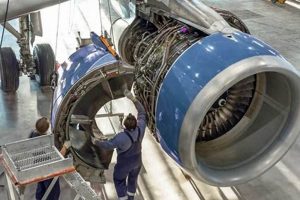
The core motivation for pursuing a career focused on designing, developing, testing, and maintaining aircraft and spacecraft stems from a potent combination of intellectual curiosity and a desire to contribute to technological advancement. This field encompasses a diverse range of disciplines, including aerodynamics, propulsion, structures, and control systems, requiring a strong foundation in mathematics, physics, and engineering principles. A driving factor is often a fascination with flight and space exploration coupled with the ambition to solve complex engineering problems.
The significance of contributing to the aerospace industry lies in its pivotal role in shaping transportation, communication, and scientific discovery. Advancements in aircraft design improve fuel efficiency, reduce emissions, and enhance passenger safety. Spacecraft development enables satellite technology for communication, navigation, weather forecasting, and earth observation. Furthermore, aerospace engineering innovations often translate into technological breakthroughs in other sectors, driving economic growth and societal progress. Historically, pivotal moments such as the Wright brothers’ first flight and the Apollo moon landing exemplify the transformative impact of aerospace engineering.
Central to an individual’s choice to specialize in this area are opportunities for innovation, intellectual stimulation, and tangible contributions to the future of aerospace technology. Specific aspects of aerospace engineering, such as propulsion system development or airframe design, may hold particular appeal, aligning with an individual’s skills and interests. Ultimately, the pursuit is driven by a commitment to pushing the boundaries of what is possible in the realms of air and space.
Guidance for Aspiring Aerospace Engineers
The following points serve as guidance for articulating professional aspirations within the aerospace engineering field. A clear and well-articulated understanding of motivations significantly impacts career progression and educational pursuits.
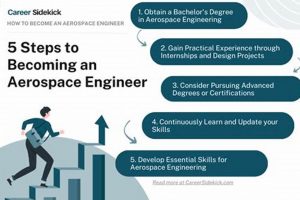
Tip 1: Emphasize Foundational Knowledge: Showcase a firm grasp of mathematics, physics, and core engineering principles. Provide examples of how this knowledge has been applied in relevant projects or coursework. Demonstrated proficiency in these areas establishes a solid base for further learning.
Tip 2: Highlight Relevant Experience: Detail any relevant experience, including internships, research projects, or participation in engineering clubs. Quantify contributions whenever possible. For example, state “Improved wind tunnel testing accuracy by 15% through implementation of a new data analysis technique.”
Tip 3: Demonstrate a Passion for Aerospace: Articulate a genuine interest in the aerospace industry, referencing specific areas of interest such as propulsion, aerodynamics, or spacecraft design. Referencing current events or historical milestones within the field further underscores this passion.
Tip 4: Illustrate Problem-Solving Abilities: Describe how analytical and problem-solving skills have been utilized to overcome challenges in engineering-related tasks. Provide concrete examples demonstrating the ability to analyze complex problems and develop effective solutions.
Tip 5: Express Long-Term Goals: Outline long-term career aspirations within the aerospace sector. Explain how further education or specific job roles align with these goals. Demonstrating a clear vision for the future provides evidence of commitment and ambition.
Tip 6: Research and Reference Specific Organizations: Show familiarity with the organization or educational institution to which one is applying. Tailor aspirations to align with their specific missions, research areas, or values. This demonstrates initiative and a genuine interest in their work.
Tip 7: Highlight Teamwork and Communication Skills: Emphasize the ability to collaborate effectively within a team and communicate technical information clearly and concisely. Aerospace engineering projects frequently require interdisciplinary collaboration, making these skills highly valued.
Articulating clear, informed, and substantiated aspirations improves prospects within this competitive field. Focus on demonstrable skills, genuine interest, and well-defined goals to convey the potential for success.
These considerations provide a framework for future discourse on career development within the aerospace engineering domain.
1. Innovation Catalyst

Aerospace engineering serves as a primary engine for technological advancement, attracting individuals driven by the prospect of groundbreaking innovation. The capacity to conceptualize and implement novel solutions within complex systems motivates many aspiring aerospace engineers. This innovative drive shapes their approach to problem-solving and significantly influences career trajectory.
- Conceptual Design and Development
Aerospace engineers are often at the forefront of designing and developing entirely new technologies, from advanced aircraft configurations to novel propulsion systems. Examples include blended wing body aircraft designs aimed at increased fuel efficiency and hypersonic vehicles capable of transcontinental flight in a matter of hours. The ability to contribute to these early-stage innovative concepts forms a significant aspect of professional aspiration.
- Materials Science and Engineering Applications
The aerospace sector demands materials that can withstand extreme temperatures, pressures, and stresses. This necessitates ongoing research and development in materials science, leading to the creation of advanced composites, alloys, and coatings. Engineers may aspire to innovate in this area, creating lighter, stronger, and more durable materials for aerospace applications, enabling further advancements in flight performance and safety.
- Software and Automation Integration
Modern aerospace systems rely heavily on sophisticated software and automation for flight control, navigation, and system management. Innovation in this area includes developing autonomous flight systems, advanced sensor technologies, and data analytics algorithms for predictive maintenance. Contributing to the development of these intelligent systems is a key motivator for many, as it allows for creating safer, more efficient, and more reliable aerospace operations.
- Sustainable Aerospace Technologies
Growing environmental concerns have spurred innovation in sustainable aerospace technologies, such as electric and hybrid-electric propulsion, alternative fuels, and noise reduction technologies. Engineers may be driven by the opportunity to develop environmentally friendly solutions that reduce the environmental impact of air travel and space exploration, contributing to a more sustainable future.
These facets of innovation, ranging from conceptual design to sustainability, directly influence individuals who choose aerospace engineering as a career path. The potential to drive technological advancements, solve complex engineering challenges, and contribute to a more sustainable future represents a powerful incentive to enter the field and actively shape its innovative trajectory.
2. Complex Problem-Solving

The pursuit of aerospace engineering as a profession is intrinsically linked to the appeal of complex problem-solving. Individuals attracted to this field often possess a natural aptitude for analytical thinking and a strong desire to tackle multifaceted challenges with significant real-world implications. Aerospace engineering presents a unique confluence of disciplines aerodynamics, propulsion, structures, and control systems each posing intricate problems requiring innovative solutions. This connection serves as a primary motivator for those seeking a career at the forefront of technological advancement.
The importance of complex problem-solving within aerospace engineering is underscored by the industry’s constant demand for enhanced performance, safety, and efficiency. Designing an aircraft wing that minimizes drag while maintaining structural integrity, developing a propulsion system capable of achieving greater fuel efficiency, or creating autonomous control systems for unmanned aerial vehicles are all examples of challenges requiring deep analytical skills and creative engineering solutions. The Apollo program exemplifies this connection; engineers had to overcome unprecedented technological obstacles related to propulsion, navigation, life support, and communication to achieve the goal of landing a human on the Moon. Each system required detailed analysis and novel solutions to function reliably in the harsh environment of space.
Ultimately, the desire to engage in complex problem-solving serves as a significant catalyst for choosing aerospace engineering. The field demands continuous learning and adaptation as new technologies emerge and challenges evolve. The ability to contribute to the resolution of these complex problems, whether in the design of more efficient aircraft or the development of advanced space exploration technologies, provides a sense of accomplishment and drives further innovation. Recognizing the centrality of problem-solving is essential for understanding the motivations behind pursuing this challenging yet rewarding career path.
3. Technological Advancement

The aspiration to contribute to technological advancement forms a central pillar supporting an individual’s desire to become an aerospace engineer. The field’s constant pursuit of innovation in aircraft and spacecraft design, propulsion systems, materials science, and space exploration fosters an environment where engineers actively shape the future. This drive to push the boundaries of what is possible serves as a powerful motivator, attracting individuals with a keen interest in science, technology, engineering, and mathematics (STEM) and a desire to leave a lasting impact on the world.
Technological advancement in aerospace manifests through numerous practical applications. Examples include the development of more fuel-efficient aircraft reducing carbon emissions, the creation of advanced satellite systems improving global communication and weather forecasting, and the exploration of Mars, seeking potential evidence of past or present life. These examples directly demonstrate the tangible contributions aerospace engineers make to societal progress. The practical significance lies in the continuous improvement of our quality of life, expansion of our scientific knowledge, and enhancement of our national security through aerospace innovations. Moreover, innovations often transfer to other sectors. For example, computational fluid dynamics developed for aircraft design has found applications in automotive engineering and weather forecasting.
The pursuit of technological advancement within aerospace engineering is not without its challenges. It demands a deep understanding of fundamental scientific principles, continuous learning to stay abreast of emerging technologies, and the ability to collaborate effectively with diverse teams. Despite these challenges, the potential to contribute to groundbreaking innovations and shape the future of air and space travel remains a compelling reason for individuals to pursue a career in aerospace engineering, solidifying its role as a driver of technological progress and a testament to human ingenuity.
4. Global Connectivity

The pursuit of aerospace engineering is often intertwined with a deep appreciation for global connectivity and its reliance on advancements within the field. The desire to facilitate communication, transportation, and collaboration across geographical boundaries frequently serves as a strong motivational factor.
- Satellite Communication Networks
Satellite technology is a cornerstone of modern global connectivity, enabling communication, navigation, and data transfer across vast distances. Aerospace engineers are instrumental in designing, developing, and deploying these satellite systems. The desire to contribute to reliable and accessible communication networks, bridging geographical divides, often serves as a key driver for aspiring aerospace engineers. Real-world examples include satellite-based internet services connecting remote communities and global positioning systems facilitating navigation for transportation and emergency services. Implications include the enhanced accessibility of information, improved disaster response capabilities, and increased opportunities for international collaboration.
- Air Transportation Systems
Air transportation plays a vital role in connecting people and economies worldwide. Aerospace engineers are essential in designing and improving aircraft and air traffic management systems. The desire to make air travel more efficient, safe, and accessible fuels innovation in areas such as aerodynamics, propulsion, and avionics. This encompasses designing fuel-efficient aircraft to reduce carbon emissions, optimizing flight routes to minimize travel times, and enhancing safety systems to prevent accidents. This contributes to reduced travel costs, enhanced trade, and increased cultural exchange.
- Remote Sensing Technologies
Aerospace engineers contribute to the development of remote sensing technologies used for monitoring environmental changes, tracking weather patterns, and managing natural resources. Satellite-based remote sensing systems provide valuable data for informed decision-making across various sectors. Aspiring engineers may be driven by the opportunity to contribute to global sustainability efforts and improve resource management through the design of advanced sensors and data processing algorithms. Examples include monitoring deforestation rates, tracking ice sheet melting, and assessing crop health for food security. This facilitates improved environmental protection measures, better disaster preparedness strategies, and more efficient resource allocation.
- International Collaboration in Space Exploration
Space exploration is increasingly characterized by international collaboration, with nations pooling resources and expertise to achieve ambitious goals. Aerospace engineers from different countries work together on projects such as the International Space Station and future missions to the Moon and Mars. The desire to contribute to this collaborative endeavor, fostering scientific discovery and technological innovation on a global scale, can motivate individuals to pursue a career in aerospace engineering. By working on international teams and contributing to shared goals, aspiring engineers can help advance human knowledge and promote cooperation across borders.
The connection between aerospace engineering and global connectivity is multifaceted, encompassing satellite communications, air transportation, remote sensing, and international collaboration. The desire to contribute to these areas, facilitating communication, transportation, environmental monitoring, and scientific exploration on a global scale, provides a powerful and compelling motivation for individuals to pursue a career in aerospace engineering.
5. Interdisciplinary Collaboration
The impetus for entering aerospace engineering is frequently linked to the understanding that this field inherently necessitates interdisciplinary collaboration. Aerospace projects, by their very nature, demand the integration of knowledge and expertise from diverse engineering disciplines, including mechanical, electrical, computer, and materials engineering, as well as scientific fields like physics and mathematics. The complexity of aerospace systems requires professionals capable of effective communication and teamwork across these specialties. The desire to participate in collaborative projects, where individual expertise contributes to a larger, more complex outcome, often motivates individuals to pursue aerospace engineering as a career path.
The importance of interdisciplinary collaboration within aerospace engineering is exemplified by the development of a modern aircraft. Mechanical engineers design the airframe and propulsion systems, while electrical engineers develop the avionics and electrical systems. Computer engineers create the flight control software, and materials engineers develop the lightweight, high-strength materials. Effective communication and coordination among these teams are essential for ensuring that all components integrate seamlessly and function as intended. The success of the entire project hinges on the ability of engineers from different disciplines to share their knowledge and work together towards a common goal. Another instance includes satellite development, which integrates expertise in telecommunications, power systems, and orbital mechanics.
The emphasis on interdisciplinary collaboration presents both opportunities and challenges for aspiring aerospace engineers. While teamwork and communication skills are essential for success, individuals must also possess a strong foundation in their specific area of expertise to effectively contribute to the team. The ability to understand and appreciate the perspectives of other disciplines is also crucial for navigating the complexities of collaborative projects. The recognition of interdisciplinary collaboration as a cornerstone of aerospace engineering provides a compelling incentive for those who value teamwork, communication, and the integration of diverse skill sets to achieve ambitious technological goals. Individuals seeking intellectually stimulating, team-oriented and challenging endeavors find this collaborative element particularly appealing, directly influencing their career aspirations in the aerospace sector.
6. Pushing Boundaries

The inherent desire to “push boundaries” serves as a significant catalyst in shaping the professional aspirations of prospective aerospace engineers. This motivation stems from the nature of the field itself, which consistently seeks to overcome limitations in flight, space exploration, and related technologies. The act of “pushing boundaries” is not merely a philosophical aspiration but a practical necessity driving advancements in performance, efficiency, and safety within aerospace applications. Real-world examples abound: from the development of hypersonic aircraft designed to traverse continents in a fraction of the time to the design of spacecraft capable of withstanding the extreme conditions of interplanetary travel. These endeavors highlight the critical role of aerospace engineers in exceeding previously established technological limits. The practical significance of this understanding lies in recognizing the proactive mindset required for success in the field. Those drawn to aerospace engineering often demonstrate a strong inclination to challenge conventional thinking, explore uncharted territories, and strive for innovation that transcends existing capabilities.
Further analysis reveals that the act of “pushing boundaries” within aerospace extends beyond merely improving existing technologies. It often involves pioneering entirely new approaches, materials, and systems. Consider the development of reusable rocket technology, which drastically reduces the cost of space access compared to traditional expendable launch vehicles. This innovation demanded overcoming significant engineering challenges related to thermal protection, structural integrity, and propulsion system reliability. Similarly, the pursuit of sustainable aviation fuels represents an effort to “push boundaries” by mitigating the environmental impact of air travel. Such endeavors require engineers to explore alternative energy sources, optimize combustion processes, and develop new engine designs. The ability to translate theoretical concepts into tangible advancements, capable of exceeding established limitations, underscores the commitment to continuous improvement characteristic of the aerospace engineering profession.
In conclusion, the connection between “pushing boundaries” and the motivation to become an aerospace engineer is fundamental. This aspiration arises from the inherent nature of the field, which constantly demands innovation to overcome limitations and achieve ambitious goals. The pursuit requires a proactive mindset, a willingness to challenge conventional thinking, and the ability to translate theoretical concepts into practical advancements. While challenges invariably accompany the pursuit of pushing boundaries, the potential to contribute to groundbreaking innovations and shape the future of air and space travel remains a compelling driving force for aspiring aerospace engineers. This commitment to advancement ensures the continued progress of the field and its significant contributions to society.
Frequently Asked Questions
This section addresses common inquiries related to the motivations, requirements, and implications of pursuing a career in aerospace engineering. The information provided aims to offer clarity and inform potential career choices.
Question 1: What fundamental skills are crucial for success in aerospace engineering?
Success in this field hinges on a solid foundation in mathematics, physics, and computer science. Strong analytical and problem-solving abilities are also essential. The capacity for critical thinking, attention to detail, and effective communication further enhances professional prospects.
Question 2: Is a graduate degree necessary to excel in aerospace engineering?
While entry-level positions may be accessible with a bachelor’s degree, a graduate degree often enhances career progression and specialized knowledge. Advanced degrees are frequently required for research-oriented roles and leadership positions within the industry.
Question 3: How does one gain relevant experience prior to entering the aerospace workforce?
Internships, research projects, and participation in engineering clubs or competitions provide valuable practical experience. Seeking opportunities to apply theoretical knowledge to real-world problems demonstrates initiative and enhances employability.
Question 4: What are the primary areas of specialization within aerospace engineering?
Aerodynamics, propulsion, structures, and control systems represent key areas of specialization. Individuals may also focus on specific types of aerospace vehicles, such as aircraft, spacecraft, or missiles. Cross-disciplinary specialization is also becoming increasingly relevant.
Question 5: What is the anticipated job outlook for aerospace engineers?
The demand for aerospace engineers fluctuates based on economic conditions and government spending on defense and space exploration. However, long-term prospects remain generally positive, driven by the ongoing need for innovation and advancement in the aerospace sector.
Question 6: What ethical considerations are paramount in aerospace engineering?
Safety, reliability, and environmental responsibility are paramount ethical considerations. Aerospace engineers bear a significant responsibility for ensuring the safety of passengers, the integrity of systems, and the sustainability of the aerospace industry. Upholding professional standards and adhering to ethical guidelines are integral to the practice.
In summary, aerospace engineering demands a rigorous skill set, often requires advanced education, offers diverse career paths, and necessitates a strong commitment to ethical conduct.
The subsequent section will explore the long-term impact of aerospace engineering on society.
Conclusion
This exploration has elucidated the core motivations driving individuals towards a career in aerospace engineering. Intellectual curiosity, a desire to solve complex problems, and a commitment to technological advancement are central. Contributing to global connectivity, fostering interdisciplinary collaboration, and pushing the boundaries of air and space travel further solidify the allure of this field. The required skill set encompasses a strong foundation in STEM disciplines, analytical acumen, and the ability to work effectively within diverse teams. While challenges exist, the potential for innovation and impact remains a primary draw.
The trajectory of aerospace engineering continues to shape the future of transportation, communication, and scientific discovery. Aspiring professionals who possess the requisite skills, passion, and ethical grounding will undoubtedly contribute to groundbreaking advancements. The field demands rigorous dedication, but the rewards, in terms of societal impact and personal fulfillment, are substantial. Future exploration and innovation are paramount, demanding a continued commitment to excellence from those who choose to dedicate their careers to aerospace engineering.