This role encompasses the application of engineering principles to the design, development, and testing of aircraft and spacecraft, often within a military or governmental context. Personnel fulfilling this function may be responsible for overseeing maintenance programs, managing projects related to flight systems, or contributing to research and development initiatives for advanced aerial technologies. An example is a commissioned member of a military branch who utilizes their technical expertise to ensure the operational readiness and safety of a fleet of fighter jets.
The significance of this specialized position lies in its direct impact on national security and technological advancement. Individuals in these roles contribute to maintaining air superiority, advancing space exploration, and ensuring the effective deployment of air assets. Historically, the need for trained professionals capable of managing complex aerospace systems has grown in parallel with advances in aviation and space technology, leading to specialized training programs and career paths.
The following discussion will elaborate on the specific responsibilities, required qualifications, and career progression opportunities associated with this profession, as well as the educational pathways leading to it. Furthermore, it will examine the impact of evolving technologies on the demands and skillsets required for successful performance within this field.
Guidance for Aspiring Aerospace Engineering Officers
The path to becoming a successful professional in this demanding field requires rigorous preparation and a commitment to continuous learning. The following insights offer guidance to those considering a career focused on the intersection of aerospace engineering and military service.
Tip 1: Cultivate a Strong Foundation in STEM Disciplines: A comprehensive understanding of mathematics, physics, and computer science is essential. Participate in relevant extracurricular activities and seek out advanced coursework to solidify knowledge in these core subjects. An example is advanced placement calculus and physics courses.
Tip 2: Pursue an ABET-Accredited Engineering Degree: Completion of a bachelor’s degree in aerospace engineering, or a closely related field, from an institution accredited by the Accreditation Board for Engineering and Technology (ABET) is generally required. This ensures a standardized level of competence and prepares individuals for the challenges of the profession.
Tip 3: Develop Leadership and Communication Skills: Success in a military context relies heavily on the ability to lead and communicate effectively. Participate in leadership development programs, seek opportunities to work in teams, and hone both written and oral communication skills. Active involvement in ROTC can be beneficial.
Tip 4: Seek Opportunities for Practical Experience: Internships or research experiences related to aerospace engineering are invaluable. These experiences provide practical application of theoretical knowledge and expose individuals to real-world challenges. Participation in university-sponsored aerospace projects is a good starting point.
Tip 5: Understand Military Requirements and Culture: Thoroughly research the specific requirements and expectations of the military branch of interest. Gain an understanding of military culture and the commitment required to serve. Consider speaking with current or former personnel in the field to gain first-hand insights.
Tip 6: Maintain Physical Fitness: Military service demands a high level of physical fitness. Maintain a regular exercise regimen and strive to meet or exceed the physical fitness standards required by the chosen branch of service. This demonstrates commitment and discipline.
Tip 7: Prioritize Security Clearance Requirements: A security clearance is typically required for positions involving sensitive information or access to restricted areas. Maintain a clean record and be prepared to undergo a thorough background check. Early awareness of security clearance procedures is advantageous.
Adhering to these principles will greatly enhance the prospects of aspiring professionals seeking to excel. A dedication to technical excellence, coupled with strong leadership qualities, is the hallmark of a successful career within this domain.
The ensuing sections will provide insights into the career trajectory, including advancement opportunities and specialized training, available to qualified individuals.
1. Technical Expertise

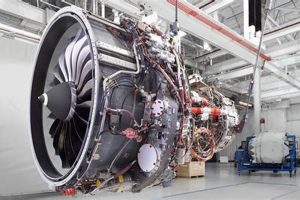
Technical expertise forms the bedrock of competence for an aerospace engineering officer. This proficiency directly influences the effectiveness with which such personnel can perform core duties. The possession of in-depth knowledge regarding aerodynamic principles, propulsion systems, structural mechanics, and avionics is not merely advantageous, it is a prerequisite for successful mission execution. The effects of insufficient technical grounding can range from inefficient resource allocation to catastrophic system failures. The importance of technical expertise as a component of this role cannot be overstated; without it, the capacity to diagnose, troubleshoot, and optimize complex aerospace systems is severely compromised. Real-life examples might include an officer tasked with evaluating the performance of a newly designed turbine engine, requiring a thorough understanding of thermodynamics and fluid dynamics, or another officer investigating a structural failure in an aircraft wing, necessitating expertise in materials science and stress analysis. The practical significance of this understanding is manifested in enhanced operational safety, improved system performance, and the ability to adapt to evolving technological landscapes.
Further analysis reveals the multifaceted nature of this expertise. It’s not sufficient to possess theoretical knowledge alone; a practical understanding of how these principles manifest in real-world applications is equally vital. For example, an officer might oversee maintenance protocols for a fleet of aircraft, requiring a granular comprehension of each system’s functionality and potential points of failure. Another application lies in the integration of new technologies into existing platforms. This demands a deep dive into the specifications of the new equipment, compatibility with existing systems, and potential impacts on overall performance. It is also used when an officer has to make a recommendation for a system upgrade that must fit the budget and technical needs of the end user.
In summary, technical expertise is not merely a desirable trait; it is the very foundation upon which the effectiveness and reliability of the personnel performing this vital function are built. Challenges include the need for continuous professional development to keep pace with rapidly evolving technologies and the ability to apply theoretical knowledge to practical, real-world problems. Proficiency in this area is inextricably linked to the successful operation and maintenance of complex aerospace systems, thereby ensuring the safety and efficacy of critical military and civilian assets.
2. Leadership Skills

The effectiveness of an aerospace engineering officer is inextricably linked to their capacity to lead. This connection stems from the multifaceted responsibilities inherent in the role, which often necessitate the coordination of diverse teams, the management of complex projects, and the implementation of strategic decisions. The direct cause-and-effect relationship between strong leadership and successful outcomes is readily apparent. For instance, an officer tasked with overseeing the development of a new aircraft component must effectively guide a team of engineers, technicians, and support staff to ensure that the project adheres to timelines, budgetary constraints, and performance specifications. Weak leadership can result in miscommunication, decreased morale, and ultimately, project failure.
Leadership Skills encompass a spectrum of capabilities, including effective communication, delegation, decision-making, and conflict resolution. In a military context, an officer must be able to articulate clear objectives, inspire confidence in their team, and make decisive judgments under pressure. Real-life examples might include an officer leading a team of engineers in troubleshooting a critical system malfunction on a deployed aircraft, or another officer presenting a strategic plan to senior leadership for the modernization of an aging fleet. The practical significance of this understanding is manifested in improved team performance, enhanced operational efficiency, and the ability to adapt to unexpected challenges. Consider the case of an officer leading a team during a crisis; their ability to remain calm, assess the situation, and provide clear directives is often the determining factor in achieving a positive outcome.
In summary, leadership skills are not merely a desirable attribute for an aerospace engineering officer; they are an essential component of effective performance. Challenges include the need to develop and refine these skills through ongoing training and experience, as well as the ability to adapt leadership styles to different situations and personalities. The capacity to lead effectively is inextricably linked to the successful operation and maintenance of complex aerospace systems, ensuring the safety and efficacy of critical military and civilian assets.
3. Project Management
Effective execution of duties by an aerospace engineering officer depends heavily on adept project management skills. This connection is based on the reality that many responsibilities within this role involve managing complex projects, from design and development initiatives to maintenance overhauls and system upgrades. The success of these projects directly affects the operational readiness, safety, and technological advancement of aerospace assets. Project management proficiency ensures that projects are completed on time, within budget, and according to specified performance criteria. For instance, an officer managing the development of a new unmanned aerial vehicle (UAV) must oversee all aspects of the project, including design, testing, manufacturing, and deployment, while adhering to strict timelines and budgetary constraints. Failure to manage the project effectively can lead to delays, cost overruns, and compromised performance.
Project management encompasses a variety of essential competencies. These include planning, scheduling, resource allocation, risk management, and communication. An officer must be able to define project scope, develop realistic timelines, allocate resources efficiently, identify and mitigate potential risks, and communicate effectively with stakeholders. A practical application might involve the implementation of a new maintenance program for a fleet of aircraft. The officer would be responsible for developing a detailed plan, scheduling maintenance activities, allocating resources (personnel, equipment, spare parts), identifying and mitigating potential risks (e.g., equipment downtime, personnel shortages), and communicating progress to senior leadership. Similarly, project management is crucial for upgrades. Consider that the officer has to work with the supplier with respect to the upgrade time and schedule. He also need to communicate with the maintenance team to be on stand by.
In summary, project management skills are indispensable for an aerospace engineering officer. The ability to plan, organize, and execute complex projects effectively is critical to ensuring the safe and efficient operation of aerospace assets. Challenges involve the need to adapt to changing project requirements, manage diverse teams, and navigate complex regulatory environments. Project management proficiency is inextricably linked to the successful delivery of aerospace engineering projects, thereby contributing to national security, technological advancement, and operational effectiveness.
4. Systems Integration

The ability to perform effective systems integration is a critical competency for an aerospace engineering officer. This necessity stems from the complex nature of aerospace systems, which are composed of numerous interconnected components that must function seamlessly together. The officer’s role often involves overseeing the integration of new technologies, troubleshooting system malfunctions, and ensuring that all components operate in harmony.
- Component Compatibility Assurance
Ensuring compatibility between different components and subsystems is a primary responsibility. This involves verifying that each element functions as intended within the overall system architecture. An officer might oversee the integration of a new radar system into an existing aircraft, requiring them to verify that the radar communicates effectively with the aircraft’s avionics, navigation systems, and displays. The failure to ensure compatibility can lead to system malfunctions, reduced performance, or even safety hazards.
- Interoperability Testing and Validation
Thorough testing and validation are crucial steps in the systems integration process. This involves subjecting the integrated system to a range of tests to ensure that it performs as expected under various operating conditions. An officer might lead a team in conducting flight tests of a newly integrated avionics suite to verify its performance in different flight regimes and weather conditions. This process ensures that the system meets performance specifications and is safe for operational use.
- Troubleshooting and Problem Resolution
A significant aspect of systems integration involves identifying and resolving problems that arise during the integration process. This requires a deep understanding of the system architecture and the interactions between different components. An officer might be called upon to diagnose a malfunction in an integrated flight control system, requiring them to analyze data, conduct tests, and collaborate with engineers to identify and correct the root cause of the problem. This ensures that the system operates reliably and meets mission requirements.
- Configuration Management and Documentation
Maintaining accurate configuration management and documentation is essential for effective systems integration. This involves tracking all changes made to the system, documenting the system architecture, and maintaining records of all tests and analyses conducted. An officer might oversee the creation and maintenance of a configuration management system for a fleet of aircraft, ensuring that all modifications and upgrades are properly documented and tracked. This facilitates maintenance, troubleshooting, and future upgrades.
The proficiency with which an officer executes systems integration tasks directly influences the operational effectiveness and safety of aerospace assets. The ability to ensure compatibility, conduct thorough testing, resolve problems effectively, and maintain accurate documentation is paramount to successful mission accomplishment. Failure to address these aspects adequately can have severe consequences, ranging from reduced performance to catastrophic system failures.
5. Risk Assessment

The role necessitates a robust ability to conduct risk assessments. This capacity directly influences the safety, reliability, and operational effectiveness of aerospace systems. A methodical approach to identifying, evaluating, and mitigating potential hazards is paramount. The failure to adequately assess risks can lead to catastrophic consequences, including loss of life, equipment damage, and mission failure. For instance, an officer tasked with overseeing the launch of a satellite must rigorously assess the risks associated with each phase of the launch process, from pre-launch preparations to orbital insertion. This involves identifying potential hazards, such as component failures, weather conditions, and human error, and implementing mitigation strategies to minimize their impact.
Risk assessment requires a comprehensive understanding of aerospace systems, operational procedures, and regulatory requirements. It includes quantifying the likelihood and severity of potential hazards, implementing control measures to reduce risk, and continuously monitoring the effectiveness of those measures. A practical application involves the analysis of aircraft maintenance procedures. An officer must assess the risks associated with each maintenance task, such as working at heights, handling hazardous materials, and using specialized equipment. Control measures might include the use of personal protective equipment, the implementation of safety protocols, and the provision of specialized training. Similarly, risk assessment is important when the officer has to make a quick decision about rerouting a aircraft when there is a malfunction.
In summary, proficiency in risk assessment is essential for an aerospace engineering officer. The ability to identify, evaluate, and mitigate potential hazards is critical to ensuring the safe and effective operation of aerospace assets. Challenges include the need to adapt to changing operational environments, manage uncertainty, and communicate risk effectively to stakeholders. Skill in risk assessment is inextricably linked to the safe operation and maintenance of complex systems, thereby contributing to national security and operational success.
6. Regulatory Compliance
Adherence to regulatory frameworks is a paramount aspect of the responsibilities assumed by an aerospace engineering officer. The inherent complexities and potential hazards associated with aerospace operations necessitate strict adherence to established regulations and standards. This ensures safety, airworthiness, and operational effectiveness. An aerospace engineering officer functions as a key figure in navigating and enforcing these compliance measures.
- Airworthiness Directives (ADs) and Service Bulletins (SBs)
Compliance with Airworthiness Directives and Service Bulletins is a critical facet of ensuring aircraft safety. ADs are legally mandated instructions issued by regulatory agencies, such as the FAA or EASA, to address known unsafe conditions in aircraft, engines, or other components. SBs, while not always mandatory, provide recommendations from manufacturers for addressing potential issues or improving performance. An aerospace engineering officer is responsible for tracking, implementing, and documenting compliance with ADs and SBs, ensuring that all affected aircraft are brought into compliance within the specified timeframes. Failure to comply with these directives can lead to unsafe operating conditions and potential legal ramifications.
- Federal Aviation Regulations (FARs) and International Standards
Navigating and enforcing adherence to Federal Aviation Regulations and international standards, such as those established by the International Civil Aviation Organization (ICAO), represents a substantial responsibility. These regulations encompass a wide array of operational aspects, including aircraft design, maintenance procedures, flight operations, and personnel training. An aerospace engineering officer must possess a comprehensive understanding of applicable FARs and international standards and ensure that all activities within their purview comply with these requirements. This includes overseeing maintenance programs, conducting inspections, and implementing procedures to maintain regulatory compliance.
- Environmental Regulations
Compliance with environmental regulations, such as those related to emissions and noise pollution, is an increasingly important consideration within the aerospace industry. An aerospace engineering officer may be responsible for implementing strategies to minimize the environmental impact of aerospace operations, such as adopting fuel-efficient technologies, optimizing flight paths, and implementing noise reduction measures. This requires staying abreast of evolving environmental regulations and ensuring that all activities within their area of responsibility comply with these requirements.
- Safety Management Systems (SMS)
Implementing and maintaining effective Safety Management Systems is critical for promoting a culture of safety and preventing accidents. An SMS is a systematic approach to managing safety risks that encompasses hazard identification, risk assessment, and risk mitigation. An aerospace engineering officer may be responsible for developing, implementing, and overseeing an SMS within their organization, ensuring that all personnel are trained in safety procedures and that safety risks are effectively managed. This involves conducting regular safety audits, analyzing incident data, and implementing corrective actions to prevent future incidents.
The diverse facets of regulatory compliance illustrate the multifaceted responsibilities of an aerospace engineering officer. The proficiency with which these officers navigate and enforce regulations directly influences the safety, reliability, and sustainability of aerospace operations. Continuous training and proactive engagement with regulatory bodies are vital to maintaining effective compliance and upholding the highest standards of safety and operational integrity.
7. Continuous Improvement
Continuous improvement is inextricably linked to the duties of an aerospace engineering officer. This connection arises from the dynamic nature of aerospace technology and the constant need to enhance performance, safety, and efficiency. This officers role demands consistent evaluation of existing systems and processes to identify areas for enhancement. The systematic pursuit of improvement directly influences the operational readiness, cost-effectiveness, and overall capabilities of aerospace assets. For example, an officer responsible for aircraft maintenance may implement a continuous improvement program to reduce turnaround times, minimize downtime, and optimize resource utilization. The effectiveness of this program hinges on the officer’s ability to collect data, analyze trends, and implement changes based on empirical evidence.
The principles of continuous improvement, such as Plan-Do-Check-Act (PDCA) and Lean methodologies, provide a structured framework for identifying and implementing enhancements. An officer may use these tools to streamline maintenance procedures, optimize supply chain management, or improve training programs. Consider the scenario where an officer identifies a recurring issue with a specific aircraft component. Through root cause analysis and data-driven experimentation, the officer may implement a modified maintenance procedure that reduces the likelihood of the problem recurring. This not only enhances aircraft reliability but also reduces maintenance costs and improves operational readiness. Continuous improvement also applies to the development of new technologies. An aerospace engineering officer would have to constantly update their knowledge so that they are familiar with modern technologies. This helps to enhance productivity.
In summary, continuous improvement is not merely a desirable attribute but a core competency for an aerospace engineering officer. The proactive pursuit of optimization is essential for maintaining a competitive edge, ensuring safety, and maximizing the effectiveness of aerospace operations. Challenges include overcoming resistance to change, fostering a culture of continuous learning, and effectively measuring the impact of improvement initiatives. The ongoing commitment to enhancement ensures that aerospace systems remain at the forefront of technological advancement and operational excellence.
Frequently Asked Questions Regarding Aerospace Engineering Officer Roles
The following questions address common inquiries and misconceptions surrounding the position. These insights offer clarity on the qualifications, responsibilities, and career pathways associated with this profession.
Question 1: What are the primary responsibilities?
This function encompasses a broad spectrum of duties, including the design, development, testing, and maintenance of aerospace systems. Responsibilities extend to project management, systems integration, risk assessment, and regulatory compliance within a military or governmental context. Specific tasks may involve overseeing maintenance programs, managing research and development initiatives, or contributing to the operational readiness of flight systems.
Question 2: What educational qualifications are typically required?
A bachelor’s degree in aerospace engineering, or a closely related field, from an ABET-accredited institution is generally required. Graduate-level education may be necessary for specialized roles or research positions. Military service typically requires completion of officer training programs and adherence to specific entry requirements.
Question 3: What are the key skills necessary for success?
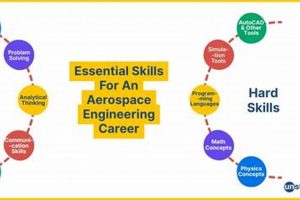
Technical expertise in aerospace engineering principles is paramount. Leadership skills, project management proficiency, systems integration capabilities, and the ability to conduct thorough risk assessments are also crucial. Effective communication, problem-solving, and decision-making skills are essential for navigating complex challenges.
Question 4: What career progression opportunities exist?
Career progression may involve advancement within a military or governmental hierarchy. Opportunities exist for specialization in specific areas of aerospace engineering, such as propulsion, avionics, or structural design. Leadership roles with increasing responsibility are also common career trajectories.
Question 5: How does this role contribute to national security?
Professionals directly contribute to national security by ensuring the operational readiness and technological superiority of aerospace assets. Contributions include the development of advanced defense systems, the maintenance of air superiority, and the support of space exploration initiatives. These activities directly impact national defense capabilities and technological competitiveness.
Question 6: What are the ethical considerations?
Ethical considerations are integral to the role. These include maintaining the highest standards of professional conduct, ensuring the safety and reliability of aerospace systems, and adhering to all applicable laws and regulations. The responsible development and deployment of aerospace technologies are paramount.
These FAQs provide a foundational understanding of the profession, highlighting key aspects. A commitment to continuous learning and adherence to ethical principles are essential for successful performance.
The discussion will transition to exploring emerging trends and future challenges within the aerospace engineering field.
Aerospace Engineering Officer
This exploration has highlighted the multifaceted responsibilities and critical skill sets demanded of an aerospace engineering officer. From design and development to regulatory compliance and continuous improvement, these professionals are integral to ensuring the safety, reliability, and effectiveness of aerospace systems. Technical expertise, leadership, and project management proficiency are not merely desirable attributes, but essential competencies for success in this demanding field. The role directly supports national security, technological advancement, and the operational capabilities of military and civilian aerospace assets.
The continued evolution of aerospace technology necessitates ongoing adaptation and a steadfast commitment to excellence. Individuals pursuing this career path must embrace lifelong learning and maintain a proactive approach to emerging challenges. The future of aerospace depends on the dedication and expertise of qualified aerospace engineering officers who are prepared to meet the demands of an ever-changing landscape and contribute to the advancement of this vital sector.