The stipulations for postgraduate study in the field encompassing the design, development, and testing of aircraft and spacecraft often include a bachelor’s degree in a related engineering discipline such as mechanical, electrical, or computer engineering. Successful applicants generally possess a strong foundation in mathematics, physics, and computer science, demonstrated through academic transcripts and standardized test scores. For instance, a typical applicant might hold a Bachelor of Science in Mechanical Engineering with a GPA above 3.5 and a competitive score on the Graduate Record Examinations (GRE).
Meeting these stipulations is crucial for individuals aspiring to leadership roles within the aerospace industry, academia, or governmental research agencies. Attaining advanced knowledge in areas such as aerodynamics, propulsion, and control systems provides graduates with enhanced career prospects and the opportunity to contribute to cutting-edge technological advancements. Historically, the evolution of space exploration and air travel has been driven by engineers with specialized postgraduate training, highlighting the value of advanced degrees in this sector.
This article will delve into specific academic prerequisites, standardized test expectations, application procedures, and common coursework encountered in advanced aerospace programs. Furthermore, it will explore funding opportunities, career paths post-graduation, and resources available to prospective students.
The pursuit of advanced qualifications in aerospace engineering necessitates careful planning and diligent execution. The following recommendations are intended to optimize the applicant’s preparation and enhance the likelihood of successful admission.
Tip 1: Solidify Foundational Knowledge: A robust comprehension of fundamental engineering principles, encompassing thermodynamics, fluid mechanics, and structural analysis, is paramount. Engage in advanced coursework and independent study to reinforce these concepts.
Tip 2: Cultivate Relevant Research Experience: Participation in undergraduate research projects related to aerospace disciplines demonstrates initiative and aptitude. Seek opportunities to contribute to ongoing research endeavors within university laboratories or industry internships.
Tip 3: Optimize Standardized Test Performance: The Graduate Record Examinations (GRE) often constitutes a significant component of the application evaluation. Devote sufficient time to preparation, utilizing practice tests and targeted study materials to maximize scores, particularly in the quantitative reasoning section.
Tip 4: Secure Strong Letters of Recommendation: Request letters from professors and mentors who can attest to the applicant’s academic abilities, research potential, and work ethic. Provide recommenders with ample time and detailed information regarding the programs to which application is being made.
Tip 5: Craft a Compelling Statement of Purpose: The statement of purpose should articulate the applicant’s specific research interests, career aspirations, and the reasons for pursuing advanced study at the chosen institution. Tailor the statement to each program, highlighting relevant experiences and demonstrating a clear understanding of the faculty’s research areas.
Tip 6: Target Appropriate Programs: Research universities and institutions that align with the applicant’s academic and professional goals. Consider factors such as faculty expertise, research facilities, program curriculum, and location when selecting potential graduate schools.
Tip 7: Documented Software Experience: Documented experience with simulation software is highly suggested. Having used softwares such as, but not limited to, MATLAB, Simulink, and CAD is essential.
Adherence to these guidelines can significantly increase the competitiveness of an application and pave the way for a successful trajectory in postgraduate aerospace studies. The acquisition of advanced knowledge and skills in this field offers substantial rewards and the opportunity to contribute meaningfully to the advancement of aerospace technology.
The subsequent sections of this article will elaborate on specific application procedures, funding opportunities, and career prospects associated with postgraduate aerospace engineering programs.
1. Academic Prerequisites

The stipulations concerning prior academic achievement form a critical component of the overall demands for master’s-level programs in aerospace engineering. These prerequisites establish a baseline of knowledge and skills necessary for successful engagement with advanced coursework and research.
- Bachelor’s Degree in a Related Field
Possession of a bachelor’s degree in a relevant engineering discipline, such as aerospace, mechanical, electrical, or computer engineering, is generally mandatory. The curriculum of the undergraduate program should provide a solid foundation in mathematics, physics, and engineering principles. For example, a student with a bachelor’s degree in physics may be considered if their coursework includes substantial exposure to relevant engineering topics and mathematics.
- Minimum GPA Requirement
Graduate programs typically impose a minimum grade point average (GPA) requirement, often ranging from 3.0 to 3.5 on a 4.0 scale. This threshold serves as an indicator of the applicant’s academic performance and preparedness for the rigors of graduate study. Exceptions may be made for applicants with compelling research experience or extenuating circumstances, though maintaining a competitive GPA significantly strengthens an application.
- Relevant Coursework
Specific courses, such as fluid mechanics, thermodynamics, control systems, and structural analysis, are considered essential preparation for advanced aerospace engineering studies. Proficiency in these areas allows students to readily comprehend and apply advanced concepts encountered in graduate-level courses. Applicants lacking sufficient coursework in these areas may be required to complete preparatory courses before full admission to the graduate program.
- Mathematical Proficiency
A strong command of mathematical concepts, including calculus, differential equations, linear algebra, and numerical methods, is indispensable. These mathematical tools are fundamental to modeling, analyzing, and solving complex engineering problems in aerospace applications. Many graduate programs require applicants to have completed specific mathematics courses or demonstrate proficiency through standardized test scores.
In totality, these academic benchmarks serve as crucial indicators of a student’s suitability for advanced work in this field. Meeting, and ideally exceeding, the stated prerequisites greatly enhances an applicant’s prospect for admission into competitive aerospace programs, and successful completion of the master’s degree, thereby laying the foundation for a career in aerospace engineering.
2. Research Experience

Engagement in research activities constitutes a substantive element within the totality of demands for admission to master’s programs in aerospace engineering. This facet serves as a demonstrable indicator of an applicant’s aptitude for critical thinking, problem-solving, and independent inquiry qualities deemed essential for success in advanced graduate study and subsequent professional endeavors. Active participation in research offers prospective students the opportunity to apply theoretical knowledge acquired through coursework to real-world engineering challenges, solidifying their comprehension of fundamental principles. For instance, an undergraduate student who contributes to a project involving the design and testing of a novel airfoil demonstrates a practical understanding of aerodynamics exceeding that gleaned solely from classroom lectures. This hands-on experience directly prepares the student for the research-intensive environment of a master’s program.
The significance of research participation extends beyond the acquisition of technical skills. Involvement in research cultivates essential professional competencies, including the ability to collaborate effectively with peers and faculty, communicate complex technical information clearly and concisely, and manage project timelines and resources efficiently. Furthermore, it provides opportunities to develop critical analysis skills, enabling individuals to evaluate the validity and reliability of experimental data and draw meaningful conclusions. A student who presents their research findings at a conference, for example, gains invaluable experience in public speaking and scientific discourse. These experiences are highly valued by graduate admissions committees and prospective employers alike, as they demonstrate an applicant’s readiness to contribute meaningfully to the aerospace engineering community.
In summary, research experience is not merely a supplemental addition to an applicant’s profile but a vital component demonstrating the practical application of knowledge, the capacity for independent thought, and the development of crucial professional skills. The presence of such experience strengthens an application significantly, indicating a higher potential for success in graduate-level study and beyond, reinforcing the integral connection to the master’s program admission requirements. The lack of research experience can represent a notable weakness, potentially offset by exceptional academic performance or relevant work experience, but its inclusion invariably enhances an applicant’s competitiveness.
3. Standardized Testing
Standardized testing, particularly the Graduate Record Examinations (GRE), often forms a component of the application demands for master’s programs in aerospace engineering. The rationale lies in providing a common metric for evaluating applicants from diverse undergraduate institutions with varying grading standards and curricula. High scores on the quantitative reasoning section of the GRE, for example, may indicate a candidate’s proficiency in mathematics, a skill crucial for success in the technically demanding coursework of an aerospace engineering program. Universities often establish minimum GRE score thresholds as part of their admission criteria.
The relative weight assigned to standardized test scores in the overall application evaluation process can vary significantly among institutions. Some universities may utilize GRE scores primarily as a screening tool, while others consider them in conjunction with other factors such as GPA, research experience, and letters of recommendation to form a more holistic assessment of an applicant’s potential. In some cases, applicants with substantial research experience or exceptional academic records may be granted waivers from the GRE requirement. However, in the absence of such mitigating factors, strong performance on standardized tests remains a tangible method for demonstrating competence and enhancing an application.
Despite ongoing debate regarding the predictive validity of standardized tests, their presence as a requirement persists at many graduate programs. Consequently, prospective aerospace engineering students should allocate sufficient time and resources to prepare for the GRE or other relevant standardized assessments. While exceptional scores cannot guarantee admission, inadequate performance can negatively impact an application. Understanding the role and importance of standardized testing within the broader context of application prerequisites is essential for maximizing an applicant’s chances of acceptance into a master’s program in aerospace engineering.
4. Application Materials

Application materials serve as the primary means by which prospective aerospace engineering graduate students communicate their qualifications and suitability for advanced study, and as such, form an indispensable part of the requirements for masters in aerospace engineering. These documents, including transcripts, letters of recommendation, statements of purpose, and resumes or curricula vitae, collectively offer admissions committees a comprehensive assessment of each candidate. Deficiencies or inadequacies in any of these materials can significantly hinder an applicant’s chances of acceptance, irrespective of otherwise strong academic credentials. For example, a high GPA combined with a poorly written statement of purpose that fails to articulate clear research interests and career goals may be viewed negatively, suggesting a lack of focus and preparedness for graduate-level work.
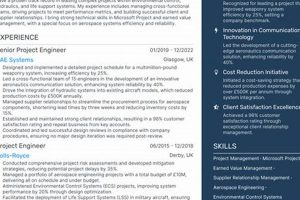
The connection between the application materials and the stipulations for master’s-level aerospace engineering programs is causal. Strong application materials, demonstrating a student’s academic preparedness, research experience, and professional aptitude, directly increase the likelihood of admission. Conversely, incomplete or substandard materials can lead to rejection, even when other stipulations are met. For example, letters of recommendation from faculty members who can attest to a student’s research capabilities and potential for success in graduate study carry significant weight. Similarly, a well-crafted resume highlighting relevant internships, research publications, and technical skills showcases an applicant’s practical experience and commitment to the field. The importance of these materials should not be understated; they act as both a reflection of past achievements and a projection of future potential.
In summary, application materials represent a critical component of the master’s program prerequisites, acting as a bridge between a candidate’s qualifications and the admissions committee’s assessment. Their careful preparation and thoughtful presentation can be the decisive factor in gaining acceptance to a competitive aerospace engineering program. Challenges in assembling strong application materials, such as securing compelling letters of recommendation or articulating clear research interests, can be addressed through proactive engagement with faculty, participation in research projects, and diligent self-reflection. The entire application package serves as an integrated representation of an individual’s potential for success in graduate study and future contributions to the field.
5. Funding Availability

The accessibility of financial resources significantly influences the feasibility and thus constitutes an implicit, yet crucial, aspect of the prerequisites for master’s-level study in aerospace engineering. While not directly listed as a formal demand, the presence or absence of funding opportunities often dictates whether a prospective student can realistically pursue and complete an advanced degree.
- Tuition Coverage and Stipends
Many universities offer full or partial tuition waivers coupled with stipends for living expenses to qualified graduate students. These funding packages are often tied to research or teaching assistantships, requiring students to contribute to ongoing research projects or assist in undergraduate instruction. The availability of such funding reduces the financial burden and increases the accessibility of master’s programs for academically strong candidates who might otherwise be unable to afford tuition and living costs. Securing this type of funding is a de facto requirement for many students.
- Fellowships and Grants
External fellowships and grants, awarded by government agencies, private foundations, and industry organizations, provide another avenue for funding graduate studies. Competitive fellowships, such as those offered by the National Science Foundation (NSF) or the Department of Defense (DoD), not only provide financial support but also enhance a student’s academic credentials and future career prospects. Successfully obtaining external funding demonstrates an applicant’s ability to compete for resources and conduct independent research, further reinforcing their preparedness for graduate-level work.
- Student Loans and Debt Management
For students who do not secure sufficient funding through scholarships, grants, or assistantships, student loans may be a necessary option. However, the accumulation of significant debt can impact future career choices and financial well-being. Understanding loan repayment options and practicing responsible debt management are essential considerations for those relying on student loans to finance their graduate education. The need to manage debt effectively introduces another layer of preparedness required for successfully navigating a master’s program.
- Industry Sponsorship and Employment Opportunities
Some aerospace companies offer tuition reimbursement programs or sponsor employees pursuing advanced degrees. These arrangements provide both financial support and practical work experience, allowing students to integrate their academic studies with real-world engineering applications. Employment opportunities within the aerospace industry during or after the completion of a master’s program can also help offset educational expenses and facilitate career advancement. Active engagement with industry can provide crucial financial assistance and valuable practical experience.
In conclusion, while not explicitly stated, financial resources act as a gating factor in the pursuit of advanced studies in aerospace engineering. The presence of available funding, whether through university support, external fellowships, or industry sponsorship, directly influences a student’s ability to meet the demands of a rigorous master’s program and ultimately contributes to their success in the field. An awareness and proactive pursuit of these opportunities become, therefore, an integral, albeit often unspoken, requirement for prospective students.
Frequently Asked Questions
The following questions and answers address common inquiries regarding the stipulations for pursuing advanced studies in aerospace engineering at the master’s level.
Question 1: Is a bachelor’s degree in aerospace engineering mandatory for admission to a master’s program?
While a bachelor’s degree in aerospace engineering provides a strong foundation, it is not always a strict requirement. Applicants with undergraduate degrees in related fields, such as mechanical, electrical, or computer engineering, may also be considered, provided they possess a strong academic record and relevant coursework.
Question 2: What is the typical GPA requirement for master’s programs in aerospace engineering?
Most programs require a minimum GPA of 3.0 on a 4.0 scale. However, competitive programs often seek applicants with GPAs of 3.5 or higher. A lower GPA may be offset by exceptional performance on standardized tests or significant research experience.
Question 3: Are GRE scores required for all master’s programs in aerospace engineering?
The GRE requirement varies among institutions. Some programs have eliminated the GRE requirement, while others still consider it a significant factor in the admissions process. It is essential to check the specific stipulations of each program to which application is being made.
Question 4: How important is research experience in the application process?
Research experience is highly valued by admissions committees. Participation in undergraduate research projects, internships, or independent research endeavors demonstrates an applicant’s aptitude for critical thinking, problem-solving, and independent inquiry.
Question 5: What should be included in the statement of purpose?
The statement of purpose should clearly articulate the applicant’s research interests, career aspirations, and reasons for pursuing a master’s degree at the chosen institution. It should also highlight relevant experiences and demonstrate a strong understanding of the faculty’s research areas.
Question 6: What funding opportunities are available for master’s students in aerospace engineering?
Funding opportunities include research assistantships, teaching assistantships, fellowships, grants, and student loans. Research and teaching assistantships are typically offered by the university, while fellowships and grants may be obtained from government agencies, private foundations, or industry organizations.
These FAQs address some of the most prevalent concerns regarding the demands for master’s-level study in aerospace engineering. Prospective students are encouraged to consult the specific requirements of each program to which they apply and seek guidance from academic advisors and faculty members.
The following section will explore career opportunities available to graduates holding a master’s degree in this engineering discipline.
Conclusion
This exploration of the “requirements for masters in aerospace engineering” has delineated the multifaceted demands inherent in pursuing advanced academic training within this field. From rigorous academic preparation and demonstrable research experience to satisfactory performance on standardized tests and the compilation of compelling application materials, prospective students must navigate a complex landscape of expectations. Furthermore, securing adequate funding remains a critical, albeit often unspoken, necessity for many.
Aspiring aerospace engineers must recognize that meeting these demands is not merely a prerequisite for admission but a foundational step toward a career characterized by innovation, leadership, and contribution to the advancement of aerospace technology. The challenge is significant; the rewards are substantial, offering the opportunity to shape the future of air and space travel, exploration, and defense.
![Best Aerospace Engineering Fundamentals Publisher [Guide] | Innovating the Future of Flight with Reliable Aviation Solutions](https://mixaerospace.com/wp-content/uploads/2026/05/th-229-300x200.jpg "Best Aerospace Engineering Fundamentals Publisher [Guide] Innovating the Future of Flight with Reliable Aviation Solutions")