Aeronautical engineering focuses on the design, development, and testing of aircraft that operate within Earth’s atmosphere. It encompasses areas such as aerodynamics, propulsion, aircraft structures, and control systems specific to atmospheric flight. For example, developing more fuel-efficient airplane wings or improving the maneuverability of fighter jets are typical aeronautical engineering projects.
Aerospace engineering broadens the scope to include the design, development, and testing of spacecraft, missiles, and other vehicles that operate both within and outside Earth’s atmosphere. This field builds upon aeronautical principles while incorporating considerations for space environments, such as vacuum conditions, radiation, and orbital mechanics. Its importance stems from enabling space exploration, satellite communication, and national defense capabilities, tracing its historical roots to early rocketry and the space race.
While there is considerable overlap, the distinction lies in the operational environment. Understanding this key difference clarifies the nuances of academic programs, career paths, and the specific skill sets required within each discipline.
Distinguishing Aerospace and Aeronautical Engineering
Navigating the fields of aerospace and aeronautical engineering requires careful consideration of their scope and focus. Understanding the nuances of each discipline is crucial for academic and professional pursuits.
Tip 1: Define Your Area of Interest: Determine whether your primary interest lies in atmospheric flight (aeronautical) or in space-based systems and extraterrestrial environments (aerospace). This foundational choice will guide subsequent educational and career decisions.
Tip 2: Evaluate Curriculum Differences: Compare the curricula of aerospace and aeronautical engineering programs. Aerospace programs typically include coursework in orbital mechanics, spacecraft design, and propulsion systems relevant to space travel, while aeronautical programs emphasize aerodynamics, aircraft structures, and flight control systems for atmospheric vehicles.
Tip 3: Research Career Paths: Explore the range of career options available in each field. Aeronautical engineers may work on designing commercial aircraft, improving fuel efficiency, or developing new air traffic control systems. Aerospace engineers might focus on satellite design, rocket propulsion, or developing technologies for space exploration.
Tip 4: Consider Industry Specialization: Identify specific industries that align with your career aspirations. The aerospace industry encompasses companies involved in space exploration, satellite communication, and defense systems, while the aeronautical industry focuses on commercial aviation, aircraft manufacturing, and air transportation.
Tip 5: Network with Professionals: Connect with engineers working in both aerospace and aeronautical fields. Attend industry conferences, join professional organizations (e.g., AIAA), and seek out mentorship opportunities to gain insights into the day-to-day realities of each profession.
Tip 6: Assess Required Skills: Evaluate the specific skills required for each discipline. Aerospace engineering demands proficiency in areas such as orbital mechanics, thermodynamics, and materials science for extreme environments. Aeronautical engineering emphasizes aerodynamics, structural analysis, and control systems for aircraft operating within Earth’s atmosphere.
A clear understanding of the scope, curriculum, career paths, and skills associated with each field will ensure informed decision-making and increase the likelihood of success in the chosen engineering discipline.
The subsequent sections will delve deeper into specific applications and emerging technologies within aerospace and aeronautical engineering.
1. Atmospheric flight

Atmospheric flight represents a core domain within aviation, exerting significant influence on distinguishing aeronautical from aerospace engineering. Its characteristics and challenges directly shape the focus and priorities of aeronautical engineering, while simultaneously informing specific considerations within the broader aerospace field.
- Aerodynamics and Lift Generation
Aerodynamics, the study of air in motion, forms the bedrock of atmospheric flight. Aeronautical engineers specialize in designing airfoils and wing structures that generate sufficient lift to overcome gravity, enabling aircraft to sustain flight. This contrasts with aerospace engineering, which, while still incorporating aerodynamic principles, also addresses propulsion and control in vacuum conditions where lift is not the primary mechanism for maintaining altitude or direction.
- Propulsion Systems Optimized for Air-Breathing Engines
Atmospheric flight heavily relies on air-breathing engines, such as jet engines and turboprops, which extract oxygen from the atmosphere for combustion. Aeronautical engineering emphasizes the design, optimization, and integration of these engines into aircraft to maximize efficiency and thrust within the atmospheric environment. Aerospace engineering, conversely, also considers rocket engines that carry their own oxidizer for operation in the oxygen-scarce environment of space.
- Material Selection and Structural Integrity within Atmospheric Conditions
Aircraft operating within the atmosphere are subject to specific stresses related to air pressure, temperature variations, and aerodynamic loads. Aeronautical engineers must select materials and design structures that can withstand these conditions while minimizing weight to improve fuel efficiency and performance. Aerospace engineering faces a broader spectrum of challenges, including the vacuum of space, extreme temperature fluctuations, and radiation exposure, influencing material choices beyond those solely dictated by atmospheric flight.
- Navigation and Control Systems Specific to Earth’s Atmosphere
Navigating and controlling aircraft within Earth’s atmosphere requires specialized systems that account for wind conditions, weather patterns, and air traffic control protocols. Aeronautical engineering focuses on developing and implementing these systems, including autopilot mechanisms, flight management systems, and communication technologies. While aerospace engineering also incorporates navigation and control, it extends to satellite positioning, orbital maneuvers, and remote control systems for spacecraft in environments beyond the atmosphere.
The unique demands of atmospheric flight drive the specific expertise of aeronautical engineers, contrasting with the broader considerations encompassed by aerospace engineering. Understanding these atmospheric-specific challenges is key to appreciating the distinction between these two interconnected yet distinct engineering fields.
2. Spacecraft Design
Spacecraft design represents a critical divergence point between aerospace and aeronautical engineering, highlighting the fundamental differences in their application and specialized knowledge. The design of spacecraft necessitates considerations beyond the scope of atmospheric flight, directly influencing the skill sets and expertise required in aerospace engineering.
- Orbital Mechanics and Trajectory Planning
Spacecraft design inherently requires expertise in orbital mechanics, including calculating trajectories, performing orbital maneuvers, and understanding the effects of gravitational forces from celestial bodies. This discipline is less emphasized in aeronautical engineering, which primarily deals with flight within Earth’s atmosphere, where orbital mechanics are not relevant. The ability to plan and execute orbital paths is paramount for spacecraft missions, distinguishing it as a core element of aerospace engineering.
- Environmental Control and Life Support Systems (ECLSS)
Designing spacecraft for human occupancy demands the integration of ECLSS to maintain habitable conditions within the harsh environment of space. These systems regulate temperature, pressure, air composition, and waste management, presenting unique engineering challenges absent in the design of aircraft. The inclusion of ECLSS is a defining characteristic of spacecraft design and a key differentiator between aerospace and aeronautical applications.
- Radiation Shielding and Protection
Spacecraft operating outside Earth’s atmosphere are exposed to high levels of radiation, necessitating the implementation of shielding measures to protect sensitive equipment and human crew members. Aerospace engineers must consider material properties, shielding configurations, and mission durations to mitigate the effects of radiation exposure. This concern is significantly less prevalent in aeronautical engineering, where atmospheric protection substantially reduces radiation exposure.
- Propulsion Systems for Vacuum Conditions
Spacecraft propulsion systems must function in the vacuum of space, requiring specialized designs that differ significantly from air-breathing engines used in aircraft. Rocket engines, ion thrusters, and other propulsion technologies are employed to generate thrust without relying on atmospheric oxygen. The design and optimization of these systems represent a core competency within aerospace engineering, setting it apart from aeronautical engineering’s focus on atmospheric propulsion.
These facets of spacecraft design collectively illustrate the specialized knowledge and skills required of aerospace engineers. While aeronautical engineering focuses on vehicles operating within Earth’s atmosphere, aerospace engineering extends to the complexities of space-based systems, necessitating expertise in orbital mechanics, life support, radiation protection, and vacuum propulsion. Understanding these distinctions clarifies the boundaries between these two related yet distinct engineering disciplines.
3. Environmental considerations

Environmental considerations represent a critical lens through which to examine the distinctions between aerospace and aeronautical engineering. Both disciplines impact the environment, but the nature and scale of these impacts differ significantly, shaping design priorities and engineering approaches.
- Atmospheric Emissions
Aeronautical engineering grapples directly with the environmental impact of atmospheric emissions from aircraft engines. Factors such as fuel efficiency, engine design, and alternative fuel sources are central to mitigating the release of greenhouse gases and other pollutants directly into the Earth’s atmosphere. This focus contrasts with aerospace engineering, where atmospheric emissions are a concern primarily during launch phases but less so during orbital operations.
- Noise Pollution
Aircraft noise significantly affects communities surrounding airports, making noise reduction a crucial aspect of aeronautical engineering. Strategies such as quieter engine designs, optimized flight paths, and noise-absorbing materials are employed to minimize the impact of air traffic on nearby populations. This concern is less pronounced in aerospace engineering, which focuses on spacecraft operating outside the Earth’s atmosphere.
- Space Debris
Aerospace engineering faces the unique environmental challenge of space debris, which poses a threat to operational satellites and future space missions. The accumulation of defunct satellites, rocket fragments, and other debris in orbit creates a hazardous environment requiring mitigation strategies such as debris removal technologies and responsible satellite disposal protocols. This consideration is not a significant factor in aeronautical engineering.
- Resource Depletion
Both aerospace and aeronautical engineering contribute to resource depletion through the use of materials and energy in vehicle manufacturing and operation. However, the specific materials and energy requirements differ between the two disciplines. Aeronautics focuses on minimizing fuel consumption in atmospheric flight, while aerospace also addresses the use of rare materials in spacecraft components and the energy-intensive processes involved in space launches.
These environmental considerations highlight the divergent priorities within aerospace and aeronautical engineering. While aeronautics emphasizes minimizing atmospheric pollution and noise, aerospace grapples with the challenges of space debris and resource management in the context of extraterrestrial activities. Understanding these environmental implications is crucial for developing sustainable practices within both fields.
4. Curriculum differences

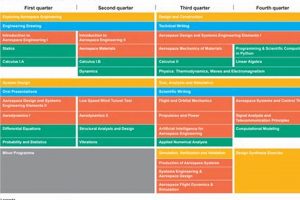
Curriculum differences serve as a primary indicator that aerospace engineering and aeronautical engineering, while related, are not identical. The specific subjects covered and the depth of study within each subject reflect the distinct operational environments and engineering challenges associated with each field. Core coursework in aeronautical engineering typically emphasizes aerodynamics, aircraft structures, propulsion systems optimized for atmospheric flight, and flight control systems designed for operation within the Earth’s atmosphere. This focus is driven by the need to design, analyze, and improve aircraft performance, stability, and safety in atmospheric conditions. A student pursuing aeronautical engineering may, for instance, spend considerable time studying boundary layer theory, wing design, and gas turbine engine performance. By contrast, aerospace engineering curricula encompass these aeronautical fundamentals but expand to include orbital mechanics, spacecraft design, rocket propulsion, space environment considerations (such as radiation shielding), and satellite communication systems. Aerospace engineering students, therefore, learn not only about aircraft but also about spacecraft, missiles, and other vehicles designed to operate beyond the Earth’s atmosphere. The inclusion of subjects such as astrodynamics and spacecraft thermal control directly distinguishes aerospace curricula and reflects the broader scope of the field.
The effect of these curriculum differences is evident in the specialized skill sets that graduates of each program possess. Aeronautical engineering graduates are typically well-prepared for careers in aircraft design and manufacturing, air traffic control, and aviation safety. They are equipped with the knowledge and skills necessary to address challenges related to fuel efficiency, noise reduction, and airframe integrity. Aerospace engineering graduates, on the other hand, are prepared for a wider range of careers, including those in the space industry, defense sector, and research institutions. They may work on designing satellites, developing rocket propulsion systems, or planning space missions. The curriculum differences directly correlate with these varying career paths. For example, a student aiming to work on the next generation of commercial airliners would typically pursue an aeronautical engineering degree, while a student interested in developing technologies for Mars exploration would likely choose aerospace engineering.
In summary, the curriculum differences between aerospace and aeronautical engineering are not merely semantic; they are substantive and reflect the distinct domains of practice for each field. These differences shape the educational experience, skill development, and career opportunities available to graduates. Recognizing the specific content and emphasis within each curriculum is crucial for students to make informed decisions about their academic and professional trajectories.
5. Career Specialization

Career specialization highlights that while both aerospace and aeronautical engineering share foundational principles, their distinct focuses lead to divergent professional paths. The precise nature of work varies significantly depending on the chosen specialization, effectively demonstrating that the two fields, although related, are not interchangeable. This divergence arises from the distinct challenges and requirements associated with atmospheric versus space-based operations.
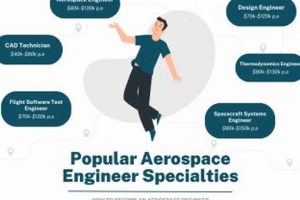
Aeronautical engineers often specialize in areas such as aerodynamics, propulsion systems, or aircraft structures, finding employment in commercial aviation, defense, and regulatory agencies. For example, an aeronautical engineer might focus on improving the fuel efficiency of commercial airliners or designing quieter aircraft engines to meet stringent noise regulations. Conversely, aerospace engineers might specialize in spacecraft design, satellite communication, or mission planning, leading to roles in space exploration companies, government space agencies, and satellite manufacturers. Consider an aerospace engineer who designs the thermal protection system for a spacecraft re-entering Earth’s atmosphere or one who develops the guidance, navigation, and control systems for a Mars rover. These specializations demonstrate the applied differences in education and practical experience.
The key insight is that career specialization illuminates the practical reality that aerospace and aeronautical engineering prepare individuals for different, albeit related, industries and roles. While a strong understanding of fundamental engineering principles is essential for both, the specific expertise and skills developed through specialization lead to distinct career trajectories. Recognizing this distinction is crucial for students and professionals to make informed decisions about their education and career goals, acknowledging the diverse pathways available within these engineering disciplines. Furthermore, failure to understand these career nuances can lead to misalignment between training and professional expectations, hindering career advancement and job satisfaction.
6. Propulsion systems
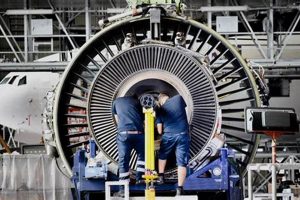
Propulsion systems represent a key differentiator when examining the scope of aerospace and aeronautical engineering. While both disciplines involve the study and application of propulsion, the specific types of systems, the environments in which they operate, and the performance characteristics they must exhibit diverge significantly. Aeronautical engineering predominantly focuses on air-breathing engines, such as turbojets, turbofans, and turboprops. These engines rely on atmospheric oxygen for combustion, rendering them suitable for powering aircraft within Earth’s atmosphere. Their design, optimization, and integration into aircraft structures are primary concerns for aeronautical engineers. For instance, the development of high-bypass turbofans for commercial airliners exemplifies the application of aeronautical engineering principles to achieve greater fuel efficiency and reduced emissions in atmospheric flight. In contrast, aerospace engineering encompasses a broader spectrum of propulsion systems, including rocket engines that carry their own oxidizer, enabling operation in the vacuum of space. The design of rocket engines, such as those used in the Space Shuttle or the Saturn V rocket, involves considerations of nozzle design, propellant management, and combustion stability under extreme conditions. Furthermore, aerospace engineers must also consider alternative propulsion methods such as ion thrusters and solar sails for long-duration space missions. Therefore, propulsion systems highlight a crucial distinction between the disciplines.
The performance requirements for propulsion systems also differ significantly between aeronautical and aerospace applications. Aeronautical engines must provide high thrust-to-weight ratios, fuel efficiency, and reliability for sustained atmospheric flight. Their performance is often evaluated in terms of specific fuel consumption and thrust lapse with altitude. Aerospace propulsion systems, on the other hand, prioritize high exhaust velocities, vacuum performance, and the ability to deliver precise thrust vectors for orbital maneuvers. For instance, the design of a rocket engine for a satellite launch requires careful consideration of specific impulse and thrust profile to achieve the desired orbital trajectory. Moreover, the environmental considerations for propulsion systems vary between the two fields. Aeronautics focuses on minimizing atmospheric emissions and noise pollution from air-breathing engines, while aerospace faces the challenge of managing propellant residuals and mitigating the impact of space debris from rocket stages. An aeronautical engineer, for example, could work on developing biofuels or hydrogen-powered engines to reduce the carbon footprint of air travel, while an aerospace engineer may design methods for de-orbiting satellites at the end of their operational life. These nuanced performance and environmental considerations associated with propulsion design highlight the significant differences between these two engineering disciplines.
In summary, the nature of propulsion systems provides a clear demarcation between aerospace and aeronautical engineering. While both fields involve the application of thermodynamic and fluid dynamic principles to generate thrust, the specific types of engines, the operational environments, the performance requirements, and the environmental constraints differ substantially. Aeronautical engineering concentrates on air-breathing engines optimized for atmospheric flight, while aerospace engineering encompasses a wider range of propulsion systems, including rockets and advanced technologies, designed for operation in the vacuum of space. Understanding these distinctions is crucial for students and professionals seeking to specialize in either field, as the knowledge and skills required for propulsion design and analysis vary significantly between the two disciplines. Therefore, when debating the similarities or differences between aerospace and aeronautical engineering, propulsion systems serve as a tangible example illustrating how specific focuses lead to significantly different engineering challenges and applications.
7. Overlapping principles
While distinctions between aerospace and aeronautical engineering exist, a substantial foundation of overlapping principles underscores their interconnectedness. These shared principles ensure that both disciplines draw from the same fundamental body of knowledge, even as they diverge in application and specialization.
- Fluid Dynamics
Both aerospace and aeronautical engineers rely heavily on fluid dynamics to understand and predict the behavior of air and other fluids. This includes studying airflow around airfoils, calculating lift and drag forces, and analyzing compressible and incompressible flows. The underlying equations and principles remain the same, regardless of whether the fluid is flowing around an aircraft wing or a rocket nozzle. Understanding fluid dynamics is essential for designing efficient and stable vehicles in both atmospheric and space environments.
- Thermodynamics
Thermodynamics plays a critical role in the design and analysis of propulsion systems, whether they are air-breathing engines or rocket engines. Both aerospace and aeronautical engineers apply thermodynamic principles to optimize engine performance, predict heat transfer, and ensure efficient energy conversion. The fundamental laws of thermodynamics govern the operation of all heat engines, regardless of their specific application in aviation or space exploration.
- Materials Science
The selection and application of materials are crucial in both aerospace and aeronautical engineering. Engineers in both fields must consider factors such as strength, weight, temperature resistance, and corrosion resistance when choosing materials for aircraft structures, spacecraft components, and engine parts. While the specific materials may differ depending on the application (e.g., titanium alloys for aircraft versus composite materials for spacecraft), the underlying principles of materials science remain the same.
- Control Systems
The design and implementation of control systems are essential for ensuring the stability and maneuverability of both aircraft and spacecraft. Both aerospace and aeronautical engineers utilize control theory to develop feedback systems that can automatically adjust control surfaces, engine thrust, and other parameters to maintain desired flight paths and orientations. While the specific control algorithms and sensors may differ depending on the vehicle and its environment, the fundamental principles of control engineering apply equally to both disciplines.
These overlapping principles highlight that aerospace and aeronautical engineering are not entirely separate fields. Rather, they represent different branches of the same engineering discipline, sharing a common foundation of scientific and engineering knowledge. The distinctions arise primarily in the application of these principles to specific operational environments and engineering challenges, rather than in the underlying scientific foundations themselves.
Frequently Asked Questions
This section addresses common inquiries regarding the distinctions and similarities between aerospace and aeronautical engineering, providing clarification on their respective focuses and applications.
Question 1: Are aerospace engineering and aeronautical engineering synonymous terms?
No, these terms are not interchangeable. Aeronautical engineering pertains specifically to the design, development, and analysis of aircraft operating within Earth’s atmosphere. Aerospace engineering encompasses a broader scope, including spacecraft, missiles, and other vehicles operating both within and beyond Earth’s atmosphere.
Question 2: Does a degree in aeronautical engineering limit career opportunities compared to an aerospace engineering degree?
A degree in aeronautical engineering typically prepares individuals for careers directly related to aircraft design, manufacturing, and maintenance. While some roles in the broader aerospace industry may be accessible, specialized knowledge in spacecraft systems or orbital mechanics, typically acquired through an aerospace engineering program, may be required for certain positions.
Question 3: Do aerospace engineering curricula include topics covered in aeronautical engineering programs?
Yes, aerospace engineering curricula generally include foundational coursework in aeronautical engineering, such as aerodynamics, aircraft structures, and propulsion. This provides a comprehensive understanding of flight principles before delving into the complexities of space-based systems.
Question 4: Is it possible to transition from a career in aeronautical engineering to a career in aerospace engineering?
Transitioning between these fields is possible, particularly with advanced education or specialized training. Aeronautical engineers seeking to enter the aerospace sector may benefit from pursuing graduate studies or obtaining certifications in areas such as orbital mechanics or spacecraft design.
Question 5: Do both aeronautical and aerospace engineers utilize the same fundamental engineering principles?
Yes, both disciplines rely on core engineering principles, including fluid dynamics, thermodynamics, materials science, and control systems. The primary difference lies in the application of these principles to specific engineering challenges and operational environments.
Question 6: How do environmental considerations differ between aeronautical and aerospace engineering?
Aeronautical engineering is heavily focused on mitigating atmospheric emissions and noise pollution from aircraft, while aerospace engineering addresses challenges such as space debris management and the environmental impact of rocket launches.
In summary, while aerospace and aeronautical engineering share a common foundation, their distinct focuses and applications lead to specialized knowledge and career paths. Understanding these nuances is essential for making informed decisions about academic and professional pursuits.
The subsequent section will provide a conclusion, summarizing the key distinctions and highlighting the interconnectedness of these two engineering disciplines.
Aerospace and Aeronautical Engineering
This exploration addressed the inquiry of whether aerospace engineering and aeronautical engineering are the same. Analysis reveals that while these disciplines share fundamental engineering principles, their focus diverges. Aeronautical engineering centers on aircraft operating within Earth’s atmosphere. Aerospace engineering broadens this scope to include spacecraft and vehicles functioning in space. Curriculum differences, career specializations, and environmental considerations further underscore their distinct nature.
Recognizing the nuanced differences between these fields is critical for informed academic and professional decision-making. A comprehensive understanding enables students and practitioners to effectively navigate their respective domains, contributing to advancements in both atmospheric and spacefaring technologies. The future of flight and space exploration relies on the continued development and specialization within each discipline, fostering innovation across the broader landscape of aerospace endeavors.