Career progression for individuals in the field of aerospace engineering typically involves increased responsibility, specialized skill development, and leadership roles. Such professional growth can manifest as promotions to senior engineering positions, project management roles, or specialized expert positions within a specific aerospace domain, such as propulsion systems or spacecraft design. For example, an entry-level aerospace engineer might initially focus on component design and testing before advancing to lead a team responsible for developing an entire aircraft wing.
The potential for career development is a significant factor for attracting and retaining talent within the aerospace sector. These opportunities contribute to employee satisfaction, increased innovation, and a more highly skilled workforce. Historically, the aerospace industry has fostered internal growth through mentorship programs, on-the-job training, and tuition reimbursement for advanced degrees, reflecting the importance of continuous learning in this rapidly evolving field.
The subsequent discussion will delve into specific avenues for professional development within aerospace engineering, including advanced education, specialization within niche areas, leadership roles, and entrepreneurial ventures. Furthermore, the role of professional certifications and ongoing skills development in facilitating career mobility will be examined.
Strategic Career Development Guidelines
The following recommendations offer insights into proactively managing career trajectory within the aerospace engineering field.
Tip 1: Pursue Advanced Education. A master’s degree or doctorate can provide specialized knowledge and research experience, opening doors to advanced engineering roles and leadership positions. Examples include specializing in areas like computational fluid dynamics or advanced materials.
Tip 2: Seek Professional Certifications. Obtaining certifications relevant to aerospace engineering, such as the Professional Engineer (PE) license, demonstrates competence and commitment to the profession, potentially increasing earning potential and career prospects.
Tip 3: Cultivate Technical Expertise in a Niche Area. Focusing on a specific area within aerospace, such as unmanned aerial vehicles (UAVs) or space mission design, allows for the development of deep knowledge and specialized skills, making one a highly sought-after expert.
Tip 4: Develop Strong Project Management Skills. The ability to manage complex projects, including budgeting, scheduling, and team leadership, is essential for career advancement in aerospace. Seek opportunities to lead projects or take project management courses.
Tip 5: Network Actively Within the Industry. Attending industry conferences, joining professional organizations (e.g., AIAA), and connecting with colleagues can provide valuable insights into career prospects and potential job openings.
Tip 6: Embrace Continuous Learning. The aerospace industry is constantly evolving; staying abreast of new technologies, materials, and design methodologies through continuing education and professional development courses is crucial.
Tip 7: Gain International Experience. Working on international projects or assignments can broaden perspectives and enhance adaptability, valuable traits in the global aerospace industry.
These strategies, when implemented thoughtfully, can significantly enhance prospects for professional growth and increased responsibilities in the field of aerospace engineering.
The concluding section will offer a broader perspective on the future of career development in aerospace and the importance of adapting to industry trends.
1. Advanced Education

Advanced education is a critical component of career progression for aerospace engineers. Pursuing advanced degrees, such as a Master’s or a Doctorate, provides specialized knowledge and skills that are highly valued in the industry. This specialized training often leads to opportunities for advancement into leadership roles, research positions, or specialized engineering roles within specific sub-disciplines. For instance, an engineer with a Master’s degree in aerospace structures might be better positioned to lead a team designing composite materials for aircraft, while a Ph.D. graduate could conduct research on advanced propulsion systems.
The cause-and-effect relationship between advanced education and career prospects is further reinforced by the evolving demands of the aerospace sector. As technology advances, so does the need for engineers who possess expertise in emerging areas like autonomous systems, space exploration, and sustainable aviation. Advanced degree programs equip engineers with the skills to tackle complex challenges, enhancing their competitive edge in the job market. Furthermore, many leadership positions and senior engineering roles within aerospace companies require or strongly prefer candidates with advanced degrees, underscoring the practical significance of this educational pathway.
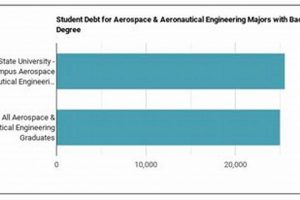
In conclusion, advanced education provides a clear pathway to increased opportunities and higher-level positions in the field of aerospace engineering. While practical experience remains important, advanced degrees are frequently a prerequisite for significant career advancement and specialization. Challenges might include the financial commitment and time investment required for advanced studies; however, the long-term benefits often outweigh these costs for those seeking to elevate their careers in this technically demanding field.
2. Technical Specialization

The acquisition of specialized technical skills serves as a fundamental driver of career progression for aerospace engineers. Focused expertise in a specific area, such as aerodynamics, propulsion, or control systems, elevates an engineer’s value to an organization. This specialized knowledge facilitates the engineer’s ability to contribute to complex projects, solve intricate problems, and develop innovative solutions, all of which are highly regarded for advancement. The cause-and-effect relationship is evident: deeper expertise results in more significant contributions, leading to increased recognition and promotion opportunities. For example, an aerospace engineer who specializes in composite materials may become a sought-after expert in designing lightweight and durable aircraft structures, directly influencing the performance and efficiency of new aircraft designs.
The practical significance of technical specialization is demonstrated in the industry’s demand for engineers with niche skills. Companies often seek engineers with expertise in areas like computational fluid dynamics (CFD) or autonomous flight control systems. The demand is often driven by technological advancements. An engineer with strong expertise in CFD might lead the optimization of aircraft wing designs, improving fuel efficiency and reducing drag. The depth of knowledge and proficiency developed through specialization empowers engineers to take on greater responsibilities, supervise specialized teams, and ultimately ascend to leadership positions within their respective domains.
In summation, technical specialization is not merely an enhancement to an aerospace engineer’s skill set; it is a catalyst for career development. Mastery of a specific technical area enhances an engineer’s ability to contribute meaningfully to projects, attracts recognition from employers, and ultimately unlocks doors to greater responsibilities and leadership roles. While the path to specialization may require dedicated effort and continuous learning, it represents a strategic investment in long-term career growth within the dynamic and technologically driven aerospace industry.
3. Leadership Roles

Attaining leadership positions within aerospace engineering firms or governmental agencies represents a significant culmination of professional development. These roles not only signify expertise and experience but also unlock further opportunities for influence and strategic decision-making within the industry.
- Project Management Leadership
Project management leadership involves overseeing complex engineering projects from inception to completion. This includes managing budgets, schedules, and technical resources, ensuring alignment with project goals and industry standards. For instance, leading the development of a new satellite system requires coordinating diverse teams of engineers, managing technical challenges, and adhering to strict deadlines and budgetary constraints. Successful project leadership positions engineers for higher management roles and expands their influence within the organization.
- Technical Team Leadership
Technical team leadership focuses on guiding and mentoring teams of engineers specializing in specific areas, such as aerodynamics, propulsion, or avionics. This role entails providing technical direction, fostering collaboration, and ensuring the team possesses the necessary skills and resources to achieve its objectives. Leading a team designing a new aircraft wing, for example, requires providing technical expertise, resolving conflicts, and fostering a culture of innovation. Effective technical team leadership enhances individual skillsets and fosters a high-performing work environment.
- Strategic Leadership
Strategic leadership involves formulating and implementing organizational strategies, setting long-term goals, and making critical decisions that shape the future of the company. This role requires a deep understanding of the aerospace industry, market trends, and technological advancements. A strategic leader might be responsible for deciding whether to invest in new technologies, expand into new markets, or form strategic partnerships. Strategic leadership demonstrates vision and contributes significantly to the organization’s long-term success.
- Research and Development Leadership
Leading research and development (R&D) efforts involves directing innovative projects that advance the state of aerospace technology. This role requires identifying promising research areas, securing funding, and managing teams of researchers. For example, leading an R&D team investigating advanced materials for spacecraft requires fostering creativity, managing risk, and ensuring the research aligns with the organization’s strategic goals. Successful R&D leadership enhances an organization’s competitive advantage and drives technological innovation.
In conclusion, leadership roles within aerospace engineering are multifaceted and require a combination of technical expertise, management skills, and strategic vision. Securing these positions represents a significant advancement in an aerospace engineer’s career, providing opportunities to influence the direction of the industry and contribute to groundbreaking innovations. These leadership roles, therefore, serve as key stepping stones toward even greater responsibilities and strategic influence within the field.
4. Project Management

Project Management skills are inextricably linked to career development within aerospace engineering. Proficiency in managing complex projects, budgets, and teams directly translates into increased opportunities for promotion and leadership roles. Successful project execution serves as a tangible demonstration of an engineer’s capabilities, leading to enhanced professional recognition and advancement. For example, an aerospace engineer effectively managing the development and launch of a satellite project showcases not only technical expertise but also organizational and leadership skills, making them a strong candidate for higher-level managerial positions. The ability to deliver projects on time and within budget is a crucial determinant of career trajectory, particularly in a field where projects are often large-scale, technically challenging, and highly regulated.
The practical significance of project management extends beyond individual project success. It significantly contributes to the overall performance and competitiveness of aerospace organizations. An engineer with strong project management abilities can streamline workflows, optimize resource allocation, and mitigate risks, leading to cost savings, improved efficiency, and enhanced product quality. Consider the development of a new aircraft: effective project management ensures that all phases, from design and prototyping to testing and certification, are coordinated seamlessly, minimizing delays and maximizing the likelihood of successful market entry. Furthermore, project management skills are increasingly vital in navigating the complexities of international collaborations and regulatory requirements, adding another layer of strategic value to an engineer’s skillset.
In conclusion, project management serves as a cornerstone for career development and advancement opportunities for aerospace engineers. Mastering project management principles and practices enhances technical capabilities and leadership potential, contributing to individual career success and organizational competitiveness. Challenges in acquiring and applying these skills, such as the need for continuous learning and adaptability, are offset by the substantial benefits they offer in a field characterized by innovation, complexity, and high-stakes projects. The link between project management and advancement is clear: superior project management skills invariably lead to increased career prospects and influence within the aerospace industry.
5. Entrepreneurial Ventures
Entrepreneurial ventures offer a distinct pathway for career progression in aerospace engineering, diverging from traditional corporate or governmental routes. This approach provides opportunities to leverage technical expertise, develop innovative solutions, and assume leadership roles that directly impact the direction of the industry.
- Creation of Niche Aerospace Solutions
Aerospace engineers can identify gaps in existing markets and develop specialized products or services. For instance, an engineer might establish a company focused on designing and manufacturing advanced sensors for unmanned aerial vehicles (UAVs), capitalizing on the growing demand for customized solutions in this sector. Success in this area requires a strong understanding of market needs and the ability to translate technical knowledge into commercially viable products. This activity also gives direct opportunities and hands-on experience for the entrepreneurial engineer.
- Development of Innovative Technologies
Entrepreneurial ventures enable engineers to pursue cutting-edge research and development projects that may not receive adequate attention within larger organizations. This could involve developing novel propulsion systems, advanced materials, or innovative software for aerospace applications. By securing funding through venture capital or government grants, engineers can transform their ideas into tangible prototypes and potentially disrupt established markets. This avenue not only stimulates innovation but also positions engineers as thought leaders in their respective fields.
- Consulting and Technical Services
Experienced aerospace engineers can establish consulting firms offering specialized expertise to companies and government agencies. These services might include providing technical analysis, conducting feasibility studies, or assisting with regulatory compliance. Consulting firms allow engineers to apply their knowledge to a diverse range of projects, build strong professional networks, and establish themselves as authorities in specific areas of aerospace engineering. Such opportunities create new relationships and provide valuable lessons for engineers.
- Commercialization of Space Technologies
With the increasing accessibility of space, entrepreneurial engineers can explore opportunities in areas such as space tourism, satellite services, or resource extraction. This involves developing innovative technologies and business models to capitalize on the growing commercial space sector. Examples include companies developing reusable spacecraft or providing data analytics services based on satellite imagery. Success in this domain requires a strong understanding of both engineering principles and business management.
Entrepreneurial ventures represent a viable and often rewarding path for aerospace engineers seeking to advance their careers and make a significant impact on the industry. By leveraging their technical expertise, embracing innovation, and assuming leadership roles, engineers can create new opportunities for themselves and contribute to the advancement of aerospace technology. Such activity creates the ideal environment for advancement opportunities that will shape the industry.
Frequently Asked Questions Regarding Career Progression in Aerospace Engineering
The following addresses common inquiries concerning professional growth and development for individuals working in the field of aerospace engineering. The information presented aims to provide clarity and guidance on pathways to career advancement.
Question 1: What educational qualifications are most beneficial for securing career advancement opportunities for aerospace engineers?
Advanced degrees, such as a Master’s or Ph.D., are generally advantageous. These qualifications often provide specialized knowledge in areas like aerodynamics, propulsion, or control systems, making individuals more competitive for advanced engineering and leadership positions. Furthermore, certifications such as the Professional Engineer (PE) license can enhance credibility and demonstrate competence.
Question 2: How important is technical specialization in facilitating career advancement for aerospace engineers?
Technical specialization is highly significant. Developing expertise in a specific area, such as composite materials, computational fluid dynamics, or autonomous systems, makes an engineer a valuable asset and opens doors to advanced roles in research, design, and development.
Question 3: What role does project management proficiency play in career advancement opportunities for aerospace engineers?
Strong project management skills are crucial. The ability to manage complex projects, budgets, and teams effectively demonstrates leadership potential and enhances prospects for promotion to managerial and executive positions.
Question 4: Are there specific leadership skills that aerospace engineers should cultivate to maximize their advancement potential?
Effective communication, strategic thinking, and team leadership are essential. The capacity to articulate technical concepts clearly, formulate strategic plans, and motivate teams are highly valued in leadership roles within aerospace organizations.
Question 5: How can aerospace engineers leverage entrepreneurial ventures to advance their careers?
Entrepreneurial ventures offer opportunities to develop innovative technologies, create niche products, and establish consulting firms. Success in these endeavors can lead to increased recognition, financial rewards, and the potential to shape the future of the aerospace industry.
Question 6: What strategies can aerospace engineers employ to stay abreast of industry trends and maintain a competitive edge?
Continuous learning is critical. Staying informed about new technologies, materials, and design methodologies through continuing education courses, industry conferences, and professional publications is essential for maintaining a competitive advantage and seizing emerging advancement opportunities.
In summary, a combination of advanced education, technical specialization, project management skills, leadership abilities, entrepreneurial spirit, and continuous learning are key determinants of career progression in aerospace engineering. These factors contribute to enhanced professional recognition and increased opportunities for advancement.
The following concluding section will offer final thoughts and a summary of the points discussed in the present discourse.
Conclusion
The preceding discussion has thoroughly explored the various facets of career advancement within the aerospace engineering profession. Key elements include advanced education, technical specialization, leadership development, project management proficiency, and entrepreneurial ventures. Each pathway presents unique opportunities for engineers to enhance their skills, expand their influence, and contribute to the advancement of the industry. A strategic and proactive approach to professional development, encompassing these elements, is essential for maximizing career potential.
The aerospace industry continues to evolve at a rapid pace, driven by technological innovation, global competition, and emerging markets. As such, aerospace engineers must remain adaptable, embrace continuous learning, and seek out opportunities to acquire new skills and expertise. The pursuit of these advancement opportunities for aerospace engineers is not merely a matter of personal ambition but a critical imperative for ensuring the continued success and competitiveness of the aerospace sector as a whole. It is, therefore, incumbent upon individuals and organizations alike to foster a culture that supports professional growth and invests in the development of future aerospace leaders.
![Is a Masters in Aerospace Engineering Worth It? [Guide] | Innovating the Future of Flight with Reliable Aviation Solutions](https://mixaerospace.com/wp-content/uploads/2026/05/th-66-300x200.jpg "Is a Masters in Aerospace Engineering Worth It? [Guide] Innovating the Future of Flight with Reliable Aviation Solutions")