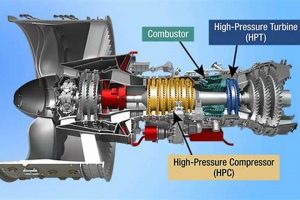
The discipline integrates principles from aeronautical and astronautical engineering with computer science and electrical engineering. It encompasses the design, development, and testing of computer systems and software crucial for aerospace vehicles and related technologies. Examples include flight control systems, navigation systems, communication systems, and simulation software used in aircraft, spacecraft, and satellites.
Its significance lies in its contribution to enhancing the safety, efficiency, and performance of air and space travel. Historically, advancements in this area have been integral to breakthroughs in aviation and space exploration, enabling more complex missions and improved operational capabilities. The field continues to be crucial for pushing the boundaries of what is possible in both atmospheric and extraterrestrial environments, leading to innovations in autonomous systems and data processing.
The following sections will delve into specific areas within this interdisciplinary field, exploring topics such as embedded systems design for harsh environments, real-time operating systems in aerospace applications, and the challenges of ensuring system reliability and security in critical aerospace infrastructure.
Considerations for Professionals in this Interdisciplinary Field
The following guidance outlines crucial aspects to consider for professionals dedicated to the advancement of computer systems and software within the aerospace domain.
Tip 1: Prioritize Rigorous Testing and Validation: Implement comprehensive testing methodologies to ensure system reliability and safety under extreme conditions. Simulation, hardware-in-the-loop testing, and flight testing are essential components of a robust validation process.
Tip 2: Emphasize Real-Time System Design: Focus on designing and implementing real-time operating systems capable of predictable and deterministic behavior. Meeting strict timing constraints is critical for flight control and other safety-critical applications.
Tip 3: Master Fault Tolerance and Redundancy Techniques: Develop systems with built-in fault tolerance mechanisms to mitigate the impact of hardware and software failures. Redundant architectures and error detection/correction schemes are vital for maintaining operational integrity.
Tip 4: Adhere to Stringent Safety Standards: Thoroughly understand and comply with relevant aerospace safety standards such as DO-178C (Software Considerations in Airborne Systems and Equipment Certification). Adherence to these standards is paramount for ensuring airworthiness.
Tip 5: Embrace Cybersecurity Best Practices: Integrate robust cybersecurity measures to protect against cyber threats that could compromise aerospace systems. Encryption, intrusion detection, and secure coding practices are essential safeguards.
Tip 6: Foster Interdisciplinary Collaboration: Cultivate strong collaboration skills to work effectively with engineers from diverse disciplines, including aerospace, electrical, and mechanical engineering. Effective communication is crucial for integrating computer systems into complex aerospace vehicles.
These considerations highlight the demanding nature of developing reliable and secure computer systems for aerospace applications. By focusing on testing, real-time performance, fault tolerance, safety standards, cybersecurity, and collaboration, professionals can contribute to the advancement of safe and efficient air and space travel.
The next section will summarize the critical components of this specialization, solidifying the understanding gained through the article.
1. Embedded Systems
Embedded systems form a cornerstone of computer engineering within the aerospace domain. These specialized computer systems, designed to perform dedicated functions, are integral components of aircraft, spacecraft, and satellites. Their operation is critical for controlling flight surfaces, managing engine performance, navigating through space, and processing sensor data. The stringent requirements of the aerospace environment, including extreme temperatures, vibration, and radiation exposure, necessitate robust and reliable embedded system designs. A failure in an embedded system can have catastrophic consequences, making rigorous testing and validation essential. For instance, the flight control systems in commercial airliners rely on multiple redundant embedded systems to ensure continued operation even in the event of hardware or software malfunctions.
The design of these systems involves considerations beyond typical consumer electronics. Power consumption must be carefully managed to extend mission duration, particularly in spacecraft and satellites. Real-time performance is paramount, as delays in processing critical data can lead to instability or loss of control. Furthermore, aerospace embedded systems often operate autonomously, requiring sophisticated algorithms for decision-making and error correction. The control systems used in unmanned aerial vehicles (UAVs), for example, depend on embedded processors to analyze sensor input and adjust flight parameters in response to changing conditions. The development and maintenance of embedded software adheres to strict aerospace standards to guarantee the systems’ continued safety and efficacy.
In summary, the successful integration of embedded systems within aerospace computer engineering hinges on robust design principles, meticulous testing, and adherence to stringent industry standards. The interplay between hardware and software must be optimized to achieve both high performance and exceptional reliability. The ongoing evolution of embedded systems technology continues to drive innovation in the aerospace sector, enabling more efficient, safer, and more capable air and space vehicles.
2. Real-time Operating Systems

Real-time Operating Systems (RTOS) are crucial components in aerospace computer engineering, providing a deterministic environment for time-critical applications. Their ability to execute tasks within precise time constraints is paramount for the safe and reliable operation of aerospace systems.
- Deterministic Task Execution
RTOSs guarantee that tasks are executed within specified deadlines, irrespective of other system activities. This determinism is essential for flight control systems where delays can lead to instability and potentially catastrophic outcomes. For example, an autopilot system must react instantaneously to changes in aircraft attitude to maintain stability. An RTOS ensures this responsiveness.
- Priority-Based Scheduling
RTOSs employ priority-based scheduling algorithms, allowing critical tasks to preempt less important ones. In an aircraft, the tasks associated with flight control have a higher priority than, say, in-flight entertainment. This hierarchical approach ensures that resources are allocated to functions that directly impact safety and operational integrity.
- Resource Management
RTOSs provide mechanisms for managing system resources such as memory and peripherals, preventing resource conflicts and ensuring efficient utilization. In a satellite, the RTOS must efficiently manage power consumption and processing power across various subsystems to extend the satellite’s operational lifespan. Effective resource management is critical for mission success.
- Interrupt Handling
RTOSs offer robust interrupt handling capabilities, enabling the system to respond quickly to external events. This is essential for reacting to sensor data, pilot inputs, or communication signals. In a rocket guidance system, an RTOS must quickly respond to sensor inputs to calculate and implement trajectory adjustments. The interrupt handling mechanisms in an RTOS are optimized for low latency.
The characteristics of RTOSs, including deterministic execution, priority-based scheduling, efficient resource management, and optimized interrupt handling, are fundamental to the reliable operation of aerospace systems. The selection and configuration of an RTOS for a specific aerospace application require careful consideration of performance requirements, safety standards, and resource constraints. Continual advancements in RTOS technology are essential for supporting the increasing complexity and autonomy of aerospace vehicles.
3. Fault Tolerance

Fault tolerance is a paramount design consideration in aerospace computer engineering, stemming from the severe consequences of system failures in flight or space environments. Failures, whether due to hardware malfunction, software errors, or external interference, can compromise mission objectives, endanger human lives, or result in significant financial losses. Therefore, the integration of fault-tolerant techniques is not merely an option but a fundamental requirement for ensuring the safety and reliability of aircraft, spacecraft, and related technologies. The cause-and-effect relationship is direct: lack of adequate fault tolerance leads to increased system vulnerability and potential catastrophic failure. An example of this can be observed in redundant flight control systems. Multiple processors and sensors are employed so that if one system fails, another can seamlessly take over, preventing loss of control. This redundancy is a direct implementation of fault-tolerant design.
The practical application of fault tolerance encompasses various strategies. These include hardware redundancy (using multiple identical components), software redundancy (implementing diverse algorithms for the same function), error detection and correction codes (identifying and correcting data errors), and graceful degradation (allowing the system to continue operating, albeit with reduced functionality, in the presence of faults). Implementing diverse software, using separate teams and different coding languages to develop functionally equivalent software components, is one such strategy. This reduces the likelihood of common-mode failures due to software bugs. Furthermore, advanced diagnostic routines and monitoring systems are integrated to detect anomalies early, enabling proactive intervention and preventing failures from escalating.
The pursuit of fault tolerance in aerospace systems is a continuous challenge. Increased system complexity and miniaturization, coupled with the harsh environmental conditions encountered in flight and space, demand sophisticated fault-tolerant solutions. The trade-off between performance, cost, and fault tolerance must be carefully balanced, considering the mission-critical nature of aerospace applications. Future research focuses on developing more adaptive and autonomous fault-tolerant systems that can detect, diagnose, and recover from failures without human intervention, paving the way for safer and more reliable air and space travel.
4. Cybersecurity

Cybersecurity constitutes a critical element within aerospace computer engineering, demanding rigorous attention due to the increasingly interconnected nature of aerospace systems and the potential for catastrophic consequences resulting from cyberattacks. The integration of digital technologies in aircraft, spacecraft, and ground infrastructure introduces vulnerabilities that, if exploited, can compromise system integrity, confidentiality, and availability. Therefore, robust cybersecurity measures are essential to protect against malicious actors and ensure the safe and reliable operation of aerospace assets.
- Protection of Flight Control Systems
Flight control systems, responsible for maintaining aircraft stability and maneuverability, are prime targets for cyberattacks. Unauthorized access to these systems could lead to loss of control, posing an immediate threat to passenger safety. For instance, a successful intrusion into an aircraft’s flight management system could allow an attacker to alter flight plans or disable critical safety features. Secure coding practices, strong authentication mechanisms, and intrusion detection systems are essential to safeguard these critical components.
- Securing Communication Networks
Aerospace systems rely on communication networks for various functions, including air traffic control, weather updates, and satellite command and control. These networks are susceptible to eavesdropping, data manipulation, and denial-of-service attacks. A compromised communication link could disrupt air traffic management or disable satellite operations. Encryption protocols, firewalls, and network segmentation are vital for securing these communication channels.
- Safeguarding Data Integrity
Aerospace systems generate vast amounts of data, including flight telemetry, weather information, and passenger data. Maintaining the integrity and confidentiality of this data is crucial for operational efficiency, regulatory compliance, and passenger privacy. A data breach could expose sensitive information or compromise the accuracy of critical decision-making processes. Access controls, data encryption, and audit trails are essential for protecting data integrity.
- Compliance with Regulatory Frameworks
The aerospace industry is subject to stringent cybersecurity regulations and standards, such as those established by the FAA, EASA, and other international bodies. Compliance with these frameworks is essential for ensuring the security of aerospace systems and maintaining public trust. Failure to comply with these regulations can result in significant penalties and reputational damage. Regular security audits, vulnerability assessments, and penetration testing are necessary for demonstrating compliance.
The multifaceted nature of cybersecurity in aerospace computer engineering underscores the necessity of a holistic approach, integrating security considerations into every stage of the system lifecycle, from design and development to deployment and maintenance. The increasing sophistication of cyber threats necessitates continuous vigilance, proactive threat intelligence, and ongoing investment in cybersecurity technologies and expertise to protect aerospace assets and ensure the safety of air and space travel.
5. Certification Standards
Certification standards exert a profound influence on aerospace computer engineering, acting as the primary mechanism for ensuring the safety, reliability, and performance of computer-based systems deployed in aircraft, spacecraft, and related infrastructure. These standards, developed by regulatory agencies and industry consortia, define rigorous requirements for the design, development, verification, and validation of aerospace software and hardware. Adherence to these standards is not optional; it is a mandatory prerequisite for obtaining airworthiness certification and operating in regulated airspace. The cause-and-effect relationship is clear: non-compliance with certification standards directly leads to the denial of certification, rendering the system unusable in commercial or safety-critical applications. A notable example is DO-178C, “Software Considerations in Airborne Systems and Equipment Certification,” which dictates specific processes and techniques for developing airborne software to minimize the risk of software-related failures. The application of DO-178C is not merely a bureaucratic exercise; it directly impacts the design choices, testing strategies, and overall architecture of aerospace software systems.
The practical significance of certification standards extends beyond regulatory compliance. These standards promote a culture of quality and rigor within aerospace computer engineering, driving the adoption of best practices and advanced engineering techniques. The process of achieving certification forces developers to thoroughly analyze potential failure modes, implement robust error handling mechanisms, and conduct extensive testing to demonstrate compliance with stringent performance and safety requirements. For example, certification standards often mandate the use of formal methods, model checking, and other advanced verification techniques to ensure the correctness of critical software components. Furthermore, certification standards foster transparency and traceability, requiring detailed documentation of the design, implementation, and testing processes. This documentation serves as a valuable resource for maintenance, upgrades, and future system enhancements.
In summary, certification standards are an indispensable component of aerospace computer engineering, providing a structured framework for ensuring the safety, reliability, and performance of computer-based systems in the aerospace domain. While the process of achieving certification can be challenging and resource-intensive, the benefits, including enhanced system safety, improved product quality, and greater public trust, far outweigh the costs. Challenges remain in adapting certification standards to rapidly evolving technologies, such as artificial intelligence and machine learning, but ongoing efforts are underway to address these challenges and maintain the relevance of certification standards in the face of technological advancements. The integration of rigorous certification processes remains a cornerstone of responsible and sustainable aerospace computer engineering practice.
Frequently Asked Questions
The following section addresses common inquiries regarding the field, providing clarity on its scope, requirements, and career opportunities. This information is intended to offer a concise overview of important aspects of this interdisciplinary field.
Question 1: What fundamental knowledge domains constitute the foundation of aerospace computer engineering?
Aerospace computer engineering rests on a synthesis of aeronautical/astronautical engineering principles, computer science, and electrical engineering. A strong understanding of flight dynamics, control systems, software development, and embedded systems is essential.
Question 2: How does the development of software for aerospace applications differ from that of general-purpose software?
Software development for aerospace applications adheres to stringent safety standards (e.g., DO-178C) and necessitates rigorous testing and verification processes. The emphasis is on reliability, determinism, and fault tolerance, unlike the more flexible constraints often found in general-purpose software development.
Question 3: What are the primary challenges encountered when designing embedded systems for aerospace vehicles?
Challenges include operating within harsh environmental conditions (extreme temperatures, vibration, radiation), meeting strict power consumption requirements, ensuring real-time performance, and implementing robust fault tolerance mechanisms to prevent system failures.
Question 4: Why is cybersecurity of paramount importance in aerospace computer engineering?
Aerospace systems are increasingly interconnected, making them vulnerable to cyberattacks that could compromise flight control, communication networks, and data integrity. Protecting against such threats is crucial for maintaining the safety and security of air and space travel.
Question 5: What types of career paths are available to individuals with expertise in aerospace computer engineering?
Career opportunities span a range of sectors, including aerospace manufacturing, defense, government agencies (e.g., NASA, FAA), and research institutions. Roles may include systems engineer, software engineer, embedded systems developer, and cybersecurity specialist.
Question 6: What are the key resources for staying current with advancements in aerospace computer engineering?
Staying abreast of developments requires engaging with professional organizations (e.g., IEEE, AIAA), attending industry conferences, reviewing technical publications, and participating in continuing education programs. These resources provide access to cutting-edge research and industry best practices.
In summary, aerospace computer engineering represents a highly specialized and demanding field that requires a strong foundation in multiple disciplines, adherence to stringent safety standards, and a commitment to continuous learning. The ongoing evolution of technology presents both challenges and opportunities for professionals in this domain.
The subsequent section will summarize the key aspects of this domain.
Conclusion
This exploration of aerospace computer engineering has illuminated its critical role in ensuring the safety, reliability, and performance of modern air and space vehicles. The integration of computer systems, software, and embedded technologies within the aerospace domain demands a rigorous approach to design, development, and testing, guided by stringent certification standards and a deep understanding of potential failure modes. Key areas, including embedded systems, real-time operating systems, fault tolerance, and cybersecurity, are fundamental to the successful deployment of computing technologies in this challenging environment. The specialized nature of this field necessitates a synthesis of aeronautical/astronautical engineering, computer science, and electrical engineering principles.
As aerospace systems become increasingly complex and interconnected, the demand for skilled professionals in aerospace computer engineering will continue to grow. Further advancements in autonomous systems, artificial intelligence, and cybersecurity will require ongoing innovation and a commitment to maintaining the highest standards of safety and security in the air and space domains. Continued research, development, and education within this critical field are paramount to ensuring the future of safe and efficient air and space travel and exploration.

![Best Work Environment for Aerospace Engineers [2024] | Innovating the Future of Flight with Reliable Aviation Solutions](https://mixaerospace.com/wp-content/uploads/2026/04/th-277-300x200.jpg "Best Work Environment for Aerospace Engineers [2024] Innovating the Future of Flight with Reliable Aviation Solutions")