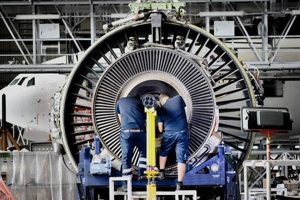
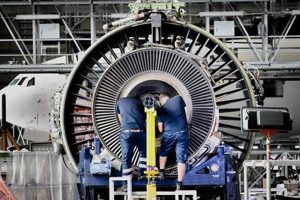
Individuals in this profession support aerospace engineers in designing, developing, testing, and manufacturing aircraft and spacecraft. Their responsibilities often encompass maintaining, repairing, and inspecting aerospace vehicles and equipment. For instance, a technician might calibrate precision instruments used in aircraft navigation systems or troubleshoot issues with a satellite’s communication array.
The skilled workforce in this area is crucial to the advancement and safety of air and space travel. Their expertise ensures the operational readiness of complex systems, contributing significantly to national defense, scientific exploration, and commercial aviation. Historically, the demand for these skilled professionals has grown alongside advancements in aerospace technology and the increasing reliance on air and space assets.
The following discussion will explore the specific tasks performed by these professionals, the educational requirements necessary for entry into the field, and the career outlook for individuals pursuing this vocation, emphasizing the blend of theoretical knowledge and practical skills required for success.
Guidance for Aspiring Professionals
The subsequent advice is designed for individuals seeking to enter or advance within the specialized field of aerospace support. Careful consideration of these points may enhance career prospects and contribute to professional competence.
Tip 1: Emphasize Technical Proficiency. A strong foundation in mathematics, physics, and engineering principles is paramount. Coursework and training should prioritize hands-on experience with relevant software and hardware.
Tip 2: Pursue Relevant Certifications. Industry-recognized certifications, such as those offered by the FAA or specific equipment manufacturers, can significantly enhance credibility and demonstrate specialized skills.
Tip 3: Develop Strong Problem-Solving Skills. The ability to diagnose and resolve complex technical issues efficiently is essential. Cultivate analytical thinking and systematic troubleshooting techniques.
Tip 4: Master Documentation Procedures. Accurate and thorough documentation of all maintenance, repair, and inspection activities is critical for safety and compliance. Adherence to established protocols is non-negotiable.
Tip 5: Prioritize Safety Consciousness. Aerospace environments demand unwavering attention to safety protocols. A proactive approach to hazard identification and risk mitigation is vital.
Tip 6: Seek Continuous Learning Opportunities. The aerospace field is constantly evolving. Stay abreast of the latest technological advancements through continuing education, industry publications, and professional development programs.
Tip 7: Network with Industry Professionals. Attend industry events, join professional organizations, and connect with experienced technicians and engineers. Networking can provide valuable insights and career opportunities.
Adhering to these recommendations, aspiring professionals can enhance their skills, increase their employability, and contribute meaningfully to the aerospace sector. A commitment to continuous learning and professional development is key to long-term success.
The concluding section of this article will summarize the career outlook and potential pathways for individuals pursuing careers in this vital support role.
1. Maintenance Proficiency
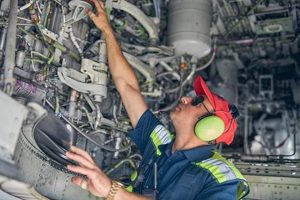
Maintenance proficiency forms a cornerstone of the activities undertaken by aerospace engineering and operations technicians. A direct causal relationship exists between the level of maintenance proficiency exhibited by these technicians and the operational readiness and safety of aerospace vehicles and related systems. Deficient maintenance practices directly impact the lifespan, performance, and reliability of aircraft and spacecraft, potentially leading to catastrophic failures. Therefore, mastery of maintenance procedures is not merely a desirable attribute, but a fundamental requirement for competent performance in this field. Consider a scenario where a technician, lacking adequate training in composite repair techniques, improperly repairs a damaged aircraft fuselage. This seemingly minor oversight could compromise the structural integrity of the aircraft, increasing the risk of in-flight structural failure.
The practical application of maintenance proficiency extends across numerous domains within the aerospace sector. Technicians specializing in engine maintenance, for instance, must possess a comprehensive understanding of engine operation, diagnostic procedures, and repair techniques. Similarly, technicians responsible for maintaining avionics systems require expertise in electrical systems, electronic components, and software troubleshooting. In each case, a commitment to rigorous maintenance protocols and adherence to manufacturer specifications are essential. For example, the precise calibration of flight control surfaces, a task requiring meticulous attention to detail, directly impacts the aircraft’s handling characteristics and stability.
In conclusion, maintenance proficiency is intrinsically linked to the core responsibilities of aerospace engineering and operations technicians. The effective execution of maintenance tasks not only ensures the operational readiness of aerospace assets but also directly contributes to the safety of flight operations. Challenges associated with maintaining proficiency in this rapidly evolving field necessitate a commitment to continuous training and professional development. The importance of this cannot be overstated, as substandard maintenance can have dire consequences, both in terms of financial losses and potential loss of life.
2. System Diagnostics

System diagnostics, within the context of aerospace engineering and operations, constitutes a critical function performed by specialized technicians. The efficacy with which these technicians can diagnose malfunctions and anomalies directly affects the operational availability and safety of aerospace vehicles and related infrastructure. Inefficient or inaccurate diagnostic procedures can result in prolonged downtimes, increased maintenance costs, and, more critically, potential safety hazards arising from undetected or misdiagnosed system failures. Consider the scenario of a satellite experiencing intermittent communication blackouts. The technician’s ability to systematically analyze telemetry data, isolate the faulty component (e.g., a malfunctioning transmitter or a degraded power supply), and implement corrective action is paramount to restoring the satellite’s operational capability. The consequences of a misdiagnosis could range from a temporary loss of service to permanent incapacitation of the satellite, highlighting the direct impact of diagnostic proficiency on mission success.
The application of system diagnostics extends across diverse areas within the aerospace domain. In aircraft maintenance, technicians employ sophisticated diagnostic tools and techniques to identify and address issues affecting critical systems such as engines, flight controls, and avionics. Real-world examples include the utilization of borescope inspections to assess the internal condition of jet engines, the employment of ultrasonic testing to detect subsurface cracks in aircraft structures, and the use of specialized software to analyze flight data recorders (black boxes) following an incident. Furthermore, the rise of sophisticated electronic systems in modern aircraft demands technicians possess expertise in network diagnostics, cybersecurity, and the integration of disparate data sources. Therefore, the competency of aerospace engineering and operations technicians in system diagnostics is not limited to mechanical or electrical troubleshooting but extends to complex software-based and network-driven issues.
In conclusion, system diagnostics represents an indispensable facet of the responsibilities undertaken by aerospace engineering and operations technicians. The ability to accurately and efficiently diagnose system anomalies directly impacts the operational effectiveness, safety, and economic viability of aerospace operations. The challenges inherent in mastering increasingly complex diagnostic techniques necessitate a commitment to continuous learning, specialized training, and a profound understanding of aerospace systems. The practical significance of this understanding cannot be overstated, as the consequences of diagnostic errors can extend far beyond the immediate maintenance event, potentially affecting entire missions and impacting the safety of both personnel and equipment.
3. Testing Rigor

Testing rigor, characterized by meticulous procedures and comprehensive evaluations, constitutes an essential element of the work conducted by aerospace engineering and operations technicians. Its application ensures that systems and components meet stringent performance and safety standards, thereby minimizing the risk of failure during operation. The following details highlight key facets of testing rigor in this context.
- Environmental Stress Testing
This facet involves subjecting aerospace components to extreme environmental conditions, such as temperature variations, vibration, and pressure changes, to simulate the harsh conditions encountered during flight or space missions. Technicians meticulously monitor the performance of the components under these conditions, identifying potential weaknesses or failure points. For example, a satellite component might undergo thermal vacuum testing to ensure its functionality in the vacuum of space and under extreme temperature fluctuations. The data gathered is crucial for identifying design flaws and improving the reliability of aerospace systems.
- Non-Destructive Testing (NDT)
NDT methods, such as ultrasonic testing, radiography, and eddy current testing, are employed to detect internal flaws and defects in aerospace materials and structures without compromising their integrity. Technicians trained in NDT techniques can identify cracks, voids, and other anomalies that may not be visible to the naked eye. For instance, ultrasonic testing can be used to inspect aircraft wings for fatigue cracks, ensuring structural integrity and preventing catastrophic failures. The results of NDT are critical for making informed decisions about maintenance and repairs.
- Functional Performance Testing
Functional performance testing assesses the operational capabilities of aerospace systems and components under simulated or real-world conditions. This may involve testing the performance of flight control systems, communication systems, or propulsion systems to ensure they meet specified performance criteria. Technicians conduct detailed measurements and analyses to verify that the systems are functioning as intended. For example, flight control systems undergo rigorous testing to ensure that they respond accurately and reliably to pilot inputs. The data gathered from functional performance testing is used to validate designs and identify areas for improvement.
- Software Verification and Validation
Given the increasing reliance on software in aerospace systems, rigorous software verification and validation are essential. Technicians and engineers work together to ensure that software code meets specified requirements and performs reliably under all operating conditions. This includes conducting code reviews, unit testing, and integration testing to identify and correct errors. For example, software used to control aircraft navigation systems undergoes extensive testing to ensure that it provides accurate and reliable guidance. The results of software verification and validation are critical for ensuring the safety and reliability of aerospace systems.
In summary, testing rigor, as implemented by aerospace engineering and operations technicians, is paramount to ensuring the safety and reliability of aerospace systems. The application of environmental stress testing, non-destructive testing, functional performance testing, and software verification and validation contributes directly to mitigating risks and enhancing the performance of aircraft and spacecraft. The commitment to rigorous testing procedures is essential for maintaining the integrity of aerospace operations and upholding the highest standards of safety.
4. Precision Calibration
Precision calibration is inextricably linked to the responsibilities of aerospace engineering and operations technicians, serving as a cornerstone for ensuring the accuracy and reliability of critical aerospace systems. A direct causal relationship exists: inaccuracies in calibration directly lead to compromised performance and potential failures in aerospace equipment. The importance of precision calibration as a component of their role stems from the highly sensitive and complex nature of the systems they maintain. Real-life examples abound, such as the calibration of inertial navigation systems in aircraft. An improperly calibrated system can result in navigational errors, leading to deviations from flight paths and potentially hazardous situations. Similarly, the calibration of sensors in spacecraft is critical for accurate data collection and mission success. The practical significance of this understanding lies in the fact that lives and multi-million dollar assets depend on the precision with which these systems operate.
Further analysis reveals that the practical applications of precision calibration extend across numerous areas within the aerospace sector. Technicians routinely calibrate pressure sensors in hydraulic systems, ensuring accurate control of actuators and preventing malfunctions. Accelerometers used in flight control systems require meticulous calibration to provide precise feedback on aircraft movement, enabling stable and responsive control. In satellite operations, the calibration of radiometers is essential for accurate measurement of electromagnetic radiation, facilitating climate monitoring and scientific research. The challenges associated with precision calibration in these contexts are significant, demanding specialized equipment, highly skilled technicians, and adherence to rigorous procedures. The utilization of laser trackers and coordinate measuring machines (CMMs) for dimensional calibration represents a key element in guaranteeing the accuracy of manufactured components and assembled systems.
In conclusion, precision calibration is an indispensable element of the tasks performed by aerospace engineering and operations technicians. Key insights include the understanding that accurate calibration is not merely a procedural step but a fundamental requirement for the safe and effective operation of aerospace systems. Challenges remain in maintaining calibration standards in the face of evolving technology and increasing system complexity. However, by prioritizing training, investing in advanced calibration equipment, and fostering a culture of meticulous attention to detail, the aerospace industry can ensure the continued reliability and safety of its operations. The importance of this extends to the broader theme of aerospace safety and mission assurance, where even minor errors can have catastrophic consequences.
5. Regulatory Compliance
Regulatory compliance is paramount within the aerospace sector, dictating the standards and procedures that govern the design, manufacture, maintenance, and operation of aircraft and spacecraft. Aerospace engineering and operations technicians play a critical role in upholding these regulations, ensuring that all work performed adheres to the mandated requirements established by governing bodies.
- FAA Regulations Adherence
The Federal Aviation Administration (FAA) in the United States sets forth comprehensive regulations concerning aircraft maintenance, repair, and operation. Technicians must possess a thorough understanding of these regulations and demonstrate strict adherence in all their activities. For example, properly documenting all maintenance procedures, using approved parts, and adhering to airworthiness directives are essential for maintaining regulatory compliance. Failure to comply with FAA regulations can result in substantial penalties, including fines, suspension of licenses, and legal action.
- International Standards Compliance
Aerospace operations often extend beyond national borders, necessitating compliance with international standards and regulations. Organizations such as the European Aviation Safety Agency (EASA) establish standards that must be met by technicians working on aircraft registered in Europe. Compliance with these standards ensures interoperability and safety across international airspace. For example, technicians working on engines used in international airliners must be familiar with both FAA and EASA requirements.
- Documentation and Record-Keeping
Meticulous documentation and record-keeping are integral components of regulatory compliance. Technicians must accurately document all maintenance, repair, and inspection activities, maintaining detailed records of parts used, procedures followed, and any discrepancies identified. These records serve as evidence of compliance and are subject to review by regulatory agencies. For instance, detailed logs must be maintained for all inspections performed on critical components such as landing gear and flight control surfaces.
- Safety Management Systems (SMS) Implementation
Regulatory agencies increasingly require aerospace organizations to implement Safety Management Systems (SMS) to proactively manage safety risks. Technicians play a vital role in SMS by identifying potential hazards, reporting safety concerns, and participating in safety audits. Their contributions help to continuously improve safety practices and ensure that regulatory requirements are met. A real-world example includes technicians identifying a recurring issue with a specific type of aircraft component and reporting it through the SMS, leading to a design modification that enhances safety.
These facets highlight the integral connection between regulatory compliance and the daily activities of aerospace engineering and operations technicians. Their commitment to upholding regulations is essential for ensuring the safety, reliability, and integrity of the aerospace sector. Furthermore, continuous training and education are vital for technicians to stay abreast of evolving regulatory requirements and maintain the highest standards of compliance.
Frequently Asked Questions
The following section addresses common inquiries regarding the roles, responsibilities, and qualifications of aerospace engineering and operations technicians. The information provided aims to offer clarity and dispel misconceptions surrounding this critical profession.
Question 1: What distinguishes aerospace engineering and operations technicians from aerospace engineers?
Aerospace engineers typically focus on the design, development, and testing of aircraft and spacecraft. Aerospace engineering and operations technicians, conversely, primarily support engineers in these tasks, with a strong emphasis on hands-on maintenance, repair, and operational support activities. The technician role generally requires a more practical, hands-on skillset compared to the theoretical and design-oriented focus of the engineer.
Question 2: What level of education is typically required to become an aerospace engineering and operations technician?
The educational requirements commonly range from an associate’s degree in a related technical field to specialized training programs offered by vocational schools or the military. While a bachelor’s degree may be advantageous for certain positions, practical experience and relevant certifications often weigh heavily in hiring decisions.
Question 3: What are the essential skills required for success in this profession?
Essential skills include a strong aptitude for mathematics and physics, proficiency in using hand and power tools, the ability to read and interpret technical drawings and manuals, and exceptional problem-solving abilities. Furthermore, meticulous attention to detail, strong communication skills, and the capacity to work effectively both independently and as part of a team are crucial.
Question 4: What types of certifications are valuable for aerospace engineering and operations technicians?
Relevant certifications vary depending on the specific area of specialization, but common examples include FAA Airframe and Powerplant (A&P) licenses, certifications in non-destructive testing (NDT), and certifications related to specific aircraft or spacecraft systems. Obtaining certifications from recognized industry organizations demonstrates a commitment to professional development and enhances employability.
Question 5: What is the typical work environment for these technicians?
The work environment can vary depending on the employer and the nature of the work. Technicians may work in aircraft hangars, manufacturing plants, research laboratories, or even remote launch facilities. The work often involves exposure to noise, machinery, and hazardous materials, necessitating adherence to strict safety protocols.
Question 6: What is the career outlook for aerospace engineering and operations technicians?
The career outlook for skilled aerospace engineering and operations technicians is generally positive, driven by the ongoing demand for air travel, the expansion of the space industry, and the need to maintain aging aircraft fleets. Individuals with specialized skills and relevant certifications are particularly well-positioned to secure employment in this field.
In summary, aerospace engineering and operations technicians represent a vital component of the aerospace industry, contributing their expertise to ensure the safety, reliability, and operational readiness of aircraft and spacecraft. The profession demands a unique blend of technical skills, practical experience, and a commitment to continuous learning.
The concluding segment will synthesize the key themes discussed, offering a concise overview of the role’s significance and future trajectory.
Conclusion
This exploration of aerospace engineering and operations technicians has underscored their indispensable role in maintaining the safety, reliability, and efficiency of the aerospace sector. Their responsibilities encompass critical tasks such as maintenance proficiency, system diagnostics, testing rigor, precision calibration, and regulatory compliance, each contributing directly to the successful operation of complex aircraft and spacecraft. The demand for these skilled professionals is expected to remain robust, driven by technological advancements, the expansion of space exploration, and the continued reliance on air transportation.
The continued success of the aerospace industry hinges upon the expertise and dedication of these technicians. Their commitment to upholding the highest standards of quality and safety is paramount. Continued investment in education, training, and technological advancements within this profession is crucial to ensuring the future of safe and efficient air and space travel.