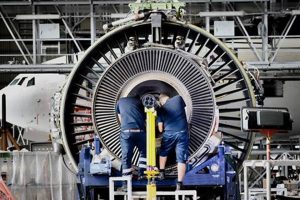
The field encompasses the design, development, and testing of aircraft and spacecraft within a specific geographical region. It integrates principles from aerodynamics, propulsion, materials science, and control systems to create innovative solutions for flight within and beyond Earth’s atmosphere. A prime example is the development of the Airbus family of aircraft, a testament to collaborative efforts in commercial aviation.
The discipline is pivotal for economic growth, technological advancement, and national security. It fuels innovation in related industries, drives job creation, and enables scientific discovery. Historically, Europe has been a leader in aviation, with significant contributions to jet engine technology, composite materials, and satellite development. This legacy continues to shape current research and development initiatives.
This article will delve into the educational landscape, prominent research institutions, key industries, and collaborative projects that define the sector. Furthermore, it will examine the challenges and opportunities facing the industry, including sustainability, emerging technologies, and the evolving regulatory environment.
Success within the aerospace sector requires strategic planning and informed decision-making. The following provides actionable guidance for aspiring engineers and established professionals in this competitive environment.
Tip 1: Prioritize a Strong Educational Foundation: Pursue advanced degrees from recognized universities with specialized programs. A Master’s degree, or ideally a Ph.D., significantly enhances career prospects. Example: Delft University of Technology (Netherlands) and ISAE-SUPAERO (France) are highly regarded.
Tip 2: Cultivate International Experience: Seek internships and research opportunities in multiple European countries. Exposure to diverse engineering cultures broadens perspectives and fosters collaboration skills. Example: Participate in the Erasmus+ program for student exchanges.
Tip 3: Master Relevant Software and Technologies: Proficiency in CAD/CAM software (e.g., CATIA, NX), simulation tools (e.g., ANSYS, MATLAB), and programming languages (e.g., Python, C++) is essential. Focus on skills directly applicable to specific aerospace domains.
Tip 4: Network Actively: Attend industry conferences, workshops, and seminars to connect with professionals and learn about emerging trends. Engaging with organizations like the European Space Agency (ESA) and national aerospace associations provides valuable contacts.
Tip 5: Focus on a Specialization: Develop expertise in a specific area such as aerodynamics, propulsion, avionics, or structural analysis. Deep knowledge enhances marketability and allows for focused contributions. Example: Specializing in composite materials for aircraft structures.
Tip 6: Understand Regulatory Compliance: Familiarize yourself with aviation regulations and safety standards established by the European Union Aviation Safety Agency (EASA). Adherence to these standards is critical for ensuring airworthiness and safety.
Tip 7: Develop Strong Communication Skills: Effective communication is crucial for collaborating with diverse teams and presenting technical information clearly. Practice written and oral communication in both technical and non-technical contexts.
These strategies, when consistently implemented, will significantly enhance one’s ability to thrive in a demanding yet rewarding field. A commitment to continuous learning and professional development is paramount for long-term success.
The subsequent sections will explore current trends and future directions, providing a broader perspective on the ongoing evolution of the domain.
1. Education

The academic landscape is fundamental to the advancement within the European region. Universities and specialized institutions across the continent play a critical role in cultivating the next generation of aerospace engineers, researchers, and leaders.
- Curriculum Structure and Content
Aerospace engineering programs typically encompass a broad range of core subjects, including aerodynamics, propulsion, structural mechanics, control systems, and materials science. The curriculum emphasizes both theoretical knowledge and practical application, often incorporating project-based learning and industry collaborations. For example, students may participate in the design and construction of unmanned aerial vehicles (UAVs) or satellite subsystems. The rigorous curriculum prepares graduates for diverse roles in research, design, development, and testing.
- Specialized Programs and Concentrations
Beyond general aerospace engineering degrees, many institutions offer specialized programs tailored to specific areas of expertise. These may include concentrations in space engineering, aircraft design, turbomachinery, or avionics. Specialized programs provide in-depth knowledge and skills relevant to niche areas within the field. For instance, a concentration in space engineering might focus on orbital mechanics, spacecraft propulsion, and satellite communication systems. This specialization caters to the evolving demands of the industry.
- Research Opportunities and PhD Programs
Advanced research is integral to the academic mission. PhD programs allow students to engage in cutting-edge research projects under the guidance of experienced faculty. These projects contribute to the advancement of knowledge and the development of new technologies. Examples include research on novel propulsion systems, advanced composite materials, and autonomous flight control algorithms. Research output from academic institutions often forms the basis for innovation within the industrial sector.
- Industry Partnerships and Internships
Collaborations with aerospace companies and organizations are crucial for providing students with practical experience and industry exposure. Internship programs offer opportunities to apply academic knowledge in real-world settings, gaining valuable skills and networking opportunities. These partnerships often involve joint research projects, guest lectures by industry professionals, and access to specialized facilities. Companies like Airbus and Safran actively engage with universities to recruit talent and foster innovation.
These interconnected facets highlight the importance of education within the field. The quality and rigor of aerospace engineering programs are directly linked to the region’s capacity for innovation, economic competitiveness, and global leadership. Continued investment in education and research remains vital for sustaining excellence in this sector.
2. Research

Research forms a cornerstone of aerospace engineering in Europe, driving innovation and technological advancement across the sector. The pursuit of new knowledge and the development of cutting-edge technologies are essential for maintaining competitiveness in the global aerospace market. Government-funded programs, industry-led initiatives, and academic endeavors collectively contribute to a robust research ecosystem. For example, the Clean Sky program, a public-private partnership, focuses on developing cleaner, quieter, and more efficient aircraft technologies. This exemplifies how coordinated research efforts can directly impact environmental sustainability and operational efficiency within the aviation industry.
The impact extends beyond environmental considerations. European research institutions are actively involved in projects that advance areas such as autonomous flight control systems, advanced materials for aircraft structures, and novel propulsion methods. The development of advanced composite materials, for instance, has enabled the design of lighter and more fuel-efficient aircraft. Similarly, research into electric and hybrid propulsion systems aims to reduce reliance on fossil fuels and mitigate the environmental impact of air travel. The European Space Agency’s (ESA) research programs contribute significantly to space exploration, satellite technology, and Earth observation, furthering scientific understanding and practical applications in areas such as communication and climate monitoring.
In summary, research is not merely an adjunct to aerospace engineering in Europe; it is a driving force that shapes the industry’s future. It addresses critical challenges related to sustainability, efficiency, and safety, while simultaneously fostering technological breakthroughs that expand the possibilities of air and space travel. The sustained investment in research and development, coupled with strong collaboration between government, industry, and academia, is vital for maintaining Europe’s position as a leader in the global aerospace arena.
3. Industry

The industrial sector is a critical component of aerospace engineering, serving as the primary employer of engineers, the incubator for technological innovation, and the driver of economic growth. Within the European context, a robust industrial base translates directly into opportunities for research and development, manufacturing, and service provision related to aircraft, spacecraft, and related systems. The presence of major aerospace companies, such as Airbus, Safran, Thales, and Leonardo, establishes a well-defined career path for engineering graduates and facilitates the translation of research findings into tangible products and services. These companies, along with a network of smaller suppliers and subcontractors, collectively constitute a complex ecosystem that is essential for sustaining the industry’s long-term viability. Their investment in research and development directly impacts the pace of innovation in areas such as fuel efficiency, materials science, and autonomous systems.
The interplay between industry and the aerospace field is a two-way street. While engineers provide the technical expertise to design and build aerospace systems, the industrial sector provides the financial resources, infrastructure, and market access necessary to commercialize these innovations. This creates a feedback loop wherein successful products generate revenue, which can then be reinvested in further research and development. Consider the example of Airbus’s A320 family of aircraft. Its commercial success has enabled Airbus to invest heavily in developing the A350, a more fuel-efficient and technologically advanced wide-body aircraft. This exemplifies the importance of a thriving industrial sector for maintaining a competitive edge in the global aerospace market. The ability of European industry to attract and retain skilled engineers is also contingent on the availability of challenging and rewarding career opportunities, which are directly linked to the industry’s financial health and its commitment to innovation.
In conclusion, the industrial sector is inextricably linked to the health and vitality of aerospace engineering. It is not simply a consumer of engineering talent; it is an active participant in shaping the direction of research, driving technological advancements, and providing the economic foundation for sustained growth. Challenges facing the sector, such as increasing competition from emerging markets and the need to transition to more sustainable practices, require a concerted effort from industry, government, and academia to ensure that it remains a global leader in the field.
4. Collaboration
Within the European context, collaborative endeavors are fundamental to advancing aerospace engineering, fostering innovation, and maintaining a competitive edge in the global market. The complexity and scale of modern aerospace projects necessitate cooperation across national borders, between industry and academia, and among various disciplines. This collaborative approach pools resources, expertise, and infrastructure, leading to more efficient and effective outcomes.
- Cross-National Partnerships
European aerospace projects frequently involve multiple countries, each contributing specific expertise and resources. The Airbus consortium, for instance, is a prime example of successful cross-national collaboration, bringing together engineering talent and manufacturing capabilities from France, Germany, Spain, and the United Kingdom. The European Space Agency (ESA) also operates through the collaboration of numerous member states, pooling funding and expertise to undertake ambitious space exploration and satellite development programs. These partnerships enable the sharing of risks, costs, and benefits, making large-scale projects feasible and fostering a sense of shared purpose.
- Industry-Academia Collaboration
Collaborative research projects between universities and aerospace companies are essential for translating fundamental research into practical applications. These collaborations often involve joint research projects, the exchange of personnel, and the use of specialized facilities. For example, universities may partner with aerospace companies to develop new materials, improve aerodynamic designs, or create more efficient propulsion systems. These partnerships benefit both parties by providing industry access to cutting-edge research and giving academics real-world experience in solving engineering challenges. Such collaborations are instrumental in bridging the gap between theoretical knowledge and practical implementation.
- Public-Private Partnerships
Public-private partnerships (PPPs) are a common mechanism for funding and executing large-scale aerospace projects. These partnerships combine public funding with private sector investment, expertise, and management skills. The Clean Sky program, a joint initiative between the European Commission and the aerospace industry, is a prominent example of a PPP focused on developing cleaner, quieter, and more sustainable aircraft technologies. PPPs enable governments to leverage private sector efficiency and innovation while ensuring that projects align with public policy goals. This model is particularly effective for addressing complex challenges that require significant investment and long-term commitment.
- Interdisciplinary Collaboration
Modern aerospace projects require the integration of expertise from diverse fields, including aerodynamics, propulsion, structural mechanics, control systems, materials science, and software engineering. Effective interdisciplinary collaboration is crucial for ensuring that all aspects of a project are aligned and that potential conflicts are identified and resolved early on. This collaborative approach fosters a holistic view of the system and promotes innovation by bringing together different perspectives and skill sets. For instance, the design of a new aircraft wing requires close collaboration between aerodynamicists, structural engineers, and materials scientists to optimize performance, safety, and weight.
These collaborative facets illustrate the interconnectedness and cooperative spirit that defines aerospace engineering in Europe. The ability to forge strong partnerships and effectively manage complex collaborations is essential for maintaining the region’s position as a global leader in this field. Continued emphasis on fostering collaboration across national borders, between industry and academia, and among diverse disciplines will be crucial for driving innovation and addressing the challenges facing the industry in the years to come.
5. Regulation

Regulatory frameworks exert a significant influence on aerospace engineering in Europe, directly shaping design parameters, operational procedures, and safety standards. The European Union Aviation Safety Agency (EASA) plays a central role, establishing and enforcing regulations applicable to aircraft design, production, maintenance, and operation. These regulations aim to ensure the safety of air travel, protect the environment, and promote fair competition within the aviation industry. Compliance with EASA regulations is a prerequisite for aircraft certification and operation within the European Union. This regulatory oversight has a tangible impact, influencing the development of new aircraft technologies and the implementation of sustainable aviation practices. For instance, regulations concerning noise emissions and fuel efficiency have spurred investment in research and development of quieter engines and more aerodynamic aircraft designs. Furthermore, stringent safety regulations require extensive testing and certification processes, ensuring that aircraft meet rigorous standards before entering commercial service.
The impact of regulation extends beyond aircraft design to encompass air traffic management (ATM) and airport operations. The Single European Sky ATM Research (SESAR) project, for example, aims to modernize ATM infrastructure across Europe, improving efficiency and reducing air traffic delays. This initiative is driven by regulations aimed at creating a more integrated and interoperable ATM system. Similarly, regulations concerning airport security and environmental impact influence airport design and operational procedures. Security regulations mandate the implementation of advanced screening technologies and security protocols, while environmental regulations limit noise levels and emissions from airport operations. The interconnectedness of these regulatory domains underscores the need for a holistic approach to aerospace engineering, considering not only the technical aspects of aircraft design but also the broader regulatory context in which they operate.
In summary, regulation is a pervasive and influential factor in aerospace engineering. It directly shapes design choices, operational practices, and the overall trajectory of the industry. EASA’s role in establishing and enforcing safety and environmental standards is paramount, promoting innovation and ensuring the sustainability of air travel. Continued attention to the regulatory landscape and proactive adaptation to evolving standards are essential for aerospace engineers seeking to contribute to a safe, efficient, and environmentally responsible aviation sector.
Frequently Asked Questions
This section addresses common inquiries concerning the pursuit and practice of aerospace engineering within the European context, offering objective insights and dispelling potential misconceptions.
Question 1: What are the primary areas of focus within this discipline as practiced in Europe?
The field encompasses aircraft design and manufacturing, spacecraft development, propulsion systems, avionics, and related technologies. Emphasis is placed on sustainable aviation, space exploration, and the development of advanced materials.
Question 2: What qualifications are typically required to enter the field?
A Bachelor’s degree in aerospace engineering or a closely related field is generally the minimum requirement. Many positions, particularly those involving research and development, necessitate a Master’s degree or a doctorate.
Question 3: How does the European regulatory environment impact design and operations?
The European Union Aviation Safety Agency (EASA) establishes stringent regulations governing aircraft design, maintenance, and operation. Compliance with these regulations is mandatory for all aircraft operating within the European Union, influencing technological development and operational procedures.
Question 4: What opportunities exist for international collaboration?
The sector fosters extensive international collaboration through organizations such as the European Space Agency (ESA) and joint projects involving multiple European nations. These collaborations facilitate knowledge sharing and resource pooling for large-scale endeavors.
Question 5: What are the dominant trends shaping the future of the industry in Europe?
Key trends include the development of sustainable aviation technologies, the exploration of new propulsion systems (e.g., electric and hybrid), the increasing use of autonomous systems, and the expansion of space-based activities.
Question 6: How competitive is the job market for aerospace engineers?
The job market is generally competitive, particularly for entry-level positions. Individuals with advanced degrees, specialized skills, and practical experience are more likely to secure desirable roles.
The information presented offers a concise overview of significant aspects. Further research and consultation with relevant professionals are recommended for comprehensive understanding.
The subsequent section will provide resources for more information
Conclusion
The preceding exploration of aerospace engineering in Europe illuminates a multifaceted domain characterized by rigorous educational frameworks, impactful research initiatives, a dynamic industrial landscape, essential collaborative partnerships, and stringent regulatory oversight. These elements, when considered holistically, underscore the region’s significant contribution to global aerospace advancement.
Continued commitment to innovation, sustainability, and international cooperation remains crucial for maintaining a competitive edge and addressing the evolving challenges of the 21st century. Investment in research, development, and human capital is paramount to ensuring the sustained success of this critical sector.