Opportunities for professionals with expertise in flight vehicle design, development, testing, and maintenance exist within the Kingdom. These positions encompass a spectrum of responsibilities, from research and development to manufacturing and operational support within the aviation and defense sectors.
The Kingdom’s strategic investment in technological advancement and its burgeoning defense industry contribute to the significance of these roles. A historical shift towards localizing expertise further elevates their importance, creating a need for skilled individuals capable of driving innovation and maintaining operational readiness within the nation.
This article will delve into the key industries offering such career paths, the required qualifications, the salary expectations, and the potential challenges and opportunities facing engineers in this sector within the Saudi Arabian landscape.
Successfully pursuing a career in aerospace engineering requires strategic planning and preparation. The following tips provide essential guidance for individuals seeking opportunities in Saudi Arabia.
Tip 1: Master Required Qualifications: A bachelor’s or master’s degree in aerospace engineering is fundamental. Specialized knowledge in areas like aerodynamics, propulsion, or avionics enhances candidacy. Relevant certifications related to aircraft maintenance or specific engineering software are also highly valuable.
Tip 2: Develop Relevant Skills: Proficiency in CAD/CAM software, finite element analysis, and computational fluid dynamics is essential. Strong analytical and problem-solving skills are crucial for addressing complex engineering challenges. Excellent communication skills are needed for collaborating with diverse teams and presenting technical information.
Tip 3: Gain Industry Experience: Internships or prior employment in aerospace, defense, or related industries significantly boost prospects. Experience with aircraft maintenance, systems integration, or research and development projects demonstrates practical capabilities. Familiarity with industry standards and regulations is also beneficial.
Tip 4: Network Strategically: Attend industry conferences, job fairs, and workshops to connect with potential employers. Join professional organizations related to aerospace engineering to expand network and gain insights. Cultivate relationships with professionals working in the Saudi Arabian aerospace sector.
Tip 5: Research Potential Employers: Identify key players in the Saudi Arabian aerospace industry, including government agencies, defense contractors, and aviation companies. Understand their specific needs, projects, and company culture. Tailor your application and resume to align with their requirements.
Tip 6: Tailor Your Resume and Cover Letter: Highlight relevant skills, experience, and qualifications that directly address the specific requirements of each job application. Emphasize your knowledge of Saudi Arabian culture and your commitment to contributing to the Kingdom’s technological advancement. Obtain translation services to create Arabic version.
Tip 7: Prepare for Cultural Nuances: Understand and respect Saudi Arabian cultural norms and business etiquette. Demonstrate cultural sensitivity and adaptability during interviews and workplace interactions. Learning basic Arabic phrases can facilitate communication and build rapport.
These strategies provide a foundation for successfully navigating the job market. Prioritizing skill development, strategic networking, and cultural awareness will significantly increase the likelihood of securing a fulfilling and impactful career.
The next section will address the challenges and benefits specific to these career paths.
1. Industry Growth

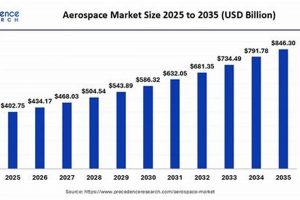
Industry growth in the Kingdom’s aerospace sector directly correlates with an increased demand for specialized engineering talent. Investments in new aircraft acquisitions, the development of domestic maintenance and repair operations (MRO) facilities, and the expansion of defense capabilities are principal drivers. As these initiatives gain momentum, the requirement for qualified engineers to design, maintain, and oversee complex systems intensifies. This necessitates a workforce proficient in areas such as aircraft structures, propulsion systems, avionics, and air traffic control.
The establishment of new aerospace manufacturing and research facilities further amplifies this demand. For example, if Saudi Arabia establishes a plant to assemble unmanned aerial vehicles (UAVs), it would generate opportunities for engineers specializing in UAV design, control systems, and payload integration. Similarly, advancements in satellite technology and space exploration create openings for engineers focused on spacecraft design, launch systems, and data analysis. The practical effect is a diversification of engineering roles beyond traditional aircraft maintenance, encompassing more cutting-edge technological fields.
Sustained industry growth will lead to a progressively competitive job market. Engineers seeking to capitalize on these opportunities should prioritize continuous professional development, acquiring expertise in emerging technologies and aligning their skills with the specific needs of the expanding aerospace ecosystem. Failure to adapt to the evolving requirements of the industry could limit career prospects in the long term.
2. Skill Demand

The increasing sophistication of the aerospace sector in Saudi Arabia generates a corresponding demand for specialized skill sets among engineering professionals. These skills are not merely desirable, but essential for contributing to the Kingdom’s ambitions in aviation and defense.
- Advanced Materials Expertise
The utilization of composite materials, alloys, and nanomaterials is becoming increasingly prevalent in aircraft design to enhance performance and reduce weight. Engineers must possess expertise in material science, testing methodologies, and manufacturing processes specific to these advanced materials. For instance, knowledge of carbon fiber reinforced polymers and their application in aircraft wings is crucial for contributing to the development of fuel-efficient aircraft.
- Systems Integration and Automation
Modern aircraft and spacecraft rely on complex integrated systems, including avionics, flight control, and communication networks. Engineers must be proficient in systems engineering principles, software development, and automation technologies to ensure seamless operation and interoperability. The integration of autonomous flight capabilities in UAVs, for example, demands expertise in artificial intelligence, sensor fusion, and control algorithms.
- Digital Twin Technology
Digital twins, virtual replicas of physical assets, are used for design optimization, predictive maintenance, and performance monitoring. Engineers require skills in data analytics, simulation software, and cloud computing to create and utilize digital twins effectively. The application of digital twin technology in aircraft engine maintenance allows for proactive identification of potential failures, reducing downtime and improving operational efficiency.
- Cybersecurity in Aviation
As aircraft systems become increasingly interconnected and reliant on digital networks, cybersecurity becomes a paramount concern. Engineers must possess knowledge of cybersecurity protocols, threat detection techniques, and vulnerability assessment methodologies to protect aircraft systems from cyberattacks. For example, securing the communication channels between air traffic control and aircraft is crucial for preventing unauthorized access and ensuring safe navigation.
The skills highlighted above represent a small subset of the expertise required to succeed in the evolving aerospace landscape. As Saudi Arabia continues to invest in its aviation and defense sectors, the demand for engineers with these specialized skills will only continue to grow, presenting both challenges and opportunities for professionals seeking to advance their careers. The imperative for engineers is continuous learning and adaptation to emerging technologies.
3. Project Localization

Project localization, a strategic initiative aimed at developing indigenous capabilities within Saudi Arabia’s aerospace sector, directly influences the creation and nature of related positions. This emphasis on domestic production, maintenance, and technological advancement generates a need for qualified professionals capable of supporting these operations.
- Establishment of Local Manufacturing Facilities
The creation of manufacturing plants for aircraft components and systems within the Kingdom creates new positions. Engineers are needed to oversee production processes, ensure quality control, and adapt foreign technologies to local conditions. For instance, if a foreign company partners with a Saudi entity to manufacture aircraft wings, it generates roles for materials engineers, manufacturing specialists, and quality assurance inspectors.
- Development of Indigenous Maintenance and Repair Operations (MRO)
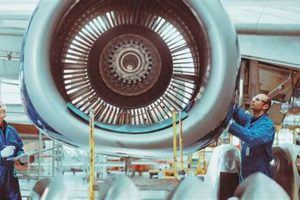
Establishing MRO facilities reduces reliance on foreign service providers and creates opportunities for aircraft maintenance technicians, avionics specialists, and structural repair engineers. A fully functional MRO facility requires engineers to develop maintenance schedules, troubleshoot technical issues, and ensure compliance with international safety standards. This aspect directly reduces dependence on outside entities for critical maintenance procedures.
- Technology Transfer and Knowledge Sharing
Project localization initiatives necessitate the transfer of technological expertise from foreign partners to Saudi personnel. This involves training programs, joint research projects, and collaborative engineering efforts. This generates a demand for engineers with the ability to absorb and adapt foreign technologies to the Saudi context, acting as intermediaries between international experts and local workforces.
- Research and Development in Aerospace Technologies
Investing in indigenous research and development capabilities fosters innovation and creates opportunities for engineers to design and develop new aerospace technologies. This includes areas such as unmanned aerial vehicles (UAVs), advanced materials, and satellite communication systems. This focus requires engineers with strong research skills, a deep understanding of scientific principles, and the ability to translate theoretical concepts into practical applications.
The emphasis on project localization will continue to shape the demand for aerospace engineering roles. As the Kingdom increases its domestic aerospace capabilities, the need for engineers capable of driving innovation, overseeing manufacturing processes, and maintaining complex systems will intensify. Therefore, these projects provide career opportunities, and contribute to the knowledge base within the Kingdom.
4. Defense Expansion
Defense expansion within the Kingdom directly fuels the demand for specialized expertise in aerospace engineering. Increased investment in military aviation, weapons systems, and defense infrastructure necessitates a qualified workforce to support development, maintenance, and operational readiness. This expansion presents diverse opportunities for engineering professionals.
- Procurement of Advanced Military Aircraft
The acquisition of sophisticated fighter jets, transport aircraft, and helicopters requires engineers to oversee integration, maintenance, and upgrades. These individuals possess expertise in avionics, propulsion systems, and airframe structures. The ongoing maintenance and modernization of these fleets necessitate a continuous influx of skilled personnel.
- Development of Domestic Defense Industries
Establishing indigenous defense industries creates opportunities for engineers in design, manufacturing, and testing of military equipment. This includes the production of armored vehicles, missile systems, and electronic warfare technologies. Such initiatives reduce reliance on foreign suppliers and cultivate a self-sufficient defense ecosystem, furthering the need for specialized engineers.
- Modernization of Existing Military Infrastructure
Upgrading airbases, naval facilities, and military communication networks requires engineers with expertise in civil engineering, electrical engineering, and telecommunications. These projects demand professionals to oversee construction, implement advanced technologies, and ensure operational efficiency. The modernization of infrastructure supports the overall effectiveness of the armed forces.
- Research and Development of New Defense Technologies
Investment in research and development (R&D) leads to opportunities for engineers to innovate and develop cutting-edge defense technologies. These areas include unmanned systems, artificial intelligence, and cybersecurity. Emphasis on technological advancements strengthens the Kingdom’s defense capabilities and propels advancements in related fields.
These factors underscore the direct correlation between defense expansion and the availability of related careers. The ongoing commitment to modernizing and strengthening the armed forces will continue to drive demand for specialized skills in the aerospace sector. In this environment, qualified professionals are essential for ensuring that the Kingdom maintains a robust and technologically advanced defense posture.
5. Vision 2030

Saudi Arabia’s Vision 2030, a strategic framework for economic diversification and social transformation, has a profound impact on the nation’s aerospace sector. The initiatives outlined within Vision 2030 are directly contributing to increased opportunities, shaping the nature of required expertise, and driving growth within related careers. Understanding this relationship is crucial for professionals seeking to enter or advance within this field.
- Industrial Diversification
Vision 2030 aims to reduce the Kingdom’s reliance on oil revenues by developing alternative industries, including aerospace and defense. This diversification strategy creates a need for skilled engineers to support the establishment of domestic manufacturing capabilities, research and development facilities, and maintenance and repair operations. For example, the development of local facilities for aircraft component production generates engineering opportunities in materials science, manufacturing processes, and quality control. This shift away from a purely oil-based economy is creating a more robust and sustainable aerospace ecosystem.
- Human Capital Development
A key pillar of Vision 2030 is investment in education and training to cultivate a highly skilled workforce. This includes initiatives to enhance engineering programs at Saudi universities and vocational training centers, equipping graduates with the expertise needed to succeed in aerospace. Scholarships and partnerships with international institutions are expanding access to specialized knowledge in areas like avionics, propulsion systems, and aerospace design. These investments are designed to create a pipeline of qualified Saudi engineers to meet the growing demands of the industry.
- Technology Localization
Vision 2030 promotes the localization of technology and knowledge transfer from international partners. This involves establishing joint ventures, licensing agreements, and research collaborations to enable the Kingdom to develop its own aerospace technologies. This initiative necessitates engineers with the ability to absorb and adapt foreign technologies to the Saudi context, contributing to the development of indigenous capabilities in areas like unmanned systems, advanced materials, and satellite communications. This localization effort reduces dependence on foreign expertise and fosters innovation within the Kingdom.
- Strategic Partnerships
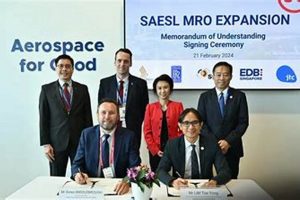
Vision 2030 encourages strategic partnerships with leading international aerospace companies to attract investment, expertise, and technology to the Kingdom. These partnerships can lead to the establishment of new aerospace ventures, the transfer of best practices, and the creation of training opportunities for Saudi engineers. For example, a partnership between a Saudi entity and a foreign aircraft manufacturer could result in the development of a local assembly plant, generating roles in manufacturing engineering, supply chain management, and quality assurance. These collaborations strengthen the domestic aerospace industry and provide valuable experience for Saudi professionals.
In conclusion, Vision 2030 serves as a catalyst for growth and transformation within the Saudi aerospace sector. By promoting industrial diversification, investing in human capital, fostering technology localization, and encouraging strategic partnerships, the initiative is creating a dynamic environment for related careers. Engineering professionals who align their skills with the objectives of Vision 2030 are well-positioned to contribute to the Kingdom’s economic development and advance their careers in a rapidly evolving industry.
Frequently Asked Questions
The following addresses common inquiries related to opportunities within the Kingdom’s aviation and defense sectors. It is intended to provide clarity on key aspects concerning qualifications, industry dynamics, and professional development.
Question 1: What are the fundamental academic prerequisites for related positions?
A bachelor’s or master’s degree in aerospace engineering is generally required. Specific roles may necessitate specialization in areas such as aerodynamics, propulsion, or avionics.
Question 2: What types of industries offer opportunities for professionals with related expertise?
Primary industries include government agencies, defense contractors, aviation companies, and research institutions. Opportunities can also be found within companies providing maintenance, repair, and overhaul (MRO) services.
Question 3: How significant is the role of project localization in shaping related career paths?
Project localization, which aims to develop indigenous capabilities, significantly influences the nature of career paths. It creates a demand for engineers capable of supporting domestic manufacturing, maintenance, and technological advancement.
Question 4: What specific skills are highly valued within the Saudi Arabian job market?
Proficiency in CAD/CAM software, finite element analysis, and computational fluid dynamics is essential. Strong analytical, problem-solving, and communication skills are also highly valued.
Question 5: How does Vision 2030 impact opportunities for engineers?
Vision 2030, Saudi Arabia’s strategic framework for economic diversification, is driving investment in industries, thereby increasing demand for skilled professionals to support this growth.
Question 6: Are there cultural considerations that professionals should be aware of?
Understanding and respecting Saudi Arabian cultural norms and business etiquette is essential. Demonstrating cultural sensitivity and adaptability is important for successful professional interactions.
This information provides a foundation for understanding the aerospace sector and related career paths within the Kingdom. Continuous professional development and cultural awareness are key elements for a successful career in this dynamic field.
The subsequent section will provide resources and links for further research and job seeking.
Conclusion
This analysis explored the diverse landscape of aerospace engineering jobs in saudi arabia. Key drivers such as Vision 2030, project localization initiatives, and defense sector expansion are creating substantial demand for qualified professionals. Individuals seeking opportunities should focus on acquiring specialized skills, understanding industry dynamics, and respecting cultural nuances.
The Kingdom’s commitment to technological advancement and economic diversification suggests continued growth in this sector. Professionals who proactively adapt to evolving requirements and contribute to the nation’s strategic goals will find significant opportunities for career advancement and impactful contributions. Further research and networking within the sector are essential for capitalizing on this potential.