The methodology for developing aircraft, spacecraft, and related systems involves a structured sequence of activities. These activities encompass conceptualization, design, manufacturing, testing, and in-service support. An example includes the development of a new satellite, which starts with defining mission requirements, progresses through detailed design and simulation, continues with fabrication and rigorous testing, and culminates in launch and operational monitoring.
Adherence to a well-defined development cycle yields numerous advantages, including enhanced reliability, reduced costs, and improved safety. Its historical development is rooted in early aviation pioneers’ iterative experiments and has evolved into a highly regulated and sophisticated framework influenced by lessons learned from past successes and failures, ensuring continuous improvement in performance and safety margins.
The subsequent sections of this document will delve into specific aspects of this structured methodology. Topics to be addressed include requirements analysis, system architecture design, performance simulation and modeling, materials selection and manufacturing techniques, and validation and verification strategies. These elements are crucial for successful project execution.
Guidance on Aerospace System Development
The following recommendations provide guidance for those involved in the creation of aerospace vehicles and related technology. These suggestions aim to enhance efficiency, mitigate risks, and promote optimal outcomes.
Tip 1: Emphasize Requirements Traceability: Maintaining a clear and unbroken chain of traceability from initial customer needs to final product specifications is critical. Each design decision and testing procedure must be directly linked to a documented requirement. This ensures that the delivered system fulfills its intended purpose.
Tip 2: Prioritize Early System-Level Modeling: Develop comprehensive system models early in the development lifecycle. These models should incorporate all major subsystems and interfaces. Early modeling allows for the identification and mitigation of potential integration problems before they become costly issues.
Tip 3: Implement Rigorous Configuration Management: Employ a strict configuration management system to track all changes to design documents, software, and hardware. This system should include version control, change control boards, and documented release procedures. Proper configuration management prevents confusion and ensures that all team members are working with the correct information.
Tip 4: Incorporate Failure Mode and Effects Analysis (FMEA): Conduct thorough FMEA studies to identify potential failure modes and their associated risks. This analysis should be performed at both the component level and the system level. FMEA findings should be used to inform design decisions and develop mitigation strategies.
Tip 5: Mandate Comprehensive Verification and Validation: Verification ensures that the system is built according to specifications, while validation confirms that it meets the intended needs. Implement a comprehensive verification and validation plan that includes testing, analysis, and inspection at all stages of development.
Tip 6: Foster Interdisciplinary Collaboration: Encourage open communication and collaboration between different engineering disciplines. Aerospace projects often require expertise from mechanical, electrical, software, and other engineering fields. Effective collaboration ensures that all aspects of the system are considered and integrated effectively.
Tip 7: Document Lessons Learned: Maintain a detailed record of lessons learned throughout the entire development cycle. This documentation should include both successes and failures. Lessons learned can be used to improve future system creation efforts and prevent the recurrence of past mistakes.
Adhering to these guidelines will contribute to the successful development of reliable, safe, and effective aerospace systems. By focusing on clear requirements, early modeling, rigorous configuration management, and thorough testing, it is possible to significantly reduce risks and maximize the likelihood of project success.
The following sections of this document will explore these concepts in greater detail, providing specific examples and case studies to illustrate their practical application.
1. Requirements Specification

Requirements specification forms the bedrock of any successful undertaking in the aerospace domain. It serves as the definitive statement of what the system must achieve and provides measurable criteria against which the completed system can be judged. Its accuracy and completeness are paramount to the success of the wider development endeavor.
- Clarity and Precision
Ambiguous or poorly defined needs will inevitably lead to design errors and costly rework. Specifications must be articulated with utmost clarity, using precise language devoid of jargon or subjective terms. For example, stating that an aircraft must “fly fast” is inadequate; a measurable target such as “achieve a Mach number of 0.85 at 35,000 feet” is essential. Clear definition reduces the risk of misinterpretation and facilitates objective verification.
- Traceability and Verification
Each requirement should be uniquely identified and traceable throughout the entire engineering effort. This traceability allows engineers to confirm that all requirements have been addressed in the design, implementation, and testing phases. A system should be in place to verify that each requirement has been met, typically through analysis, simulation, or physical testing. Verification activities should be documented and auditable.
- Stakeholder Alignment
Aerospace projects involve multiple stakeholders, including customers, regulatory agencies, and internal engineering teams. Requirements elicitation and validation should involve active participation from all stakeholders. This ensures that the final system meets the needs and expectations of all parties involved. Conflicts between requirements must be resolved early in the cycle through negotiation and compromise.
- Change Management and Configuration Control
Aerospace projects are dynamic. Requirements can change due to evolving needs, technology advancements, or regulatory updates. A robust change management system is crucial to handle these modifications in a controlled manner. All changes must be formally documented, reviewed, and approved before being incorporated into the baseline specification. Effective configuration control ensures that everyone is working from the latest and most accurate version of the requirements.
These elements, integral to well-defined specifications, provide the framework to guide engineers, manage risk, and deliver systems that satisfy stakeholder expectations. The adherence to these principles streamlines the overall methodology, contributing significantly to the safety, performance, and efficiency of aerospace systems.
2. Conceptual Design

Conceptual Design represents a pivotal stage within the aerospace system development methodology. It bridges the gap between initial requirements and detailed engineering, defining the overall architecture and key characteristics of the system. This early phase significantly influences the subsequent stages of development, impacting cost, performance, and overall feasibility.
- Trade Studies and Alternatives Analysis
Conceptual design heavily relies on trade studies that explore diverse architectural options. For an aircraft, this could involve comparing different wing configurations, propulsion systems, and fuselage designs. Each alternative is evaluated against pre-defined metrics, such as aerodynamic efficiency, structural weight, and manufacturing cost. The selection process involves a systematic assessment of trade-offs to identify the most promising concepts for further refinement. For example, the selection between a turbofan or turboprop engine for a regional aircraft involves balancing fuel efficiency with cruise speed and operational range.
- System Architecture Definition
A key deliverable of the conceptual design phase is a clearly defined system architecture. This architecture outlines the major subsystems, their interfaces, and their interactions. In the context of a satellite, this would involve defining the communication, power, propulsion, and payload subsystems and how they integrate to achieve the mission objectives. A well-defined architecture provides a roadmap for subsequent detailed design and integration activities.
- Technology Readiness Assessment
Conceptual design also requires a careful assessment of the technology readiness levels (TRLs) of key components. Using technologies that are not sufficiently mature can introduce significant risks and delays. The assessment identifies technology gaps and informs decisions about research and development efforts needed to mature critical technologies. For instance, incorporating a novel composite material in an aircraft design necessitates thorough testing and validation to ensure its structural integrity and durability under operational conditions.
- Preliminary Performance Modeling and Simulation
Preliminary performance modeling and simulation tools are employed to assess the feasibility of the proposed concept. These models, while less detailed than those used in later stages, provide valuable insights into the expected performance characteristics. For instance, computational fluid dynamics (CFD) simulations can be used to estimate the aerodynamic performance of a proposed wing design. These models help to identify potential design flaws and to optimize the concept for maximum performance.
These interwoven facets ensure a coherent and optimized system design. Conceptual design is critical for ensuring the project is technically sound and within budget, thereby increasing the likelihood of a successful aerospace project.
3. Detailed Design

Detailed Design represents a critical phase within the broader engineering cycle, where the conceptual framework is translated into precise specifications, drawings, and plans ready for manufacturing and implementation. This phase demands rigorous analysis, adherence to standards, and meticulous documentation, directly impacting the functionality, reliability, and safety of the final aerospace product.
- Component Specification and Selection
Detailed Design involves specifying each component of the aerospace system with extreme precision. This includes selecting materials, dimensions, tolerances, and manufacturing processes. For example, selecting a specific grade of titanium alloy for a turbine blade in a jet engine requires considering its strength-to-weight ratio, fatigue resistance, and cost. Incorrect selection can lead to premature failure and catastrophic consequences. Each choice is documented with supporting analysis and justification, maintaining traceability to system-level requirements.
- Interface Definition and Management
Aerospace systems are complex assemblies of interconnected components and subsystems. Detailed Design defines and manages these interfaces, ensuring seamless integration and interoperability. This involves specifying communication protocols, power requirements, and mechanical connections. In the development of a spacecraft, ensuring that the solar panels can reliably supply power to the communication subsystem requires detailed interface specifications and rigorous testing. Poorly defined interfaces can lead to system malfunctions and mission failure.
- Simulation and Analysis
Detailed Design relies heavily on simulation and analysis tools to predict the performance and behavior of the system under various operating conditions. Finite element analysis (FEA) is used to assess structural integrity, while computational fluid dynamics (CFD) is used to analyze aerodynamic performance. These simulations identify potential design flaws and optimize the system for maximum performance and reliability. For example, simulating the airflow around an aircraft wing during takeoff and landing helps to optimize its shape for improved lift and reduced drag.
- Manufacturing and Assembly Planning
Detailed Design considers the manufacturability and assemblability of the system. This involves creating detailed manufacturing drawings, specifying assembly procedures, and selecting appropriate tooling. In the manufacturing of a composite aircraft fuselage, the detailed design must account for the lay-up sequence, curing process, and inspection methods. Design choices that do not consider manufacturing constraints can lead to increased costs, delays, and quality issues.
These components showcase the breadth and depth of detailed design. The careful attention to detail within this phase is crucial for transforming concepts into tangible, functional aerospace systems. Effective detailed design ensures that the final product not only meets performance requirements but also is safe, reliable, and cost-effective throughout its operational life cycle.
4. Prototyping & Testing

Prototyping and testing are integral components of aerospace system development. These activities validate design concepts, identify potential flaws, and ensure compliance with stringent safety and performance requirements, directly influencing the success of the overall methodology.
- Early Stage Prototyping and Proof-of-Concept
Initial prototypes, often employing scaled models or simulations, serve to validate fundamental principles and explore design feasibility. Wind tunnel tests of a scaled aircraft wing, for example, confirm aerodynamic characteristics early in the design cycle. These initial iterations provide critical data to inform subsequent design refinements and mitigate risks associated with untested assumptions.
- Subsystem Testing and Integration Verification
Individual subsystems undergo rigorous testing to ensure they meet performance specifications and integrate seamlessly with other components. Avionics systems, engines, and control surfaces are subjected to environmental and functional tests to verify their reliability under simulated operational conditions. Successful subsystem validation is essential for the smooth integration of the complete aerospace system.
- Full-Scale Prototype Testing and Certification
Full-scale prototypes are subjected to comprehensive testing to demonstrate compliance with regulatory requirements and validate overall system performance. Flight tests of a new aircraft model, for example, evaluate its handling characteristics, structural integrity, and engine performance across a range of flight conditions. Successful completion of these tests is a prerequisite for obtaining certification and entering service.
- Non-Destructive Testing and Quality Assurance
Non-destructive testing (NDT) methods are employed to detect hidden flaws and ensure the quality of aerospace components without compromising their structural integrity. Radiography, ultrasonic testing, and dye penetrant inspection are used to identify cracks, voids, and other defects in critical parts. NDT plays a vital role in ensuring the reliability and safety of aerospace systems throughout their operational lifespan.
These phases of prototyping and testing collectively contribute to a robust and reliable aerospace system. The iterative nature of these activities allows for continuous improvement and validation, ensuring that the final product meets the demanding requirements of the aerospace environment.
5. Manufacturing & Integration
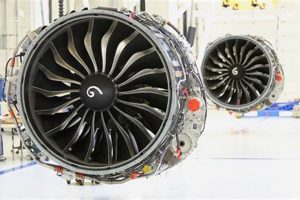
Manufacturing and integration represent a critical juncture in the aerospace system development methodology, directly impacting the realization of design specifications and the overall functionality of the final product. Manufacturing encompasses the fabrication of individual components, utilizing processes ranging from machining and composite layup to additive manufacturing and specialized treatments. Integration, conversely, involves the assembly of these components into subsystems and ultimately, the complete aerospace system. The efficacy of manufacturing techniques and the precision of the integration phase directly influence the performance, reliability, and cost-effectiveness of the developed system. For example, the precise manufacturing and integration of turbine blades within a jet engine directly affect engine efficiency and thrust output. Any deviation from design tolerances can result in reduced performance, increased fuel consumption, and potential safety hazards.
Effective manufacturing strategies necessitate close collaboration between design and manufacturing engineers. Design for manufacturability (DFM) principles are implemented to ensure that components can be produced efficiently and within specified tolerances. Similarly, design for assembly (DFA) guidelines are followed to streamline the integration process, minimizing the risk of errors and reducing assembly time. The integration of complex systems, such as spacecraft, often takes place in cleanroom environments to prevent contamination that could compromise performance. The use of automated assembly systems and robotic technologies is increasingly prevalent in aerospace manufacturing, improving precision, reducing labor costs, and enhancing worker safety. Furthermore, advanced simulation and modeling tools are utilized to optimize manufacturing processes and predict potential integration challenges before they arise.
In conclusion, manufacturing and integration are not merely the final stages of system development; they are integral elements that directly affect the system’s performance, reliability, and overall success. By emphasizing DFM/DFA principles, utilizing advanced manufacturing techniques, and employing rigorous quality control measures during integration, it is possible to produce aerospace systems that meet demanding performance requirements and adhere to strict safety standards. A lack of attention to these critical areas can negate even the most innovative design concepts, resulting in costly rework, performance deficiencies, and potential safety risks. Therefore, it’s imperative that manufacturing and integration processes are meticulously planned and executed as a crucial component of any aerospace undertaking.
6. Verification & Validation

Verification and Validation (V&V) are indispensable elements within the aerospace engineering process, acting as gatekeepers to ensure that developed systems meet both design specifications and intended operational needs. Verification confirms that a system is built correctly (“building the system right”), assessing whether each stage of development adheres to predefined requirements. Validation, conversely, ensures the right system is built (“building the right system”), determining if the final product fulfills the user’s needs and mission objectives in the intended operational environment. The absence of rigorous V&V can lead to catastrophic failures, such as the loss of the Mars Climate Orbiter due to a unit conversion error, highlighting the critical role V&V plays in mitigating risk. The cause and effect relationship is clear: deficient V&V practices directly correlate to increased risks of system malfunction, mission failure, and potential loss of life.
The integration of V&V activities occurs throughout the entire system lifecycle, from initial requirements definition to final operational deployment. At the requirements level, V&V ensures clarity, completeness, and testability. During design and development, V&V utilizes techniques such as simulations, code reviews, and hardware-in-the-loop testing to identify and rectify errors early. For example, computational fluid dynamics (CFD) simulations are used to verify the aerodynamic performance of aircraft designs, while hardware-in-the-loop testing validates the interaction between flight control software and physical actuators. These continuous checks and balances not only improve system reliability but also reduce development costs by preventing errors from propagating to later stages. In-service monitoring and data analysis provide ongoing validation of system performance under real-world conditions, informing future design improvements and maintenance strategies.
Effective V&V strategies in aerospace engineering require a multifaceted approach encompassing rigorous testing, comprehensive documentation, and independent review. The investment in robust V&V methodologies is not merely a regulatory requirement but an ethical imperative, safeguarding against potential hazards and ensuring the safe and reliable operation of complex aerospace systems. The challenges of V&V in increasingly complex systems necessitate the adoption of advanced techniques such as formal methods and artificial intelligence-assisted testing. The ultimate goal remains clear: to guarantee that aerospace systems meet or exceed expectations in all operational scenarios, providing safe and effective solutions for the needs of society.
7. Operation & Maintenance

Operation and Maintenance (O&M) are inextricably linked to the overall aerospace engineering process, constituting the post-development phase focused on ensuring continued safe, reliable, and efficient performance of aerospace systems. This phase is not merely an afterthought but an integral component of the engineering lifecycle, heavily influenced by design decisions made during earlier stages. Design features that facilitate ease of maintenance, improved diagnostics, and reduced operational costs are directly beneficial. A well-designed system anticipates potential failures and incorporates redundancies, diagnostic capabilities, and easily accessible components for routine maintenance. Poor design choices can result in costly repairs, increased downtime, and compromised safety. For instance, a satellite’s design must consider the limited accessibility for in-orbit repairs, necessitating robust redundancy and reliable components to minimize the need for intervention.
The operational phase generates valuable data that feeds back into the aerospace engineering process, informing future design iterations and improvements. Analysis of maintenance records, performance data, and failure modes provides insights into areas where design modifications can enhance reliability, reduce maintenance requirements, and improve operational efficiency. This closed-loop feedback mechanism allows for continuous improvement and optimization of aerospace systems. Consider the case of commercial aircraft engines; data collected during routine maintenance and flight operations is used to identify common failure points and improve engine design, leading to increased reliability and reduced maintenance costs. Similarly, in the space industry, telemetry data from orbiting satellites is analyzed to identify performance degradation and optimize operational parameters, extending the satellite’s lifespan.
In conclusion, Operation and Maintenance are crucial considerations throughout the aerospace engineering process, influencing design, development, and continuous improvement efforts. The incorporation of maintainability and operational considerations early in the design phase leads to more reliable, efficient, and cost-effective systems. Effective O&M practices are essential for ensuring the long-term success and safety of aerospace endeavors, highlighting the significance of a holistic approach to aerospace engineering that encompasses the entire system lifecycle, from initial concept to decommissioning.
Frequently Asked Questions on Aerospace Engineering Process
This section addresses common inquiries regarding the sequence of activities involved in the development of aerospace systems. The responses provided aim to clarify misconceptions and provide factual information.
Question 1: Is the aerospace engineering process strictly linear, or does it allow for iteration?
The methodology is iterative. While a general sequence exists, feedback loops and revisions are integral due to complexities and unforeseen challenges arising throughout development. Testing results, for example, may necessitate design changes, requiring a return to earlier phases.
Question 2: What are the most significant risks associated with neglecting rigorous requirements specification?
Inadequate requirements specification leads to ambiguity, misinterpretation, and ultimately, systems that fail to meet intended needs. This can result in costly rework, schedule delays, and, in critical applications, safety compromises.
Question 3: How is technology readiness level (TRL) assessed and managed within the conceptual design phase?
Technology Readiness Assessment (TRA) involves evaluating the maturity of critical technologies. Technologies with low TRLs introduce significant risks and require additional research and development efforts to mitigate potential failures during later stages.
Question 4: What role do simulations play in the aerospace system development methodology?
Simulations are crucial at all stages, from conceptual design to detailed design and verification. They allow engineers to assess performance, identify potential flaws, and optimize designs before committing to physical prototyping and expensive testing.
Question 5: What are the key considerations during the manufacturing and integration phase to ensure product quality?
Key considerations include Design for Manufacturability (DFM), adherence to strict tolerances, rigorous quality control procedures, and meticulous documentation. These ensure that components are produced to specifications and integrated seamlessly.
Question 6: What are the differences between verification and validation in the context of aerospace engineering?
Verification confirms that a system is built according to specifications (“building the system right”). Validation ensures that the system meets intended needs and mission objectives (“building the right system”). Both are necessary for ensuring a successful outcome.
The preceding questions and answers highlight the complexity and rigor inherent in aerospace system development. Understanding these key aspects is crucial for appreciating the challenges and rewards of this discipline.
Further resources for in-depth information can be found in specialized aerospace engineering handbooks and publications. Consulting experienced aerospace engineers is also advisable.
Conclusion
The preceding discourse has examined various facets of the aerospace engineering process, from initial requirements specification to operational maintenance. Key elements discussed include the iterative nature of the methodology, the criticality of requirements traceability, the role of simulation and testing, and the importance of verification and validation. Rigorous adherence to each stage contributes directly to the safety, reliability, and performance of aerospace systems. Neglecting any single phase introduces increased risk and potential for failure.
Given the growing complexity of aerospace systems and the increasing demands for safety, efficiency, and sustainability, a continued focus on refining and improving the aerospace engineering process remains paramount. Further research and development in areas such as advanced materials, autonomous systems, and model-based engineering will contribute to advancements in future aerospace systems. Diligence in applying established principles and embracing innovation are essential for continued success in this challenging and vital field.


![Top MS Aerospace Engineering in Germany [Guide] | Innovating the Future of Flight with Reliable Aviation Solutions](https://mixaerospace.com/wp-content/uploads/2026/05/th-183-300x200.jpg "Top MS Aerospace Engineering in Germany [Guide] Innovating the Future of Flight with Reliable Aviation Solutions")