Opportunities within the Mexican aviation and space sector encompass a range of roles, from engineering and manufacturing to quality control and management. These positions contribute to the design, production, maintenance, and operation of aircraft and related technologies within the country’s burgeoning aerospace industry. For example, a mechanical engineer might work on designing aircraft components, while a quality assurance specialist ensures adherence to international safety standards.
The availability of professional roles in this field offers significant economic advantages. It fosters technological advancement, attracts foreign investment, and contributes to a highly skilled workforce. Historically, Mexico’s strategic location and supportive government policies have cultivated a competitive environment, making it an attractive hub for aerospace manufacturing and related activities. This has led to increased job creation and economic growth.
The subsequent sections will delve into the specific types of roles available, the required skills and qualifications, geographical concentrations of these opportunities, and factors contributing to the industry’s ongoing expansion within the nation.
This section provides guidance for professionals seeking employment within Mexico’s dynamic aviation and space industry. Adherence to these recommendations can enhance the likelihood of securing a rewarding career.
Tip 1: Develop Specialized Skills: Target educational programs and certifications relevant to in-demand areas such as composite materials, avionics, or aerospace engineering. Possessing specialized expertise makes candidates highly competitive.
Tip 2: Master Bilingual Communication: Fluency in both Spanish and English is often a prerequisite, given the international nature of the industry. Strong communication skills facilitate collaboration with multinational teams and clients.
Tip 3: Target Key Geographical Hubs: Focus job searches on regions with significant aerospace activity, such as Quertaro, Baja California, and Chihuahua. These areas boast established industrial clusters and higher concentrations of related enterprises.
Tip 4: Network Actively: Attend industry conferences, join professional organizations (e.g., FEMIA), and connect with individuals working in the field. Networking expands awareness of unadvertised openings and potential mentors.
Tip 5: Research Specific Company Needs: Before applying, thoroughly investigate potential employers’ activities, technologies, and strategic priorities. Tailoring applications and resumes to match specific requirements demonstrates genuine interest.
Tip 6: Understand Mexican Labor Laws: Familiarize oneself with Mexican employment regulations regarding contracts, benefits, and worker rights. Knowledge of these legal aspects contributes to a smoother transition into the workforce.
Tip 7: Emphasize Adaptability: Demonstrate a willingness to learn new technologies, adjust to different cultural norms, and thrive in a fast-paced environment. Adaptability is a crucial attribute in this evolving sector.
By implementing these strategies, individuals can significantly increase their prospects of finding rewarding roles within the Mexican aviation and space industry. Proactive preparation and a focused approach are essential for success.
The following sections will explore the long-term outlook for this sector and its implications for career growth.
1. Engineering Dominance

The prevalence of engineering roles within Mexico’s aviation and space sector reflects the industry’s fundamental reliance on specialized technical expertise. The design, development, testing, and maintenance of aircraft and associated systems necessitate a highly skilled workforce proficient in various engineering disciplines. This demand directly influences the availability and nature of professional opportunities. For instance, the expansion of composite materials manufacturing in Mexico generates significant demand for materials engineers, driving growth in those specific job categories.
The competitive advantage that engineering dominance creates contributes significantly to attracting foreign investment and fostering technological innovation. Companies establish operations in Mexico, drawn by the availability of skilled engineers capable of supporting complex manufacturing processes and research endeavors. This is exemplified by the numerous aerospace component manufacturing plants located in Queretaro which employ large number of engineers for production and quality control. The presence of a robust engineering talent pool not only stimulates job creation but also elevates the technological sophistication of the sector.
The sustained success of the industry hinges on the continued investment in engineering education and training programs. Furthermore, a concerted effort to attract and retain engineering talent is essential to maintaining the sector’s competitive edge. Any shortfall in engineering expertise would inevitably impede growth and could potentially undermine Mexico’s position as a leading destination for aerospace manufacturing and related activities. This understanding underpins the strategic importance of promoting engineering as a viable career path within the nation.
2. Manufacturing Emphasis

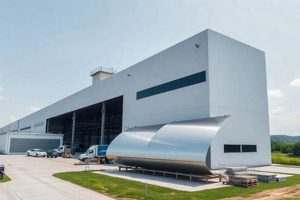
The prominence of manufacturing within Mexico’s aerospace sector is inextricably linked to the availability and nature of professional roles. The nation’s strategic focus on aerospace manufacturing shapes the skills demanded, the locations of employment opportunities, and the overall trajectory of the industry.
- Assembly and Production Roles
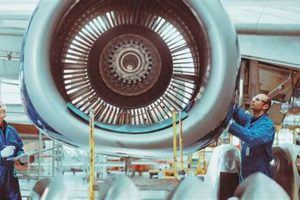
A significant portion of the workforce is engaged in the assembly and production of aircraft components and systems. This includes roles such as aircraft mechanics, assemblers, and production supervisors. For example, large manufacturing facilities in Baja California employ numerous technicians responsible for assembling aircraft wiring harnesses. The prevalence of these positions emphasizes the importance of skilled labor and adherence to stringent quality control standards.
- Supply Chain Management
The aerospace industry relies on a complex global supply chain. Within Mexico, this translates to opportunities in logistics, procurement, and materials management. Professionals in these roles ensure the efficient flow of components and materials necessary for manufacturing processes. Instances include coordinating the import of specialized alloys from international suppliers, highlighting the need for expertise in international trade and logistics.
- Quality Assurance and Control
Maintaining stringent quality standards is paramount in aerospace manufacturing. This drives demand for quality assurance specialists, inspectors, and auditors who ensure compliance with international regulations and customer specifications. For example, quality control engineers at manufacturing plants implement rigorous inspection protocols to detect defects in fabricated components. The emphasis on quality reflects the critical nature of aerospace components and systems.
- Process Optimization and Automation
To enhance efficiency and competitiveness, manufacturers are increasingly investing in process optimization and automation technologies. This creates opportunities for industrial engineers, automation specialists, and robotics technicians. For instance, facilities are adopting automated drilling and fastening systems to improve production speed and precision, generating demand for professionals skilled in automation technologies.
The focus on manufacturing profoundly influences the skills required and the career paths available within the Mexican aerospace sector. Individuals seeking roles in this industry should prioritize developing expertise in manufacturing processes, quality control, and related fields to capitalize on the available opportunities. This manufacturing emphasis not only creates jobs but also elevates Mexico’s position as a key player in the global aerospace supply chain.
3. Bilingual Proficiency

Bilingual proficiency, specifically fluency in both Spanish and English, functions as a critical determinant for success in the Mexican aviation and space sector. The globalized nature of the industry necessitates effective communication across international boundaries, rendering bilingualism a fundamental skill for many roles.
- Facilitating International Collaboration
The aerospace sector frequently involves collaboration with international partners, suppliers, and clients. Bilingual professionals are essential for bridging communication gaps, negotiating contracts, and ensuring smooth project execution. Examples include engineers participating in joint design projects with foreign companies or sales representatives managing international accounts. This collaboration requires proficiency in both technical terminology and general communication skills.
- Accessing Technical Documentation and Training
Much of the technical documentation, training materials, and industry standards are available primarily in English. Professionals who are fluent in English can access and understand these resources, enabling them to stay abreast of the latest technologies and best practices. For example, engineers may need to interpret complex technical specifications written in English, or mechanics may require English proficiency to understand maintenance manuals.
- Enhancing Career Advancement Opportunities
Bilingualism enhances career advancement opportunities within the Mexican aviation and space sector. Professionals with strong language skills are often preferred for positions that involve international travel, client interaction, or management responsibilities. Examples include project managers overseeing international projects or executives representing their companies at global conferences. The ability to communicate effectively in both languages expands the scope of potential roles.
- Attracting Foreign Investment
The availability of a bilingual workforce is a significant factor in attracting foreign investment to Mexico’s aviation and space sector. Companies seeking to establish operations in Mexico often prioritize locations with a pool of bilingual talent. For example, foreign companies establishing manufacturing facilities require local staff capable of communicating effectively with their headquarters. This attraction of foreign investment further stimulates job creation and economic growth.
In summary, bilingual proficiency is not merely an asset but often a necessity for accessing and advancing within the landscape of opportunities available in Mexico’s aerospace job market. It underpins international collaboration, facilitates access to technical knowledge, enhances career prospects, and bolsters Mexico’s attractiveness as a destination for aerospace investment.
4. Strategic Locations

The geographical concentration of aerospace operations within Mexico significantly influences the distribution and availability of professional roles. Certain regions have emerged as key hubs due to a confluence of factors, including proximity to key markets, established infrastructure, government incentives, and a skilled workforce. This concentration creates localized job markets with distinct characteristics and opportunities. For instance, the state of Queretaro has become a prominent center for aerospace manufacturing and engineering services, leading to a high density of positions related to aircraft component production, design, and testing.
The importance of these strategic locations stems from the synergistic effects of co-location. Aerospace companies benefit from proximity to suppliers, research institutions, and other related businesses. This proximity reduces transportation costs, facilitates collaboration, and fosters innovation. Consider Baja California, which benefits from its proximity to the US aerospace industry. The state’s strategic location has encouraged the establishment of numerous maintenance, repair, and overhaul (MRO) facilities, generating employment for aircraft mechanics, technicians, and support staff. Government incentives, such as tax breaks and infrastructure investments, further amplify the attractiveness of these regions, driving economic growth and job creation.
Understanding the role of strategic locations is critical for individuals seeking related employment within Mexico’s aviation and space sector. Focusing job searches on these key regions increases the likelihood of finding suitable positions. Moreover, awareness of the specific industries and activities concentrated in each location allows job seekers to tailor their skills and applications accordingly. The continued growth of the aerospace sector in these strategic locations hinges on sustained investment in infrastructure, education, and workforce development, presenting long-term career opportunities for qualified professionals.
5. Growth Projections

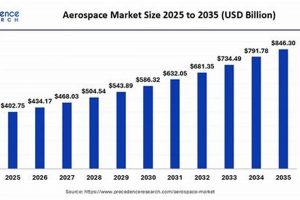
Growth projections within the Mexican aviation and space sector are directly correlated with the availability and evolution of opportunities. Positive forecasts regarding industry expansion serve as a primary indicator of future employment potential. These projections, often based on factors such as increasing air travel, foreign direct investment, and government support, directly translate into anticipated increases in manufacturing output, research and development activities, and associated employment requirements. For example, projected increases in aircraft component manufacturing output necessitates the hiring of additional engineers, technicians, and production staff.
The practical significance of these forecasts lies in their ability to inform strategic decision-making for both job seekers and industry stakeholders. Potential employees can use growth projections to identify areas of increasing demand and align their skills accordingly. Educational institutions and training providers can leverage this information to tailor their programs to meet the evolving needs of the industry. For instance, a projected increase in demand for composite materials specialists could lead to the development of specialized training programs focused on this area. Similarly, companies can use growth projections to inform their investment decisions and workforce planning.
However, the realization of projected growth and the subsequent increase in opportunities are contingent upon several factors, including sustained economic stability, continued government support, and the ability to address challenges such as workforce skills gaps and infrastructure limitations. Despite these potential obstacles, the projected expansion of Mexico’s aerospace sector offers considerable promise for creating numerous opportunities across a spectrum of disciplines. Continuous monitoring of these projections and a proactive approach to skills development are vital for maximizing the benefits of this expansion.
Frequently Asked Questions
The following section addresses common inquiries regarding employment in Mexico’s aviation and space sector, providing clarity and factual information.
Question 1: What educational qualifications are generally required for these positions?
Typically, roles necessitate a bachelor’s degree in a relevant engineering discipline (e.g., aerospace, mechanical, electrical) or a related technical field. Certain positions, particularly those involving research and development, may require advanced degrees.
Question 2: Which skills are most sought after by employers in this sector?
Employers prioritize candidates with expertise in areas such as CAD/CAM software, composite materials, avionics, quality control systems, and project management. Proficiency in both English and Spanish is also highly valued.
Question 3: Are there specific regions within Mexico where opportunities are more concentrated?
Opportunities tend to cluster in states with significant aerospace activity, including Queretaro, Baja California, Chihuahua, and Nuevo Leon. These regions possess established industrial clusters and attract foreign investment.
Question 4: What is the typical salary range for positions in this field?
Salary ranges vary depending on the specific role, experience level, and location. However, compensation is generally competitive compared to other engineering and technical professions within Mexico.
Question 5: What are the primary challenges facing the Mexican aerospace sector?
Key challenges include addressing workforce skills gaps, ensuring compliance with international regulations, and maintaining competitiveness in the global market.
Question 6: How can individuals increase their chances of securing employment in this industry?
Developing specialized skills, mastering bilingual communication, networking with industry professionals, and targeting key geographical hubs are essential strategies for enhancing employment prospects.
This FAQ section provides a concise overview of key considerations for individuals pursuing careers in Mexico’s aviation and space industry. Proactive preparation and a focused approach are essential for success.
The concluding section will summarize the key insights presented in this article and offer a final perspective on the future of this career landscape.
Aerospace Jobs in Mexico
The preceding sections have detailed the landscape of aerospace jobs in mexico, encompassing the types of roles available, the skills required, the geographic distribution of opportunities, and the factors driving industry growth. The discussion highlighted the dominance of engineering positions, the importance of manufacturing operations, the necessity of bilingual proficiency, the strategic importance of specific locations, and the promising long-term growth projections for the sector.
The Mexican aviation and space industry presents both significant opportunities and critical challenges. Addressing workforce skills gaps, ensuring regulatory compliance, and maintaining global competitiveness are vital for sustained growth. Professionals considering aerospace jobs in mexico should focus on acquiring in-demand skills, developing strong communication abilities, and actively engaging with the industry. The nation’s continued success in this field will depend on the collaborative efforts of government, industry, and educational institutions to cultivate a skilled workforce and a supportive business environment. The future trajectory of this sector warrants close attention from both job seekers and industry stakeholders.