The pursuit of higher education in aerospace engineering is a significant undertaking. The optimal institution for this discipline provides a robust curriculum, cutting-edge research opportunities, and strong industry connections. For example, universities with dedicated aerospace departments and specialized facilities, such as wind tunnels and flight simulators, are generally considered advantageous.
Selecting an appropriate academic environment profoundly impacts an individual’s career trajectory and potential for innovation. A program renowned for its faculty expertise, state-of-the-art resources, and successful alumni network enhances a graduate’s competitiveness in the job market. Historically, institutions with long-standing aerospace programs have cultivated influential partnerships with government agencies and private companies, fostering valuable internship and employment prospects.
The following sections will delve into specific criteria to consider when evaluating potential aerospace engineering programs, examining factors such as faculty credentials, research capabilities, program structure, and geographic location, all of which contribute to a superior educational experience.
Guidance for Aspiring Aerospace Engineers
Selecting a suitable academic institution for aerospace engineering requires careful consideration. The following guidance aims to provide prospective students with key factors to evaluate when making this important decision.
Tip 1: Evaluate Faculty Expertise. The credentials and research experience of the faculty directly impact the quality of education. Seek institutions where professors are actively engaged in relevant research and possess strong publication records. For instance, professors with NASA or industry experience can offer valuable insights.
Tip 2: Assess Research Opportunities. Hands-on research experience is crucial in aerospace engineering. Determine if the institution offers opportunities to participate in research projects, design competitions (e.g., AIAA Design/Build/Fly), or independent study. Access to specialized laboratories and equipment is also paramount.
Tip 3: Consider Program Accreditation. Ensure the program holds accreditation from a recognized body, such as ABET (Accreditation Board for Engineering and Technology). Accreditation signifies that the program meets established quality standards and prepares graduates for professional licensure.
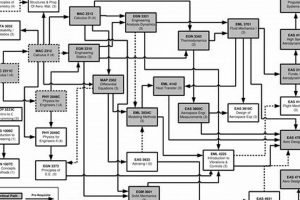
Tip 4: Analyze Curriculum Rigor. The curriculum should cover core aerospace engineering principles, including aerodynamics, propulsion, structures, and control systems. Look for specialized courses that align with individual interests, such as spacecraft design or computational fluid dynamics.
Tip 5: Investigate Industry Connections. Institutions with strong ties to the aerospace industry provide valuable internship and career opportunities. Explore partnerships with companies like Boeing, Lockheed Martin, or SpaceX. Career fairs and employer information sessions offer additional networking avenues.
Tip 6: Review Available Resources. Access to state-of-the-art facilities, including wind tunnels, flight simulators, and computational resources, enhances the learning experience. Consider the availability of libraries, online resources, and student support services.
Tip 7: Examine Location and Cost. The geographic location of the institution can impact career prospects and cost of living. Research potential internship and job opportunities in the surrounding area. Factor in tuition fees, living expenses, and financial aid options.
By carefully evaluating these factors, prospective students can increase their chances of selecting an academic environment that fosters success in the demanding field of aerospace engineering. A well-informed decision leads to a more rewarding and impactful career.
The subsequent section will explore specific institutions known for their exceptional aerospace engineering programs, providing a comparative analysis of their strengths and weaknesses.
1. Faculty Expertise

Faculty expertise is a cornerstone of any superior aerospace engineering program. The qualifications, experience, and research contributions of the faculty profoundly influence the quality of education, research opportunities, and overall student development, thereby significantly impacting what constitutes the most desirable institution for pursuing this discipline.
- Subject Matter Mastery
Professors with deep knowledge in specialized areas of aerospace engineering, such as aerodynamics, propulsion, or astrodynamics, provide students with a robust understanding of fundamental principles. Their ability to convey complex concepts clearly and accurately is paramount to student comprehension. For instance, a professor specializing in computational fluid dynamics can guide students through simulations of airflow over aircraft wings, offering invaluable insights not obtainable through textbooks alone. The presence of faculty with demonstrated mastery in specific fields signifies a commitment to academic rigor and specialized instruction.
- Research Contributions and Innovation
Faculty actively engaged in cutting-edge research offer students opportunities to participate in innovative projects and contribute to advancements in the field. Their research involvement exposes students to real-world challenges and fosters critical thinking skills. For example, a professor working on developing new propulsion systems for spacecraft could involve students in designing and testing prototype engines. The emphasis on research not only enriches the educational experience but also prepares students for future research or development roles in industry or academia.
- Industry Experience and Connections
Faculty members with practical experience in the aerospace industry provide invaluable insights into the application of theoretical knowledge and the realities of engineering practice. Their industry connections can facilitate internships, job opportunities, and collaborations with aerospace companies. A professor who previously worked as a structural engineer at Boeing could offer students unique perspectives on aircraft design and manufacturing processes. The combination of academic and industrial expertise creates a more comprehensive and relevant educational experience.
- Mentorship and Guidance
Professors serve as mentors, guiding students in their academic and professional development. Their accessibility, willingness to provide support, and ability to inspire students are crucial factors in fostering a positive learning environment. Effective mentors can help students identify their strengths, overcome challenges, and make informed career decisions. A supportive and engaged faculty is often cited by successful aerospace engineers as a critical component of their academic journey.
In conclusion, faculty expertise is an essential element when evaluating the best place to study aerospace engineering. The combined effects of subject matter mastery, research contributions, industry experience, and mentorship directly translate into a superior educational environment, preparing graduates for success in the demanding and rapidly evolving field of aerospace.
2. Research Opportunities
The availability and quality of research opportunities are fundamentally linked to the assessment of what constitutes an optimal academic environment for aerospace engineering. Robust research programs offer students practical, hands-on experience, solidifying theoretical knowledge and developing essential skills for innovation and problem-solving. These opportunities directly impact a student’s preparedness for advanced studies and professional careers.
Institutions recognized for their leading-edge research, such as the Massachusetts Institute of Technology (MIT) and the California Institute of Technology (Caltech), exemplify this connection. MIT’s Space Propulsion Laboratory, for instance, allows students to participate in experimental studies of advanced propulsion concepts. Similarly, Caltech’s involvement with the Jet Propulsion Laboratory (JPL) provides unparalleled access to real-world space exploration missions and related research activities. These experiences are invaluable in shaping the next generation of aerospace engineers, allowing them to contribute meaningfully to the field.
Ultimately, a strong emphasis on research signifies an institution’s commitment to advancing aerospace engineering knowledge and providing students with a competitive edge. The quality of research opportunities is, therefore, a critical factor in determining the best place to study aerospace engineering. Students should prioritize institutions that actively foster research and provide opportunities to engage in impactful projects, thus enhancing their potential for future success in the field.
3. Industry Connections

The strength of an aerospace engineering program’s industry connections directly influences its value and effectiveness in preparing students for professional careers. Robust partnerships with aerospace companies, government agencies, and research institutions translate into tangible benefits for students, shaping their academic experiences and future prospects. A strong network enables access to internships, research collaborations, guest lectures, and employment opportunities, forming a crucial component of the “best place to study aerospace engineering”. For example, universities with close ties to Boeing or Lockheed Martin often provide students with exclusive internship positions, offering invaluable real-world experience. Similarly, collaborations with NASA allow students to contribute to cutting-edge space exploration projects.
The practical implications of these industry connections extend beyond initial employment. They provide students with a nuanced understanding of current industry trends, challenges, and technological advancements. Guest lectures and workshops led by industry professionals offer insights into the application of theoretical knowledge and the skills required for success in the field. Furthermore, participation in industry-sponsored projects equips students with essential teamwork, communication, and problem-solving skills, highly valued by employers. The presence of an active industry advisory board further ensures that the curriculum remains relevant and aligned with industry needs, enhancing the program’s competitiveness.
In summary, strong industry connections are not merely an added benefit but a fundamental requirement for a top-tier aerospace engineering program. These connections bridge the gap between academia and industry, providing students with unparalleled opportunities for practical experience, career development, and professional networking. Prospective aerospace engineering students should carefully evaluate the industry partnerships of potential programs, recognizing their crucial role in shaping a successful career trajectory.
4. Curriculum Rigor

Curriculum rigor is a foundational component in determining what constitutes the best place to study aerospace engineering. A demanding and comprehensive curriculum directly impacts a student’s knowledge base, problem-solving abilities, and preparedness for the complex challenges inherent in the aerospace field. The breadth and depth of the coursework, encompassing core principles of aerodynamics, propulsion, structures, and control systems, serve as the bedrock for future innovation and professional competence. Programs lacking in rigor may leave graduates ill-equipped to handle the demands of advanced engineering roles, ultimately hindering their career progression.
The practical significance of curriculum rigor is evident in the performance of graduates in real-world aerospace applications. For example, engineers tasked with designing a more fuel-efficient aircraft rely on a deep understanding of fluid dynamics, materials science, and control theory – all typically addressed within a rigorous aerospace engineering curriculum. A well-structured program also fosters critical thinking and analytical skills through challenging assignments, research projects, and design competitions. These experiences allow students to apply theoretical concepts to practical problems, further solidifying their understanding and developing valuable engineering judgment. Institutions recognized for producing successful aerospace engineers, such as Georgia Tech and the University of Michigan, consistently emphasize a demanding curriculum with a strong focus on fundamental principles and hands-on application.
Ultimately, curriculum rigor serves as a critical differentiator among aerospace engineering programs. It directly influences the quality of graduates and their ability to contribute meaningfully to the advancement of the aerospace industry. Prospective students should carefully evaluate the depth, breadth, and practical application of the curriculum when selecting an academic institution. Prioritizing a program known for its rigor ensures a solid foundation for a successful and impactful career in aerospace engineering, effectively addressing the critical factor in identifying the best place to pursue this challenging yet rewarding field.
5. Accreditation Status
Accreditation status is a critical determinant of the educational quality and recognition of an aerospace engineering program. Its influence is so profound that it directly shapes the identification of the “best place to study aerospace engineering.” Accreditation, particularly from recognized bodies like ABET (Accreditation Board for Engineering and Technology), signifies that a program meets established standards for curriculum content, faculty qualifications, facilities, and student outcomes. This validation provides assurance that graduates possess the necessary knowledge and skills to enter the aerospace engineering profession competently. Without proper accreditation, a program’s reputation and the marketability of its graduates can be severely compromised. For example, employers often prioritize candidates from ABET-accredited programs, as it serves as a benchmark for quality education. Furthermore, graduates may find it more difficult to obtain professional engineering licenses or pursue advanced degrees if their undergraduate program lacks accreditation.
The practical significance of accreditation extends beyond employment prospects. It ensures that the curriculum is regularly evaluated and updated to reflect current industry practices and technological advancements. This continuous improvement process enhances the relevance and value of the education received. Accredited programs typically undergo periodic reviews, requiring institutions to demonstrate ongoing compliance with established standards. This accountability mechanism fosters a culture of excellence and ensures that students are receiving a high-quality education. Furthermore, accreditation often involves input from industry professionals, providing valuable insights into the skills and knowledge most sought after by employers. This feedback loop ensures that the curriculum remains aligned with industry needs and prepares students for immediate contribution upon graduation. An example of this is demonstrated in schools like Purdue and Embry-Riddle, where active accreditation ensures up-to-date curriculum.
In conclusion, accreditation status is not merely a formality but a fundamental indicator of program quality and a critical factor when identifying the “best place to study aerospace engineering.” Its absence raises serious concerns about the rigor and relevance of the education provided. Prospective students should prioritize accredited programs to ensure they receive a valuable education that prepares them for a successful career in the aerospace field. Choosing an accredited program mitigates the risk of investing time and resources in a program that may not meet industry standards or provide adequate preparation for professional practice, and is a critical step for future employment and career mobility.
6. Resources Available
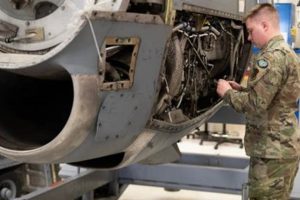
The breadth and quality of available resources are intrinsically linked to the designation of an institution as the “best place to study aerospace engineering.” Access to advanced laboratories, specialized software, comprehensive libraries, and dedicated support services directly influences the depth of a student’s learning experience and the development of practical skills essential for success in the field. The presence of these resources provides an environment conducive to innovation, research, and hands-on learning, shaping the overall educational outcome. For instance, a university equipped with a state-of-the-art wind tunnel enables students to conduct aerodynamic experiments and validate theoretical models, providing invaluable real-world experience. Access to high-performance computing clusters facilitates complex simulations of flight dynamics and structural analysis, enhancing understanding of complex engineering problems.
Furthermore, the availability of specialized software licenses for industry-standard tools such as CAD (Computer-Aided Design) software, FEA (Finite Element Analysis) software, and CFD (Computational Fluid Dynamics) software is crucial for preparing students for professional practice. These tools allow students to design, analyze, and optimize aerospace systems, developing skills directly applicable to industry roles. The accessibility of comprehensive libraries with extensive collections of books, journals, and technical reports provides students with a wealth of information for research and project work. Dedicated support services, including tutoring, career counseling, and mentorship programs, contribute to student success by providing guidance and support throughout their academic journey. Access to fabrication labs including 3D printers, laser cutters, and CNC machines provide students the ability to rapidly prototype their designs and test their functionality.
In conclusion, the resources available within an aerospace engineering program serve as a tangible measure of its commitment to providing a high-quality education. Institutions that prioritize investment in these resources create an environment that fosters innovation, prepares students for the demands of the aerospace industry, and enhances their competitiveness in the job market. Consequently, the presence of comprehensive and up-to-date resources is a decisive factor when evaluating the “best place to study aerospace engineering,” reflecting a commitment to student success and the advancement of the field.
7. Location Benefits
Geographic location significantly influences the selection of an institution to pursue aerospace engineering studies. Proximity to aerospace industry hubs, research facilities, and government agencies offers distinct advantages that contribute to an enriched educational experience and enhanced career prospects.
- Proximity to Industry
Institutions situated near aerospace industry centers provide students with increased internship and employment opportunities. Access to companies such as Boeing, Lockheed Martin, SpaceX, and Northrop Grumman facilitates valuable hands-on experience and networking possibilities. For example, universities in Southern California, home to numerous aerospace firms, offer students exposure to real-world engineering challenges and potential career paths.
- Access to Research Facilities
Location near government research facilities, such as NASA centers or Air Force Research Laboratories, allows students to participate in cutting-edge research projects and collaborate with leading scientists and engineers. These partnerships provide invaluable experience in developing and testing advanced aerospace technologies. Universities located in close proximity to these facilities, such as those near NASA’s Johnson Space Center in Houston, benefit from access to specialized equipment and expertise.
- Networking Opportunities
Geographic location can impact the availability of professional networking events and conferences. Being situated in a region with a strong aerospace presence increases opportunities to connect with industry professionals, attend technical seminars, and participate in career fairs. These interactions can lead to valuable mentorships, collaborations, and job prospects. Cities with active chapters of professional organizations like the American Institute of Aeronautics and Astronautics (AIAA) often host events that foster networking among students and industry experts.
- Cost of Living and Quality of Life
The cost of living and overall quality of life in a particular location can influence a student’s ability to focus on academic pursuits and participate in extracurricular activities. High living expenses may present financial challenges that detract from the learning experience. Conversely, a location with affordable housing, recreational opportunities, and cultural amenities can enhance a student’s well-being and overall academic performance. Therefore, prospective students should consider the economic and social environment of potential university locations when evaluating their options.
In conclusion, location benefits represent a critical factor in determining the optimal environment for aerospace engineering education. The confluence of industry proximity, research access, networking opportunities, and quality of life considerations collectively shapes a student’s academic and professional trajectory, ultimately influencing their long-term success in the aerospace field.
Frequently Asked Questions About Selecting an Aerospace Engineering Program
This section addresses common inquiries related to identifying the most suitable academic environment for aerospace engineering studies. The following questions and answers aim to provide clarity and guidance for prospective students.
Question 1: What constitutes a “best place to study aerospace engineering,” and how is it objectively determined?
The “best place to study aerospace engineering” is a subjective assessment based on individual priorities and academic goals. Objectively, it is determined by evaluating factors such as accreditation status (e.g., ABET), faculty expertise, research opportunities, industry connections, curriculum rigor, available resources (e.g., wind tunnels, computational facilities), and graduate employment rates. A comprehensive assessment of these factors provides a comparative framework for evaluating potential programs.
Question 2: Is geographic location a significant factor in determining the “best place to study aerospace engineering?”
Yes, geographic location plays a crucial role. Proximity to aerospace industry hubs, government research facilities (e.g., NASA centers), and networking opportunities can significantly enhance internship and employment prospects. However, cost of living and overall quality of life should also be considered, as these factors can impact a student’s ability to focus on their studies.
Question 3: How important is program accreditation when selecting the “best place to study aerospace engineering?”
Program accreditation, particularly from ABET, is essential. Accreditation signifies that the program meets established standards for curriculum content, faculty qualifications, and student outcomes. Graduates from accredited programs are often preferred by employers and are eligible for professional licensure.
Question 4: What role do research opportunities play in identifying the “best place to study aerospace engineering?”
Research opportunities are paramount. Hands-on research experience enhances theoretical knowledge and develops critical problem-solving skills. Institutions with active research programs and collaborations with industry or government agencies provide invaluable learning experiences.
Question 5: How does the curriculum rigor contribute to determining the “best place to study aerospace engineering?”
Curriculum rigor is a key indicator of program quality. A demanding and comprehensive curriculum covering core aerospace engineering principles (e.g., aerodynamics, propulsion, structures, control systems) prepares graduates for the complex challenges of the aerospace field. The presence of specialized courses and design projects further enhances the educational experience.
Question 6: What other resources, beyond the curriculum, should be evaluated when assessing the “best place to study aerospace engineering?”
In addition to curriculum, prospective students should evaluate the availability of specialized resources such as wind tunnels, flight simulators, computational facilities, and industry-standard software licenses. Comprehensive libraries, dedicated tutoring services, and career counseling resources also contribute to a supportive learning environment.
In summary, identifying the “best place to study aerospace engineering” requires a thorough evaluation of multiple factors. Accreditation, location, research opportunities, curriculum rigor, and available resources all contribute to a high-quality educational experience.
The subsequent section will offer a comparative analysis of specific institutions known for their excellence in aerospace engineering, providing insights into their strengths and weaknesses.
Conclusion
The preceding exploration of the optimal academic environment for aerospace engineering underscores the multifaceted nature of this determination. Key considerations encompass accreditation, faculty expertise, research opportunities, industry connections, curriculum rigor, available resources, and location benefits. A comprehensive evaluation of these factors is essential for prospective students seeking a program that aligns with their individual academic and career aspirations. The weight given to each factor may vary based on personal priorities, emphasizing the importance of thorough self-assessment and informed decision-making.
Selecting the “best place to study aerospace engineering” requires careful deliberation and a critical assessment of the attributes detailed herein. It is an investment in future potential and a foundational step toward contributing to the advancement of the aerospace field. The insights presented serve as a guide for aspiring engineers, empowering them to make well-informed choices that maximize their educational experience and career prospects within this challenging and dynamic discipline.