



The individual focuses on creating and improving aircraft, spacecraft, satellites, and missiles. This role involves conceptualizing new designs, analyzing the feasibility of projects, and overseeing the manufacturing process to ensure structural integrity, aerodynamic efficiency, and compliance with safety regulations. A practical example includes developing a more fuel-efficient wing design for commercial airplanes or designing a heat shield to protect spacecraft during atmospheric reentry.
This specialized engineering discipline is crucial for advancements in air travel, space exploration, and national defense. The expertise contributes to safer, more efficient transportation systems and enables groundbreaking scientific discoveries through the development of advanced space vehicles. Historically, practitioners have played a vital role in pivotal moments, such as the development of jet propulsion during World War II and the Apollo program that landed humans on the Moon. Their work directly impacts technological progress and economic growth.
The subsequent discussion will delve into the specific skills required, the typical career trajectory, and the challenges and opportunities associated with contributing to the field of aeronautical and astronautical innovation.
Essential Guidelines for Aspiring Professionals
The following recommendations are intended to assist individuals pursuing a career focused on creating sophisticated aerial and space-bound vehicles. These guidelines emphasize the acquisition of core skills, the development of practical experience, and the importance of continuous learning within the field.
Tip 1: Prioritize a strong foundation in mathematics and physics. Mastery of calculus, differential equations, and fluid dynamics is fundamental to understanding aerodynamic principles and structural mechanics.
Tip 2: Gain proficiency in computer-aided design (CAD) and computational fluid dynamics (CFD) software. Familiarity with these tools is essential for creating detailed models, simulating performance, and optimizing designs.
Tip 3: Seek out internship opportunities within the aerospace industry. Practical experience working on real-world projects provides invaluable insights and enhances career prospects. Consider internships at companies specializing in aircraft manufacturing, space exploration, or defense systems.
Tip 4: Develop strong communication and teamwork skills. Successful project completion relies on effective collaboration with engineers from various disciplines. Participate in group projects and actively contribute to team discussions.
Tip 5: Continuously update knowledge of advancements in materials science. The development of new materials with enhanced strength-to-weight ratios and thermal properties is crucial for improving the performance of aircraft and spacecraft.
Tip 6: Obtain relevant certifications. Pursuing certification through recognized aerospace engineering societies demonstrates dedication and competence to potential employers.
Tip 7: Stay abreast of regulatory changes and safety standards. Adherence to industry regulations and safety protocols is paramount in the design and operation of aerospace vehicles. Familiarity with standards set by organizations such as the FAA and NASA is essential.
Adherence to these guidelines will provide a solid foundation for a successful career in this demanding yet rewarding engineering field. The integration of theoretical knowledge with practical experience and a commitment to lifelong learning are crucial for long-term success.
The concluding section will further explore the evolving landscape and future directions within aerospace innovation.
1. Aerodynamic Efficiency

Aerodynamic efficiency represents a critical performance parameter in the development of aircraft, spacecraft, and missiles. It directly correlates with fuel consumption, range, speed, and overall operational cost, making it a central consideration for any individual involved in creating flying vehicles.
- Lift-to-Drag Ratio Optimization
The primary goal is to maximize the lift-to-drag ratio (L/D). A higher L/D indicates that the wing generates more lift for a given amount of drag, resulting in reduced fuel consumption and increased range. An example is the design of high-aspect-ratio wings, commonly used in gliders and long-range aircraft, to minimize induced drag. Those with responsibilities in this field carefully sculpt wing profiles and integrate winglets to manage airflow and reduce drag. These optimized designs are essential for enhancing performance.
- Boundary Layer Management
Controlling the boundary layer, the thin layer of air directly adjacent to the aircraft’s surface, is crucial. Turbulent boundary layers increase drag. Techniques like laminar flow control (LFC) aim to maintain a smooth, laminar boundary layer over a larger portion of the wing surface. Real-world examples include the use of suction slots on wing surfaces to remove the turbulent boundary layer, thereby reducing drag. Successful application of LFC results in significant fuel savings and improved aircraft performance.
- Minimizing Wave Drag
At transonic and supersonic speeds, the formation of shockwaves generates wave drag. Shaping the aircraft to minimize the strength and number of these shockwaves is essential for efficient high-speed flight. Aircraft designs incorporating area ruling, which involves carefully distributing the cross-sectional area of the aircraft along its length, are effective in reducing wave drag. Consequently, it enables higher speeds with reduced fuel consumption.
- Computational Fluid Dynamics (CFD) Analysis
CFD simulations are employed to analyze and optimize aerodynamic performance. These simulations enable engineers to visualize airflow patterns, identify areas of high drag, and evaluate the effectiveness of different design modifications. CFD analysis plays a critical role in validating design concepts and guiding the optimization process. The use of these tools ensures that aerodynamic performance is optimized prior to physical prototyping and testing.
These facets of aerodynamic efficiency are interconnected and demand a comprehensive understanding of fluid dynamics, materials science, and manufacturing processes. The pursuit of aerodynamic efficiency is a continuous endeavor that drives innovation and pushes the boundaries of what is possible in aviation and space travel. Its central significance underscores the importance of advanced engineering and skillful craftsmanship when creating the next generation of advanced aerial and space vehicles.
2. Structural Integrity

Structural integrity constitutes a non-negotiable design parameter in aerospace engineering. Its maintenance is essential for ensuring the safe and reliable operation of aircraft, spacecraft, and related systems across diverse operational conditions. This parameter dictates material selection, design methodologies, manufacturing processes, and rigorous testing protocols, all of which directly relate to this engineering specialty.
- Material Selection and Characterization
Selecting appropriate materials forms the foundation of structural integrity. This involves a meticulous evaluation of material properties such as tensile strength, yield strength, fatigue resistance, and corrosion resistance. Aerospace applications often employ high-strength aluminum alloys, titanium alloys, composite materials (carbon fiber reinforced polymers), and specialized steels. Material characterization includes experimental testing to validate material properties and determine behavior under various loading conditions. The design team must have thorough awareness of material capabilities and limitations to prevent structural failure. For example, the shift towards composite materials in aircraft structures has enabled weight reduction and improved fatigue performance, but requires careful consideration of potential damage mechanisms such as delamination.
- Stress Analysis and Finite Element Modeling (FEM)
Stress analysis is critical for predicting stress distributions within a structure under applied loads. Finite element modeling (FEM) is a powerful computational technique used to simulate structural behavior and identify areas of high stress concentration. FEM models allow engineers to evaluate the impact of various design features and loading scenarios on structural integrity. For instance, FEM can be used to analyze the stress distribution around a fastener hole in an aircraft wing or to assess the impact resistance of a spacecraft’s heat shield. The results from FEM analyses inform design modifications aimed at reducing stress concentrations and enhancing overall structural strength.
- Fatigue and Fracture Mechanics
Fatigue and fracture mechanics address the long-term durability of structures subjected to cyclic loading. Fatigue failure occurs due to the accumulation of damage from repeated stress cycles, even at stress levels below the material’s yield strength. Fracture mechanics principles are used to predict crack propagation and determine the critical crack size that could lead to catastrophic failure. Aircraft structures are designed with damage tolerance in mind, incorporating features that prevent or slow down crack growth. Regular inspections and non-destructive testing methods are used to detect cracks and ensure structural integrity throughout the aircraft’s service life. An example is the use of strain gauges to monitor stress levels in critical structural components.
- Load Testing and Certification
Load testing is a crucial step in validating the structural integrity of a design. Full-scale or sub-scale prototypes are subjected to simulated operational loads to verify that they meet design requirements and safety standards. Load testing can involve static testing, where the structure is subjected to a constant load, or dynamic testing, where the structure is subjected to varying loads. These tests are often conducted to demonstrate compliance with airworthiness regulations or space mission requirements. Successful completion of load testing is a prerequisite for obtaining certification from regulatory agencies such as the FAA or ESA. An example includes subjecting an aircraft wing to extreme bending loads to ensure it can withstand flight conditions.
These facets are inextricably linked and collectively dictate the safety and performance of aerospace vehicles. The design team must possess a deep understanding of these principles and employ rigorous engineering practices to ensure the structures can withstand the stresses and environmental conditions encountered during flight or space travel. Neglecting any of these considerations can result in catastrophic consequences. Structural integrity remains a foremost priority for this area of expertise, guiding every stage of design, development, and operation.
3. System integration

System integration, in the context of aerospace design, represents the cohesive assembly of disparate components and subsystems into a unified, functional vehicle. Its effectiveness directly influences overall performance, reliability, and safety. Practitioners in this field must possess a comprehensive understanding of each subsystem’s individual function and its interaction with other elements within the larger system.
- Avionics and Flight Control Systems Integration
This involves seamlessly integrating electronic navigation, communication, and flight control systems. Proper integration ensures that sensor data is accurately processed and translated into commands that effectively control the aircraft’s trajectory. Real-world examples include integrating GPS, inertial navigation systems (INS), and autopilot systems to enable autonomous flight capabilities. A malfunction in this area could lead to inaccurate navigation or loss of control, highlighting the critical role of proper integration.
- Propulsion System Integration
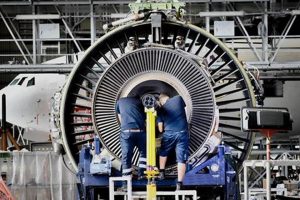
The integration of propulsion systems, such as jet engines or rocket motors, into the airframe is vital for achieving desired performance characteristics. This includes ensuring proper airflow to the engine, managing exhaust gas temperatures, and mitigating vibration. An example is the integration of turbofan engines beneath the wings of a commercial airliner, where careful attention is paid to pylon design to minimize drag and maximize thrust. Poor integration can result in reduced engine performance or structural damage to the airframe.
- Electrical Power Systems Integration
This involves the distribution of electrical power to various subsystems, including avionics, flight control, lighting, and environmental control systems. Adequate power capacity and reliable distribution are essential for ensuring the functionality of all onboard systems. Examples include integrating generators, batteries, and power converters to provide a stable and uninterrupted power supply. A failure in the electrical power system can lead to loss of critical functions, emphasizing the need for redundant systems and robust integration strategies.
- Environmental Control and Life Support Systems Integration
For crewed aircraft and spacecraft, integrating environmental control and life support systems is crucial for maintaining a habitable environment. This includes regulating temperature, pressure, and humidity, as well as providing breathable air and removing contaminants. An example is the integration of oxygen supply, carbon dioxide removal, and thermal control systems in a spacecraft. Deficiencies in this area can jeopardize the health and safety of the crew.
Effective system integration necessitates a holistic approach to the creation of aerospace vehicles, requiring expertise in diverse engineering disciplines and meticulous attention to detail. The examples above only touch on some considerations that need to be in mind. System integration is critical for mission success and overall vehicle safety and performance.
4. Material Selection
Material selection exerts a profound influence on the endeavors of those who create aerial and space-bound vehicles. The process transcends mere identification of available materials; it represents a critical engineering decision that directly impacts structural integrity, aerodynamic performance, and overall mission success. Each material choice initiates a chain of consequences affecting weight, strength, thermal resistance, manufacturing complexity, and cost. For instance, the transition from aluminum alloys to carbon fiber composites in aircraft fuselage construction exemplifies this cause-and-effect relationship. The lighter weight of composites reduces fuel consumption, but also necessitates expertise in specialized manufacturing techniques and repair procedures. Thus, the consideration of tradeoffs and a deep understanding of material properties are crucial elements.
The significance of material selection in this role is further underscored by the extreme environments in which aerospace vehicles operate. Spacecraft re-entering the atmosphere encounter extreme temperatures, necessitating the use of heat-resistant materials like ceramics or ablative composites. Commercial aircraft must withstand constant vibrations and fatigue loading, requiring alloys with high fatigue resistance. Practical application includes the selection of titanium alloys for critical components in jet engines due to their high strength-to-weight ratio and ability to withstand elevated temperatures. Another important consideration is cost-effectiveness. The choice of material can have a significant impact on the total price of the design. The engineers need to ensure that the design meets all the required performance specifications while staying within the budget.
In summary, effective material selection demands a holistic approach, integrating knowledge of materials science, structural analysis, manufacturing processes, and cost considerations. While challenges exist in balancing competing performance requirements and budget constraints, understanding the inextricable link between material selection and overall vehicle performance is essential. This understanding guides design decisions, mitigates risks, and ultimately contributes to the development of safer, more efficient, and more capable aerospace systems.
5. Regulatory Compliance
Adherence to regulatory standards is a fundamental aspect of aerospace engineering. This requirement dictates design parameters, manufacturing processes, and operational procedures. The individuals responsible for creating aerial and space-bound vehicles must demonstrate a thorough understanding of applicable regulations, as non-compliance can lead to severe consequences, including grounding of aircraft, mission failures, and legal repercussions. For example, Federal Aviation Administration (FAA) regulations in the United States govern the design and operation of civil aircraft, encompassing areas such as airworthiness standards, noise emissions, and maintenance requirements. These standards necessitate rigorous testing and documentation to ensure safety and environmental protection.
Furthermore, regulatory compliance extends beyond national boundaries, particularly in international collaborative projects. Adhering to standards set by organizations such as the European Aviation Safety Agency (EASA) or the International Civil Aviation Organization (ICAO) becomes crucial for facilitating global interoperability and trade. For instance, the design of a new commercial aircraft intended for international operation must meet the airworthiness requirements of multiple regulatory agencies, often necessitating design compromises to satisfy differing standards. The role includes interpreting these regulations, translating them into specific design criteria, and verifying compliance throughout the product development lifecycle.
In summary, regulatory compliance is not merely a procedural formality but rather an integral component of the process of creating aerospace vehicles. The emphasis on safety, environmental responsibility, and international cooperation necessitates rigorous adherence to established standards. Individuals operating within this specialty must prioritize regulatory compliance to ensure the safe and reliable operation of aircraft and spacecraft, thereby mitigating risks and fostering public confidence in the aerospace industry.
Frequently Asked Questions
The following section addresses common inquiries regarding the roles, responsibilities, and qualifications associated with creating aerial and space-bound vehicles. The answers provided aim to offer clarity and insight into this specialized engineering discipline.
Question 1: What specific academic background is required?
A bachelor’s degree in aerospace engineering or a closely related field, such as mechanical engineering with an aerospace focus, is generally required. Advanced degrees (Master’s or Ph.D.) may be necessary for research-oriented positions or specialized areas of expertise.
Question 2: What are the typical career progression paths?
Entry-level positions often involve assisting senior engineers in design, analysis, or testing. Progression may lead to roles with increasing responsibility, such as project lead, technical specialist, or engineering manager. Experienced professionals may also pursue opportunities in research, consulting, or entrepreneurship.
Question 3: What are the essential software skills required?
Proficiency in computer-aided design (CAD) software (e.g., CATIA, SolidWorks), computational fluid dynamics (CFD) software (e.g., ANSYS Fluent, Star-CCM+), and finite element analysis (FEA) software (e.g., ABAQUS) is typically expected. Programming skills in languages such as MATLAB or Python may also be beneficial.
Question 4: What are the key challenges faced in this profession?
Challenges include managing complex projects with tight deadlines and budget constraints, staying abreast of rapidly evolving technologies, and ensuring safety and reliability in demanding operational environments. Balancing competing performance requirements and design constraints also presents a significant challenge.
Question 5: How important is practical experience, such as internships?
Practical experience gained through internships, co-op programs, or research projects is highly valuable. These experiences provide opportunities to apply theoretical knowledge to real-world problems, develop essential skills, and network with industry professionals. They significantly enhance career prospects.
Question 6: What is the role of ongoing professional development?
Continuous learning is essential for staying competitive and advancing within the field. This may involve attending conferences, participating in professional development courses, obtaining certifications, and pursuing advanced degrees. Staying informed about emerging technologies and industry trends is crucial for long-term success.
This FAQ section provides a general overview of common inquiries. Specific requirements and expectations may vary depending on the employer and the nature of the specific role.
The subsequent section will explore future trends and emerging technologies that are likely to shape the evolution of aerial and space-bound vehicle design.
Conclusion
The preceding discussion has explored the multifaceted responsibilities and critical importance inherent in the endeavors of a design aerospace engineer. From ensuring aerodynamic efficiency and structural integrity to seamlessly integrating complex systems and adhering to stringent regulatory standards, the work performed is essential for advancing air and space travel. The challenges are substantial, demanding a comprehensive understanding of engineering principles, advanced software proficiency, and a commitment to continuous learning.
The field will continue to evolve, driven by advancements in materials science, propulsion technologies, and autonomous systems. Those who create aerial and space-bound vehicles are thus tasked with embracing innovation while upholding the highest standards of safety and reliability. The future of air travel, space exploration, and national defense depends on their expertise and dedication.


![Top CAD Software for Aerospace Engineers [2024 Guide] | Innovating the Future of Flight with Reliable Aviation Solutions](https://mixaerospace.com/wp-content/uploads/2026/05/th-246-300x200.jpg "Top CAD Software for Aerospace Engineers [2024 Guide] Innovating the Future of Flight with Reliable Aviation Solutions")