Aeronautical engineering focuses on the design, development, and production of aircraft that operate within Earth’s atmosphere. It encompasses areas such as aerodynamics, propulsion, aircraft structures, and control systems optimized for atmospheric flight. For example, aeronautical engineers might work on improving the fuel efficiency of commercial airliners or designing more maneuverable fighter jets.
Aerospace engineering, a broader field, extends beyond the atmosphere to include the design, development, and manufacturing of spacecraft, satellites, and missiles. It incorporates principles of aeronautical engineering but also addresses the challenges of operating in the vacuum of space, such as radiation shielding, orbital mechanics, and remote sensing. The growth of space exploration and satellite technology has significantly amplified the relevance of this discipline. This field is vital for advancements in communication, navigation, and scientific research.
Therefore, while both fields share fundamental principles, the scope and operational environment differentiate them. The following sections will elaborate on these key differences, exploring specific areas of study, career paths, and the required skillsets for each discipline to provide a more detailed understanding.
Distinguishing Between the Disciplines
Understanding the nuances between aeronautical and aerospace engineering is crucial for career planning and educational pursuits within the field. Here are some key considerations:
Tip 1: Define Career Aspirations: Individuals should determine if their interests lie primarily within atmospheric flight or extend to space exploration and satellite technology. This focus will significantly influence the choice between the two engineering paths. For example, an aspiration to design future aircraft warrants an aeronautical focus, while a desire to contribute to space missions suggests aerospace engineering.
Tip 2: Evaluate Educational Programs: Prospective students should carefully review the curriculum of aerospace and aeronautical engineering programs at various universities. Some programs may emphasize one discipline over the other, impacting the depth of knowledge acquired in each field. Scrutinize the course offerings to ensure alignment with specific career goals.
Tip 3: Consider Industry Trends: Awareness of current industry trends in both aerospace and aeronautical engineering is beneficial. Growth in areas such as unmanned aerial vehicles (UAVs) may favor aeronautical engineers, while increased investment in space exploration could create more opportunities for aerospace engineers.
Tip 4: Analyze Required Skillsets: Aerospace engineering often necessitates a stronger foundation in orbital mechanics, spacecraft propulsion, and materials science related to space environments. Aeronautical engineering typically requires a deeper understanding of aerodynamics, aircraft design principles, and air traffic control systems. Assess which skillset aligns more closely with aptitude and interests.
Tip 5: Research Specialization Options: Both aerospace and aeronautical engineering offer opportunities for specialization. These could include areas such as propulsion systems, structural design, or control systems. Investigate the potential for specialization within each field to identify areas of specific interest and expertise. Selecting a specialization early can help tailor educational and professional experiences.
Tip 6: Consider the Breadth of Opportunities: Aerospace engineering can often be considered a broader, more flexible degree. With appropriate specialization and supplemental coursework, an aerospace engineer may be able to work on aeronautical projects, but the inverse may not always be true. The potential for career flexibility should be a factor in decision-making.
By thoughtfully considering these points, aspiring engineers can make informed decisions regarding their educational and career paths, maximizing their potential within these dynamic and impactful fields.
The subsequent sections will explore these aspects further, providing a detailed look at job market trends, salary expectations, and the ongoing evolution of both aerospace and aeronautical engineering.
1. Atmospheric Flight

Atmospheric flight represents a core domain of aeronautical engineering, differentiating it substantially from aerospace engineering. The design, development, and operation of aircraft within Earth’s atmosphere are central to aeronautical engineering’s focus. This domain inherently necessitates a deep understanding of aerodynamics, propulsion systems optimized for air-breathing engines, and structural considerations specific to atmospheric conditions. For instance, the optimization of wing designs for commercial airliners to enhance lift and minimize drag is a direct application of aeronautical engineering principles within atmospheric flight. Without atmospheric flight, there is no aeronautical engineering field.
The emphasis on atmospheric flight dictates the specialized knowledge and skills required of aeronautical engineers. Unlike aerospace engineers who must also consider the complexities of orbital mechanics and space environments, aeronautical engineers primarily concentrate on perfecting flight within the atmosphere. This concentrated focus leads to specialized expertise in areas such as air traffic control systems, aircraft performance optimization, and the development of more efficient and sustainable aviation technologies. The study of turbulence and its effect on aircraft stability, and research into noise reduction technologies for airports, further exemplify the specialized concerns of aeronautical engineers within the atmospheric domain.
In summary, atmospheric flight defines a key boundary in understanding the distinctions between aerospace and aeronautical engineering. It necessitates a focused expertise on aerodynamic principles, propulsion systems tailored for atmospheric conditions, and design considerations specific to flight within the Earth’s atmosphere. While aerospace engineering extends beyond this realm, aeronautical engineering remains firmly rooted in atmospheric flight, shaping its specialized areas of study and practical applications.
2. Spacecraft design

Spacecraft design serves as a fundamental differentiator between aerospace and aeronautical engineering. This design process, unique to aerospace engineering, addresses the complexities of operating in the vacuum of space, where considerations extend far beyond the atmospheric flight parameters governing aeronautical engineering. Spacecraft design incorporates elements such as radiation shielding, thermal management systems, and propulsion methods that rely on stored propellants rather than atmospheric air. The design of the International Space Station, with its extensive solar panels and life support systems, exemplifies the specialized engineering challenges inherent in spacecraft design.
The emphasis on spacecraft design necessitates that aerospace engineers possess a distinct skillset compared to their aeronautical counterparts. Expertise in orbital mechanics, spacecraft propulsion, and materials science suitable for extreme temperature variations and radiation exposure are paramount. For example, the development of heat shields for re-entry vehicles, such as the Space Shuttle or the Orion capsule, showcases the critical role of materials engineering in spacecraft design. The selection of specific alloys and composite materials able to withstand the intense heat generated during atmospheric re-entry is a direct consequence of aerospace engineering’s focus on spacecraft.
In summary, spacecraft design represents a core component of aerospace engineering that distinguishes it from aeronautical engineering. This specialization demands a unique set of engineering principles, skills, and knowledge applicable to the harsh environment of space. The ability to design, build, and operate spacecraft, ranging from satellites to interplanetary probes, defines a significant aspect of the “diff between aerospace and aeronautical engineering.”
3. Orbital mechanics

Orbital mechanics, the study of the motion of artificial satellites and spacecraft under the influence of gravity, forms a critical component in distinguishing aerospace engineering from aeronautical engineering. While aeronautical engineering focuses on flight within Earth’s atmosphere, aerospace engineering extends to the complexities of spaceflight, where orbital mechanics governs trajectory planning, satellite positioning, and mission design.
- Trajectory Design and Optimization
Orbital mechanics provides the theoretical foundation for designing and optimizing spacecraft trajectories. Calculating the precise velocity and orbital parameters needed to reach a specific destination in space, whether a geostationary orbit or an interplanetary target, requires an understanding of Kepler’s laws and perturbation effects. Aerospace engineers use these principles to minimize fuel consumption, reduce transit times, and ensure mission success. For example, the trajectory of the James Webb Space Telescope was meticulously calculated using orbital mechanics to place it in a stable orbit around the Sun-Earth Lagrange point L2.
- Satellite Positioning and Navigation
The precise positioning of satellites is crucial for communication, navigation, and Earth observation missions. Orbital mechanics provides the tools to determine the location of a satellite at any given time, accounting for gravitational forces and other perturbing factors. The Global Positioning System (GPS), for instance, relies on accurate orbital data to provide users with precise location information. Aerospace engineers use sophisticated models of Earth’s gravitational field and atmospheric drag to maintain the accuracy of satellite orbits.
- Rendezvous and Docking Procedures
Orbital mechanics plays a vital role in the safe and efficient execution of rendezvous and docking maneuvers, such as those performed during missions to the International Space Station (ISS). These procedures require precise coordination of two or more spacecraft in orbit, accounting for their relative velocities and positions. Aerospace engineers use specialized techniques, such as the Hohmann transfer and Lambert’s problem solution, to plan and execute these maneuvers with minimal fuel consumption and maximum safety.
- Space Debris Mitigation
The increasing amount of space debris in Earth orbit poses a significant threat to operational satellites and future space missions. Orbital mechanics is used to track and predict the motion of space debris objects, allowing operators to take evasive maneuvers to avoid collisions. Aerospace engineers are developing methods to remove or deorbit space debris, such as using tethered satellites or laser ablation techniques, to mitigate the risk of collisions and ensure the long-term sustainability of space activities.
In essence, orbital mechanics is intrinsic to aerospace engineering. Its applications are absent within the confines of aeronautical engineering, further delineating the boundary between these fields of study and professional practice. From trajectory design to debris mitigation, a thorough comprehension of orbital mechanics is essential for any successful endeavor beyond Earth’s atmosphere.
4. Aerodynamics focus
Aerodynamics, the study of air in motion and its interaction with solid objects, represents a key area of concentration that further clarifies the “diff between aerospace and aeronautical engineering.” While both fields require a foundational understanding of aerodynamics, the depth, application, and environmental considerations differ significantly.
- Aircraft Wing Design
Aeronautical engineers heavily rely on aerodynamics for designing efficient and stable aircraft wings. The focus is on optimizing lift, reducing drag, and ensuring stable flight within the atmosphere. This involves complex calculations and wind tunnel testing to refine airfoil shapes and wing configurations. The supercritical airfoil design, used in modern commercial airliners, exemplifies this aerodynamic focus, enabling higher cruise speeds and improved fuel efficiency. Its scope does not reach space.
- Atmospheric Re-entry Vehicles
Aerospace engineers use aerodynamics to design atmospheric re-entry vehicles. This includes managing the extreme heat generated by friction as the spacecraft decelerates through the atmosphere. The design of heat shields and the optimization of vehicle shapes to control airflow are critical aspects. The Space Shuttle, with its tiled thermal protection system and carefully designed aerodynamic profile, demonstrates the application of aerodynamics in aerospace engineering. Its scope is focused on space elements.
- Wind Tunnel Testing
Wind tunnel testing, a critical component of both disciplines, differs in scope and application. Aeronautical engineers use wind tunnels extensively to validate aircraft designs and measure aerodynamic forces and moments. Aerospace engineers, in addition to conventional wind tunnels, also use specialized facilities to simulate hypersonic flow conditions encountered during re-entry. These specialized facilities allow for testing materials. Testing focuses may differ.
- Computational Fluid Dynamics (CFD)
CFD, a powerful tool for simulating fluid flow, is utilized extensively in both fields. Aeronautical engineers use CFD to optimize aircraft designs, analyze wing performance, and predict aerodynamic loads. Aerospace engineers apply CFD to study the complex flow fields around re-entry vehicles, model shock wave interactions, and analyze the performance of hypersonic aircraft. Usage of CFD differs.
In conclusion, the application of aerodynamics, while foundational to both aerospace and aeronautical engineering, diverges in specific emphasis and problem-solving methodologies. The differences reflect the distinct environments and objectives each field addresses, further illuminating the “diff between aerospace and aeronautical engineering.” Aeronautical engineers primarily focus on optimizing flight within the atmosphere, while aerospace engineers extend this focus to include the extreme conditions encountered during spaceflight and atmospheric re-entry.
5. Propulsion systems

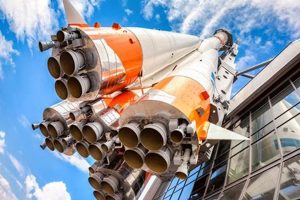
The design and application of propulsion systems represent a pivotal distinction between aerospace and aeronautical engineering. Propulsion systems, in essence, provide the motive force for flight, but the operational environment and performance requirements drastically differ between atmospheric and space-bound vehicles. Aeronautical engineering emphasizes air-breathing engines, such as turbojets and turbofans, which rely on atmospheric oxygen for combustion. In contrast, aerospace engineering necessitates the development of rocket engines and other non-air-breathing propulsion systems capable of functioning in the vacuum of space. This fundamental divergence in the type of propulsion system employed directly reflects the differing environmental constraints and mission objectives of each field.
Consider the design of a modern commercial airliner. Aeronautical engineers focus on maximizing fuel efficiency and thrust output at altitudes within the Earth’s atmosphere. Turbine blades must withstand high temperatures and rotational speeds while minimizing drag. Conversely, aerospace engineers designing a spacecraft propulsion system face challenges related to propellant storage in microgravity, ignition reliability, and thrust vector control in the absence of aerodynamic surfaces. The Space Shuttle’s solid rocket boosters and the Orion spacecraft’s service module engine exemplify the sophisticated propulsion systems required for space travel. These propulsion designs reflect a different set of requirements compared to aircraft and are essential in space. Understanding these distinct demands is crucial for properly assigning resources, educational priorities, and research directions within each field.
In summary, propulsion systems constitute a fundamental component in differentiating between aerospace and aeronautical engineering. The dependence on air-breathing engines for atmospheric flight versus the necessity of self-contained rocket propulsion for space travel drives distinct design considerations, performance metrics, and technological advancements within each discipline. Recognizing this critical “diff between aerospace and aeronautical engineering” is essential for guiding future innovation in both areas, fostering tailored educational curricula, and aligning research efforts with the specific challenges and opportunities presented by atmospheric and space-based endeavors.
6. Materials science

Materials science plays a crucial role in distinguishing aerospace and aeronautical engineering by dictating the types of materials used and the performance criteria they must meet. The disparate environments and operational demands placed on aircraft and spacecraft necessitate distinct material selection strategies and design considerations.
- High-Temperature Alloys and Composites
Aeronautical engineering commonly employs aluminum alloys, titanium alloys, and polymer composites for aircraft structures due to their favorable strength-to-weight ratios and corrosion resistance. However, aerospace applications demand materials capable of withstanding extreme temperatures and radiation exposure in space. High-temperature alloys like nickel-based superalloys and advanced ceramic composites are crucial for rocket engines and heat shields. The Space Shuttle’s thermal protection system, composed of silica tiles, exemplifies this requirement.
- Radiation Shielding Materials
Spacecraft operating in Earth orbit or beyond are subjected to intense radiation from the Sun and cosmic sources. Aerospace engineers must incorporate radiation shielding materials, such as high-density metals like lead and tantalum, into spacecraft designs to protect sensitive electronics and crew members. The International Space Station, for instance, employs shielding strategies to mitigate radiation exposure for astronauts. Conversely, radiation shielding is not a primary consideration for aircraft design.
- Cryogenic Fuel Storage Materials
Rocket engines often utilize cryogenic propellants, such as liquid hydrogen and liquid oxygen, which require storage at extremely low temperatures. Aerospace engineers must select materials that maintain their structural integrity and prevent propellant boil-off under these conditions. Stainless steel and aluminum alloys are commonly used for cryogenic fuel tanks. The design and selection of materials for cryogenic storage differ significantly from the materials used in aviation fuel systems.
- Shape Memory Alloys and Smart Materials
Shape memory alloys (SMAs) and other smart materials find increasing application in both aerospace and aeronautical engineering, albeit for different purposes. In aeronautics, SMAs are used for morphing wing structures and active flutter suppression systems. In aerospace, they may be used in deployable structures, self-healing materials, and vibration damping systems. The application of these materials reflects the unique demands of each field.
In summary, materials science contributes significantly to the “diff between aerospace and aeronautical engineering.” The selection, design, and application of materials are dictated by the operating environment and performance requirements unique to each discipline. From high-temperature alloys for rocket engines to radiation shielding for spacecraft, materials science informs critical design decisions that differentiate aerospace and aeronautical engineering practices.
7. Environmental considerations
Environmental considerations play an increasingly critical role in differentiating aerospace and aeronautical engineering. The design, operation, and eventual disposal of aircraft and spacecraft have significant environmental impacts, necessitating specialized approaches within each field to mitigate these effects. This divergence in focus underscores a crucial distinction in the responsibilities and challenges faced by engineers in both domains.
- Emissions Reduction in Aviation
Aeronautical engineering is heavily focused on reducing emissions from aircraft engines to minimize the impact on air quality and climate change. This includes developing more fuel-efficient engine designs, utilizing alternative fuels such as biofuels and hydrogen, and optimizing flight paths to reduce fuel consumption. The development of electric and hybrid-electric aircraft also represents a significant area of research aimed at reducing emissions from air travel. These endeavors directly address the environmental consequences of atmospheric flight, a primary concern within aeronautical engineering.
- Space Debris Mitigation
Aerospace engineering faces the unique challenge of mitigating the proliferation of space debris in Earth orbit. This debris poses a significant threat to operational satellites and future space missions. Aerospace engineers are developing strategies to track and remove existing debris, as well as design spacecraft that minimize the generation of new debris. Deorbiting satellites at the end of their operational lives and designing spacecraft to withstand impacts from small debris particles are essential aspects of responsible spaceflight. This concern is not a factor in Aeronautics.
- Sustainable Materials and Manufacturing
Both aerospace and aeronautical engineering are increasingly focused on utilizing sustainable materials and manufacturing processes to reduce the environmental footprint of their products. This includes using lightweight composites made from renewable resources, reducing waste during manufacturing, and designing components for easier recycling at the end of their life cycle. Life cycle assessment (LCA) is used to assess the environmental impact of a product from raw material extraction to disposal, guiding design decisions toward more sustainable options.
- Noise Pollution Reduction
Aeronautical engineers are actively working to reduce noise pollution generated by aircraft, particularly during takeoff and landing. This includes designing quieter engines, optimizing flight procedures to minimize noise exposure near airports, and developing noise-canceling technologies for cabin interiors. Noise reduction is a critical aspect of improving the quality of life for communities near airports and ensuring the sustainability of air travel.
In conclusion, environmental considerations significantly contribute to the “diff between aerospace and aeronautical engineering.” While both fields strive to minimize their environmental impact, the specific challenges and solutions differ markedly. Aeronautical engineering primarily addresses atmospheric emissions and noise pollution, while aerospace engineering focuses on space debris mitigation and the sustainable use of space resources. Recognizing these distinctions is essential for developing responsible and environmentally conscious engineering practices in both disciplines.
Frequently Asked Questions
The following questions address common misconceptions and provide clarifications regarding the distinctions between aerospace and aeronautical engineering.
Question 1: Is aerospace engineering simply a more advanced form of aeronautical engineering?
No. While aerospace engineering encompasses aeronautical engineering principles, it also includes aspects of spacecraft design, orbital mechanics, and space environments not typically covered in aeronautical studies. Aerospace engineering addresses a broader range of vehicles and operational environments.
Question 2: Can an aeronautical engineer work on spacecraft projects?
With appropriate specialization and supplemental training, an aeronautical engineer can contribute to spacecraft projects, particularly in areas related to aerodynamics during atmospheric entry or ascent. However, a comprehensive understanding of orbital mechanics and spacecraft systems is essential for significant involvement.
Question 3: Which field offers better job prospects?
Job prospects in both fields fluctuate based on industry trends and government funding. Aerospace engineering may offer a broader range of opportunities due to its wider scope, but specific demand varies by specialization and geographic location. Both have solid job opportunities.
Question 4: Do aerospace and aeronautical engineers earn similar salaries?
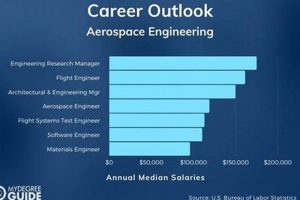
Salaries in both fields are generally comparable, with variations based on experience, education, specialization, and employer. Aerospace engineers with specialized skills in high-demand areas, such as satellite systems or hypersonic flight, may command higher salaries.
Question 5: Is a master’s degree necessary for a career in either field?
While a bachelor’s degree is the minimum requirement for entry-level positions, a master’s degree can enhance career prospects and open doors to more specialized roles. Advanced degrees are particularly beneficial for research and development positions.
Question 6: What are the key skills required for success in these fields?
Strong analytical and problem-solving skills are essential for both aerospace and aeronautical engineers. Additional skills include proficiency in mathematics and physics, expertise in computer-aided design (CAD) software, and the ability to work effectively in teams. The specific skills required will depend on the role and specialization.
These questions and answers aim to clarify the key differentiators between the two fields, offering guidance for prospective students and professionals.
The following sections will provide information about relevant educational resources for both aerospace and aeronautical engineering.
Diff Between Aerospace and Aeronautical Engineering
This examination has clarified the essential differentiators between aerospace and aeronautical engineering, highlighting variations in scope, operational environment, and specialized skill sets. Aeronautical engineering focuses on flight within the Earth’s atmosphere, emphasizing aerodynamics, air-breathing propulsion systems, and aircraft design. Aerospace engineering extends beyond the atmosphere, encompassing spacecraft design, orbital mechanics, and the challenges of operating in the vacuum of space. Material science, propulsion and flight style (atmospheric or space) also plays key role in this differences.
Understanding these distinctions is critical for students choosing a field of study and professionals seeking career advancement. Continued exploration and specialization within either field will drive innovation and ensure safe, efficient, and sustainable advancements in both air and space travel. The future of engineering lies in the hands of these experts.