Rigorous assessment and evaluation are paramount in the development and operation of flight vehicles and associated systems. These processes encompass a wide spectrum of activities, from component-level analysis to full-system integration trials. The goal is to ensure performance, reliability, and safety throughout the life cycle of an aircraft or spacecraft. This involves subjecting designs and prototypes to simulated and real-world conditions to identify potential weaknesses and validate design criteria. Examples include wind tunnel experiments, structural load testing, and environmental simulations.
The significance of this discipline stems from the inherently critical nature of flight. Failures in the air or in space can have catastrophic consequences, emphasizing the need for meticulous validation. Historically, disasters have driven significant advancements in these assessment techniques. The benefits are numerous, including enhanced safety margins, reduced operational costs through optimized designs, and increased mission success rates. Furthermore, it enables compliance with stringent regulatory requirements and industry standards.
The following sections will delve into specific methodologies employed, the technological advancements shaping the field, and the future trends anticipated in the pursuit of more robust and efficient flight systems. Discussions will cover aspects from advanced materials characterization to the implementation of digital twins for predictive maintenance and performance monitoring.
Key Considerations for Aerospace Validation
The following points highlight crucial aspects related to validation and verification procedures in the aeronautical and astronautical fields.
Tip 1: Emphasize Early Stage Modeling and Simulation: Robust modeling and simulation early in the design process can identify potential design flaws before physical prototypes are created. This reduces costs and accelerates development cycles. Computational Fluid Dynamics (CFD) analysis of aerodynamic surfaces is a prime example.
Tip 2: Implement Comprehensive Requirements Traceability: Trace every requirement from initial design specifications through all phases of the assessment process. This ensures that all aspects of the design meet performance and safety objectives. Documented links between requirements and verification activities are essential.
Tip 3: Utilize Non-Destructive Evaluation (NDE) Techniques: Employ NDE methods such as ultrasonic testing, radiography, and eddy current testing to detect defects in materials and components without causing damage. This is critical for maintaining structural integrity throughout the product’s lifespan.
Tip 4: Account for Environmental Factors: Subject systems and components to simulated environmental conditions, including extreme temperatures, vibration, and vacuum. Understanding the impact of these factors is essential for ensuring reliable operation in the intended operational environment.
Tip 5: Prioritize Data Acquisition and Analysis: Invest in robust data acquisition systems and analysis tools to capture and interpret data generated during tests. This allows for a thorough understanding of system performance and identification of areas for improvement.
Tip 6: Establish a Rigorous Failure Analysis Protocol: Develop a systematic approach to investigating failures that occur during experiments. Thorough failure analysis is crucial for identifying root causes and implementing corrective actions.
Tip 7: Maintain Strict Configuration Control:Implement and maintain a robust configuration control system. This ensures that all versions of hardware, software, and documentation are properly managed and tracked throughout the verification and validation process, mitigating the risk of errors and inconsistencies.
Adherence to these considerations will contribute to the development of safer, more reliable, and more efficient flight systems.
The subsequent sections will explore specific technologies and methodologies used to achieve the goals outlined above.
1. Material Characterization

Material characterization constitutes a cornerstone of verification within the broader framework of advanced vehicle development. The properties of materials directly influence structural integrity, performance capabilities, and overall system reliability. Therefore, meticulously defining and validating material properties is a prerequisite for subsequent analyses and validation activities. For instance, the introduction of carbon fiber reinforced polymers in aircraft construction necessitates comprehensive evaluation of tensile strength, fatigue resistance, and impact tolerance. Accurate material models derived from characterization data are essential for predictive simulations and designs.
Failure to adequately characterize materials can lead to catastrophic consequences. The Comet airliner disasters of the 1950s, partly attributed to metal fatigue around the square windows, underscore the critical importance of understanding material behavior under cyclic loading. Current assessment methodologies involve a combination of destructive and non-destructive approaches, ranging from basic tensile testing to advanced techniques such as ultrasonic imaging and X-ray diffraction. Data obtained from these tests are used to refine material models utilized in finite element analysis and other simulations. This refined approach allows engineers to predict material response under various operating conditions with greater accuracy, including extreme temperatures and pressures associated with spaceflight. The knowledge gained from these types of tests provides greater confidence in any design.
In summary, material characterization is not merely an ancillary activity but an intrinsic component in the overall assessment process. Ongoing advancements in characterization techniques, coupled with sophisticated modeling approaches, will continue to drive improvements in safety, performance, and longevity of aeronautical and astronautical systems. The accuracy and precision obtained through proper assessment dictates how aerospace vehicles will operate.
2. Structural Integrity
Structural integrity, representing a system’s capacity to withstand applied loads without failure, is a central tenet in aeronautical and astronautical endeavors. Validation through assessment, simulation, and physical trials is indispensable for ensuring airworthiness and mission success.
- Finite Element Analysis (FEA) Validation
FEA models simulate stress and strain distributions within airframes under various loading conditions. Validation of these models through experimental strain gauge measurements and full-scale static load tests is critical. Discrepancies between FEA predictions and empirical results necessitate model refinement, potentially influencing design modifications. For example, the Airbus A380 underwent extensive FEA and subsequent physical testing to certify its double-deck structure, demonstrating the crucial link between computational analysis and empirical validation.
- Fatigue and Fracture Mechanics Testing
Cyclic loading introduces fatigue cracks that can compromise structural integrity over time. Fatigue testing, involving repeated application of stress, simulates in-service conditions and allows for the determination of fatigue life. Fracture mechanics principles are applied to assess the growth of existing cracks and determine critical crack sizes. Aircraft maintenance schedules are often dictated by findings from fatigue testing and fracture mechanics analyses. These assessments inform inspection intervals and component replacement strategies.
- Non-Destructive Evaluation (NDE) Techniques
NDE methods, such as ultrasonic testing, radiography, and eddy current inspection, allow for the detection of internal flaws and cracks without damaging the structure. Regular NDE inspections are mandated for aircraft to identify fatigue cracks before they reach critical dimensions. The implementation of advanced NDE techniques, like phased array ultrasonics, enhances detection capabilities and contributes to improved air safety.
- Impact and Damage Tolerance Assessment
Aerospace structures must withstand potential impact events, such as bird strikes or foreign object debris (FOD) damage. Impact testing simulates these events, assessing the structure’s ability to absorb energy and prevent catastrophic failure. Damage tolerance analysis evaluates the structure’s capacity to maintain functionality with pre-existing damage. These assessments guide the development of damage-resistant designs and inform repair procedures.
Collectively, these facets highlight the interconnectedness of structural integrity considerations in advanced vehicle development. Through rigorous and multifaceted, the aerospace community aims to guarantee that structures uphold the highest safety and performance standards, mitigating the risks associated with flight.
3. System Integration

System integration, within the context of aerospace activities, represents the complex process of assembling disparate components and subsystems into a unified, functional entity. The process is inextricably linked to assessment protocols; rigorous evaluation at each integration stage is necessary to validate the emergent behavior of the complete system. Any deficiency in individual component performance, or unforeseen interactions between components, can compromise the overall system functionality. For instance, the integration of a new autopilot system into an existing aircraft requires thorough validation of its interaction with existing avionics, flight control surfaces, and power systems. Inadequate communication between systems during flight can potentially lead to catastrophic incidents.
The significance of assessment during system integration stems from the inherent complexity of modern aeronautical and astronautical systems. A typical aircraft contains hundreds of individual systems, each with its own set of requirements and specifications. Interdependencies between these systems are frequently intricate and difficult to predict through simulation alone. assessment provides empirical data to validate simulation models and identify unforeseen problems. For example, the integration of propulsion systems in new aircraft designs undergoes extensive ground and flight evaluation to assess performance characteristics, such as thrust, fuel consumption, and stability. These tests can reveal unexpected aerodynamic interactions or control system limitations that were not apparent during design phases.
In conclusion, system integration forms a critical phase of engineering activities, and comprehensive assessment is fundamental to its success. The validation process ensures that individual components operate harmoniously as a cohesive system, meeting performance requirements and safety standards. Challenges remain in managing the increasing complexity of modern aerospace systems, requiring advanced evaluation techniques and methodologies to maintain airworthiness and mission effectiveness. It is the comprehensive analysis that decides what needs to happen for space travel in the future.
4. Environmental Simulation

Environmental simulation plays a crucial role in aeronautical and astronautical assessment processes. It replicates the operational conditions encountered by aerospace vehicles and their components, ensuring they function reliably and safely throughout their service life. By subjecting designs to controlled, artificial environments, engineers can identify potential weaknesses and validate performance characteristics before actual deployment.
- Thermal Vacuum Testing
This simulates the extreme temperature variations and vacuum conditions of space. Satellites and spacecraft components undergo thermal vacuum testing to verify their ability to withstand thermal stress, maintain operational functionality, and prevent outgassing, which can contaminate sensitive instruments. An example would be putting a satellite component through cycles of extreme cold and heat in a vacuum chamber to see if it still works.
- Vibration and Shock Testing
Aerospace vehicles experience significant vibration and shock loads during launch, flight, and landing. Vibration and shock tables simulate these conditions, enabling engineers to identify resonance frequencies, assess structural integrity, and ensure that components remain securely mounted. For instance, a rocket stage might be vigorously shaken to make sure none of the components come loose.
- Electromagnetic Interference/Compatibility (EMI/EMC) Testing
Electronic systems within aerospace vehicles must operate without interference from other onboard systems or external electromagnetic sources. EMI/EMC testing ensures that components meet electromagnetic compatibility standards, preventing malfunctions or data corruption. A flight computer is one example, and there are rigorous guidelines for shielding it to prevent interference from other radio or radar signals.
- Altitude and Climatic Testing
Aircraft components are subjected to altitude and climatic testing to assess their performance under varying atmospheric pressures, temperatures, humidity levels, and icing conditions. This testing validates the functionality of oxygen systems, de-icing equipment, and cabin pressurization systems. This sort of assessment is frequently performed on airplanes as well as other pieces of gear that could be exposed to harsh atmospheric conditions.
These examples underscore the importance of environmental simulation in the broader context of aeronautical and astronautical assessment. By replicating the operational environment, engineers can gain confidence in the reliability and safety of aerospace systems, ultimately contributing to mission success and passenger safety.
5. Performance Validation

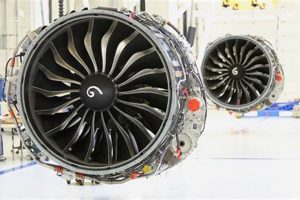
Performance validation, an integral component of aeronautical and astronautical assessment, directly confirms that systems and components operate as intended under specified conditions. It serves as the ultimate arbiter, verifying whether design predictions align with empirical data derived from rigorous examination. The purpose is to ensure that performance targets are achieved and that potential discrepancies are identified and rectified before operational deployment. Without comprehensive execution, the risks of failure in real-world applications are substantially elevated, potentially leading to catastrophic consequences. For instance, the validation of a new jet engine design mandates exhaustive assessment of thrust output, fuel consumption, and thermal efficiency across a range of operating conditions. Engine bench runs, high-altitude chamber trials, and eventually flight trials, all aim to determine if the engine meets specified requirements.
The relationship between performance validation and the broader discipline of assessment is multifaceted. Assessment methodologies provide the framework for planning, executing, and interpreting the results of evaluation campaigns. Techniques such as statistical analysis, uncertainty quantification, and sensitivity analysis are employed to extract meaningful insights from test data. The iterative nature of the design process necessitates continuous evaluation and refinement. Findings from initial assessments inform design modifications, which in turn require further scrutiny to validate the effectiveness of the changes. The development of the Boeing 787 Dreamliner provides a pertinent example. The aircraft’s composite wings underwent extensive evaluation to validate their aerodynamic performance and structural integrity. Discrepancies identified during were addressed through design revisions and further evaluation, ensuring that the final product met stringent performance and safety standards.
In summary, performance validation forms a crucial stage in the aerospace life cycle. It provides empirical evidence that the designed system performs as expected, meeting critical performance specifications. The integration of these evaluations into the development process strengthens confidence in the reliability and efficiency of aeronautical and astronautical systems. Failure to prioritize can result in costly design flaws and potential catastrophic outcomes. Future advancements in techniques, coupled with sophisticated simulation and modeling, will further enhance the effectiveness of performance validation in aerospace endeavours.
Frequently Asked Questions
The following questions address common inquiries regarding the critical nature of validation within the aeronautical and astronautical industries. Responses aim to provide clarity and insight into the practices employed to ensure safety and performance.
Question 1: Why is extensive testing essential in aerospace engineering?
Exhaustive processes are critical because failures in flight systems can have catastrophic consequences. Thorough testing ensures that aircraft and spacecraft components and systems meet stringent safety and performance requirements, minimizing risks to passengers, crew, and mission objectives.
Question 2: What are the primary differences between destructive and non-destructive assessment methods?
Destructive techniques, such as tensile testing and fatigue testing, involve subjecting materials and components to stress until failure, providing data on strength and durability. Non-destructive techniques, such as ultrasonic testing and radiography, detect internal flaws and defects without damaging the structure.
Question 3: How does environmental simulation contribute to aerospace system reliability?
Environmental simulation replicates the operational conditions encountered by aerospace vehicles, including extreme temperatures, vacuum conditions, vibration, and radiation. By subjecting components to these simulated environments, engineers can identify potential weaknesses and validate performance characteristics before deployment.
Question 4: What role does modeling and simulation play in reducing the need for physical trials?
Modeling and simulation can predict system performance and identify potential design flaws before physical prototypes are created. This reduces the need for costly and time-consuming physical trials, accelerating the development process and minimizing risks.
Question 5: How is data acquired during aerospace related testing and used to improve designs?
Data acquisition systems and analysis tools capture and interpret data generated during examinations. This enables engineers to thoroughly understand system performance, identify areas for improvement, and refine design parameters to optimize performance and reliability.
Question 6: What are some emerging technologies impacting how verification is conducted in the industry?
Advanced techniques, such as digital twins, artificial intelligence, and machine learning, are revolutionizing aerospace . Digital twins create virtual replicas of physical systems, enabling predictive maintenance and performance optimization. AI and machine learning algorithms enhance data analysis capabilities and facilitate the detection of anomalies and potential failures.
In summary, these questions address the fundamental principles and practices that underpin assessment activities in aeronautical and astronautical. Continuous advancements in methodologies and technologies contribute to safer, more reliable, and more efficient flight systems.
The subsequent sections will examine future trends and challenges in aerospace engineering.
Conclusion
The preceding discussion has underscored the crucial role of engineering testing aerospace in assuring flight safety and mission success. From fundamental material characterization to comprehensive system integration and environmental simulation, rigorous methodologies are essential throughout the design, development, and operational phases. The ongoing advancement of assessment techniques, driven by technological innovation and lessons learned from past failures, is paramount for mitigating risks and optimizing performance.
The future of aeronautical and astronautical engineering hinges on continued investment in engineering testing aerospace capabilities. As systems become increasingly complex and operational environments more demanding, the demand for robust and reliable validation practices will only intensify. A steadfast commitment to thorough evaluation remains the cornerstone of progress, ensuring that future generations can continue to explore the skies and beyond with ever-increasing confidence and safety.


![Top MS Aerospace Engineering in Germany [Guide] | Innovating the Future of Flight with Reliable Aviation Solutions](https://mixaerospace.com/wp-content/uploads/2026/05/th-183-300x200.jpg "Top MS Aerospace Engineering in Germany [Guide] Innovating the Future of Flight with Reliable Aviation Solutions")