The processes and procedures employed to ensure that aerospace products and services meet specified requirements and standards constitute a critical function within the sector. This function encompasses inspection, testing, and validation activities performed throughout the design, manufacturing, and maintenance phases. For example, non-destructive testing methods, such as ultrasonic and radiographic inspections, are used to identify material defects without compromising the integrity of components.
Adherence to rigorous protocols is paramount due to the severe consequences of failure in aerospace applications. The safety of passengers and crew, as well as the high costs associated with aerospace operations, necessitate meticulous attention to detail. Historically, advancements in manufacturing techniques and materials have driven the evolution of control methodologies, leading to increasingly sophisticated approaches for minimizing risk and maximizing reliability.
The following sections will explore specific aspects of this essential function, including the regulatory landscape, common inspection techniques, the role of automation, and emerging challenges within the modern aerospace environment. Each of these elements contributes to the overall assurance of safety and performance in flight.
Essential Considerations for Maintaining Standards
The achievement of consistent quality in aerospace manufacturing and maintenance demands a multifaceted approach encompassing planning, execution, and continuous improvement. These recommendations are designed to support the attainment of stringent performance criteria.
Tip 1: Emphasize Robust Documentation: Comprehensive records detailing design specifications, manufacturing processes, and inspection results are vital. Traceability of materials and components must be maintained throughout the product lifecycle to facilitate failure analysis and corrective action.
Tip 2: Implement Statistical Process Control (SPC): Employ SPC methods to monitor critical manufacturing parameters and identify deviations from acceptable tolerances. Early detection of process instability allows for proactive intervention, preventing the production of non-conforming parts.
Tip 3: Prioritize Employee Training: Invest in comprehensive training programs for all personnel involved in manufacturing and inspection activities. Ensure that employees possess the necessary skills and knowledge to perform their tasks effectively and adhere to established procedures.
Tip 4: Leverage Advanced Inspection Technologies: Integrate advanced inspection technologies, such as automated optical inspection (AOI) and computed tomography (CT) scanning, to enhance detection capabilities and improve inspection efficiency. These technologies can identify subtle defects that may be missed by manual inspection methods.
Tip 5: Conduct Regular Audits: Perform periodic internal and external audits to assess compliance with established standards and identify areas for improvement. Audits should encompass all aspects of the quality management system, from design and manufacturing to testing and documentation.
Tip 6: Foster a Culture of Continuous Improvement: Promote a culture of continuous improvement by encouraging employees to identify and report potential quality issues. Implement a formal process for addressing these issues and tracking the effectiveness of corrective actions.
Tip 7: Maintain Calibration of Equipment: Implement a rigorous calibration program for all measuring and testing equipment. Regular calibration ensures the accuracy and reliability of inspection results, preventing the acceptance of non-conforming parts.
Adopting these principles will promote a systematic approach to quality assurance, resulting in enhanced product reliability, reduced costs, and increased customer satisfaction.
The succeeding discussion will address the ongoing challenges and future direction within this vital domain of the aerospace industry.
1. Material Integrity

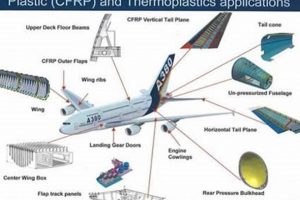
Material integrity forms a cornerstone of aerospace systems assurance. It refers to the assurance that the materials used in aircraft construction and components conform to precise specifications and are free from defects that could compromise structural performance. In the context of aerospace, even minute deviations from material standards can have catastrophic consequences. Therefore, strict monitoring, testing, and verification processes are integral to verifying that materials maintain their integrity throughout the manufacturing process and service life. For example, the adoption of advanced composite materials in modern aircraft necessitates meticulous control of resin mixing ratios, fiber orientation, and curing cycles to ensure that the material achieves its designed strength and resistance to environmental degradation. Compromises in any of these parameters could lead to premature failure and jeopardize flight safety.
The implementation of non-destructive testing (NDT) methodologies represents a critical tool in assessing material integrity. Techniques such as ultrasonic testing, radiography, and eddy current inspection are routinely employed to identify internal flaws, cracks, or variations in material properties without compromising the component’s functionality. Consider the inspection of turbine blades in jet engines: these components are subjected to extreme temperatures and stresses, making them susceptible to fatigue cracking. Regular NDT inspections are essential to detect any signs of damage before it leads to a catastrophic failure. The data obtained from these inspections informs maintenance schedules and component replacement decisions, extending the operational lifespan and enhancing safety.
In summary, material integrity constitutes a critical element within the broader framework of aerospace quality assurance. The commitment to stringent material controls, rigorous inspection protocols, and advanced testing techniques is not merely a regulatory requirement but a fundamental imperative for maintaining the safety and reliability of air travel. The challenges associated with evolving materials and manufacturing processes necessitate a continuous refinement of quality control methodologies to mitigate risks and ensure the long-term durability of aerospace systems.
2. Process Validation

Process validation is a critical component of quality control within the aerospace industry, serving as a systematic approach to confirm that a manufacturing process consistently produces a product meeting predetermined specifications and quality attributes. This validation extends beyond mere inspection, focusing instead on proactively ensuring that the process itself is capable of delivering the desired outcomes. The relationship between process validation and overall control is one of cause and effect: a validated process inherently minimizes the risk of defects and non-conformities, directly contributing to higher product quality and improved reliability.
The importance of process validation becomes evident when considering the intricate and highly regulated nature of aerospace manufacturing. For instance, the production of turbine blades for jet engines requires precise control over numerous variables, including temperature, pressure, and material composition. Process validation would involve meticulously documenting each step of the manufacturing process, establishing acceptance criteria for each variable, and conducting rigorous testing to demonstrate that the process consistently operates within the specified limits. Any deviation from the validated process would trigger corrective actions to prevent the production of non-conforming blades. This rigorous approach ensures that the final product meets the stringent performance and safety requirements demanded by the aerospace sector.
In conclusion, process validation serves as a proactive measure to mitigate risks and enhance product reliability within the aerospace industry. By systematically evaluating and documenting manufacturing processes, companies can ensure that their products consistently meet the highest standards of quality and safety. The implementation of robust validation protocols not only satisfies regulatory requirements but also strengthens customer confidence and ultimately contributes to the long-term success of aerospace operations. The continual refinement of validation techniques remains essential to adapting to the evolving challenges and emerging technologies within the sector.
3. Inspection Protocols

Inspection protocols are a cornerstone of quality assurance within the aerospace industry. These protocols define the standardized procedures and criteria used to verify that components, systems, and processes meet specified requirements. Their rigorous application is indispensable in maintaining airworthiness and preventing catastrophic failures.
- Non-Destructive Testing (NDT) Procedures
NDT procedures, such as ultrasonic testing, radiographic inspection, and eddy current testing, are fundamental for detecting subsurface defects in critical components without compromising their structural integrity. For example, turbine blades undergo regular ultrasonic inspection to identify fatigue cracks that could lead to engine failure. Adherence to standardized NDT protocols ensures consistent and reliable defect detection, minimizing the risk of in-service failures.
- Dimensional Verification Processes
Dimensional verification processes employ precision measuring instruments and techniques to confirm that components adhere to design specifications. These processes encompass coordinate measuring machine (CMM) inspections, laser scanning, and optical comparator measurements. The precise dimensions of airframe components are critical for aerodynamic performance and structural integrity. Strict adherence to dimensional verification protocols ensures that parts meet the required tolerances, preventing assembly issues and performance degradation.
- Material Testing Standards
Material testing standards define the procedures for evaluating the mechanical, chemical, and physical properties of aerospace materials. Tensile testing, hardness testing, and chemical analysis are commonly employed to verify that materials meet specified strength, composition, and durability requirements. For example, aluminum alloys used in aircraft structures undergo rigorous tensile testing to ensure they can withstand the stresses encountered during flight. Compliance with material testing standards guarantees that materials are fit for their intended purpose and can withstand the harsh operating conditions of the aerospace environment.
- Acceptance Criteria and Defect Classification
Acceptance criteria and defect classification schemes establish the allowable limits for defects and define the severity levels for identified discrepancies. Clear and objective acceptance criteria are essential for consistent and reliable inspection decisions. For example, a scratch on an aircraft window may be classified as a minor defect if it does not affect visibility or structural integrity, but a crack in a wing spar would be classified as a critical defect requiring immediate repair. Standardized acceptance criteria and defect classification ensure that all inspectors apply the same standards, minimizing subjective judgments and ensuring that only conforming parts are accepted.
The consistent and rigorous application of these inspection protocols is essential for maintaining the high levels of safety and reliability demanded by the aerospace industry. These protocols provide a framework for verifying compliance with established standards, detecting defects, and ensuring that all components and systems meet the stringent requirements necessary for safe and efficient flight.
4. Regulatory Compliance

The aerospace industry operates under stringent regulatory oversight, making compliance an inseparable aspect of quality control. Adherence to these regulations is not merely a legal obligation; it is a fundamental requirement for ensuring the safety and reliability of aircraft and related systems.
- Federal Aviation Administration (FAA) Regulations
FAA regulations, such as those outlined in Title 14 of the Code of Federal Regulations (CFR), dictate the standards for aircraft design, manufacturing, operation, and maintenance. Compliance with these regulations is essential for obtaining and maintaining type certificates, production certificates, and airworthiness certificates. For example, manufacturers must demonstrate that their aircraft meet rigorous safety standards through extensive testing and documentation before the FAA will grant a type certificate. Failure to comply with these regulations can result in significant penalties, including fines, revocation of certificates, and grounding of aircraft.
- International Aviation Standards
In addition to FAA regulations, the aerospace industry is also subject to international standards set by organizations such as the International Civil Aviation Organization (ICAO). ICAO standards and recommended practices (SARPs) provide a framework for harmonizing aviation regulations across different countries. Compliance with ICAO SARPs is essential for ensuring interoperability and safety in international air travel. For example, ICAO standards define the requirements for air traffic control procedures, navigation systems, and airport infrastructure. Adherence to these standards promotes seamless and safe operations across international borders.
- Quality Management System (QMS) Requirements
Regulatory compliance often mandates the implementation of a robust quality management system (QMS) that conforms to standards such as AS9100. A QMS provides a framework for establishing and maintaining processes to ensure consistent product quality and compliance with regulatory requirements. For example, AS9100 requires aerospace manufacturers to implement processes for controlling documentation, managing risks, and conducting internal audits. By adhering to these QMS requirements, organizations can demonstrate their commitment to quality and compliance, enhancing their credibility with regulators and customers.
- Reporting and Documentation Requirements
Regulatory compliance entails comprehensive reporting and documentation of all aspects of aircraft design, manufacturing, and maintenance. This documentation must be accurate, complete, and readily accessible to regulatory authorities. For example, manufacturers are required to maintain detailed records of all inspections, tests, and repairs performed on aircraft. These records are essential for demonstrating compliance with regulatory requirements and for tracing the history of aircraft components. Failure to maintain adequate documentation can result in regulatory penalties and compromise the safety of flight operations.
The facets discussed underscore that regulatory compliance is inextricably linked to quality control within the aerospace industry. The stringent requirements imposed by regulatory agencies necessitate a proactive and systematic approach to ensure that all aspects of aircraft design, manufacturing, and maintenance adhere to established standards. By prioritizing regulatory compliance, organizations can mitigate risks, enhance safety, and maintain their reputation as reliable and responsible aerospace stakeholders.
5. Design Verification
Design verification constitutes a critical phase within the aerospace product development lifecycle, directly influencing the overall effectiveness of quality control efforts. It focuses on confirming, through analysis, simulation, and testing, that the design of an aerospace component or system meets specified requirements and performance criteria prior to physical manufacturing. The causal link between thorough design verification and effective control is that a well-verified design inherently reduces the likelihood of manufacturing defects and in-service failures, thereby minimizing the need for extensive corrective actions during later stages.
The importance of design verification as a component of quality control is highlighted by the potential consequences of design flaws in aerospace applications. For example, computational fluid dynamics (CFD) simulations are employed to verify the aerodynamic performance of aircraft wings before prototypes are built. These simulations can identify potential issues such as excessive drag or instability, allowing engineers to modify the design and avoid costly and potentially hazardous physical testing. Similarly, finite element analysis (FEA) is used to assess the structural integrity of aircraft components under various load conditions. These analyses can reveal areas of high stress concentration that may lead to fatigue cracking, enabling engineers to reinforce the design and improve its long-term durability. The practical significance of this understanding is that proactive design verification can prevent design-related defects from propagating into the manufacturing and operational phases, thereby significantly enhancing the reliability and safety of aerospace products.
In summary, design verification is not merely a preliminary step in the development process; it is an integral element of aerospace control. By employing sophisticated analytical techniques and rigorous testing protocols, engineers can identify and address potential design flaws early on, mitigating the risk of downstream problems. The challenges associated with complex aerospace designs and demanding performance requirements necessitate a continuous refinement of design verification methodologies to ensure that products meet the highest standards of quality and safety. This proactive approach not only reduces costs and improves efficiency but also enhances the overall integrity and reliability of aerospace systems.
6. Supplier Management
Effective supplier management is integral to maintaining stringent quality standards within the aerospace industry. Aerospace manufacturers rely on a global network of suppliers for components, materials, and specialized services, making supplier oversight a critical aspect of risk mitigation and quality assurance.
- Supplier Qualification and Selection
The initial phase of supplier management involves a rigorous qualification and selection process. This process assesses a supplier’s capabilities, quality management system, and adherence to aerospace standards such as AS9100. For example, a supplier of aircraft fasteners must demonstrate its ability to consistently produce fasteners that meet precise dimensional and material specifications. Thorough qualification minimizes the risk of sourcing from suppliers who lack the necessary expertise or quality controls.
- Contractual Requirements and Flow-Down
Aerospace contracts include stringent requirements pertaining to product quality, traceability, and conformance. These requirements must be clearly communicated to suppliers and incorporated into contractual agreements. “Flow-down” clauses ensure that suppliers, in turn, impose similar requirements on their own subcontractors, creating a cascading effect of quality control throughout the supply chain. This ensures that all parties involved are accountable for meeting the required standards.
- Supplier Audits and Monitoring
Regular audits and monitoring activities are essential for verifying ongoing supplier compliance. Aerospace manufacturers conduct periodic audits of supplier facilities to assess their adherence to quality management system requirements and manufacturing processes. These audits may involve a review of documentation, observation of manufacturing operations, and testing of product samples. Continuous monitoring helps identify and address potential quality issues before they escalate into larger problems.
- Corrective Action and Continuous Improvement
When non-conformities are identified at a supplier facility, a structured corrective action process is initiated. This process involves investigating the root cause of the problem, implementing corrective actions to prevent recurrence, and verifying the effectiveness of those actions. Supplier performance data is also used to identify opportunities for continuous improvement in quality and delivery. This collaborative approach fosters a culture of continuous improvement throughout the supply chain.
In summation, strategic supplier management contributes significantly to overall quality control by mitigating risks, promoting adherence to stringent standards, and fostering continuous improvement throughout the supply chain. The aerospace industry’s unwavering commitment to supplier management is essential for ensuring the safety, reliability, and performance of aircraft and related systems.
7. Continuous Improvement
Continuous improvement, often embodied by methodologies such as Lean and Six Sigma, forms a critical element in the maintenance and advancement of rigorous quality within the aerospace sector. Its inherent iterative nature facilitates the ongoing refinement of processes, reduction of waste, and minimization of variability. These efforts directly enhance the effectiveness of control mechanisms applied throughout design, manufacturing, and service operations.
The relationship between continuous improvement and quality is symbiotic: the former drives the latter. Consider the application of statistical process control (SPC) in the manufacturing of turbine blades. By continuously monitoring key parameters such as temperature and pressure during the casting process, deviations from optimal conditions can be quickly identified and addressed. This proactive approach prevents the production of defective blades, thereby reducing scrap rates and improving overall product reliability. Similarly, within aircraft maintenance, the analysis of failure data can reveal recurring issues with specific components. Implementing design changes or modifying maintenance procedures based on this analysis reduces the frequency of failures and enhances aircraft availability. The significance of this understanding is that a commitment to continuous improvement fosters a culture of proactive problem-solving, leading to demonstrable enhancements in both product and process quality.
The integration of continuous improvement principles presents challenges, including the need for robust data collection and analysis capabilities, as well as a supportive organizational culture. Nevertheless, the benefits enhanced safety, reduced costs, and increased competitiveness make it an indispensable element of control within the aerospace context. Continuous refinement of processes, materials, and designs contributes directly to maintaining the exceptionally high standards required for safe and reliable flight.
Frequently Asked Questions about Quality Control in the Aerospace Industry
The following questions address common inquiries and misconceptions regarding control methodologies within the aerospace sector. These responses aim to provide clarity on fundamental aspects of this crucial function.
Question 1: What constitutes the primary objective of within the aerospace industry?
The primary objective is to ensure that all products, processes, and services meet stringent regulatory requirements, design specifications, and performance standards to guarantee safety, reliability, and airworthiness.
Question 2: How do regulatory standards, such as those from the FAA and EASA, influence ?
Regulatory standards establish the baseline requirements for all aspects of aerospace operations, from design and manufacturing to maintenance and repair. Compliance with these standards is non-negotiable and mandates rigorous implementation of control measures.
Question 3: What role does non-destructive testing (NDT) play?
NDT methods, such as ultrasonic testing, radiography, and eddy current inspection, are vital for identifying internal defects and material discontinuities in critical components without compromising their structural integrity. This is essential for detecting flaws that could lead to catastrophic failures.
Question 4: Why is supplier management a key element of ?
Aerospace manufacturers rely on a complex network of suppliers. Effective supplier management ensures that all external providers adhere to the same rigorous standards as the prime contractor, mitigating the risk of substandard parts or materials entering the supply chain.
Question 5: How does design verification contribute to ?
Design verification employs analysis, simulation, and testing to confirm that the design of an aerospace component or system meets specified requirements before manufacturing begins. This proactive approach minimizes the likelihood of design-related defects and costly rework.
Question 6: What is the significance of continuous improvement in ?
Continuous improvement, often implemented through methodologies like Lean and Six Sigma, promotes the ongoing refinement of processes, reduction of waste, and minimization of variability. This iterative approach drives enhanced efficiency, reduced costs, and improved product reliability.
In summary, quality assurance within aerospace represents a multifaceted discipline, demanding unwavering adherence to regulatory mandates, rigorous testing protocols, and a commitment to continuous enhancement. These elements work synergistically to ensure the safety and dependability of air travel.
The following section will delve into emerging trends and technological advancements that are reshaping control practices within the aerospace landscape.
Conclusion
This exploration has highlighted the critical role of quality control in aerospace industry in ensuring the safety, reliability, and performance of aircraft and related systems. The aerospace sector’s unwavering commitment to stringent standards, rigorous testing protocols, and proactive risk mitigation underscores its dedication to operational excellence. From material integrity and process validation to design verification and supplier management, each element within the framework contributes to the overarching objective of maintaining airworthiness and preventing catastrophic failures.
Continued innovation in inspection techniques, materials science, and automation technologies will further refine control methodologies in the coming years. The ongoing pursuit of excellence in quality control in aerospace industry is essential for safeguarding the future of air travel and upholding the highest standards of safety for passengers and crew.